
Are you in the midst of a kitchen revamp or just looking to make some practical adjustments to your home? One common question that might pop into your mind is, “Can you hook up a dishwasher to cold water?”
You’re not alone. Many homeowners find themselves puzzled by this seemingly simple query. Understanding the answer could save you time, money, and even extend the life of your dishwasher. With so many tips and tricks available online, it’s easy to feel overwhelmed.
But don’t worry, we’ve got you covered. In this blog post, we’ll dive into the details, clear up common misconceptions, and help you make the best decision for your kitchen setup. Stick around to discover how this small change could impact your daily dishwashing routine!
Dishwasher Water Supply Basics
Understanding the basics of dishwasher water supply helps ensure proper installation and operation. Water connections affect how well your dishwasher cleans and how long it lasts. Knowing the difference between hot and cold water connections is key. Also, the standard plumbing setup guides correct hookup and prevents issues.
Hot Vs Cold Water Connections
Dishwashers usually connect to hot water to clean dishes effectively. Hot water helps dissolve detergent and removes grease better. Cold water connections can work but may cause longer wash cycles. Some models heat water inside, but most rely on the home’s hot water supply.
Using hot water saves energy since the dishwasher does not heat water itself. Cold water hookups may lead to less effective cleaning and increased energy use. Check your dishwasher manual to confirm recommended water connection.
Standard Plumbing Setup
Most dishwashers connect to a hot water line under the kitchen sink. This line often comes from the same source as the faucet. A shutoff valve near the connection point allows easy maintenance. Plumbing codes usually require a high loop or air gap to prevent backflow.
Water supply lines are typically 3/8-inch compression fittings. Installing a flexible braided hose makes connection easier. Proper sealing with plumber’s tape prevents leaks. Following these setup steps ensures your dishwasher works safely and efficiently.

Credit: www.espares.co.uk
Effects Of Using Cold Water Only
Using cold water only in your dishwasher can change how well it cleans dishes and how much energy it uses. Dishwashers usually work with hot water to break down grease and food. Cold water might not dissolve detergent properly or remove tough stains. Understanding these effects helps decide if cold water alone is enough for your needs.
Impact On Cleaning Performance
Cold water struggles to remove oily and sticky food residues. Detergents work best with warm or hot water. Without heat, detergent may not activate fully. This leaves dishes less clean and sometimes spotted. Some dishwashers have built-in heaters, but others rely on hot water from your home supply. Cold water may cause longer wash cycles to try cleaning properly. Still, results might not match those with hot water.
Energy Consumption Considerations
Using cold water reduces energy used to heat water. This can lower your electricity bill slightly. But, longer wash times might use more power for the dishwasher’s motor. Dishwashers with built-in heaters will use energy to warm cold water anyway. Using hot water directly from the home supply can be more energy-efficient for these models. Cold water use might save water heating energy but could increase overall cycle energy.
Manufacturer Guidelines
Manufacturer guidelines provide clear instructions for dishwasher installation. These guidelines ensure the appliance works efficiently and lasts longer. They also help avoid damage or voiding the warranty. Following them closely is important when connecting to water sources.
Common Recommendations
- Most manufacturers advise connecting the dishwasher to hot water.
- Hot water improves cleaning performance and helps dissolve detergent.
- Some models allow cold water connection but may reduce efficiency.
- Check the user manual for specific temperature and pressure limits.
- Proper hose and valve installation is essential to prevent leaks.
Warranty Implications
Ignoring manufacturer guidelines can void the dishwasher warranty. Using cold water when hot water is required may cause damage. Manufacturers often exclude repairs caused by improper installation. Always follow instructions to keep the warranty valid. This protects your investment and ensures service support if needed.

Credit: www.reddit.com
Benefits Of Hot Water Connection
Connecting a dishwasher to hot water offers clear advantages. It supports better cleaning and speeds up drying. This connection helps your dishwasher work at its best. It uses heat to break down grease and remove food residue more effectively.
Improved Cleaning Efficiency
Hot water dissolves grease and dirt faster than cold water. It helps detergent activate quickly. This results in cleaner dishes without extra scrubbing. Hot water also kills more bacteria, making dishes safer to use. Your dishwasher can run shorter cycles and still clean well.
Faster Drying Times
Hot water speeds up the drying process inside the dishwasher. Heat turns water on dishes into steam, which escapes faster. This reduces water spots and streaks on glassware. Dishes come out dry and ready to use sooner. It saves time and energy compared to air drying.
Situations Favoring Cold Water Hookup
Choosing to hook up your dishwasher to cold water can make sense in certain situations. It’s not always about convenience; sometimes, it’s about efficiency or the setup of your home’s plumbing. Understanding when cold water hookup works best can help you save money and energy without sacrificing cleanliness.
Energy Saving Scenarios
Connecting your dishwasher to cold water can reduce your energy bills, especially if your water heater is inefficient or located far from the dishwasher. When you use cold water, the dishwasher heats only the amount it needs, instead of using preheated water that might cool down during delivery.
Think about homes with solar water heaters or tankless systems that heat water instantly. In these cases, the dishwasher benefits from heating water on demand, which can be more energy-efficient than relying on stored hot water.
Have you ever noticed your water heater running constantly? Switching to a cold water hookup for your dishwasher might ease the load, helping your water heater last longer and reducing your power consumption.
Alternative Heating Methods
Some dishwashers come with built-in water heaters designed to heat cold water to the exact temperature needed for effective cleaning. If your appliance has this feature, connecting it to cold water makes perfect sense.
Additionally, if you use renewable energy sources like solar panels or heat pumps to power your home, a cold water hookup can optimize these systems. Your dishwasher heats water using electricity from cleaner sources, lowering your carbon footprint.
Are you using a water softener or filtration system that works better with cold water? In such cases, routing cold water to your dishwasher can improve water quality and appliance longevity.
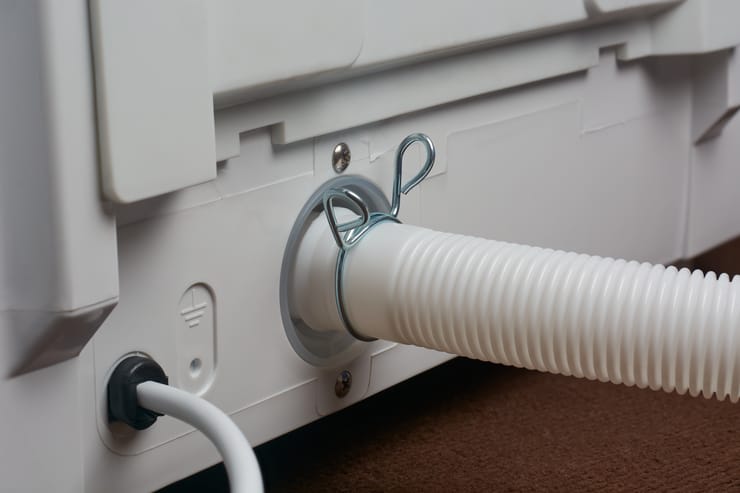
Credit: www.beko.co.uk
Installation Tips For Cold Water Connection
Connecting a dishwasher to cold water is possible, but it requires careful attention. Proper installation ensures the dishwasher works efficiently and lasts longer. Following key tips helps avoid common problems and keeps your appliance safe.
Necessary Adjustments
Most dishwashers are designed to connect to hot water. When using cold water, certain changes are essential.
- Check the dishwasher manual for cold water compatibility.
- Install a water heater booster if needed to raise water temperature.
- Adjust the dishwasher settings for longer wash cycles.
- Use detergents made for cold water use.
These steps help maintain cleaning performance despite cooler water.
Potential Challenges
Using cold water can cause some issues during dishwasher operation.
- Longer washing times due to slower heating.
- Possible buildup of food residue if water is too cold.
- Increased energy use if the dishwasher heats water internally.
- Risk of incomplete drying without hot water.
Awareness of these challenges helps prepare for smooth installation and operation.
Troubleshooting Common Issues
Running your dishwasher on cold water might seem like a simple change, but it can cause a few hiccups along the way. Some problems are easy to spot, while others might leave you scratching your head. Knowing how to troubleshoot common issues can save you time and frustration.
Poor Cleaning Results
If your dishes come out looking grimy or still covered in food, cold water might be the culprit. Dishwashers rely on hot water to dissolve grease and activate detergents properly.
Try these fixes to improve cleaning:
- Use a detergent designed for cold water. Some brands work better without heat.
- Check if your dishwasher’s spray arms are clogged or blocked. Even a small obstruction can reduce water flow.
- Scrape off large food particles before loading your dishes.
Have you noticed your glasses looking cloudy or spotting after a cycle? Hard water combined with cold washing can cause this. Adding a rinse aid or softening your water might help clear things up.
Water Temperature Problems
Cold water supply can cause your dishwasher to run longer cycles or not dry dishes properly. Hot water helps speed up cleaning and drying by breaking down food and evaporating moisture.
Here are ways to tackle temperature issues:
- Check if your water heater is set to at least 120°F (49°C). Lower settings might not heat water enough for good washing.
- Run hot water at the sink before starting the dishwasher to ensure hot water enters the machine immediately.
- Consider installing a booster heater if your home’s hot water system isn’t powerful enough.
Would you accept longer wash times if it meant saving energy by using cold water? Some dishwashers can adjust, but knowing your machine’s limits is key to avoiding frustration and poor results.
Energy And Cost Implications
Understanding the energy and cost implications of hooking up your dishwasher to cold water can help you make smarter choices for your home and wallet. The temperature of the water you use directly affects how much energy your dishwasher consumes and, ultimately, your utility bills. Let’s break down the differences between using hot and cold water for your dishwasher and what that means for long-term savings.
Comparing Hot And Cold Water Usage
Dishwashers typically heat water internally when connected to cold water, which uses electricity or gas. This process can be less efficient than using preheated water from your home’s hot water system.
- Using hot water directly from your heater means the dishwasher uses less energy to raise the temperature.
- When connected to cold water, the dishwasher’s heating element works harder, increasing energy consumption.
- Some modern dishwashers are designed to heat water efficiently, so the difference might be smaller than expected.
Have you noticed your dishwasher taking longer cycles when hooked to cold water? That’s often because it needs extra time to reach the right temperature for effective cleaning.
Long-term Savings Analysis
Switching your dishwasher connection from hot to cold water might seem like a cost saver initially, but the energy used to heat water inside the machine can add up over time.
| Factor | Hot Water Connection | Cold Water Connection |
|---|---|---|
| Energy Usage | Lower (water already heated) | Higher (dishwasher heats water) |
| Cycle Time | Shorter cycles | Longer cycles |
| Cost Over Time | Lower electricity/gas bills | Potentially higher electricity bills |
From my experience, connecting the dishwasher to hot water reduced energy use noticeably. It also shortened the cleaning cycle, which means less wear on the machine.
Consider your local energy rates and dishwasher model when deciding. Could a small change in your setup save you money month after month?
Frequently Asked Questions
Can A Dishwasher Work With Only Cold Water?
Yes, a dishwasher can work with cold water, but it may reduce cleaning efficiency. Most dishwashers heat water internally to the optimal temperature for cleaning. However, using hot water from the supply can improve performance and save energy.
Is It Safe To Connect Dishwasher To Cold Water Line?
Connecting a dishwasher to the cold water line is generally safe. Dishwashers have built-in heating elements to warm water during cycles. Ensure proper installation and check manufacturer guidelines to avoid potential issues with water temperature or dishwasher performance.
Will Hooking Dishwasher To Cold Water Affect Cleaning Results?
Hooking a dishwasher to cold water can affect cleaning quality. The internal heater may take longer to heat water, leading to less effective cleaning. For optimal results, connecting to a hot water supply is recommended when possible.
Does Connecting Dishwasher To Cold Water Save Energy?
Connecting a dishwasher to cold water can save some energy by allowing the dishwasher’s heater to control water temperature. However, it may increase cycle time. Energy savings depend on your dishwasher model and local water heating efficiency.
Conclusion
Connecting a dishwasher to cold water can work in many cases. Cold water saves energy but may lengthen wash times. Some dishwashers heat water inside, so cold hookup is fine. Check your dishwasher’s manual for the best advice. Using cold water might affect cleaning quality with heavy dirt.
Simple steps and proper care keep your dishwasher running well. Think about your needs before making the choice. This helps you keep dishes clean and save energy too.