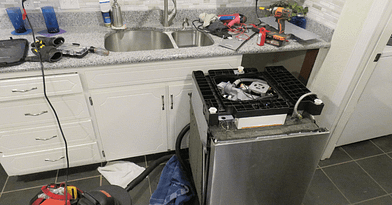
Have you ever wondered if you can pull out your dishwasher without disconnecting it first? If you’re planning to clean behind it, check for leaks, or even replace it, this question probably crossed your mind.
The idea of unplugging and disconnecting everything can feel overwhelming, especially if you’re not a DIY expert. But what if there’s a way to slide it out safely without all that hassle? Keep reading to find out the simple truth and learn how to handle your dishwasher like a pro—without risking damage or a big mess.
Credit: www.angi.com
Risks Of Pulling Out A Dishwasher While Connected
Pulling out a dishwasher without disconnecting it might seem like a quick fix or an easy way to access hard-to-reach areas. However, this approach carries several risks that can lead to costly repairs or safety hazards. Understanding these risks can save you from unexpected troubles and help you decide the safest way to handle your appliance.
Potential Water Damage
Dishwashers are connected to water supply lines and drainage hoses that can easily leak if disturbed. Pulling the unit without shutting off the water or disconnecting hoses may cause sudden water spills. Even a small drip can damage your flooring, cabinets, or cause mold growth behind the walls.
Have you ever noticed a musty smell near your dishwasher? That could be an early sign of hidden water damage caused by improper handling. Taking the time to disconnect water lines prevents these costly issues.
Electrical Hazards
Your dishwasher runs on electricity and is usually hardwired or plugged into a power source. Pulling it out while still connected can expose wires or damage the electrical cord. This creates a risk of electric shock or short circuits, which can be dangerous to you and your home.
Imagine accidentally touching a live wire while trying to move the dishwasher—could you really afford that risk? Always ensure the appliance is unplugged or the circuit is turned off before attempting to move it.
Damage To Appliance And Surroundings
Dragging or pulling out a dishwasher without disconnecting can strain hoses, wires, and connectors. This strain might cause cracks or breaks that affect the appliance’s performance. Additionally, your kitchen cabinets and flooring can get scratched or dented during the process.
Once, I tried to pull out my dishwasher without disconnecting the hoses, and it ended up bending the water line, causing leaks. That experience taught me to disconnect everything first, saving me from bigger repairs later. Is risking damage really worth the few minutes you might save?
When It Might Be Safe To Pull Out
Pulling out a dishwasher without disconnecting it can be risky. Yet, some situations allow safe movement without full disconnection. Knowing these helps avoid damage and leaks. Handle the appliance carefully and check connections first.
Loose Or Flexible Connections
Dishwashers with flexible water and drain hoses allow gentle movement. These hoses stretch a bit without breaking. Loose electrical cords also make pulling easier. Check if hoses and cords have enough slack. Avoid pulling hard if connections feel tight.
Short Distance Movement
Moving the dishwasher a few inches for cleaning or inspection is often safe. Such small shifts reduce stress on pipes and wires. Always move slowly and watch for resistance. Stop if anything pulls or feels stuck. Short moves help access hard spots without full disconnection.
Using Protective Measures
Protect floors and walls before pulling out the dishwasher. Use a soft cloth or cardboard under the appliance. This prevents scratches and damage. Support hoses and cords to avoid strain. Consider asking for help to guide the dishwasher carefully. Safety measures reduce risk during removal.
Tools Needed For Safe Removal
Removing a dishwasher safely requires more than just muscle. Having the right tools at hand makes the process smoother and protects your kitchen from damage. Before you start, gather everything you need to avoid unexpected trips to the hardware store.
Basic Hand Tools
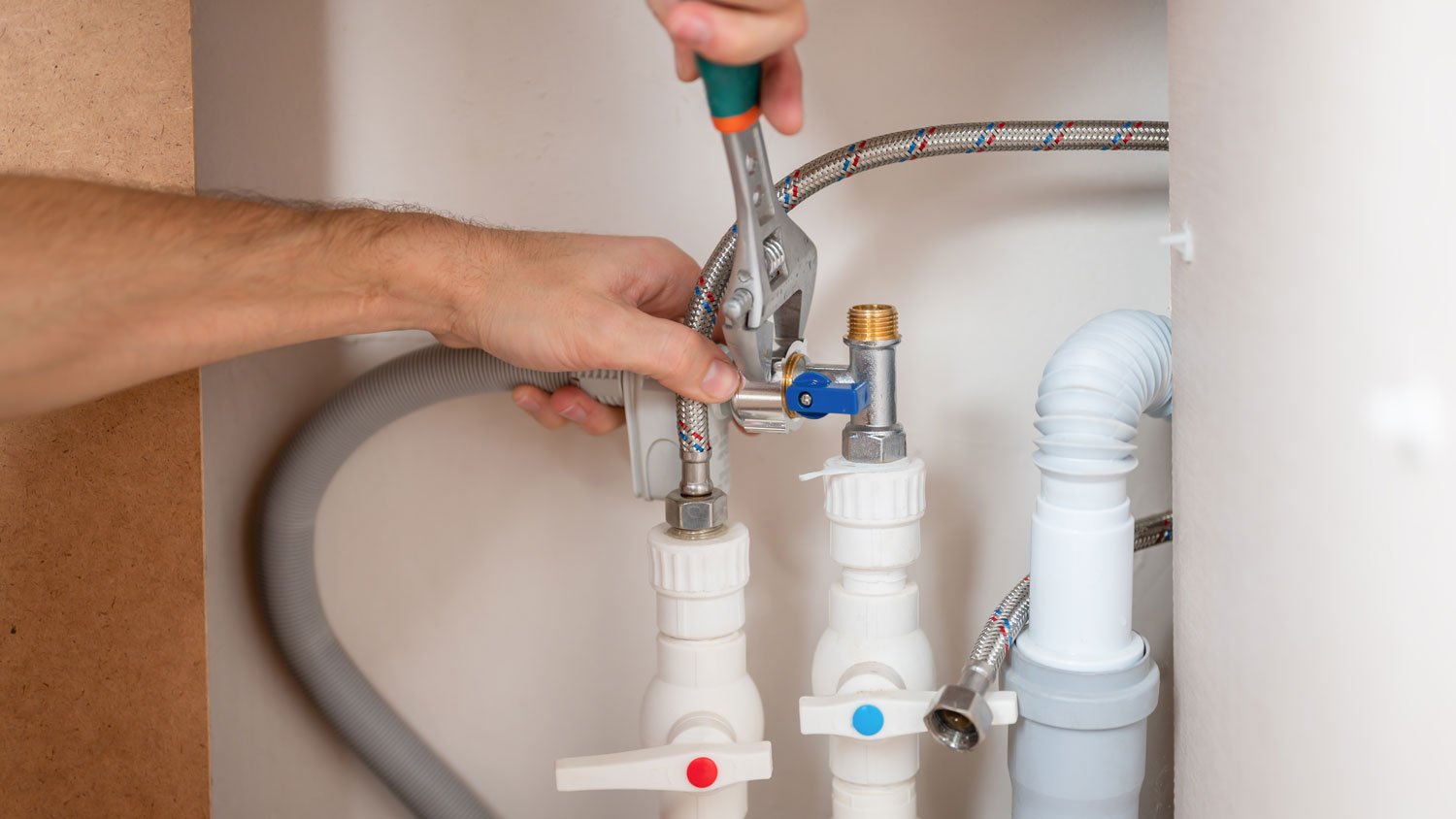
Start with a set of essential hand tools that fit most dishwasher installations. A screwdriver set with both flathead and Phillips heads is crucial for loosening screws and brackets. An adjustable wrench helps disconnect water supply lines if needed.
Don’t forget a pair of pliers for gripping and twisting tight fittings. These tools are small but mighty, making your job easier and preventing damage to screws or connectors.
Protective Gear
Protect yourself with simple gear that keeps injuries at bay. Gloves are a must to avoid cuts from sharp edges on the dishwasher or cabinetry. Safety glasses protect your eyes from dust or any unexpected splashes.
Wearing old clothes or a work apron can save your favorite shirt from grease or water stains. Taking these precautions can prevent small accidents from turning into big headaches.
Water And Power Shutoff Tools
Before pulling out your dishwasher, ensure you can safely shut off water and power. A basic water shutoff tool like a valve key or an adjustable wrench will help you close the supply line quickly. Knowing where your home’s main water valve is can save you from flooding worries.
For power, a non-contact voltage tester lets you confirm the dishwasher is completely disconnected from electricity. This step is often overlooked but critical for your safety during removal.
Step-by-step Guide To Pulling Out A Dishwasher
Pulling out a dishwasher can seem tricky. A careful approach helps avoid damage. This guide explains the process clearly. Follow these steps for a smooth removal. You do not always need to disconnect it fully first.
Turn Off Power And Water
Safety is the top priority. Switch off the power at the circuit breaker. This prevents electric shocks. Next, turn off the water supply valve. It is usually under the sink. Shutting water stops leaks during removal.
Loosen Mounting Brackets
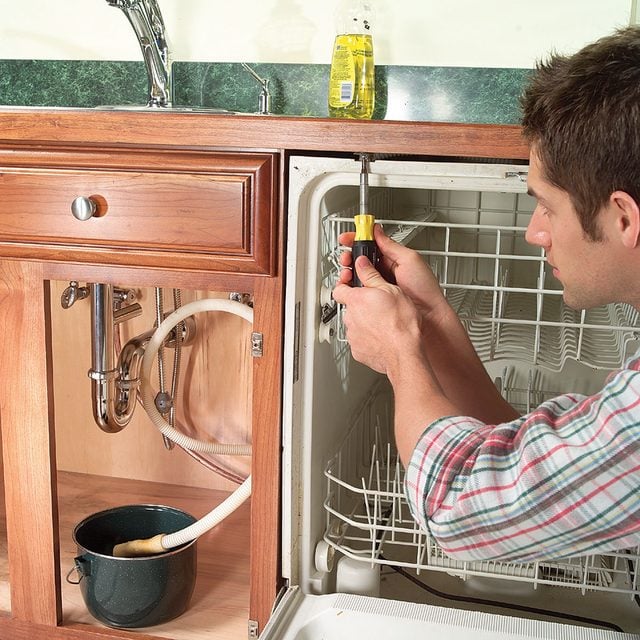
Dishwashers are secured with mounting brackets. These hold it tight under the countertop. Use a screwdriver to loosen the screws. Keep the screws safe for reinstallation. Loosening allows the dishwasher to move freely.
Gently Slide The Dishwasher
Stand in front of the dishwasher. Hold both sides firmly. Pull it out slowly and straight. Avoid tilting to prevent damage. If it resists, check for hidden screws or clips.
Check For Connection Tension
Look behind the dishwasher. Inspect water hoses and electrical cords. They should have some slack. Tight connections can cause damage if pulled. Adjust hoses carefully to avoid leaks. If cords feel tight, stop and disconnect properly.
Expert Tips To Avoid Common Mistakes
Pulling out a dishwasher without disconnecting it might seem simple. Mistakes can cause damage or leaks. Follow expert tips to avoid common problems and keep your dishwasher safe during the move.
Avoid Tugging On Hoses Or Cords
Never pull on hoses or power cords. These parts are delicate and can easily break or disconnect. Hold the dishwasher itself to move it. Keep the hoses loose and careful to prevent tears or leaks.
Use A Helper For Stability
Dishwashers are heavy and awkward to move alone. Ask someone to help hold the dishwasher steady. This prevents tipping and accidental damage. Two people make the process safer and smoother.
Inspect For Leaks After Moving
Check under and around the dishwasher after moving it back. Look for water or damp spots. Catch leaks early to avoid water damage. Tighten connections if needed before using the dishwasher again.

Credit: authorizedco.com
Alternatives To Pulling Out Without Disconnecting
Sometimes, pulling out a dishwasher without disconnecting it can be tricky or risky. Fortunately, there are alternatives that help you access the unit or the surrounding area without fully detaching water or power lines. These options can save you time and avoid potential leaks or electrical hazards.
Partial Removal Techniques
You don’t always have to pull the dishwasher all the way out. Try loosening the screws that hold it in place, then gently slide it forward just enough to reach the back or sides. This partial movement often provides sufficient space for cleaning or minor repairs without disconnecting any hoses or cords.
Make sure to support the dishwasher firmly as you slide it, so it doesn’t tip or damage surrounding cabinets. Have a helper hold it steady if needed. This cautious approach reduces the chance of accidents.
Using Extension Hoses Or Cords
If you anticipate needing more room around your dishwasher in the future, consider installing extension hoses or power cords designed for appliances. These extensions give you extra length to pull the unit out safely without stressing connections.
Extensions come in different lengths and types, so choose ones compatible with your dishwasher’s water supply and electrical setup. Installing them may require some plumbing or electrical know-how, but once set up, you’ll have much more flexibility.
Consulting A Professional
If you’re unsure about handling your dishwasher’s connections or extensions, a professional can help. Licensed plumbers and electricians know how to safely work with these appliances, reducing your risk of damage or injury.
Hiring an expert might seem costly upfront, but it can save you money by preventing leaks, shorts, or appliance damage. Plus, they can offer advice on the best setup for your kitchen’s layout and your needs.
Credit: www.familyhandyman.com
Frequently Asked Questions
Can You Pull Out A Dishwasher Without Disconnecting It?
Yes, you can pull out a dishwasher slightly without disconnecting it. However, fully removing it requires disconnecting water, power, and drain lines to avoid damage.
How Far Can You Safely Pull Out A Dishwasher?
You can safely pull out a dishwasher about 6-12 inches to access connections. Pulling it further risks damaging hoses and electrical cords.
What Happens If You Pull Out A Dishwasher Connected?
Pulling out a connected dishwasher risks stretching or breaking water lines, electrical cords, and drain hoses. This can cause leaks, electrical hazards, or appliance damage.
Should You Turn Off Water Before Pulling Out A Dishwasher?
Yes, always turn off the water supply before pulling out a dishwasher. This prevents leaks and water damage if hoses get stressed or disconnected.
Conclusion
Pulling out a dishwasher seems tricky, but it’s manageable. Ensure you follow safety steps. Turn off power and water supply first. Check for any secured connections. A little patience goes a long way. Gently slide the dishwasher out. Avoid pulling too hard to prevent damage.
If unsure, consulting a professional helps. They offer the right guidance. Taking precautions ensures your dishwasher stays safe. Remember, safety first in every step. Happy fixing!