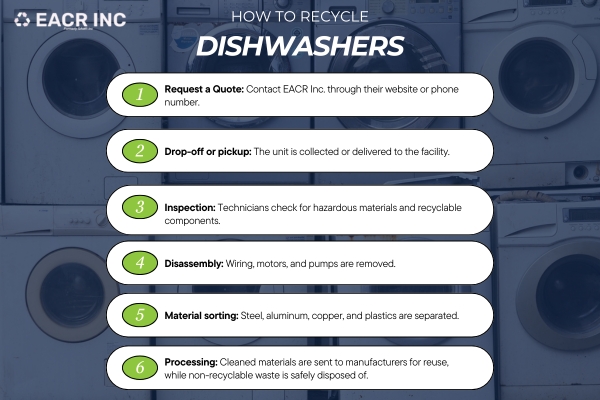
Are you staring at your old dishwasher, wondering how to part ways with it responsibly? You’re not alone.
Many people find themselves puzzled when it’s time to dispose of a dishwasher. It’s not just about getting rid of an old appliance; it’s about doing it in a way that’s kind to the environment and easy on your conscience.
You might be thinking, “Is there a right way to do this? ” Absolutely, and we’re here to guide you through it. Imagine freeing up your kitchen space and knowing you’ve done your part to help the planet. By the end of this article, you’ll have a clear, actionable plan to dispose of your dishwasher efficiently and responsibly. Stick around, and let’s make this task as simple as possible for you.
Prepare Dishwasher For Disposal
Preparing your dishwasher for disposal requires careful steps. These steps protect your home and help with proper recycling. Take time to follow each instruction for safe handling.
Disconnect Power And Water
Unplug the dishwasher from the electrical outlet first. This stops any risk of electric shock. Then, turn off the water supply valve connected to the dishwasher. After that, disconnect the water line carefully. Use a towel to catch any water left in the hose.
Remove Personal Items
Check inside the dishwasher for any dishes or utensils. Take out all items to prevent damage or loss. Also, remove any detergent or cleaning supplies left inside. This keeps the dishwasher clean and ready for disposal.
Clean And Dry Interior
Wipe down the dishwasher’s interior with a damp cloth to remove food particles. Make sure to clean the door edges and seals. Leave the door open for a while to air dry. This prevents mold and bad smells during storage or transport.
Credit: andoverma.gov
Explore Disposal Options
Disposing of a dishwasher responsibly benefits the environment and your community. Many options exist beyond just throwing it in the trash. Each choice has its benefits and fits different situations. Exploring these options helps you choose the best way to get rid of your old appliance.
Donate Or Sell
Dishwashers in good working condition can help others. Donation centers and charities often accept appliances. Selling online or locally can give your dishwasher a second life. These routes reduce waste and support people needing affordable appliances. Always clean and test the dishwasher before offering it.
Recycle Locally
Many communities have recycling programs for appliances. Recycling recovers metal, plastic, and glass parts. It prevents harmful materials from entering landfills. Find a nearby center that accepts dishwashers. Some places may require you to remove certain parts. Follow local rules to ensure proper recycling.
Hire Professional Services
Specialized companies handle appliance disposal safely. They pick up the dishwasher from your home. Professionals ensure harmful materials are removed and recycled. This option saves time and effort. It often complies with local disposal laws. Check company reviews and prices before hiring.
Recycle Dishwasher Components
Recycling dishwasher components helps reduce waste and saves resources. Dishwashers contain many parts that can be reused or processed safely. Sorting these parts before disposal improves recycling efficiency. Focus on metal parts, plastic components, and electronic elements for proper recycling.
Metal Parts
Dishwashers have metal parts like the frame, racks, and screws. These parts are usually made of stainless steel or aluminum. Metals can be melted down and used to make new products. Remove these metal parts and take them to a scrap metal recycling center. This keeps metals out of landfills and supports resource recovery.
Plastic Components
Plastic parts include panels, knobs, and internal trays. Different plastics have different recycling rules. Check the recycling symbols on the parts. Clean the plastics to remove dirt or food residue. Separate plastics by type if possible. Recycle them at a facility that accepts these materials. Proper plastic recycling reduces pollution and saves energy.
Electronic Elements
Dishwashers contain electronic parts like circuit boards, wiring, and sensors. These elements contain valuable materials such as copper and gold. They also have hazardous substances that need careful handling. Take electronic components to an e-waste recycling center. Professionals will safely extract reusable materials. This prevents harmful chemicals from entering the environment.
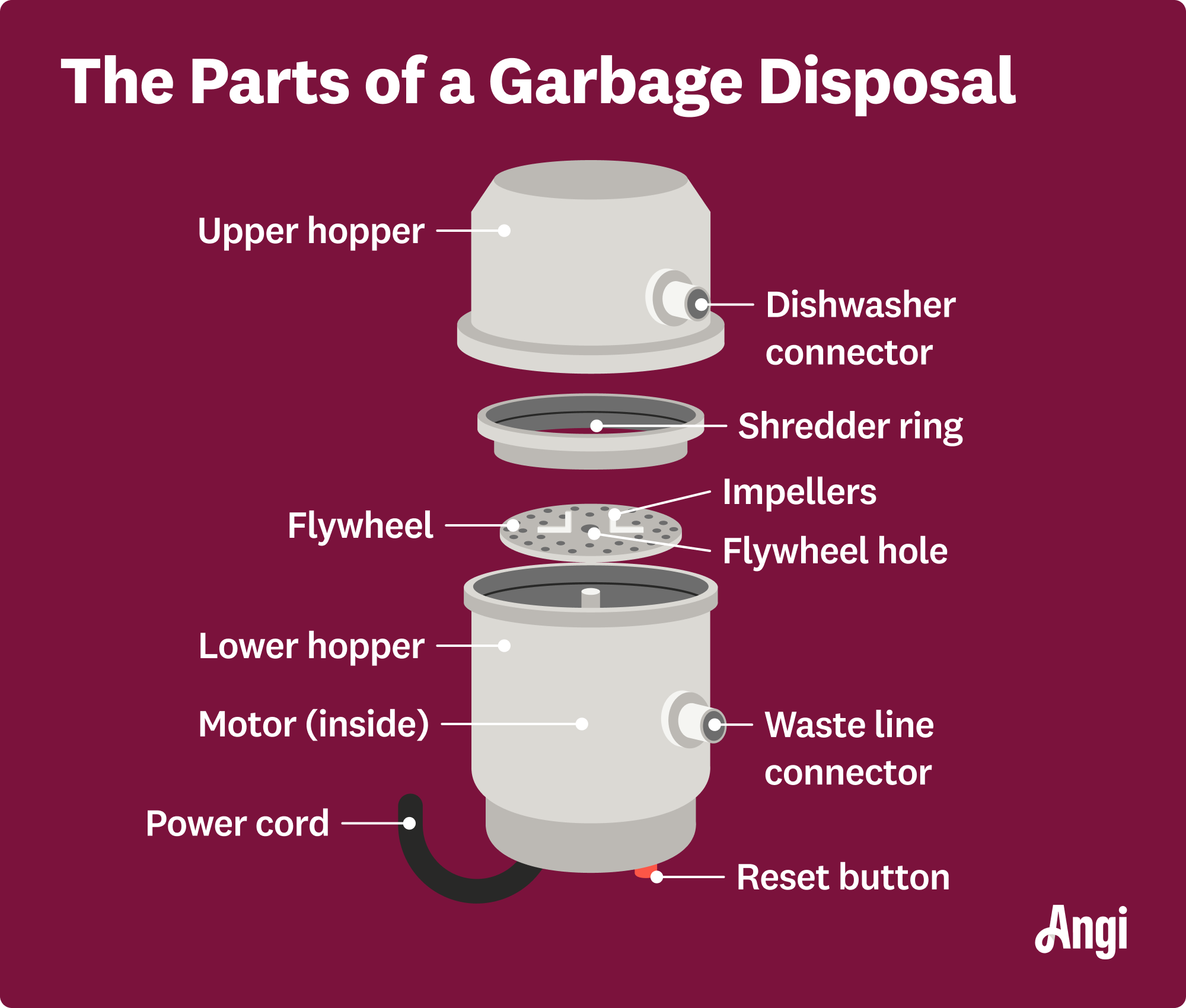
Credit: www.angi.com
Follow Local Disposal Regulations
Properly disposing of your dishwasher means more than just tossing it out. You need to follow local disposal regulations to avoid fines and protect the environment. These rules can vary widely depending on where you live, so understanding them is crucial before you take any action.
Find Authorized Centers
Start by locating authorized disposal or recycling centers in your area. These centers are equipped to handle appliances safely and often recycle parts to reduce waste.
You can usually find these centers through your city’s waste management website or by calling your local government office. Some appliance stores also offer take-back programs when you buy a new dishwasher.
Have you checked if your town offers special pick-up days for large appliances? This service can make disposal easier and ensures your dishwasher is handled correctly.
Check Hazardous Waste Rules
Dishwashers contain components that may be classified as hazardous waste, such as refrigerants or electronic parts. Your local regulations will specify if these parts require special handling.
Ignoring these rules can lead to environmental damage and legal trouble. Contact your local hazardous waste disposal facility to learn how to safely remove or recycle these materials.
Do you know what hazardous materials your dishwasher might contain? Being informed helps you avoid costly mistakes and supports responsible disposal practices.
Prevent Environmental Impact
Disposing of a dishwasher responsibly helps protect the environment. Many dishwashers contain parts and materials that can harm nature if not handled properly. Taking care to dispose of these appliances correctly reduces pollution and conserves resources.
Avoid Landfill Disposal
Throwing dishwashers in landfills causes metal and plastic waste to build up. These materials take years to break down and can release harmful chemicals into the soil. Choose recycling centers that accept appliances. These facilities separate metals, plastics, and glass for reuse.
Look for local programs offering appliance recycling or trade-in services. Donating working or repairable dishwashers to charity or secondhand shops also keeps them out of landfills.
Handle Chemicals Safely
Dishwashers may contain hazardous substances like refrigerants and oils. These chemicals can pollute air and water if released. Before disposal, drain and remove all fluids according to local safety rules. Use protective gloves and eyewear when handling these substances.
Contact waste disposal centers for guidance on managing hazardous materials. Proper handling prevents environmental damage and keeps you safe.
Tips For Eco-friendly Replacement
Choosing the right dishwasher replacement helps reduce environmental harm. Small choices can make a big difference in saving energy and water. Focus on models that use resources wisely and carry trusted eco-labels. This approach supports a greener home and planet.
Choose Energy-efficient Models
Energy-efficient dishwashers use less electricity. They lower your utility bills and reduce greenhouse gas emissions. Look for appliances with high Energy Star ratings. These models consume less power while maintaining cleaning quality.
Consider Water Usage
Water-saving dishwashers limit water waste during cycles. Select models with sensors that adjust water use based on load size. Less water means less strain on local water supplies and lower bills. Efficient water use supports sustainable living.
Look For Eco Labels
Eco labels show products meet strict environmental standards. Check for certifications like Energy Star, WaterSense, or EU Ecolabel. These labels guarantee the dishwasher is better for the environment. Choosing certified products promotes sustainability and quality.

Credit: butlerplumbing.ca
Frequently Asked Questions
How Do I Safely Dispose Of An Old Dishwasher?
First, unplug and disconnect the dishwasher from power and water. Remove all detachable parts. Check local waste regulations. Many areas require drop-off at recycling centers or appliance stores that handle hazardous materials safely.
Can I Recycle Dishwasher Parts?
Yes, most metal and plastic parts can be recycled. Remove electronic components and dispose of them according to e-waste guidelines. Check with local recycling programs for specific instructions on dishwasher recycling.
Should I Donate Or Sell A Working Dishwasher?
If your dishwasher still works well, consider donating or selling it. This extends its life and helps reduce waste. Use online marketplaces or local charities to find potential recipients.
What Happens If I Dispose Of A Dishwasher Improperly?
Improper disposal can cause environmental harm and legal issues. Dishwashers contain hazardous materials like refrigerants and heavy metals. Follow local disposal rules to avoid fines and pollution.
Conclusion
Disposing of a dishwasher does not have to be hard. Follow local rules and find a recycling center nearby. Removing parts like hoses and cords helps prepare it right. Donate if the machine still works well to help others. Avoid throwing dishwashers in regular trash to protect the environment.
Taking small steps makes a big difference. Remember, safe disposal keeps your home and planet clean. Act responsibly and make the process simple for yourself.