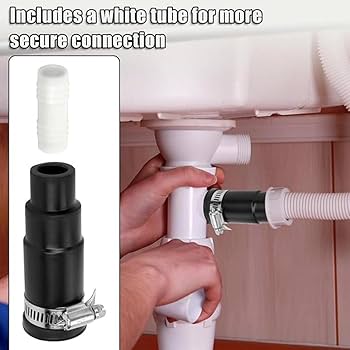
Are you ready to tackle a small home improvement task that could save you time and potential headaches? If you’ve just purchased a new dishwasher or need to replace an old drain hose, you might be wondering how to connect the dishwasher drain hose to your disposal properly.
Don’t worry; you’re not alone in this! Many homeowners find themselves in the same boat, eager to ensure everything runs smoothly without any leaks or issues. In this guide, you’ll discover easy-to-follow steps and tips to make the process seamless and stress-free.
So, roll up your sleeves, and let’s get started on making your kitchen run efficiently and effectively. Dive into the details below and equip yourself with the know-how to handle this task like a pro!

Credit: www.amazon.com
Prepare Your Tools And Materials
Before you start connecting your dishwasher drain hose to the disposal, it’s essential to get everything ready. Having the right tools and materials at hand saves time and prevents frustration. It also helps you avoid mistakes that could cause leaks or damage.
Gather Necessary Tools
Make sure you have these tools nearby:
- Screwdriver:A flathead or Phillips, depending on the clamps used.
- Pliers:To tighten hose clamps securely.
- Utility knife or scissors:For trimming the hose if needed.
- Bucket or towels:To catch any water spills during the connection process.
- Hose clamps:If not already included with your dishwasher or disposal.
Having a flashlight can also help you see better under the sink. Do you have a spot where you can lay out all these tools? Organizing your workspace makes the job smoother.
Check Dishwasher And Disposal Compatibility
Not all dishwashers and disposals fit together perfectly. Look at your disposal’s drain inlet to ensure it has a knockout plug. This plug blocks the dishwasher drain connection and must be removed before attaching the hose.
Check your dishwasher’s drain hose diameter. It usually fits standard disposal inlets, but double-checking prevents leaks. If the sizes don’t match, you might need an adapter or a new hose.
Have you ever started a project only to find parts don’t fit? Verifying compatibility first saves you from that hassle and keeps your kitchen dry and functional.

Credit: www.reddit.com
Locate The Disposal Drain Connection
Locating the disposal drain connection is essential before attaching the dishwasher drain hose. This connection allows wastewater from the dishwasher to flow safely into the garbage disposal. Finding the right spot on the disposal ensures a secure and leak-free installation.
The disposal unit usually has a special inlet designed for the dishwasher hose. Identifying this inlet is the first step in the process. It helps to know what to look for and how to prepare the disposal for connection.
Identify The Dishwasher Inlet On Disposal
Check the side of the garbage disposal for a small, round opening. This opening is the dishwasher inlet. It is often capped or sealed to prevent debris from entering. The inlet is usually near the top or side of the disposal unit.
Look for a rubber or plastic plug covering this inlet. This plug must be removed before connecting the hose. Make sure the inlet size matches the dishwasher hose diameter.
Remove The Knockout Plug
The knockout plug blocks the dishwasher inlet during shipping. It keeps the disposal clean and safe. Removing this plug creates a clear path for water to flow from the dishwasher.
Use a screwdriver and hammer to gently tap the plug out. Place a towel inside the disposal to catch the plug once it falls. Remove the plug carefully to avoid damaging the inlet or disposal unit.
Attach The Dishwasher Drain Hose
Attaching the dishwasher drain hose to the disposal is a key task for proper water drainage. This connection prevents leaks and ensures wastewater flows smoothly. Follow simple steps to position and secure the hose firmly.
Position The Hose On Disposal Inlet
Locate the dishwasher drain inlet on the disposal unit. It usually appears as a small tube or port on the side. Slide the dishwasher drain hose onto this inlet carefully.
Make sure the hose fits snugly over the inlet. Avoid forcing it too hard to prevent damage. The hose should cover the inlet fully to stop any leaks.
Secure With Hose Clamp
Place a hose clamp over the end of the drain hose. Position it near the inlet for a tight seal. Use a screwdriver to tighten the clamp firmly.
Check that the clamp holds the hose in place without squeezing too hard. This tight grip stops water from escaping during dishwasher cycles. Double-check the connection for stability before finishing.

Credit: www.reddit.com
Connect The Hose To Dishwasher
Connecting the dishwasher drain hose to the disposal is essential for proper water drainage. Start by focusing on the hose connection to the dishwasher itself. Secure and tight connections prevent leaks and ensure smooth operation. Follow simple steps to find the drain outlet and attach the hose firmly.
Find The Dishwasher Drain Outlet
Locate the drain outlet on the dishwasher’s base or side. It usually looks like a small pipe or nozzle. This outlet is where the drain hose connects. Check for any covers or plugs that may block the outlet. Remove these carefully before attaching the hose.
Attach And Clamp The Hose
Slide the dishwasher drain hose onto the outlet pipe. Push it firmly to ensure a tight fit. Use a hose clamp to secure the connection. Tighten the clamp with a screwdriver or nut driver until snug. Avoid overtightening, which can damage the hose or outlet.
Test For Leaks And Proper Drainage
Testing for leaks and ensuring proper drainage are critical after connecting your dishwasher drain hose to the disposal. Skipping this step can lead to water damage or a malfunctioning dishwasher. Taking time to check now saves you from costly repairs later.
Run A Short Dishwasher Cycle
Start by running a short wash cycle on your dishwasher. This allows water to flow through the drain hose and disposal connection, simulating normal use. Pay close attention to any unusual sounds or delays in drainage during this cycle.
As the dishwasher drains, watch under the sink area for any signs of water escaping. Even a small drip can indicate a loose connection or a damaged hose. Catching leaks early helps you fix the problem before it worsens.
Inspect Hose Connections
After the cycle finishes, physically check all hose connections. Feel around the disposal inlet and hose clamps for moisture or wet spots. Tighten any clamps or fittings that feel loose.
Look for cracks, holes, or kinks in the hose that could cause leaks or blockages. Replacing a faulty hose is a simple fix that prevents water backup. Have you ever noticed water pooling unexpectedly? It’s usually a sign that inspection like this is overdue.
Troubleshoot Common Issues
Connecting your dishwasher drain hose to the disposal seems straightforward, but common issues can arise that disrupt your kitchen’s workflow. Troubleshooting these problems quickly can save you from water damage and costly repairs. Understanding what to look for and how to fix it ensures your system runs smoothly.
Handle Leaks
Leaks often happen around the hose connection to the disposal. Check if the hose clamp is tight enough. If it’s loose, water will escape during dishwasher cycles.
Inspect the hose for cracks or holes. Even a small puncture can cause significant leaks. Replacing a damaged hose is usually the best fix.
Sometimes, the connection point on the disposal might be worn or corroded. Clean the area and consider using plumber’s tape to improve the seal. Do you notice water pooling under your sink after the dishwasher runs? That’s a clear sign to check these points immediately.
Fix Drainage Problems
Slow or no drainage can mean a clogged hose or disposal inlet. Start by detaching the hose and flushing it with water to clear debris. Don’t forget to check the disposal’s inlet opening for blockages.
If you hear gurgling sounds or see water backing up into the dishwasher, air might be trapped in the hose. Make sure the hose is looped correctly to prevent backflow. The loop should be high enough to keep water moving in the right direction.
Another tip: run the disposal before starting the dishwasher. This clears the disposal and helps prevent blockages. Have you tried this simple step before calling a plumber? It often solves drainage issues instantly.
Frequently Asked Questions
How Do I Connect A Dishwasher Drain Hose To Disposal?
To connect, first remove the disposal knockout plug. Attach the hose to the disposal inlet and secure with a clamp. Ensure a tight fit to prevent leaks and check local codes for specific installation rules.
Can I Use Any Hose For Dishwasher Drainage?
No, use only dishwasher drain hoses designed for this purpose. These hoses are durable and sized correctly to prevent leaks and clogs. Using the wrong hose may cause drainage issues and damage.
Why Is The Dishwasher Drain Hose Connection Important?
Proper connection prevents leaks and backflow, protecting your kitchen from water damage. It ensures efficient drainage, reducing the risk of clogs and odors. A secure connection extends appliance lifespan and maintains hygiene.
Do I Need Tools To Connect Dishwasher Drain Hose?
Yes, basic tools like a screwdriver or pliers are needed. These help tighten hose clamps securely. Sometimes, you may need a utility knife to trim the hose to the right length.
Conclusion
Connecting your dishwasher drain hose to the disposal is simple with the right steps. Make sure the hose fits tightly and seals well to avoid leaks. Check for any blockages that might stop water flow. Keep tools handy and follow safety rules while working.
Taking time to do it right helps your dishwasher work better and last longer. A little care now saves you from bigger problems later. You can enjoy a clean kitchen with less hassle. Just follow these tips, and your connection will be secure and effective.