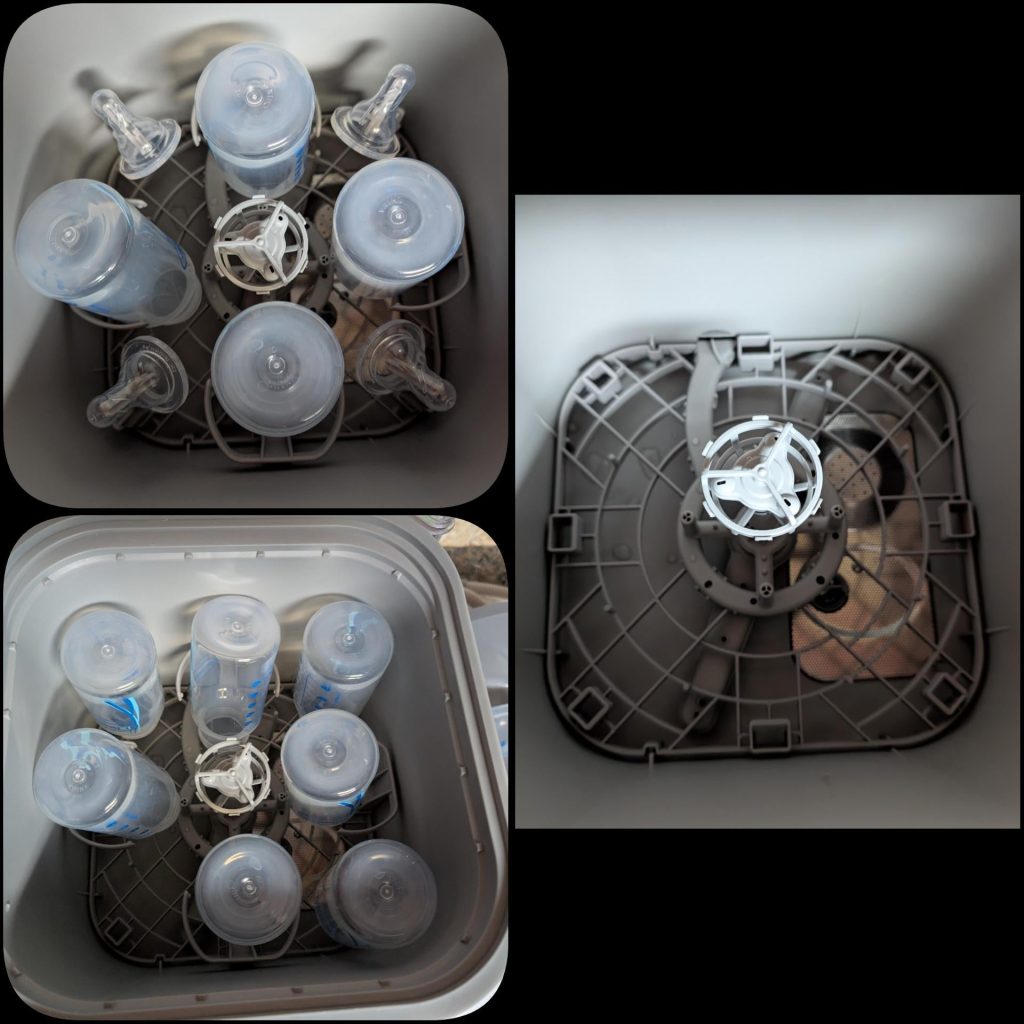
Ever find yourself staring at a pile of bottles on your kitchen counter, wondering if they can safely take a ride in your dishwasher? You’re not alone.
Many people are curious about this everyday dilemma. After all, who wouldn’t want to save time and effort on washing bottles by hand? But before you press that start button, it’s important to know which bottles are dishwasher-friendly and which could end up a melted mess.
We’ll dive into the dos and don’ts of putting bottles in the dishwasher, helping you avoid common pitfalls and ensuring your kitchen stays hassle-free. Ready to make your dishwashing routine simpler and more efficient? Let’s get started.

Credit: www.searshomeservices.com
Types Of Bottles Suitable For Dishwashers
Different types of bottles handle the dishwasher differently. Choosing the right type keeps your bottles safe and clean. Some materials endure heat and water better than others. Understanding which bottles suit dishwashers helps avoid damage and saves time.
Plastic Bottles
Many plastic bottles are dishwasher safe. Look for a label that says “dishwasher safe.” These bottles resist heat but can warp in high temperatures. Place them on the top rack to avoid direct heat from the dishwasher’s heating element. Avoid washing thin or cheap plastics in the dishwasher. They may crack or melt.
Glass Bottles
Glass bottles handle dishwashers well. They are sturdy and do not warp. Glass resists heat and harsh detergents. Avoid bottles with painted designs that might fade. Place them securely to prevent breaking during the wash cycle. Glass bottles often come with silicone sleeves; remove sleeves before washing.
Metal Bottles
Metal bottles vary in dishwasher safety. Stainless steel bottles usually survive dishwasher cycles. Avoid putting aluminum or copper bottles in the dishwasher. These metals can discolor or corrode. Remove lids and seals before washing metal bottles. Hand washing may be better for preserving metal quality.

Credit: www.searshomeservices.com
Risks Of Putting Bottles In The Dishwasher
Putting bottles in the dishwasher may seem easy and quick. Yet, it carries some risks that can affect the bottle’s safety and lifespan. Understanding these risks helps protect your bottles and your health.
Damage From Heat
Dishwashers use hot water and steam to clean. High heat can weaken bottle materials. Plastic bottles may soften or melt. Metal bottles might lose their coating or paint. Heat can also damage bottle lids and seals.
Warping And Cracking
Repeated dishwasher cycles can cause warping. Bottles may lose their shape and fit. Thin plastic bottles are more likely to crack. Cracks allow bacteria to grow inside. Warped lids may not seal properly, causing leaks.
Chemical Leaching
Heat can cause chemicals to leach from plastic bottles. Harmful substances like BPA may enter your drink. This risk is higher in low-quality plastics. Washing by hand lowers chemical exposure. Using dishwasher-safe bottles reduces this problem.
Preparing Bottles For Dishwasher Cleaning
Preparing bottles for dishwasher cleaning ensures they come out spotless and safe to use. Proper preparation helps remove leftover liquids and food particles. It also protects bottle parts from damage and ensures thorough cleaning. Follow these steps before placing bottles in the dishwasher.
Removing Caps And Lids
Take off all caps, lids, and rings from the bottles. These pieces often trap dirt and bacteria. Washing them separately helps clean every part well. Place small parts in the dishwasher’s utensil holder or a mesh bag. This prevents them from falling or getting damaged.
Pre-rinsing Bottles
Rinse bottles under warm water before loading them into the dishwasher. This removes leftover milk, juice, or formula. Pre-rinsing stops food from sticking and reduces odors. It also prevents clogging the dishwasher filter. Use running water and a quick shake to clear the inside.
Using Bottle Brushes
Use a bottle brush to scrub the inside before washing. Brushes reach corners and narrow necks that water cannot clean. Choose a brush with soft bristles to avoid scratches. Clean the brush regularly to keep it hygienic. This step ensures no residue stays inside the bottle.
Safe Dishwasher Settings For Bottles
Cleaning bottles in the dishwasher is easy with the right settings. Choosing safe dishwasher settings helps protect the bottles and cleans them well. Using the correct cycle, water temperature, and placement can keep bottles in good shape. Follow these tips for safe and effective washing.
Choosing The Right Cycle
Select a gentle or delicate cycle to avoid damage. These cycles use less force and heat, which suits plastic and glass bottles. Avoid heavy or high-heat cycles that can warp or crack bottles. A quick wash cycle also works well for lightly soiled bottles.
Optimal Water Temperature
Use warm water, around 110-120°F (43-49°C), to clean bottles safely. Hotter water might deform plastic bottles or remove labels. Cold water may not clean effectively. Warm water kills germs while protecting bottle material.
Placement Tips Inside The Dishwasher
- Place bottles upright to let water drain inside.
- Use the top rack to avoid high heat from the bottom.
- Secure bottles so they do not move during washing.
- Remove caps and lids to clean separately.
Alternatives To Dishwasher Cleaning
Dishwashers do not always suit every bottle type or situation. Some bottles need gentle care or special cleaning. Alternatives to dishwasher cleaning help keep bottles clean and safe. These methods work well for delicate materials and hard-to-reach spots.
Hand Washing Techniques
Hand washing is a simple way to clean bottles thoroughly. Use warm water and mild soap for best results. A bottle brush helps reach inside corners and narrow necks. Scrub the inside, outside, and bottle cap carefully. Rinse with clean water to remove soap residue. Dry bottles upside down on a clean towel to avoid germs.
Using Sterilizers
Sterilizers remove bacteria and germs from bottles. They use steam or UV light for deep cleaning. Electric or microwave sterilizers are popular options. Sterilizing is ideal for baby bottles or sensitive containers. Follow the manufacturer’s instructions for safe use. Sterilizers offer peace of mind by killing harmful microbes.
Natural Cleaning Solutions
Natural solutions clean bottles without harsh chemicals. Vinegar and baking soda are effective and safe choices. Mix vinegar with water to soak bottles for 10 minutes. Use baking soda paste to scrub tough stains gently. Lemon juice works as a fresh scent and cleaner. Rinse thoroughly after using natural cleaners to avoid taste or smell.
Maintaining Bottle Hygiene After Washing
Keeping your bottles clean doesn’t stop once the dishwasher cycle ends. Proper care after washing is just as important to prevent bacteria growth and maintain hygiene. Paying attention to drying, storing, and inspecting your bottles helps you avoid any unpleasant surprises when you next use them.
Proper Drying Methods
Moisture left inside bottles creates a perfect environment for germs. After washing, always let your bottles air dry completely before storing them. You can place them upside down on a drying rack to ensure water drains out fully.
Using a clean towel to dry the outside is fine, but avoid wiping the inside with fabric that might leave lint. Have you noticed how damp bottles sometimes develop a sour smell? That’s a sign they weren’t dried well enough.
Storage Tips
Store your bottles in a clean, dry place away from direct sunlight. Sunlight can cause plastic bottles to degrade over time, which affects hygiene and safety. Keeping lids off or slightly open during storage can help air circulate and prevent moisture buildup inside.
Consider using a dedicated container or basket to keep bottles separate from other kitchen items. This reduces the risk of cross-contamination and keeps your bottle area organized.
Regular Inspection For Damage
Regularly check your bottles for cracks, scratches, or discoloration. These imperfections can harbor bacteria that even a dishwasher can’t remove. If you spot any damage, it’s safer to replace the bottle rather than risk contamination.
Have you ever found mold inside a bottle despite washing it? That’s often due to unnoticed damage or worn-out seals. Stay vigilant, and your bottles will stay safe and fresh for longer.

Credit: www.reddit.com
Frequently Asked Questions
Can I Put Plastic Bottles In The Dishwasher?
Yes, most plastic bottles are dishwasher safe on the top rack. Avoid high heat settings to prevent warping or melting.
Are Glass Bottles Safe To Clean In Dishwashers?
Glass bottles are generally safe in dishwashers. Place them securely to avoid breakage during the wash cycle.
How Do I Clean Baby Bottles In The Dishwasher?
Use a baby bottle rack or basket. Choose a gentle cycle with hot water to ensure thorough cleaning and sterilization.
Can Metal Bottles Go In The Dishwasher?
Many metal bottles are dishwasher safe but check the manufacturer’s instructions. Avoid dishwasher use if the bottle has a painted or insulated coating.
Conclusion
Bottles can go in the dishwasher, but check the label first. Use the top rack to keep them safe from heat. Avoid washing bottles with delicate parts that might get damaged. Clean bottles regularly to stop germs from growing. Simple care keeps your bottles fresh and ready to use.
Dishwasher use saves time but needs some caution. Follow these tips for clean, safe bottles every time.