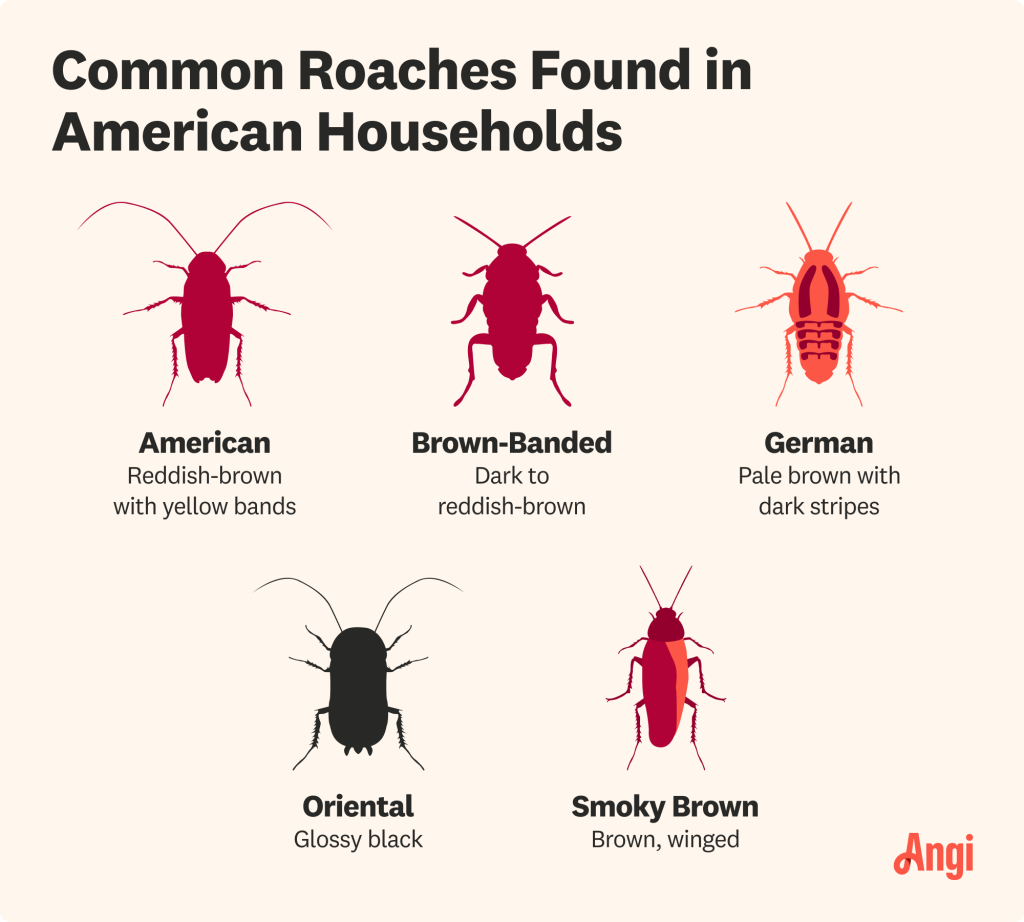
Dealing with roaches in your dishwasher is not just unpleasant—it’s a real hassle. These pesky invaders can turn your kitchen into a battleground and make you worry about the safety of your dishes.
Imagine reaching for a clean plate, only to find unwanted guests have made themselves at home. It’s frustrating, right? But don’t worry. You’re not alone, and there’s a way out. In this guide, we’ll explore effective steps you can take to reclaim your dishwasher and restore peace to your kitchen.
Are you ready to banish these unwelcome visitors for good? Let’s dive into the solutions that will make your kitchen a roach-free zone once again.

Credit: majorpestcontrol.ca
Why Roaches Invade Dishwashers
Roaches don’t just randomly pick dishwashers to invade. They are looking for food, water, and shelter—three essentials that your dishwasher often provides in abundance. Understanding why these pests are drawn to this appliance helps you target your efforts more effectively to get rid of them.
Common Attractants
Roaches are attracted to leftover food particles stuck on dishes or inside the dishwasher filter. Even tiny crumbs can be enough to lure them in.
The moisture from the dishwasher’s frequent use creates a damp environment they love. This moisture not only helps them survive but also encourages mold growth, which can be an additional food source.
Additionally, warmth inside the dishwasher after a cycle finishes is inviting. Roaches seek warm spots to rest, especially in cooler weather.
Breeding Spots Inside
Dishwashers offer hidden corners perfect for roaches to lay eggs. The rubber seals around the door and the drain area are common breeding spots.
If the dishwasher is rarely cleaned, grease and grime build-up provide both food and shelter for roaches to multiply unnoticed.
Have you noticed a persistent bad odor near your dishwasher? That could be a sign of roach eggs hatching inside these breeding zones.
Signs Of Infestation
Spotting roaches inside or near your dishwasher is an obvious sign, but there are subtler clues too.
- Look for small black droppings around the door seals and on the floor beneath the dishwasher.
- Unpleasant, musty odors can indicate a growing infestation.
- Egg casings, which look like tiny capsules, might be tucked away in hard-to-see spots inside the unit.
Noticing these signs early can save you a lot of trouble. Have you checked your dishwasher carefully today?

Credit: growcycle.com
Preparing Your Dishwasher For Treatment
Preparing your dishwasher for treatment is a crucial step to effectively get rid of roaches. Without a clean and organized appliance, any treatment might fail because roaches thrive in hidden food scraps and clutter. Taking the time to prepare your dishwasher properly sets the stage for a successful pest control process.
Cleaning And Decluttering
Start by removing all detachable parts like racks, filters, and utensil holders. Wash these parts separately with hot, soapy water to eliminate any grease or grime.
Clear out any unnecessary items you might have stored in or around the dishwasher. Roaches love clutter because it offers them places to hide and multiply.
Removing Food Residues
Check every corner of your dishwasher for leftover food particles. Pay special attention to the filter and spray arms where bits of food often get trapped.
Use a toothbrush or a small brush to scrub away stubborn residues. You can also run an empty cycle with dishwasher cleaner or white vinegar to help break down hidden grime.
Ensuring Safety
Before applying any roach treatment, make sure your dishwasher is unplugged and completely dry. This reduces any risk of electrical hazards or chemical reactions.
Wear gloves and avoid inhaling fumes from cleaning products or pest control sprays. If you have pets or children, keep them away from the treatment area until it’s safe.
Natural Remedies To Eliminate Roaches
Natural remedies offer safe and effective ways to remove roaches from your dishwasher. These options use simple ingredients found at home. They help control roaches without harsh chemicals. Consistent use improves your kitchen’s hygiene and keeps pests away.
Using Baking Soda And Sugar
Baking soda and sugar create a tempting trap for roaches. Sugar attracts them, and baking soda harms their digestive system.
- Mix equal parts of baking soda and sugar.
- Sprinkle the mixture inside and around the dishwasher.
- Leave it overnight to catch roaches.
- Clean the area thoroughly the next day.
Repeat this process regularly to reduce roach activity effectively.
Applying Boric Acid
Boric acid is a natural powder that kills roaches on contact. It also stops their reproduction cycle.
- Lightly dust boric acid inside the dishwasher edges and corners.
- Avoid using too much to keep it safe for your family.
- Keep the area dry, as moisture reduces boric acid’s power.
- Reapply after cleaning or if it gets wet.
This method works best with patience and regular application.
Essential Oils And Herbal Solutions
Essential oils and herbs repel roaches with strong scents. They provide a pleasant smell while keeping pests away.
- Use oils like peppermint, eucalyptus, or tea tree.
- Mix 10 drops of oil with water in a spray bottle.
- Spray around the dishwasher and kitchen surfaces.
- Place dried herbs such as bay leaves or lavender near the dishwasher.
These natural scents discourage roaches from entering your kitchen.
Chemical Treatments And Baits
Chemical treatments and baits help control roaches hiding in dishwashers. They target roaches quickly and reduce their numbers. Using the right products keeps your kitchen clean and safe. Proper use avoids damage and health risks. Understanding insecticides and bait options helps remove roaches effectively.
Choosing The Right Insecticides
Select insecticides labeled for kitchen use. Avoid harsh chemicals that can damage dishwasher parts. Look for gels, sprays, or powders made for roach control. Check ingredients for safety around food areas. Use products with active ingredients like boric acid or fipronil. These kill roaches without strong odors or stains.
Safe Application Tips
Turn off and unplug the dishwasher before applying treatments. Remove dishes and rinse the inside well. Apply insecticide in cracks and corners only. Do not spray directly on dishwasher racks or heating elements. Allow the product to dry completely before using the machine. Keep children and pets away during treatment. Follow all label instructions carefully for best results.
Using Roach Baits Effectively
Place bait stations near the dishwasher, under the sink, and along baseboards. Avoid placing baits inside the dishwasher itself. Roaches take bait back to their nests, killing others. Replace baits every few weeks or as directed. Keep baits away from food and water sources. Combining bait use with cleaning and sealing entry points improves success.
Preventing Future Roach Problems
Keeping roaches away from your dishwasher means more than just cleaning up after an infestation. Prevention is key to stopping these pests from making your kitchen their home again. Focusing on daily habits and small adjustments can make a big difference in keeping your dishwasher roach-free.
Regular Maintenance Habits
Clean your dishwasher regularly to remove food crumbs and grease that attract roaches. Run a cleaning cycle with vinegar or a dishwasher cleaner at least once a week. Wipe down the door seals and filters to prevent buildup where roaches can hide.
How often do you inspect your dishwasher for hidden food debris? A quick check after every few uses can save you from a bigger problem later.
Sealing Entry Points
Roaches can sneak into your dishwasher through tiny cracks and gaps. Check around the edges of your dishwasher, pipes, and under the sink for any holes. Use silicone caulk or weatherstripping to seal these openings tightly.
Don’t forget to inspect the dishwasher’s door seal. A worn or loose seal can be an open invitation for pests. Making these small repairs can stop roaches before they even enter your appliance.
Proper Dishwasher Usage
Empty your dishwasher promptly after the cycle ends. Leaving dirty dishes or standing water inside creates a perfect habitat for roaches. Avoid letting food particles sit in the dishwasher for hours or overnight.
Running your dishwasher on a high-heat cycle helps kill any lingering eggs or small pests. Also, keep your kitchen dry and clutter-free; moisture and mess attract roaches as much as food does.
When To Call A Professional
Knowing when to call a professional to handle roaches in your dishwasher can save you time, stress, and potential damage. While DIY methods often work for minor infestations, some signs suggest it’s time to get expert help. Recognizing these signs early helps prevent the problem from worsening.
Signs You Need Expert Help
If you keep finding roaches despite thorough cleaning, it’s a strong indication that the infestation runs deeper than what you can see. Spotting roaches during the day is unusual—they usually hide, so daytime activity suggests a large population. You might also notice a strong, musty odor or see roach droppings near or inside your dishwasher.
Another red flag is if roaches reappear quickly after you’ve treated the area yourself. This often means they have nests or entry points elsewhere in your home. Persistent infestation after multiple attempts to clean or use store-bought traps is a clear sign you need professional help.
What To Expect From Pest Control
When you hire a pest control service, they start with a thorough inspection, not just of your dishwasher but your entire kitchen and nearby areas. This helps them identify entry points, nests, and the extent of the infestation. Professionals use stronger, targeted treatments that are safe for your appliances and home but more effective than over-the-counter options.
They might also suggest sealing cracks or fixing leaks to remove the roaches’ food and water sources. Follow-up visits are common to ensure the problem is completely gone. You’ll get advice on how to maintain a roach-free environment long after treatment.
Costs And Considerations
| Service Type | Typical Cost Range | Frequency |
|---|---|---|
| Initial Inspection and Treatment | $100 – $300 | One-time |
| Follow-up Visits | $50 – $150 per visit | As needed |
| Sealing and Repairs | Varies | One-time or ongoing |
Consider the cost not just as an expense but as an investment in your home’s health and comfort. Quick fixes can lead to recurring problems, increasing your overall spending. Ask the pest control company about guarantees or warranties on their work to avoid surprises.
Have you noticed patterns in your roach sightings that hint at a deeper issue? Sometimes, stepping back and asking for professional insight is the smartest choice to protect your home and peace of mind.

Credit: www.cleanandgreenpest.com.au
Frequently Asked Questions
How Do Roaches Get Inside Dishwashers?
Roaches enter dishwashers seeking warmth, moisture, and food residue. Cracks, gaps, or plumbing openings provide easy access. Regular cleaning and sealing entry points help prevent infestation.
What Cleaning Methods Remove Roaches From Dishwashers?
Use vinegar and baking soda to clean the dishwasher thoroughly. Remove food particles and run a hot water cycle. This disrupts roach hiding spots and eliminates their food source.
Are Chemical Treatments Safe For Dishwasher Roaches?
Use roach baits or gels designed for kitchen use. Avoid sprays inside the dishwasher to prevent contamination. Always follow product instructions for safe and effective roach control.
How Can I Prevent Roaches In My Dishwasher?
Keep the dishwasher clean and dry when not in use. Fix leaks and seal gaps around pipes. Regularly run hot cycles and avoid leaving dirty dishes overnight.
Conclusion
Roaches in your dishwasher can cause real problems. Clean your dishwasher regularly to stop them. Use natural repellents or safe insecticides to keep roaches away. Seal any cracks or gaps around the dishwasher. Check the drain and filter often for food scraps.
Keeping your kitchen dry helps reduce roach attraction. Small steps make a big difference over time. Stay patient and consistent with these tips. A clean, roach-free dishwasher is possible with care.