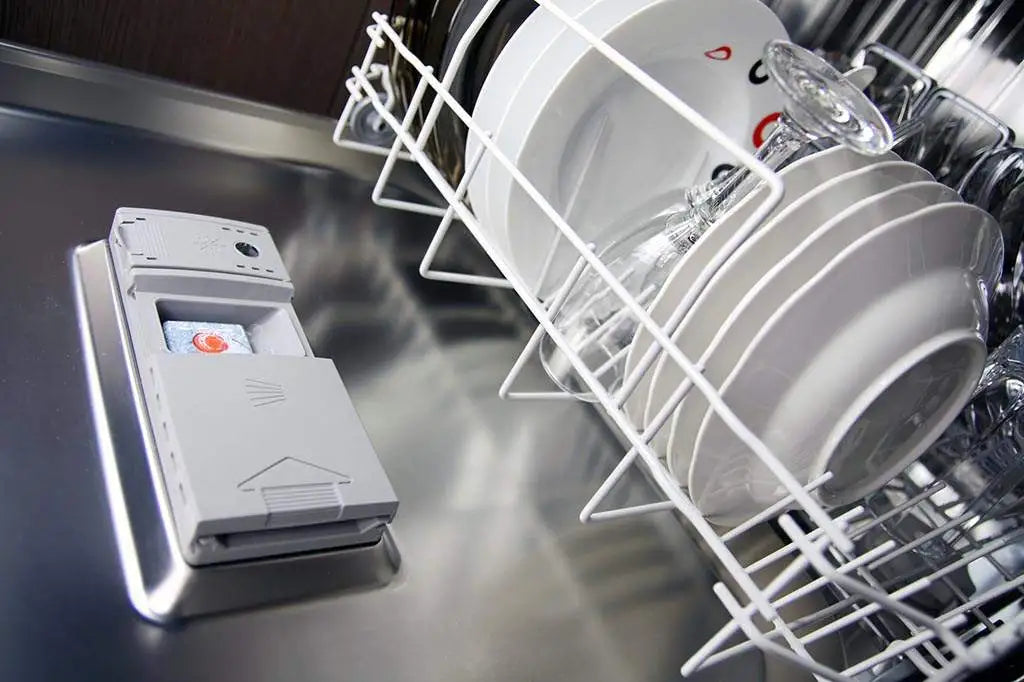
If you have a septic tank at home, you might wonder if it’s safe to add a dishwasher to your kitchen setup. You’re not alone in this curiosity, and the good news is, you’re about to find out.
Imagine the convenience of a dishwasher without the worry of damaging your septic system. Yes, it’s possible! By reading further, you’ll uncover simple tips and essential insights that make this combination not only feasible but also efficient. You’ll learn how to keep your septic tank healthy and enjoy the luxury of a dishwasher.
This isn’t just about convenience; it’s about making informed decisions that benefit both your home and the environment. Keep reading, and discover how you can have the best of both worlds.

Credit: www.plumbingforums.com
Dishwashers And Septic Systems
Understanding how dishwashers interact with septic systems is essential if you rely on a septic tank at home. Many homeowners worry about whether running a dishwasher could harm their septic system or cause costly repairs. Let’s break down how these two work together and what you should keep in mind to protect your septic tank.
How Septic Tanks Work
Your septic tank is an underground container that holds wastewater from your home. It separates solids from liquids, allowing the solids to settle at the bottom while the liquid flows out to a drain field. Bacteria inside the tank naturally break down the solid waste, helping to prevent clogs and backups.
Septic systems need balance. Too much water or harsh chemicals can disrupt the bacteria that keep the system healthy. This balance is crucial for your septic tank to function properly and avoid expensive maintenance.
Dishwasher Water Impact
Dishwashers send both water and detergent into your septic system. The volume of water is usually manageable, but frequent or large loads can overload your tank. This can push solids into the drain field, leading to blockages or system failure.
Detergents matter, too. Some dishwasher soaps contain chemicals that harm the beneficial bacteria in your septic tank. Choosing septic-safe detergents helps maintain bacterial health and keeps your system working well.
- Run full dishwasher loads to reduce water volume.
- Use detergents labeled as safe for septic systems.
- Avoid harsh chemicals that can kill septic bacteria.
- Regularly inspect and pump your septic tank as needed.
Have you ever noticed slow drains after running your dishwasher? That might be a sign your septic system is struggling with the extra load. Paying attention to these details can save you from costly repairs down the road.

Credit: www.angi.com
Benefits Of Using A Dishwasher With A Septic Tank
Using a dishwasher with a septic tank can offer several surprising advantages. Many worry that dishwashers might harm their septic system, but the right choices can actually benefit both your household and your septic tank’s health. Let’s look at some practical benefits you might not have considered.
Water Efficiency
Dishwashers today use significantly less water than washing dishes by hand. Most modern models consume about 3 to 5 gallons per cycle, whereas hand washing can use up to 20 gallons.
This difference adds up quickly, especially if you run your dishwasher daily. Saving water means less strain on your septic tank, which can prolong its lifespan and reduce the risk of costly repairs.
Reduced Wastewater Load
Dishwashers are designed to break down food particles before releasing water into your septic system. This means less solid waste enters the tank, which helps prevent clogs and buildup.
Plus, many dishwashers have filters and grinders that reduce the size of food debris. By lowering the amount of solids, you help maintain a balanced and efficient septic system.
Potential Risks And Concerns
Using a dishwasher with a septic tank requires careful thought about possible risks. The septic system relies on bacteria to break down waste. Certain dishwasher elements can harm these bacteria or clog the tank. Understanding these risks helps protect the septic system’s health and function.
Chemical Effects On Septic Bacteria
Dishwasher detergents contain chemicals that may kill helpful bacteria in the septic tank. These bacteria are essential for breaking down organic waste. Harsh chemicals can disrupt this natural process. Over time, this can cause solids to build up faster in the tank.
Using septic-safe or biodegradable detergents reduces harm to bacteria. Avoid detergents with bleach, chlorine, or antibacterial agents. These ingredients can slow down waste decomposition. Maintaining healthy bacteria keeps the septic system working well.
Grease And Food Particles Issues
Dishwashers often rinse grease and food particles into the septic system. Grease can solidify and block pipes or the drain field. Food particles increase the solid waste in the tank, leading to more frequent pump-outs.
Filters and proper dishwasher use help limit grease and food waste. Scraping plates before loading reduces solid buildup. Regular septic tank inspections prevent serious clogging problems.
Best Practices For Dishwasher Use
Using a dishwasher with a septic tank requires some care to keep your system running smoothly. You want to protect your septic tank from harmful chemicals and avoid issues like clogs or backups. Adopting the right habits can make a big difference in how well your septic system handles dishwasher waste.
Choosing Septic-safe Detergents
Not all dishwasher detergents are safe for septic tanks. Many contain harsh chemicals that kill the beneficial bacteria your septic system needs to break down waste. Look for detergents labeled “septic-safe” or “biodegradable” to protect your tank’s natural balance.
Consider using powder detergents instead of gels or pods. Powders often have fewer additives and can be easier to dose correctly. Ask yourself: does the detergent break down naturally without harming the bacteria in your septic tank?
Here are some tips for choosing the right detergent:
- Check ingredient lists for phosphates or chlorine, which are harmful to septic systems.
- Choose eco-friendly brands that advertise septic safety.
- Test a new detergent on a small cycle to see if it affects your septic system’s performance.
Regular Maintenance Tips
Keeping your dishwasher and septic tank in good shape means regular maintenance is key. You should clean the dishwasher filter and run a cleaning cycle every few weeks to prevent buildup that could cause blockages.
Don’t ignore your septic tank—schedule pumping every 3 to 5 years, or as recommended based on your household size. If you notice slow drains or odors, it might be time to call a professional before problems worsen.
Simple habits help too:
- Run your dishwasher only when it’s full to reduce water flow to the septic tank.
- Avoid pouring grease or large food scraps into the dishwasher.
- Use cold water instead of hot to conserve energy and avoid killing septic bacteria.
Are you paying attention to these small details? They can save you from costly repairs and keep your septic tank healthy for years.
Alternatives And Additional Solutions
If you’re managing a septic tank and want to keep your dishwasher, there are smart alternatives and solutions that can help protect your system without giving up convenience. These options focus on reducing strain on your septic tank while maintaining cleanliness in your kitchen. Understanding these alternatives can save you from costly repairs and ensure your system runs smoothly.
Garbage Disposals And Septic Tanks
Garbage disposals can be tricky when you have a septic tank. They add extra solid waste that your system must break down, which can overwhelm it. However, if you choose to install one, consider a model designed specifically for septic systems.
These specialized disposals grind waste into finer particles, helping your tank process it more easily. Also, regular use of bacterial additives can boost your tank’s ability to break down solids. Have you checked if your disposal’s user manual mentions septic compatibility?
Water Softening And Filtration
Hard water can cause soap scum buildup that clogs pipes and harms your septic system. Installing a water softener can reduce mineral deposits and make cleaning easier. This not only benefits your dishwasher’s performance but also protects your plumbing and septic tank.
Filtration systems further improve water quality by removing sediments and impurities before they enter your septic tank. Cleaner water means less stress on your system and fewer blockages. Could your home benefit from adding a water softener or filter to extend the life of your septic tank?

Credit: www.adt.com
Frequently Asked Questions
Can A Dishwasher Harm My Septic Tank System?
A dishwasher can be safe for a septic tank if used properly. Use septic-safe detergents and avoid overloading the machine. Regular maintenance of your septic system ensures it handles dishwasher waste efficiently without damage.
What Detergents Are Safe For Septic Tanks?
Septic-safe detergents are biodegradable and free from harsh chemicals like bleach and phosphates. These detergents help maintain the bacterial balance in your septic tank, preventing system clogs and damage.
How Often Should Septic Tanks Be Pumped With A Dishwasher?
Septic tanks should be pumped every 3 to 5 years, depending on usage. Using a dishwasher may increase water and waste flow, so monitor your tank’s condition and adjust pumping frequency accordingly.
Does Dishwasher Water Affect Septic Tank Bacteria?
Dishwasher water can affect septic bacteria if it contains harmful chemicals or excessive grease. Using septic-safe detergents and avoiding grease buildup ensures the bacteria remain healthy and the system functions well.
Conclusion
Dishwashers can work with septic tanks if you take care. Use septic-safe detergents to protect your system. Avoid pouring grease or harsh chemicals down the drain. Regular tank maintenance helps keep everything running smoothly. Small changes make a big difference for your septic tank.
Choose wisely, and your dishwasher won’t harm your septic system. Simple steps ensure clean dishes and a healthy tank. Keep your home safe and your appliances working well. It’s all about balance and good habits.