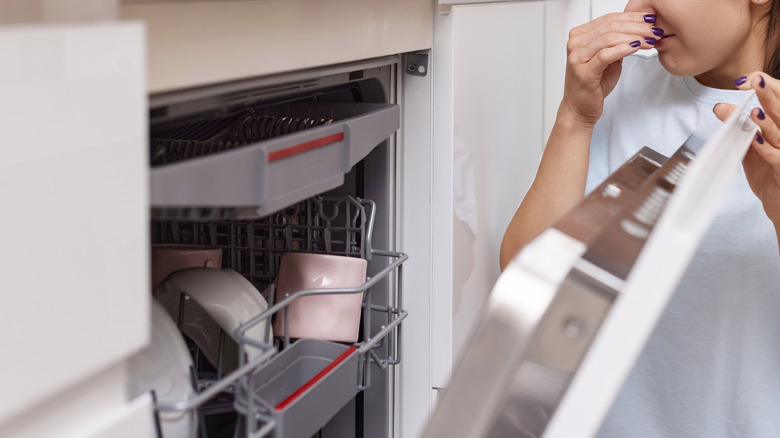
Have you ever pulled your dishes out of the dishwasher, expecting them to be fresh and clean, only to be greeted by the lingering smell of detergent? It’s a frustrating experience, and you’re not alone.
The last thing you want is to serve your delicious meal on plates that smell like chemicals. This common issue can leave you questioning the effectiveness of your dishwasher and the safety of your dishes. But don’t worry; you’re about to discover the reasons behind this problem and the simple solutions that can make a world of difference.
Understanding why your dishes smell like detergent is the first step to ensuring that every meal is not only tasty but also free from unwanted odors. Stick around to find out how you can solve this issue once and for all.

Credit: www.fourseasonsheatingcooling.com
Common Causes Of Detergent Smell
Noticing a strong detergent smell on your dishes can be frustrating. It usually signals something off in the washing process. Understanding the common causes helps you fix the issue and enjoy fresh-smelling dishes every time.
Excess Detergent Use
Using too much detergent doesn’t clean better—it often leaves a residue that clings to your dishes. You might think more soap equals cleaner plates, but it just causes a buildup of that overpowering scent. Try reducing the amount and see if your dishes come out smelling fresher.
Residue Buildup
Residue buildup inside your dishwasher is a silent culprit. Over time, leftover detergent and food particles can form a layer that traps the detergent smell. Regularly cleaning your dishwasher’s filter and interior can prevent this problem and keep odors at bay.
Improper Rinsing
Rinsing is crucial to wash away detergent completely. If your dishwasher doesn’t rinse properly, detergent stays on the dishes, causing that strong smell. Check if the spray arms are blocked or if the rinse cycle is set too short—both can affect rinsing quality.
Low Water Temperature
Water that’s not hot enough can prevent detergent from dissolving fully. Cold water leaves detergent particles behind, which stick to your dishes and release their scent. Make sure your water heater is set to at least 120°F (49°C) for effective cleaning.

Credit: www.affresh.com
Identifying Dishwasher Issues
Noticing a strong dishwasher detergent smell on your dishes can be frustrating. It often signals that your dishwasher isn’t working as it should. Identifying the root cause helps you fix the problem before it affects your kitchen routine.
Clogged Spray Arms
Spray arms are responsible for distributing water and detergent evenly inside your dishwasher. Over time, food particles and mineral deposits can clog the tiny holes, reducing water flow. This blockage traps detergent residue, leaving your dishes with a harsh chemical smell.
Try removing the spray arms and rinsing them under running water. Use a toothpick or small brush to clear out stubborn clogs. Have you checked if your spray arms spin freely? If not, that’s a sign they need cleaning or replacement.
Blocked Filters
Filters catch leftover food and debris to prevent them from redepositing on your dishes. When these filters get blocked, water circulation is impaired. This can cause detergent to linger on your dishes, creating an unpleasant smell.
Regularly remove and clean your dishwasher filter under warm water. Inspect it for trapped particles or grease build-up. How often do you clean your filter? Making it part of your routine can eliminate lingering detergent odors.
Malfunctioning Drain
Your dishwasher’s drain carries away dirty water after each cycle. If it’s malfunctioning or clogged, dirty water remains inside, mixing with detergent. This leads to a buildup of residues that cause your dishes to smell odd.
Listen for unusual gurgling sounds during drainage or notice water pooling inside. These signs suggest a drain problem. Clearing the drain hose or checking the drain pump can restore proper drainage and fresh-smelling dishes.
Hard Water Effects
Hard water contains minerals like calcium and magnesium that interfere with dishwasher performance. These minerals can react with detergent, leaving a powdery residue and a strong chemical odor on dishes. You might notice cloudy or spotted dishes as well.
Consider using a water softener or a dishwasher detergent designed for hard water. Have you tried vinegar rinses to reduce mineral buildup? Tackling hard water can significantly improve how your dishes smell and look after washing.
Effective Cleaning Techniques
Effective cleaning techniques help remove detergent smells from your dishes. Proper care keeps your dishwasher running well. Clean dishes should smell fresh, not like detergent. Follow these steps to improve your dishwasher’s performance.
Running Empty Cycles
Run an empty cycle with hot water to clear detergent buildup. This flushes out leftover soap and debris inside the machine. It helps avoid strong detergent smells on dishes. Use the hottest setting for better results.
Using Vinegar And Baking Soda
Vinegar and baking soda clean and deodorize your dishwasher naturally. Sprinkle baking soda on the bottom, then add a cup of vinegar in the detergent cup. Run a hot cycle to remove odors and residue. This combination breaks down detergent buildup and freshens the machine.
Cleaning Filters And Spray Arms
Dirty filters and spray arms reduce cleaning efficiency. Remove and wash filters with warm, soapy water. Clear spray arms from food particles and detergent clogs. Use a toothpick or small brush for blocked holes. Clean parts allow water to spray evenly and rinse dishes well.
Regular Maintenance Tips
- Wipe door seals to prevent mold and residue.
- Check detergent dispenser for clogs or damage.
- Use the right detergent amount, not too much.
- Leave the dishwasher door slightly open after cycles to air out moisture.
- Clean dishwasher exterior regularly to keep it fresh.
Optimizing Detergent Usage
Optimizing your dishwasher detergent usage can make a huge difference in how your dishes smell after a wash. Too much detergent leaves residue, while too little won’t clean properly. Getting the balance right helps your dishes come out fresh and spotless every time.
Measuring Detergent Correctly
Using the right amount of detergent is key. Check your dishwasher’s manual or detergent packaging for recommended quantities. Using a measuring scoop or the dispenser’s fill line ensures you don’t add too much or too little.
I once thought more detergent meant cleaner dishes, but after switching to exact measurements, my dishes smelled much fresher. Have you noticed a difference when you adjust your detergent amount?
Choosing The Right Detergent
Not all detergents are created equal. Some are designed specifically for hard water, while others focus on fragrance or eco-friendliness. Pick one that suits your water type and dishwasher model for better results.
If your dishes consistently smell like detergent, it might be time to try a different brand or formula. Have you experimented with detergents tailored for sensitive noses or fragrance-free options?
Avoiding Detergent Overload
Overloading detergent can cause a strong chemical smell on your dishes. Excess detergent doesn’t rinse off properly, leaving behind an unpleasant odor. It also increases the risk of residue buildup inside your dishwasher.
Try reducing your detergent amount gradually to see if the smell decreases. Are you willing to cut back on detergent to avoid that lingering scent on your plates?
Adjusting Dishwasher Settings
Adjusting your dishwasher settings can have a surprising impact on how your dishes smell after a wash. Sometimes, the detergent scent lingers because the cycle or temperature isn’t quite right. Tweaking these settings can help rinse away detergent better and leave your dishes fresh.
Selecting Proper Wash Cycles
Choosing the right wash cycle matters more than you might think. Some cycles use less water or shorter wash times, which can leave detergent residue behind. If your dishes often smell like detergent, try selecting a longer or heavier wash cycle.
For instance, the “pots and pans” cycle usually uses higher water pressure and longer duration, which helps rinse off detergent completely. Have you noticed your dishwasher’s settings menu? Experiment with different cycles and see which one reduces that detergent smell best.
Increasing Water Temperature
Water temperature plays a big role in how well detergent dissolves and rinses away. If the water is too cool, detergent might not wash off properly, leaving a strong scent on your dishes. Try raising the water temperature to at least 120°F (49°C) for a cleaner rinse.
Many dishwashers allow you to adjust the temperature or have a “sanitize” option that uses hotter water. If you’re unsure about your water heater setting, test it with a thermometer at your kitchen sink. Could your dishwasher’s water be cooler than you expect?
Using Extra Rinse Options
An extra rinse cycle adds an additional wash and rinse phase to your normal cycle. This helps wash away leftover detergent and food particles that cause strong smells. If your dishes often smell like detergent, enabling this option can make a noticeable difference.
Most dishwashers have a simple button for an extra rinse. It uses a bit more water but can be worth it if you want fresher-smelling dishes. Have you tried this feature yet, or is it something you’ve overlooked?

Credit: www.reddit.com
When To Call A Professional
Knowing when to call a professional can save time and prevent damage. Some dishwasher problems need expert help. Trying to fix them alone might worsen the issue. Professionals have the right tools and knowledge to diagnose and fix problems quickly. Here are signs that show it’s time to call a technician.
Persistent Odor Problems
Sometimes, dishwasher detergent smells linger on your dishes despite cleaning efforts. Persistent odors may signal hidden buildup or mold inside the machine. Regular cleaning might not reach all parts. Professionals can perform a deep clean and check for blocked drains or filters. They ensure the dishwasher smells fresh and your dishes come out clean.
Mechanical Failures
Strange noises, water leaks, or poor washing results often point to mechanical issues. Faulty spray arms, broken seals, or malfunctioning pumps affect dishwasher performance. These problems require technical repair or part replacement. Calling a professional avoids further damage and restores your dishwasher’s function efficiently.
Water Quality Concerns
Hard water or mineral deposits can cause detergent residue and odors on dishes. Water quality impacts how well your dishwasher cleans. A professional can test your water and recommend solutions like water softeners or special detergents. Addressing water quality improves cleaning and protects your dishwasher over time.
Frequently Asked Questions
Why Do My Dishes Smell Like Dishwasher Detergent?
Dishes smell like detergent when residue is left after washing. Using too much detergent or a low-quality brand causes this. Also, not rinsing properly or a clogged dishwasher can trap detergent smell on dishes.
Can Detergent Smell Linger If I Use Too Much?
Yes, excess detergent often leaves a strong chemical smell on dishes. Using the recommended amount ensures proper cleaning without leftover scent. Always measure detergent carefully to avoid residue and odors.
Does Dishwasher Type Affect Detergent Smell On Dishes?
Yes, older or malfunctioning dishwashers may not rinse detergent thoroughly. Modern machines use better cycles for complete detergent removal. Regular maintenance ensures your dishwasher works efficiently, preventing lingering detergent odors.
How To Remove Detergent Smell From Dishes?
Rinse dishes well with hot water after the wash cycle. Run an empty cycle with vinegar to clean your dishwasher. Avoid overusing detergent and choose a mild, quality detergent to reduce smell.
Conclusion
A strong detergent smell on dishes can be common after washing. Too much detergent or not rinsing well causes this issue. Running an extra rinse cycle often helps remove the scent. Using the right amount of detergent keeps dishes fresh and clean.
Regular dishwasher cleaning also prevents detergent buildup. Pay attention to your dishwasher’s settings and detergent type. Clean, odor-free dishes make mealtime more enjoyable. Simple steps can solve the problem quickly and easily. Your dishes should smell clean, not like detergent.