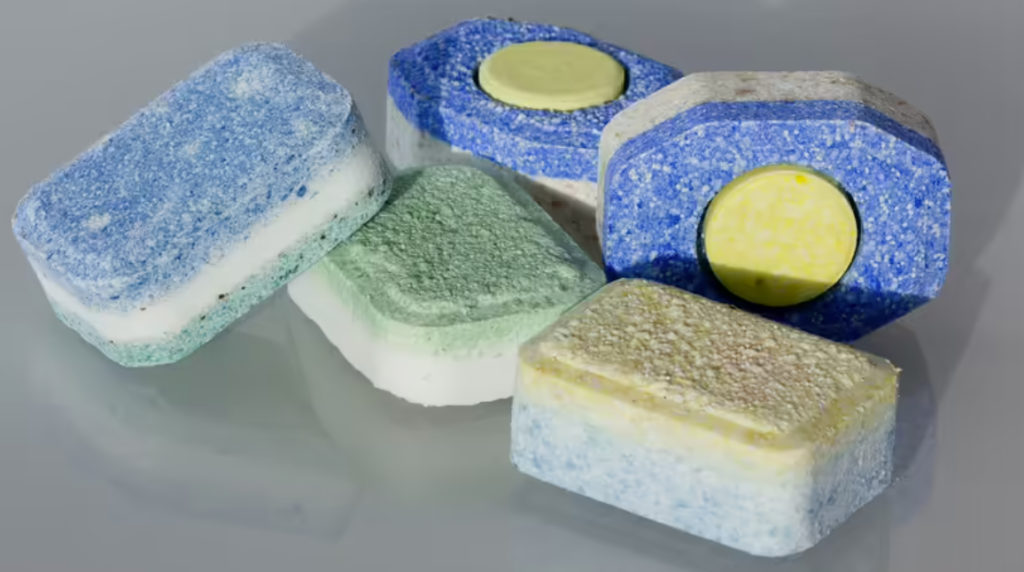
Have you ever glanced at that bottle of dishwashing soap sitting on your kitchen counter and wondered, “Does dishwashing soap expire?” It’s a question that may not cross your mind often, but it’s one that deserves your attention.
After all, you’re using it to clean the plates, glasses, and utensils that you and your family eat from every day. Understanding whether dishwashing soap has a shelf life can impact both your wallet and your health. Imagine saving money by knowing when to replace it or preventing any potential hygiene issues.
Keep reading to uncover the truth about your dishwashing soap and ensure you’re making the best choices for your household.
Credit: seekbamboo.com
Shelf Life Of Dishwashing Soap
Understanding the shelf life of dishwashing soap is key to getting the best cleaning results and avoiding waste. While it might seem like a product you can store indefinitely, dish soap does have a lifespan. Knowing how long it lasts helps you decide when to toss that old bottle and grab a fresh one.
Typical Expiration Period
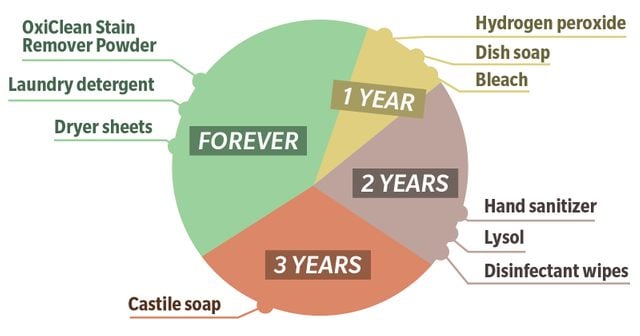
Most dishwashing soaps come with a shelf life of about 1 to 3 years. This range depends on the brand and formula, but unopened bottles usually last longer than opened ones. Once you start using the soap, its effectiveness can decline within a year, especially if not stored properly.
Have you ever noticed your dish soap not lathering well or smelling different after a long time? That’s a sign it might be past its prime.
Factors Affecting Longevity
Several factors can shorten or extend the life of your dishwashing soap. Exposure to heat, direct sunlight, and moisture can break down the ingredients faster.
- Storage conditions:Keeping soap in a cool, dry place helps maintain its quality.
- Container seal:Bottles that aren’t tightly closed invite air and bacteria, reducing shelf life.
- Formula type:Natural or eco-friendly soaps often have fewer preservatives, so they expire sooner.
Think about where you keep your dish soap. Is it near the sink with steam constantly rising? That environment can speed up its breakdown.

Credit: www.finish.co.uk
Signs Soap Has Gone Bad
Dishwashing soap can lose its quality over time. Knowing the signs that soap has gone bad helps avoid poor cleaning results. Watch for changes in smell, texture, and how well the soap works. These clues tell you if it’s time to get new soap.
Changes In Smell
Fresh dish soap usually has a clean, pleasant scent. A strong or sour odor means the soap may be spoiled. A bad smell happens as the ingredients break down over time. If the soap smells off, it’s best not to use it.
Texture And Appearance
Soap that has expired may look different. It can become thick, clumpy, or separate into layers. You might see color changes or cloudiness too. These signs show the soap is no longer fresh and might not clean well.
Effectiveness Loss
Old dish soap might not remove grease or dirt properly. You may notice that dishes stay oily or dirty after washing. Soap that fails to foam or rinse well has likely lost its cleaning power. Using fresh soap ensures your dishes come out clean.
Storage Tips To Extend Soap Life
Proper storage helps keep dishwashing soap effective for a longer time. It prevents changes in texture and smell. Storing soap right saves money and reduces waste.
Ideal Temperature And Environment
Keep soap in a cool place, away from heat. High temperatures can break down soap ingredients. Avoid direct sunlight, which speeds up deterioration. A dry environment stops moisture from affecting the soap. Bathrooms or kitchens near stoves are not good spots.
Proper Container Use
Store soap in its original container if possible. Tight lids stop air and dirt from entering. Use containers made of plastic or glass, not metal. Metal can rust and spoil the soap. If transferring soap, clean the new container first. Label the container with the purchase date for tracking.
Risks Of Using Expired Dish Soap
Using expired dish soap might seem harmless at first, but it can lead to several unexpected issues. The risks go beyond just a weaker clean; they can affect your health and the safety of your dishes. Understanding these risks can help you decide when it’s time to toss that old bottle and get a fresh one.
Health And Safety Concerns
Expired dish soap can break down chemically, causing its ingredients to separate or degrade. This change can lead to skin irritation or allergic reactions, especially if you have sensitive skin. Have you ever noticed a strange smell or unusual texture in your dish soap? That’s often a sign it’s past its prime and could be unsafe to use.
Moreover, old soap may not effectively kill bacteria and germs on your dishes. This can leave harmful microorganisms behind, increasing the risk of foodborne illnesses. Is your dish soap really protecting your family if it’s expired?
Impact On Cleaning Performance
As dish soap ages, it loses its ability to create suds and break down grease effectively. This means you might find yourself scrubbing harder or using more soap than necessary. Have you ever had to wash the same dish twice because your soap just wasn’t cutting it?
Expired soap can also leave residues or film on your dishes, making them look dull instead of sparkling clean. This residue can be unpleasant and may even affect the taste of your food. Using fresh soap ensures your dishes come out spotless and safe to use.
Eco-friendly Disposal Methods
Disposing of dishwashing soap responsibly helps protect the environment and reduces unnecessary waste. Eco-friendly disposal methods not only prevent harmful chemicals from entering water systems but also encourage creative reuse. Are you curious about how to handle old or expired soap without harming the planet?
Safe Ways To Dispose Of Old Soap
Pour leftover dishwashing soap into your sink with running water to dilute it before it goes down the drain. This method minimizes concentrated chemical buildup in your pipes and local waterways.
If you have a large amount, check if your local waste management facility accepts liquid household cleaners. Some areas offer special hazardous waste collection days that safely handle such products.
Never throw dish soap directly into the trash without diluting it, as it can leak into soil and harm wildlife. Instead, mix soap with water in a sealed container before disposal to reduce environmental impact.
Recycling And Repurposing Ideas
Old dish soap can serve multiple new purposes around your home. Try mixing it with water to create a gentle weed killer for your garden—just spray it on unwanted plants carefully.
You can also use diluted soap as a cleaning solution for outdoor furniture or car tires. This extends the life of the soap while reducing the need to buy separate products.
- Mix soap with baking soda to form a scrub for tough stains.
- Use leftover soap water for soaking paintbrushes to prevent drying.
- Create a bubble solution for kids’ outdoor play, turning waste into fun.
Have you ever tried turning household waste into something useful? These ideas not only save money but also reduce your carbon footprint one small step at a time.
Credit: www.rd.com
Frequently Asked Questions
Does Dishwashing Soap Have An Expiration Date?
Yes, dishwashing soap usually has an expiration date. Most brands last about 1 to 3 years unopened. Over time, ingredients may lose effectiveness.
How Can I Tell If Dish Soap Expired?
Expired dish soap may separate, thicken, or lose scent. It might also become less foamy. If the texture or smell changes, it’s likely expired.
Can Expired Dish Soap Harm My Dishes Or Skin?
Expired soap is generally safe but less effective at cleaning. It may irritate sensitive skin due to ingredient breakdown. It’s best to replace old soap for safety.
Does Storing Dish Soap Properly Extend Its Lifespan?
Yes, storing dish soap in a cool, dry place away from sunlight helps preserve its quality and effectiveness longer.
Conclusion
Dishwashing soap does have a shelf life, but it lasts a long time. Over time, its cleaning power may weaken slightly. Using old soap won’t harm you, but it may not clean well. Store soap in a cool, dry place to keep it fresh.
Check the bottle for any changes in color or smell. Toss the soap if it looks or smells strange. Clean dishes best with fresh soap. Simple care keeps your soap ready when you need it.