Are you curious about how much water your Bosch dishwasher actually uses? You’re not alone.
With increasing awareness about water conservation and efficiency, understanding your appliance’s water consumption is more important than ever. Imagine saving money on your utility bills while also doing your part for the environment. You’ll uncover the precise water usage of Bosch dishwashers, and learn how this information can lead to smarter choices and savings in your home.
Stay with us as we dive into the specifics, so you can make informed decisions that benefit both your wallet and the planet.
Bosch Dishwasher Water Usage
Understanding Bosch dishwasher water usage helps save water and reduce bills. Bosch models are known for efficiency. They use water smartly without losing cleaning power.
Knowing how much water a Bosch dishwasher uses guides your choices. It also shows how technology controls water flow. This keeps your dishes clean while saving resources.
Average Water Consumption Per Cycle
Most Bosch dishwashers use between 3 to 5 gallons of water per cycle. Newer models tend to be closer to 3 gallons. Older or larger models may use a bit more.
Using less water means less waste and lower utility bills. Bosch uses sensors to adjust water use based on load size and dirt level.
Factors Affecting Water Use
- Cycle Type: Heavy or intensive cycles use more water than quick or eco cycles.
- Load Size: Full loads use water more efficiently than small loads.
- Soil Level: Dishes with heavy dirt require more water and longer rinses.
- Model Features: Some Bosch models include water-saving technology that adjusts flow.
Choosing the right cycle and filling the dishwasher properly helps reduce water use. Bosch’s smart sensors play a big role in saving water during every wash.

Credit: www.homedepot.com
Water Efficiency Features
Bosch dishwashers include smart water efficiency features to reduce water use. These features help save water without losing cleaning power. They adjust water usage based on the load and dirt level. This leads to less water waste and lower bills. Understanding these features shows how Bosch dishwashers balance cleaning and water savings.
Ecowash Mode Benefits
EcoWash mode uses less water and energy than regular cycles. It runs longer but with lower water pressure. This saves water while cleaning dishes well. The mode suits lightly soiled dishes. It reduces water use by recycling water during the cycle. EcoWash helps households cut water consumption without extra effort.
Sensor Technology Role
Bosch dishwashers use sensors to detect dirt levels on dishes. Sensors adjust water volume and cycle time automatically. This avoids using more water than needed. Sensors also check water clarity to decide if more rinsing is required. This precise control prevents water waste. The technology ensures efficient cleaning while conserving water.
Comparing Bosch With Other Brands
Understanding how Bosch dishwashers compare to other brands in water usage can help you make smarter choices for your home and wallet. Different brands focus on various technologies, which impacts their efficiency and overall water consumption. Let’s break down these differences so you can see what fits your needs best.
Water Usage Differences
Bosch dishwashers typically use about 2.5 to 3.5 gallons of water per cycle. This is quite efficient compared to many other brands that may use 4 to 6 gallons per cycle. For example, some older or budget models from other manufacturers tend to consume more water, which can add up quickly if you run your dishwasher daily.
You might wonder why Bosch manages lower water use. It’s largely due to their advanced spray arm design and soil sensors that adjust water usage based on how dirty your dishes are. This means you don’t waste water on lightly soiled dishes.
Efficiency Ratings Explained
Efficiency ratings like ENERGY STAR give you a clear picture of a dishwasher’s water and energy use. Bosch models often receive high marks here because they meet strict criteria for water savings and energy consumption.
Other brands might meet ENERGY STAR standards but often at higher water usage levels. This can be confusing, so looking beyond just the rating to the actual gallons per cycle helps you understand real savings.
Ask yourself: Would you prefer a dishwasher that adjusts water based on your load or one that uses a fixed amount regardless? Paying attention to these details changes your long-term water bills and environmental impact.

Credit: www.idlershome.com
Tips To Save Water With Bosch Dishwashers
Saving water with your Bosch dishwasher not only helps the environment but also cuts down your utility bills. Small changes in how you use your machine can make a big difference in water consumption. Here are some practical tips to get the most out of your dishwasher while using less water.
Optimal Loading Techniques
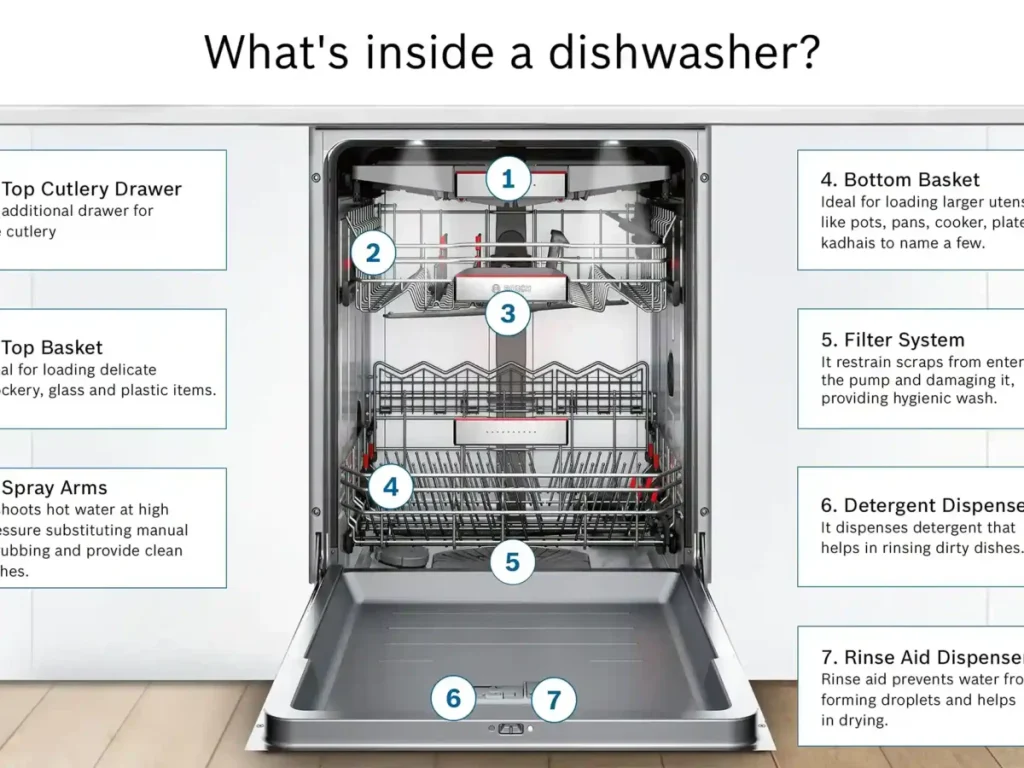
Loading your dishwasher properly ensures every cycle uses water efficiently. Avoid overcrowding; dishes need space for water to reach all surfaces. Place larger items like pots and pans on the bottom rack and smaller items on the top to maximize water flow.
Have you ever noticed spots or leftover food after a wash? That’s often a sign of poor loading. Make sure no items block the spray arms, and arrange dishes to face the water jets for a thorough clean.
Selecting The Right Cycle
Choosing the correct wash cycle can save gallons of water each time you run your Bosch dishwasher. Use eco or quick wash cycles for lightly soiled dishes—they use less water and energy. Heavy or intensive cycles should be reserved for very dirty pots and pans.
Think about your daily dishwashing needs. Are your dishes really dirty enough for a long cycle, or will a shorter one do the job? Selecting the right cycle means you avoid wasting water on unnecessary cleaning.
Maintenance For Efficiency
Keeping your Bosch dishwasher in good shape helps maintain its water-saving performance. Regularly clean the filter to prevent clogs that force the machine to use more water. Also, check and clean spray arms to ensure water flows freely and reaches every dish.
Have you checked your dishwasher’s seals and hoses lately? Leaks can waste water quietly and increase your bills. Routine maintenance keeps your dishwasher working efficiently and conserves water over time.
Environmental Impact Of Water Savings
Water savings from Bosch dishwashers play a key role in protecting the environment. Using less water reduces the strain on natural water sources. It also lowers energy use, as less water needs heating. These savings help households reduce their overall environmental footprint.
Reducing Household Water Footprint
Bosch dishwashers use advanced technology to cut water use. They often use less water than hand washing. This means less water waste in daily chores. Households can save hundreds of gallons of water each year. Saving water also means reducing the energy needed to pump and heat it. This lowers utility bills and helps the planet.
Long-term Benefits
Using less water today protects supplies for tomorrow. Conserving water helps maintain healthy rivers and lakes. It supports wildlife that depends on these habitats. Over time, water savings reduce the demand on municipal water systems. This leads to fewer water shortages and better water quality. Choosing efficient appliances like Bosch dishwashers supports a sustainable future.

Credit: issuu.com
Frequently Asked Questions
How Much Water Does A Bosch Dishwasher Use Per Cycle?
A Bosch dishwasher typically uses between 2. 5 to 4 gallons of water per cycle. This efficient usage helps save water compared to hand washing dishes. The exact amount depends on the model and selected wash cycle, promoting eco-friendly cleaning.
Are Bosch Dishwashers More Water-efficient Than Others?
Yes, Bosch dishwashers are known for their water efficiency. Many models meet or exceed ENERGY STAR standards, using less water than average dishwashers. They optimize water use with advanced sensors and cycle options, reducing water waste while maintaining cleaning performance.
Can Bosch Dishwasher Water Usage Be Adjusted?
Yes, Bosch dishwashers offer cycle options that affect water usage. Eco and light wash cycles use less water, ideal for lightly soiled dishes. Heavy or intensive cycles use more water for tougher cleaning, allowing users to balance efficiency and performance.
How Does Bosch Dishwasher Water Use Compare To Hand Washing?
Bosch dishwashers use significantly less water than hand washing. Hand washing can use up to 27 gallons per session, while Bosch models typically use under 4 gallons. This makes Bosch dishwashers a water-saving choice for households.
Conclusion
Bosch dishwashers use water efficiently to save your resources. On average, they use about 3 to 5 gallons per cycle. This amount helps clean dishes well without wasting water. Choosing Bosch means you get good cleaning with less water use.
Saving water also means lowering your bills. Small changes like this help the environment too. Think about water use when buying appliances. It matters more than many people realize. Bosch dishwashers offer a smart balance of cleaning power and water savings.
A simple choice that benefits you and the planet.