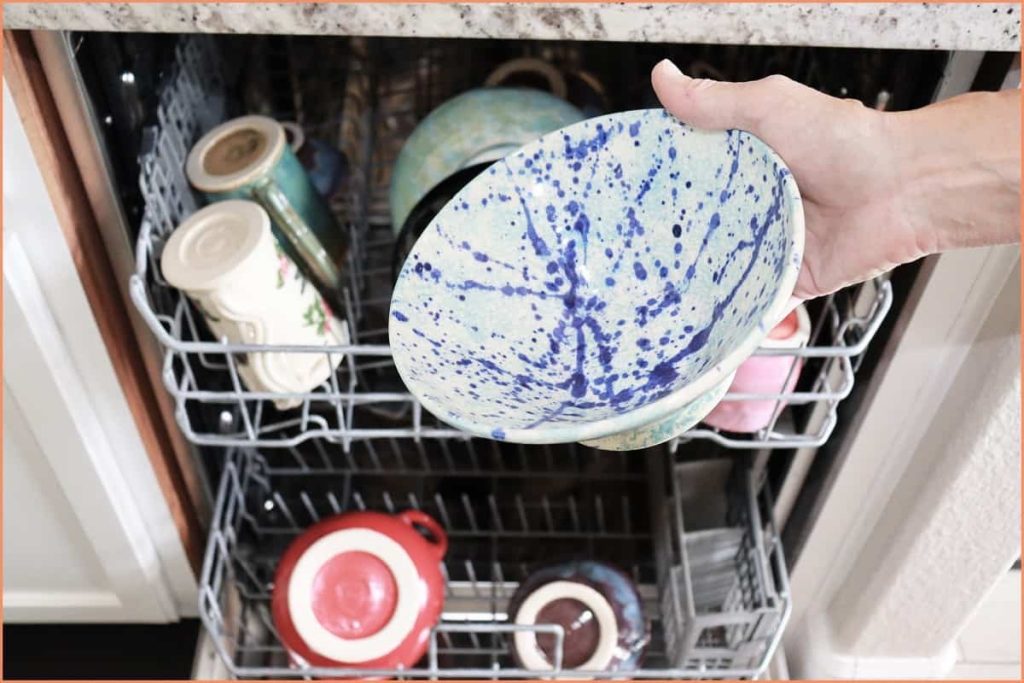
Are you standing in your kitchen, staring at your beautiful ceramic dishes and wondering if it’s safe to pop them into the dishwasher? You’re not alone.
Many people face the same dilemma, unsure if their ceramic pieces will withstand the intense wash cycle or if they’re destined for handwashing. This is more than just a question of convenience; it’s about preserving your cherished items and making the most of your time.
Imagine the peace of mind you’ll have knowing exactly how to care for your ceramics without the risk of damage. Dive into this article to uncover the secrets of safely cleaning your ceramic pieces and ensure they remain as stunning as the day you bought them. Your answer—and perhaps a few surprises—await!
Ceramic Basics
Ceramics are a popular choice for dinnerware and kitchenware due to their durability and aesthetic appeal. But before you decide to toss your ceramic pieces into the dishwasher, it’s important to understand what ceramics really are. Knowing the basics helps you protect your items and keep them looking new for longer.
Types Of Ceramic
Ceramics come in several types, each with different qualities and care needs. Here are the main categories:
- Earthenware:This is the most porous and least durable type. It’s often glazed to make it water-resistant but can chip easily.
- Stoneware:Denser and more durable than earthenware. It’s fired at higher temperatures, making it less porous and more resistant to chipping.
- Porcelain:Known for its strength and translucency. Porcelain is fired at very high temperatures, resulting in a smooth, non-porous surface.
Recognizing the type of ceramic you have can guide you on whether it’s dishwasher safe or needs hand washing.
Properties Of Ceramic
Ceramics are made from natural clay and minerals, then fired at high temperatures. This process gives them their hardness and heat resistance. However, ceramics can still be fragile when exposed to sudden temperature changes or harsh chemicals.
Many ceramics have a glaze layer, which adds shine and protection. But this glaze can crack or wear off over time, especially if exposed to abrasive dishwasher detergents.
Have you noticed small cracks or dull spots on your ceramic dishes after dishwasher cycles? These are signs that the dishwasher might be too harsh for your particular ceramic type.
Dishwasher Safety
Dishwasher safety is a key concern when deciding whether to put ceramic items in the dishwasher. You want to keep your ceramics looking great without risking cracks, fading, or other damage. Understanding how dishwashers affect ceramics can help you make smarter choices for cleaning your favorite dishes and decorations.
Heat And Water Impact
High heat inside the dishwasher can weaken ceramic glazes over time. Repeated exposure to hot water cycles may cause tiny cracks known as crazing, which can ruin the look and strength of your ceramics.
Think about your own experience: Have you ever noticed a once-shiny plate looking dull or cracked after several washes? That’s the heat and water at work.
Using the dishwasher’s gentle cycle or air-drying can reduce this risk. If your ceramic has delicate hand-painted designs, consider hand washing instead to preserve the artwork.
Detergent Effects
Dishwasher detergents contain strong chemicals designed to remove tough food stains. These chemicals can erode ceramic glazes and dull colorful patterns over time.
Have you seen how harsh detergents can leave your mugs looking faded after a few cycles? That’s a sign the detergent is too abrasive for your ceramics.
To protect your ceramics, choose mild detergents labeled safe for delicate items. Alternatively, you can skip detergent altogether when washing lightly soiled ceramics.
Dishwasher-friendly Ceramics
Not all ceramics are created equal when it comes to dishwasher safety. Some types can handle the heat and water pressure without damage, while others might chip or fade. Knowing which ceramics are dishwasher-friendly helps you protect your favorite dishes and save time on cleanup.
Glazed Ceramics
Glazed ceramics have a smooth, glass-like coating that seals the porous surface underneath. This glaze makes them more resistant to water and stains, allowing many glazed pieces to survive dishwasher cycles well.
However, the quality of the glaze matters. Poorly applied or thin glazes can crack or wear away after repeated washes. If your glazed ceramics have hand-painted designs, check if the paint is dishwasher-safe to avoid fading.
Think about your own dishes—do they have a shiny surface that feels smooth and hard? Those are good candidates for the dishwasher. If you’re unsure, test with a gentle cycle first to see how they hold up.
Stoneware And Porcelain
Stoneware and porcelain are known for their durability, making them popular choices for everyday use. Both materials are fired at high temperatures, which strengthens them and often makes them dishwasher-safe.
Stoneware tends to have a slightly rougher texture but is usually coated with a glaze that protects it during washing. Porcelain, on the other hand, is typically smoother and more refined, often resisting chips and cracks better.
Still, keep in mind that sudden temperature changes in the dishwasher can sometimes cause cracks. To avoid this, place stoneware and porcelain items on the top rack and use a gentle cycle. Have you noticed any small chips or cracks on your dinnerware? Those are signs to switch to hand washing.

Credit: potterycrafters.com
Ceramics To Avoid In Dishwasher
Not all ceramics are safe to toss into the dishwasher. Some types can get damaged or lose their beauty when exposed to harsh dishwasher cycles. Knowing which ceramics to avoid helps you protect your favorite pieces and keeps them looking great for years.
Hand-painted And Delicate Pieces
Hand-painted ceramics often have delicate designs that can fade or peel off in the dishwasher. The strong water jets and high heat can wear away the paint or cause fine cracks in the glaze.
If you own heirloom plates or cups with intricate artwork, it’s best to wash them by hand. Have you ever noticed how your grandmother’s hand-painted bowl lost its shine after a dishwasher run? That’s why gentle care matters.
Cracked Or Damaged Items
Using the dishwasher on cracked or chipped ceramics can make the damage worse. Water can seep into cracks, causing stains and further weakening the structure.
Before loading your ceramics, inspect them closely. If you spot any damage, hand wash those pieces to avoid turning a small crack into a big problem. How often do you check your dishes for cracks before washing?
Washing Tips For Ceramic
Caring for ceramic items in your dishwasher can be tricky, but with the right approach, you can keep them looking pristine. Ceramic is durable but can chip or fade if not handled properly. Understanding how to load your dishwasher and selecting the appropriate cycle makes all the difference.
Loading Techniques
Place ceramic pieces carefully to avoid knocks and bumps. Avoid overcrowding; give each item enough space so water and detergent reach every surface.
Put heavier ceramics on the bottom rack to prevent lighter ones from shifting during the wash. Use the top rack for delicate or smaller ceramic items.
Think about how water jets hit your dishes. Position ceramics facing downward or at an angle to allow proper cleaning and drainage.
Choosing The Right Cycle
Pick a gentle or delicate cycle to protect your ceramic’s glaze and prevent cracks. High heat and intense water pressure can cause damage over time.
Consider using a shorter cycle if your ceramics are only lightly soiled. This reduces exposure to harsh conditions inside the dishwasher.
Have you noticed your ceramics losing their shine after several washes? Switching to a milder cycle might be the simple fix you need.

Credit: potterycrafters.com
Alternative Cleaning Methods
Alternative cleaning methods help protect ceramic items from damage. Some ceramics lose their shine or crack in dishwashers. Using gentle techniques keeps them safe and lasting longer. Hand washing and spot cleaning remove dirt without harsh effects. These methods suit delicate or valuable ceramics.
Hand Washing Best Practices
Use warm water and mild dish soap for washing ceramics. Avoid hot water that can weaken glaze or cause cracks. Use a soft sponge or cloth to clean surfaces gently. Do not scrub hard or use abrasive pads. Rinse thoroughly with clean water to remove soap. Dry ceramics with a soft towel to prevent water spots. Always handle pieces carefully to avoid chipping or breaking.
Removing Stains And Residue
For stains, make a paste with baking soda and water. Apply paste to the stain and let it sit for 10 minutes. Gently rub with a soft cloth or sponge. Rinse well and dry the ceramic piece. White vinegar also works to remove residue. Soak a cloth in vinegar and wipe the stained area. Avoid harsh chemicals that can damage ceramic finishes. Repeat treatments if necessary but stay gentle.
Maintaining Ceramic Longevity
Caring for your ceramic pieces properly can extend their life and keep them looking fresh. Simple habits in handling, cleaning, and storing make a big difference. You don’t have to be an expert to protect your ceramics; small changes in routine help avoid chips, cracks, and fading over time.
Storage Tips
Store your ceramic items in a stable place where they won’t bump against harder objects. Avoid stacking heavy pieces on top of delicate ones, as this pressure can cause cracks. If space is tight, place soft cloth or felt pads between items to cushion them.
Think about how you arrange your ceramics. Do you have a dedicated shelf or cabinet? Keeping ceramics out of direct sunlight also prevents colors from fading. Try to keep humidity levels steady to avoid moisture damage.
Regular Care Routines
Cleaning ceramics gently is key to maintaining their finish. Use mild soap and warm water instead of harsh detergents or abrasive sponges. Handwashing is usually safer than dishwasher cycles, which can be too rough and cause glaze wear or tiny fractures.
Do you inspect your ceramics regularly? Look for signs of wear or small chips and handle those pieces with extra care. Dry them thoroughly before storing to prevent moisture buildup that weakens the material over time.

Credit: potterycrafters.com
Frequently Asked Questions
Can You Wash Ceramic Dishes In A Dishwasher?
Yes, many ceramic dishes are dishwasher-safe, but check the manufacturer’s label first. Hand-painted or delicate ceramics may get damaged.
Will Dishwasher Damage Ceramic Cookware?
Dishwashers can cause chipping or fading on some ceramics. Use the top rack and gentle cycle for better protection.
How To Clean Ceramic Safely In A Dishwasher?
Place ceramics on the top rack, avoid overcrowding, and use mild detergent. Skip high heat drying to prevent cracks.
Are All Ceramics Dishwasher Safe?
No, not all ceramics are dishwasher safe. Porous or hand-painted ceramics require hand washing to maintain their finish and durability.
Conclusion
Ceramic dishes can go in the dishwasher, but with care. Use a gentle cycle to avoid damage. Avoid crowded racks to prevent chips or cracks. Hand washing is safer for delicate or hand-painted ceramics. Check the manufacturer’s instructions before washing.
Proper cleaning keeps your ceramics looking great longer. Simple steps protect your dishes and save time. Choose the best method for your ceramic items. Safe cleaning means happy dishes every day.