Imagine this: You’ve just picked out the perfect dishwasher, sleek and modern, ready to make your life a whole lot easier. But now you’re faced with a critical question: how much will it actually cost to get it installed?
As you might have guessed, the cost isn’t just the price tag on the machine itself. There are several factors to consider, and understanding these can save you money and prevent headaches down the road. You’ll discover all the elements that influence the installation cost, helping you make an informed decision without any surprise expenses.
Curious to find out how to keep your budget on track while getting the convenience of a dishwasher in your kitchen? Let’s dive in and unravel the mystery of installation costs together.

Credit: www.reddit.com
Dishwasher Installation Basics
Understanding dishwasher installation basics helps you plan costs better. Installing a dishwasher involves several key factors. These include the type of dishwasher, installation needs, and who does the work. Each factor impacts the total price and effort.
Types Of Dishwashers
Dishwashers come in various styles. Built-in models fit under counters and connect to plumbing. Portable dishwashers sit on wheels and plug into sinks. Drawer dishwashers slide out like a drawer and save space. Each type has unique installation needs. Built-in units usually cost more to install due to plumbing and wiring.
Installation Requirements
Installing a dishwasher needs power, water, and drainage access. A nearby water supply and drain line are essential. An electrical outlet must support the dishwasher’s power needs. Sometimes, adjustments to cabinets or plumbing are necessary. Proper leveling ensures dishwasher works correctly and lasts longer. These tasks affect installation time and cost.
Diy Vs Professional Installation
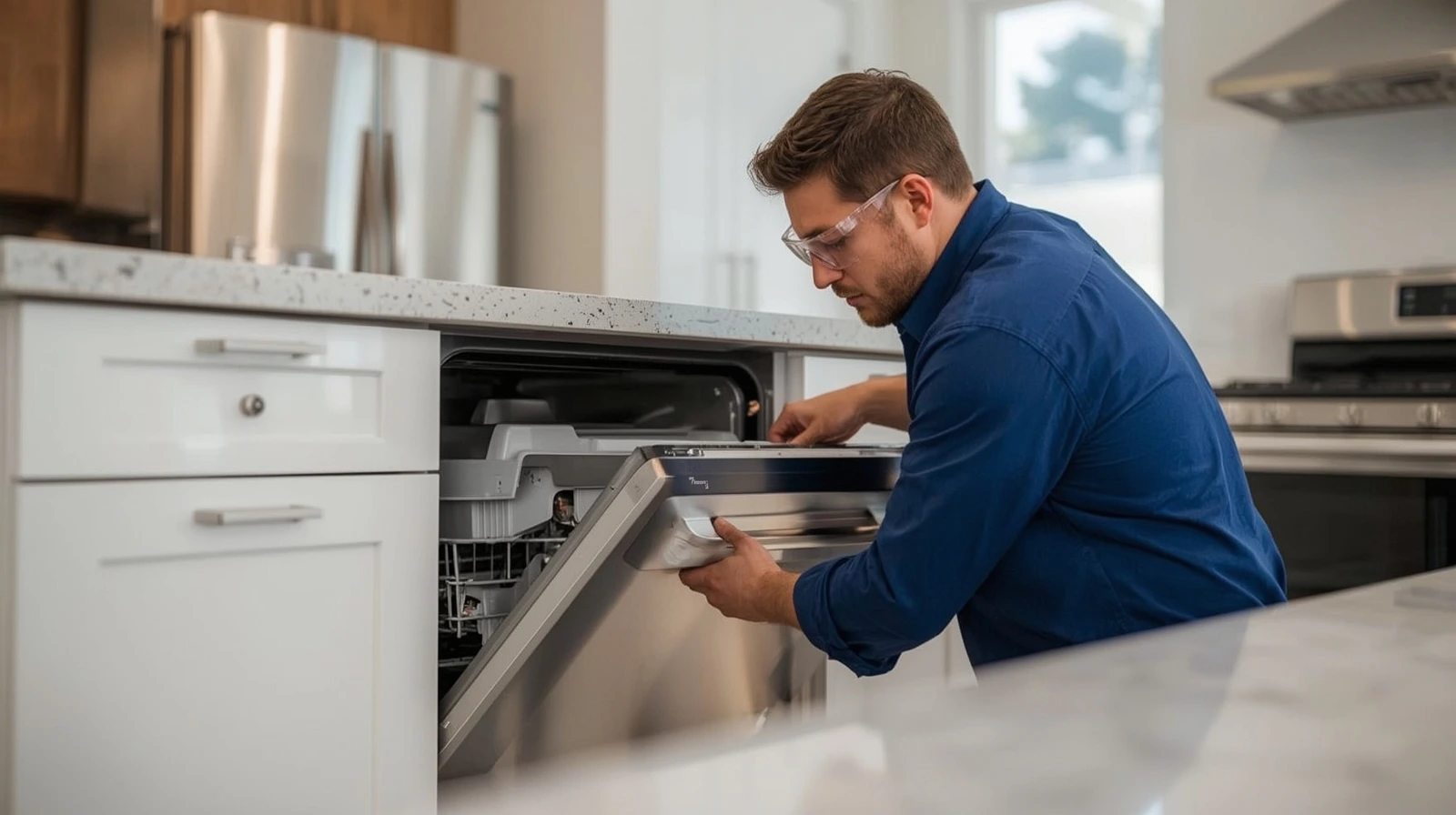
Some homeowners install dishwashers themselves. DIY saves money but requires skill and tools. Mistakes can cause leaks or electrical problems. Professional installers handle plumbing and wiring safely. They ensure the dishwasher fits and runs well. Hiring a pro adds to the cost but reduces risks. Choose based on your comfort and skills.
Cost Breakdown
Understanding the cost breakdown of dishwasher installation helps you plan your budget accurately. It’s not just about the labor; several factors influence the final price. Let’s look into each component so you know exactly what you are paying for.
Average Installation Fees
Installation fees usually range between $100 and $300. This price depends on the complexity of the job and the professional you hire. Some installers charge a flat fee, while others bill hourly, typically $50 to $100 per hour.
Keep in mind, if your kitchen setup is straightforward, the fee will be on the lower end. But if modifications are needed, expect higher charges. Have you checked if your installer provides a free estimate?
Parts And Materials Costs
Besides labor, you’ll need to pay for parts like hoses, connectors, and possibly a new electrical outlet. These materials can add $50 to $150 to your total cost. Choosing high-quality parts might save you from future repairs.
I once installed a dishwasher where the old water line was corroded. Replacing it added $75 but avoided leaks later on. Are you prepared to invest a little more to ensure durability?
Additional Charges To Expect
Extra charges may include removing an old dishwasher, disposal fees, or upgrading plumbing and electrical systems. These can add $50 to $200 depending on what’s required. Always ask your installer about potential extras upfront.
Sometimes, unexpected issues arise once the work begins. How flexible is your budget to handle surprises during installation?
Factors Influencing Installation Costs
Understanding the factors that influence dishwasher installation costs helps you prepare your budget better. Several elements come into play, from the layout of your kitchen to the type of dishwasher you choose. Knowing these details can prevent surprises and help you make smarter decisions.
Kitchen Layout And Plumbing
Your kitchen’s design directly affects installation costs. If your plumbing is already set up near the dishwasher spot, installation will be quicker and cheaper. But if pipes need to be moved or added, expect the price to rise.
Older homes might require extra work to update plumbing, which adds to the labor cost. Are your cabinets or countertops easy to work around? Tight spaces can slow down the process and increase time—and money—spent.
Electrical Setup
Dishwashers need a dedicated power source, usually a 120-volt outlet. If your kitchen lacks this, an electrician must install it, adding to your bill. The distance from your electrical panel can also affect cost; longer wiring jobs mean higher charges.
Some homes might require upgrading the electrical system to handle the extra load safely. This upgrade protects your home but can be a significant expense.
Dishwasher Model And Features
The type of dishwasher you pick influences installation costs too. Basic models usually fit standard spaces and connect easily. High-end models with built-in features or custom panels might need special handling or adjustments.
Have you thought about smart dishwashers or those with unique sizes? These often require additional work, such as modifying cabinetry or installing extra components, which can increase installation time and costs.
Saving On Installation
Saving money on dishwasher installation makes the project easier on your budget. Installation costs can add up, but smart choices reduce the total expense. Planning ahead helps you find the best options without stress.
When To Choose Diy
Installing a dishwasher yourself cuts labor costs. Basic plumbing and electrical skills are needed. Many dishwashers come with clear instructions. Tools like wrenches and screwdrivers are essential.
DIY suits small installations or replacements. Avoid DIY if plumbing or wiring is complex. Mistakes can cause leaks or electrical hazards. Safety is the top priority.
Finding Affordable Professionals
Hiring a professional ensures proper installation. Prices vary between companies. Check reviews and ask for quotes from multiple installers. Compare services and warranties.
Choose local professionals to lower travel fees. Some offer package deals combining appliance purchase and installation. Negotiate to get a better price. Quality work avoids costly repairs later.
Promotions And Discounts
Look for seasonal sales on appliances and installation. Retailers often bundle dishwasher sales with free or discounted installation. Sign up for newsletters to receive alerts.
Discounts may apply for first-time customers or referrals. Some credit cards offer cashback or rewards on home services. Keep an eye on holiday promotions for extra savings.
Common Installation Challenges
Installing a dishwasher involves more than just placing the appliance. Several challenges can arise during the process. These challenges affect cost and time. Understanding common issues helps prepare for installation.
Dealing With Old Plumbing
Old plumbing can cause leaks or poor water flow. Pipes may be rusty or corroded. Replacing or repairing pipes adds to the cost. Connecting the dishwasher to outdated plumbing needs care. A plumber might need to update the water lines.
Electrical Safety Concerns
Dishwashers require proper electrical connections. Old wiring may not support the appliance. Unsafe wiring can cause shocks or fires. An electrician must check the circuit and outlet. Installing a dedicated circuit might be necessary for safety.
Space Constraints
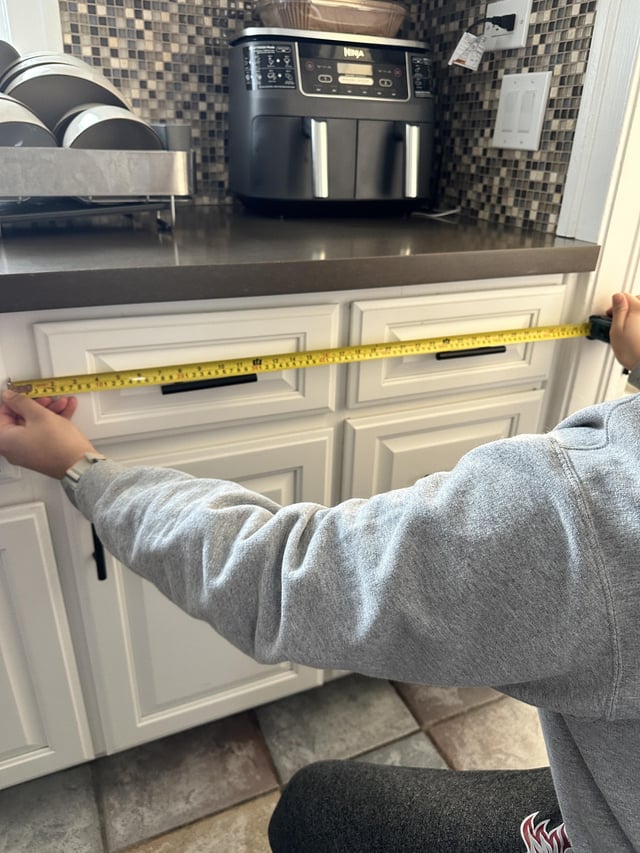
Limited space complicates dishwasher installation. Cabinets or counters may block access. The appliance might not fit standard openings. Custom adjustments can increase labor time and cost. Measuring space before purchase avoids fitting problems.

Credit: www.reddit.com
Maintenance After Installation
Proper maintenance after dishwasher installation keeps it working well. It prevents costly repairs and extends the appliance’s life. Regular care ensures dishes come out clean every time. Simple steps save money and avoid inconvenience.
Regular Cleaning Tips
Clean the filter every week to remove food debris. Wipe the door seals to prevent mold and leaks. Run an empty cycle with vinegar to clear buildup. Use dishwasher cleaner monthly to maintain fresh smell. Check spray arms for blockages and clean if needed.
Troubleshooting Issues
Listen for unusual noises during cycles. Check if water drains properly after washing. Notice if dishes remain dirty or spots appear. Make sure the dishwasher door closes tightly. Reset the appliance by turning it off and on again to fix minor glitches.
When To Call A Technician
Call a professional if the dishwasher leaks water. If it does not start or stops mid-cycle, seek help. Persistent bad odors or strange noises require expert care. Electrical problems or error codes also need technician attention. Early service avoids bigger, expensive repairs later.
Credit: derksplumbing1.com
Frequently Asked Questions
How Much Does Dishwasher Installation Typically Cost?
Dishwasher installation usually costs between $150 and $300. The price depends on labor, location, and any additional plumbing or electrical work required.
Are There Extra Fees For Complex Dishwasher Installations?
Yes, complex installations can cost more. Extra fees may apply for new plumbing, electrical upgrades, or removing old appliances.
Can I Install A Dishwasher Myself To Save Money?
DIY installation is possible if you have plumbing and electrical skills. However, professional installation ensures safety and proper functioning, avoiding costly mistakes.
Does Dishwasher Installation Include Removing Old Appliances?
Some services include old dishwasher removal, but not all. Confirm with your installer to avoid unexpected fees or extra charges.
Conclusion
Dishwasher installation costs depend on many factors. Basic installation may cost less, but extra plumbing or electrical work raises the price. Choosing the right professional helps avoid surprises. Planning your budget carefully saves stress later. Now you know what to expect for dishwasher installation costs.
Ready to make your kitchen easier to clean?