
Are you planning to buy a new dishwasher and wondering if it will fit in your kitchen space? It’s a common question: “Are dishwashers the same size?”
This seemingly simple question can actually unlock a world of choices and considerations. Imagine the frustration of purchasing a sleek, new dishwasher only to find it’s too big or too small for your kitchen layout. You deserve to make a confident decision, knowing exactly what to expect when it comes to size.
We’ll dive into the details and help you understand the standard dimensions, variations, and what that means for your home. Stick around to discover how to avoid costly mistakes and make the best choice for your lifestyle.
Standard Dishwasher Sizes
Standard dishwasher sizes are designed to fit most kitchen layouts, but understanding these dimensions can save you from unexpected hassles during installation. Knowing the typical measurements helps you choose a dishwasher that fits perfectly into your space without costly modifications.
Common Widths And Heights
Most standard dishwashers have a width of 24 inches, making them a convenient fit for the majority of kitchen cabinets. However, some compact models measure around 18 inches wide, ideal for smaller kitchens or apartments.
As for height, dishwashers generally range between 33.5 and 35 inches to align with standard countertop heights. This range ensures your dishwasher sits flush under the counter, offering a seamless look.
Typical Depth Measurements
The depth of a standard dishwasher usually measures around 24 inches from front to back. This size allows the dishwasher to fit comfortably within the cabinet space without protruding into your kitchen walkway.
Keep in mind that some models may be slightly deeper or shallower, so double-checking your kitchen’s depth before purchase is important. Have you ever bought an appliance that didn’t fit right? Avoid that frustration by measuring first.
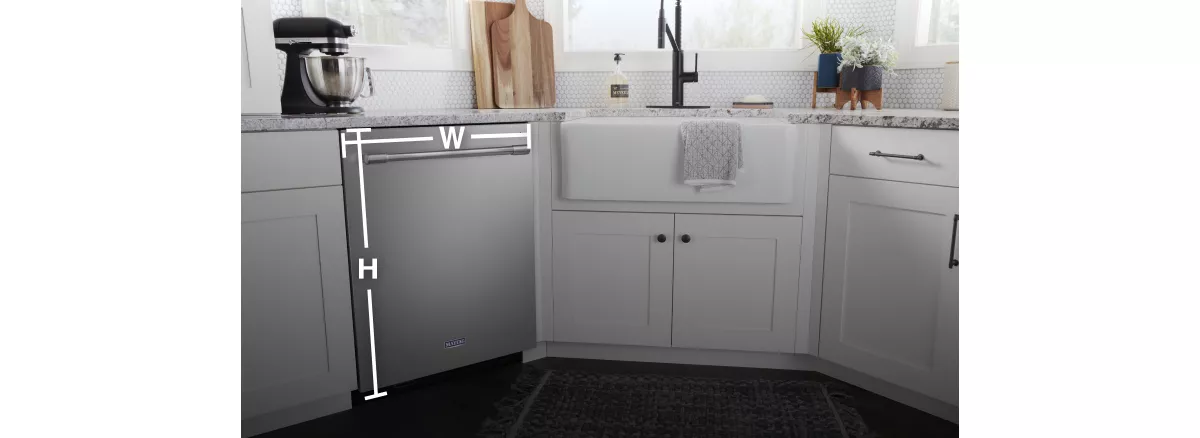
Credit: www.maytag.ca
Compact Dishwashers
Compact dishwashers offer a practical solution when space is tight but you still want the convenience of a dishwasher. They are designed to fit smaller kitchens or areas where a full-sized model would be too large. Understanding their size and where they work best can help you decide if a compact dishwasher suits your home.
Dimensions And Capacity
Compact dishwashers typically measure around 18 inches in width, compared to the standard 24 inches of full-sized models. Their height and depth are similar to regular dishwashers but scaled down slightly to fit into smaller spaces.
Capacity-wise, these models usually handle 6 to 8 place settings. This means they are perfect for singles, couples, or small families who don’t generate a lot of dirty dishes daily.
Have you ever struggled to find a dishwasher that fits your tiny kitchen? Compact dishwashers solve this by offering just enough space without overwhelming your counters or cabinets.
Ideal Spaces For Compact Models
Compact dishwashers shine in apartments, studio flats, or secondary kitchens where full-sized appliances aren’t practical. They also fit well in offices or vacation homes where dishwashing needs are minimal but still necessary.
These models can be installed under the counter, on the countertop, or even as portable units. This flexibility lets you choose the best setup for your unique kitchen layout.
Consider your daily dishwashing habits. If you usually wash dishes right after meals and don’t accumulate many dirty items, a compact dishwasher can save space and energy without compromising convenience.
Tall Tub Vs. Short Tub Dishwashers
Dishwashers come in different shapes and sizes. Two common types are tall tub and short tub dishwashers. Choosing between them depends on your kitchen space and cleaning needs. Understanding their differences helps pick the right one for your home.
Size Differences
Tall tub dishwashers have a deeper interior. This design allows more space for dishes and larger items. The tub is often made from stainless steel, which lasts longer and resists stains.
Short tub dishwashers have a shallower interior. They fit better in kitchens with limited space. The tub is usually made of plastic. This makes the dishwasher lighter and often less expensive.
Benefits Of Each Style
- Tall Tub:Holds more dishes per load.
- Tall Tub:Better at drying dishes due to metal walls.
- Tall Tub:More durable and less prone to odors.
- Short Tub:Fits in smaller kitchens easily.
- Short Tub:Usually costs less upfront.
- Short Tub:Lighter, which may simplify installation.
Built-in Vs. Portable Dishwashers
Built-in and portable dishwashers serve the same basic purpose but differ in design and placement. Each type fits different kitchen setups and user needs. Understanding their differences helps choose the right one for your home.
Size Variations
Built-in dishwashers usually have a standard width of 24 inches. They fit under kitchen counters and blend with cabinetry. Depth and height also follow common dimensions for easy installation.
Portable dishwashers vary more in size. They are often smaller, around 18 to 24 inches wide. Some models are compact to save space and can be moved when not in use. This flexibility suits small kitchens or renters.
Installation Considerations
Built-in dishwashers require permanent installation with plumbing and electrical connections. They stay fixed in one spot. Installation may need professional help to ensure proper fitting and hookups.
Portable dishwashers need no permanent setup. They connect to a kitchen faucet and can be rolled away when finished. This ease of installation makes them ideal for temporary use or limited spaces.
Measuring Your Kitchen Space
Measuring your kitchen space accurately is crucial before choosing a dishwasher. A dishwasher might look like a standard appliance, but sizes can vary slightly depending on the brand and model. Knowing your exact space ensures a smooth installation and prevents costly adjustments later.
How To Measure For A Dishwasher
Start by measuring the width, height, and depth of the space where you plan to install your dishwasher. Use a tape measure and note down each dimension carefully.
Don’t forget to check the space under your countertop and between cabinets. Sometimes, walls or plumbing fixtures can reduce the available space.
Write down these measurements and compare them with the specifications of the dishwasher models you like. This simple step saves you from buying a dishwasher that won’t fit.
Allowing For Clearance And Ventilation
Dishwashers need a bit of extra space around them to operate properly. Leaving room for clearance helps prevent damage to the appliance and your cabinets.
Also, good ventilation is necessary to avoid moisture buildup, which can lead to mold or damage over time.
- Leave at least half an inch of space on the sides and top of the dishwasher.
- Make sure there’s a gap at the back for ventilation and plumbing connections.
- Check manufacturer guidelines for specific clearance recommendations.
Have you ever thought about how tight spaces affect appliance longevity? Giving your dishwasher room to breathe can extend its life and keep your kitchen fresh.
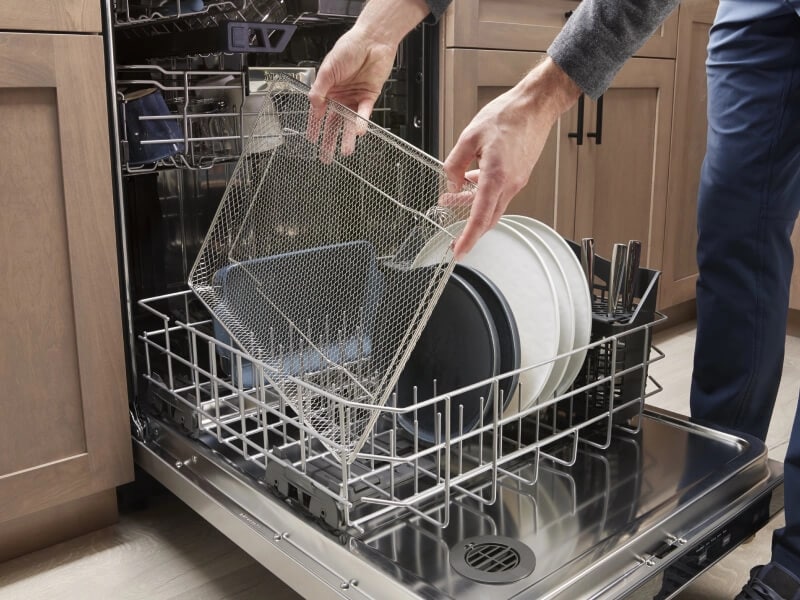
Credit: www.maytag.com
Custom And Drawer Dishwashers
Custom and drawer dishwashers offer a fresh take on kitchen cleaning appliances. Unlike standard models, these dishwashers cater to specific needs, spaces, and styles. They challenge the idea that all dishwashers must fit a one-size-fits-all mold.
Unique Size Options
Drawer dishwashers are designed in compact, stackable units. This allows you to install one or two drawers where a traditional dishwasher might not fit. Each drawer operates independently, giving you flexibility in washing small or large loads.
Custom dishwashers come in various sizes beyond the standard 24-inch width. They can be narrower or wider to match your kitchen layout. This means you can optimize space without sacrificing performance.
Think about your kitchen’s layout and daily routine. Do you need a dishwasher that fits a tight corner or a smaller household? Drawer and custom dishwashers provide options that regular models don’t offer.
When To Choose Custom Models
Choose custom dishwashers if your kitchen has unusual dimensions or if you want a seamless look with cabinetry. These models can be tailored to match your style and size requirements perfectly.
Drawer dishwashers suit households with varying dishwashing needs throughout the day. You can wash a small load quickly or combine drawers for a larger load. This saves water, energy, and time.
Ask yourself how often you run the dishwasher and how much space you have. If you juggle between frequent small washes and full loads, drawer dishwashers might be the smarter choice. If your kitchen needs a unique size or style, custom models offer a perfect fit.
Size Impact On Capacity And Features
The size of a dishwasher plays a crucial role in determining how much it can wash in one cycle and what features it offers. It’s not just about fitting under your counter; size directly affects the appliance’s functionality. Understanding this connection can help you choose a dishwasher that fits your kitchen and your lifestyle.
Correlation Between Size And Load Capacity
Larger dishwashers generally hold more dishes, pots, and pans. A standard full-size dishwasher typically fits 12 to 16 place settings, while compact models might only handle 6 to 8. If you often entertain guests or have a big family, a larger capacity saves you from running multiple cycles.
On the other hand, if your household is small or your kitchen space is limited, a compact dishwasher might be enough. It uses less water and energy per cycle but requires more frequent runs. Have you ever wondered if a smaller dishwasher could still meet your daily needs without wasting resources?
Feature Differences By Size
Size can also influence the features included in a dishwasher. Larger models often come with advanced options like multiple wash zones, adjustable racks, or specialized cycles for delicate items. These features add convenience and improve cleaning performance.
Smaller units may have fewer options but often focus on efficiency and space-saving designs. Some compact dishwashers include quick wash cycles or energy-saving modes tailored to smaller loads. Think about which features you really use—do you need all the bells and whistles, or will a simple model do the job?
Tips For Choosing The Right Size
Choosing the right dishwasher size is key for kitchen comfort and efficiency. The wrong size can waste space or leave dishes unwashed. Consider how many people live in your home and how often you cook. This helps find a dishwasher that fits your daily needs without extra hassle.
Matching Size To Household Needs
Think about your family size first. Small families or singles may only need compact models. These take less space and use less water. Larger families benefit from full-size dishwashers. These hold more dishes and reduce the number of loads.
Consider your cooking habits too. Frequent cooks generate more dirty dishes. A bigger dishwasher handles this better. Occasional cooks can save by choosing smaller models. This avoids wasting energy and water on half-full loads.
Balancing Space And Performance
Measure your kitchen space carefully before buying. Dishwashers come in standard and slim widths. Standard sizes fit most kitchens but need more room. Slim models work well in tight spaces but may hold fewer dishes.
Check door clearance and nearby cabinets. Make sure the dishwasher door opens fully without blocking walkways. Also, think about the dishwasher’s performance features. Some smaller models still offer strong cleaning power. Balance size with energy use and noise levels for the best fit.
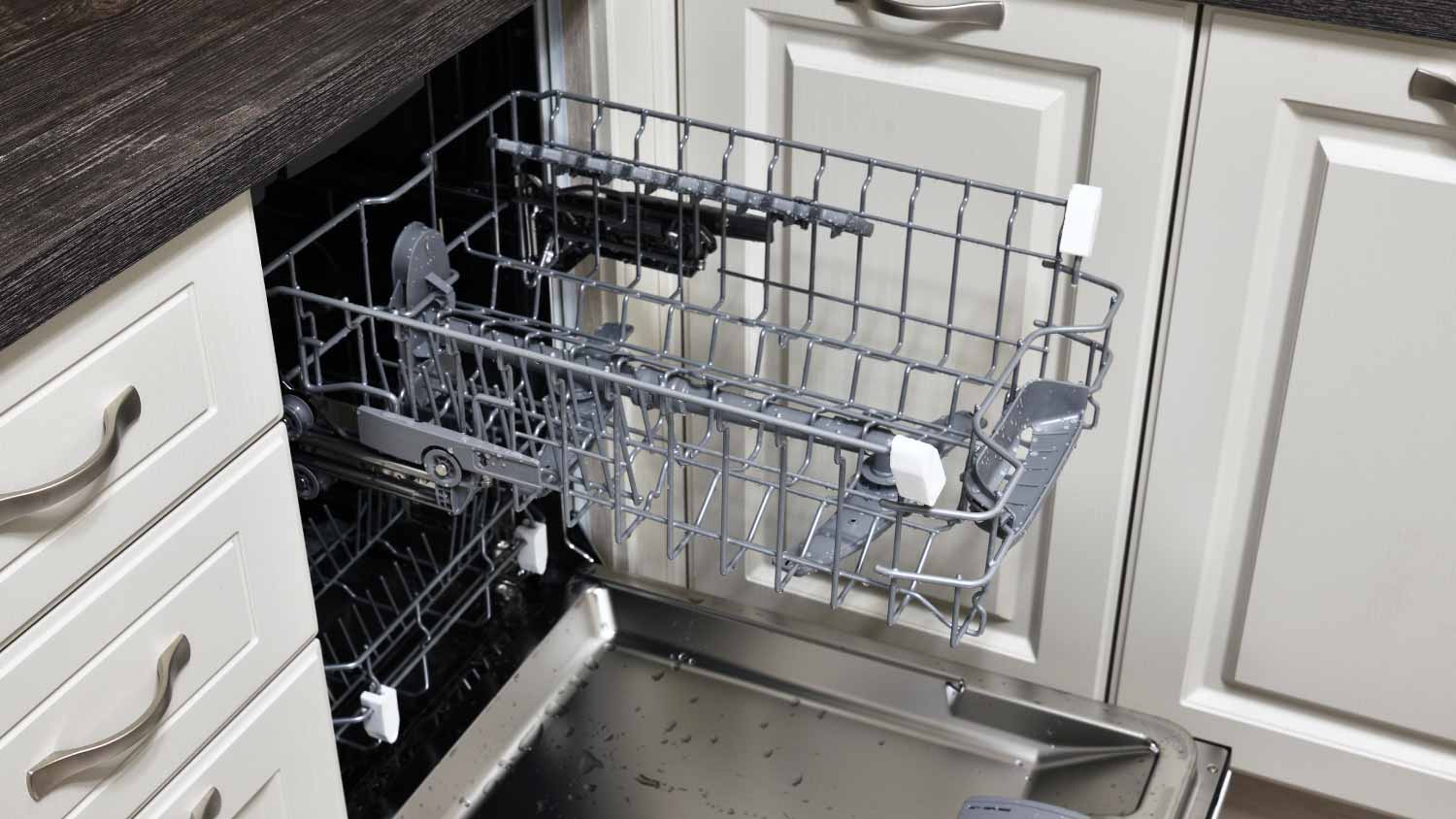
Credit: www.angi.com
Frequently Asked Questions
Are All Dishwashers The Same Size?
No, dishwashers come in various sizes. Standard models are 24 inches wide, but compact ones measure around 18 inches. Size depends on kitchen space and user needs.
What Are The Common Dishwasher Size Dimensions?
Standard dishwashers usually measure 24 inches wide, 24 inches deep, and 35 inches tall. Compact models are smaller, ideal for limited spaces. Always check exact dimensions before purchasing.
Can I Replace My Dishwasher With Any Size?
Not always. Replacing a dishwasher requires matching the new unit’s size to the existing space. Measure width, height, and depth to ensure proper fit and installation.
Do Dishwasher Sizes Affect Capacity?
Yes, larger dishwashers hold more dishes and utensils. Compact sizes have smaller capacities but fit better in tight spaces. Choose size based on your household needs.
Conclusion
Dishwashers come in different sizes to fit various kitchens. Standard models usually measure about 24 inches wide. Compact options are smaller, perfect for tight spaces. Knowing the size helps you choose the right fit. Measure your space before buying any dishwasher.
This saves time and avoids mistakes. A well-fitted dishwasher works better and looks neat. Size matters, but so does capacity and features. Think about your needs and kitchen space carefully. This way, you get a dishwasher that suits you best.