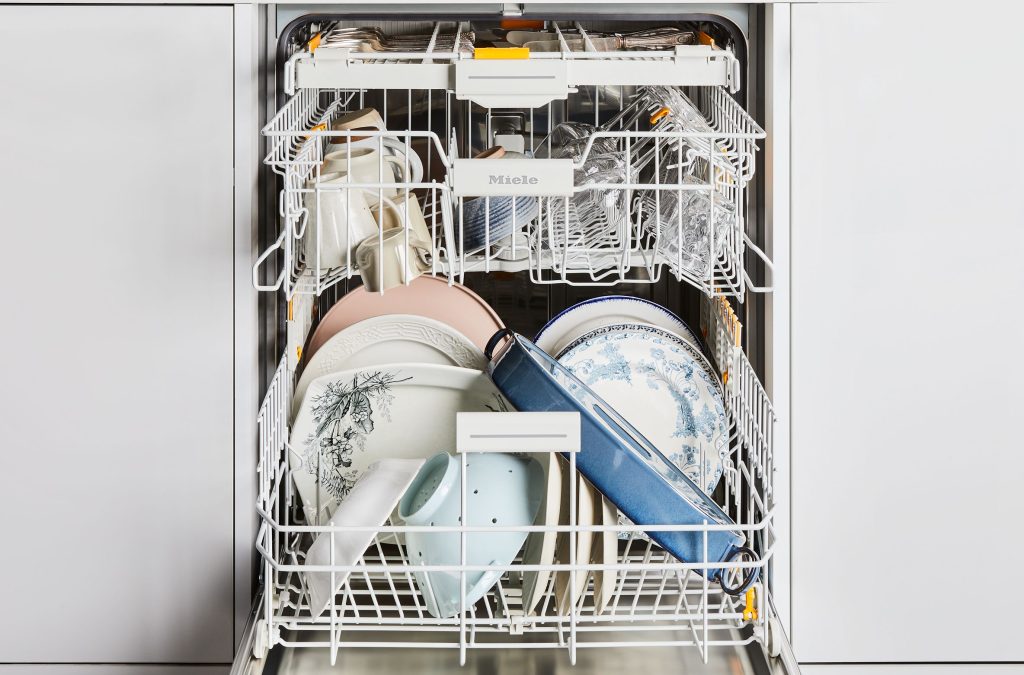
Have you ever wondered what the “Sanitize” setting on your dishwasher actually does? You’re not alone.
Many people see this option and are unsure whether it’s worth the extra time or energy usage. But here’s the catch: understanding and using this feature can make a significant difference in your home’s hygiene. Imagine having dishes that are not just visibly clean but also free from harmful bacteria.
This setting could be the unsung hero in your kitchen, safeguarding your health without you even realizing it. So, if you’re curious about how the “Sanitize” function works and why it might be the key to a cleaner, safer home, keep reading. You’ll find out exactly why this setting is more than just a button on your dishwasher.
Sanitize Cycle Basics
The sanitize cycle on a dishwasher is designed to kill bacteria and germs on your dishes. It goes beyond regular cleaning by using higher temperatures. This cycle ensures your plates, glasses, and utensils are hygienically clean. Understanding how it works helps you use your dishwasher better.
Purpose Of Sanitize Mode
The sanitize mode removes harmful bacteria from dishes. It helps keep your family safe from germs. This mode is useful after cooking raw meat or when someone is sick. It also ensures baby bottles and cutting boards are very clean.
How It Works
The dishwasher heats water to a very high temperature. This heat kills most bacteria and viruses on your dishes. The cycle usually lasts longer than a normal wash. It rinses and washes multiple times to remove dirt and germs.
Temperature Requirements
Sanitize cycles need water temperatures of at least 150°F (65°C). Some dishwashers raise this to 160°F (71°C) for better cleaning. The heat stays high for several minutes to kill bacteria. Check your dishwasher manual for exact temperature details.

Credit: www.applianceliquidators.com
Benefits Of Sanitizing Dishes
Sanitizing your dishes in the dishwasher offers more than just a clean look; it actively improves your kitchen’s health environment. This process targets harmful microorganisms that regular washing might miss. Understanding these benefits can help you decide when and why to use the sanitize option.
Eliminating Germs And Bacteria
Sanitizing dishes uses higher temperatures to kill germs and bacteria effectively. This is especially important after handling raw meat or eggs, which can carry dangerous pathogens. Have you ever wondered if your regular wash cycle is enough to make your plates truly safe?
Improving Hygiene
Using the sanitize function boosts overall hygiene by reducing the risk of cross-contamination. It ensures that leftover food particles and microbes don’t linger on your dishes. Keeping your eating utensils clean helps maintain a healthier environment for your family every day.
Protecting Vulnerable Individuals
Sanitizing dishes is crucial if you have young children, elderly family members, or anyone with a weakened immune system at home. These groups are more prone to infections from harmful bacteria. You can provide extra protection simply by choosing the right dishwasher setting.
When To Use Sanitize Setting
Knowing when to use the sanitize setting on your dishwasher can make a big difference in keeping your dishes truly clean and safe. This feature uses higher temperatures to kill bacteria and germs that regular cycles might miss. But how do you decide when it’s really necessary to turn this setting on?
After Illness
If someone in your home has been sick, using the sanitize setting is a smart move. It helps eliminate lingering germs on plates, cups, and utensils, reducing the chance of spreading the illness. Think about it—would you want to eat off dishes that might still carry bacteria from a cold or stomach bug?
Cleaning Baby Items
Baby bottles, pacifiers, and feeding spoons need extra care because babies have weaker immune systems. The sanitize cycle ensures these items are free from harmful bacteria that could cause infections. You might not realize how easily germs can hide in tiny crevices, but this setting gives you peace of mind.
Handling Raw Meat Residue
Raw meat can leave behind bacteria like salmonella or E. coli that ordinary washing may not fully remove. Running your dishwasher’s sanitize cycle after washing cutting boards, trays, or utensils used for raw meat helps prevent cross-contamination. Ask yourself—are you doing enough to protect your family from foodborne illnesses?

Credit: drano.com
Dishwasher Sanitize Vs Regular Wash
Understanding the difference between the sanitize cycle and a regular wash on your dishwasher can change how you care for your dishes and health. Both options clean your plates and utensils, but they do so in distinct ways that affect cleanliness, energy use, and time. Knowing these differences helps you pick the right cycle for your needs.
Cycle Differences
The sanitize cycle uses higher water temperatures, often reaching around 150°F (65°C) or more. This intense heat is designed to kill bacteria and germs effectively.
Regular wash cycles generally run at lower temperatures, typically between 120°F and 140°F (49°C to 60°C), focusing on removing food particles and grease rather than sterilizing.
Sanitize cycles often take longer due to the extended heating and rinsing phases, while regular washes are quicker but less thorough in killing microbes.
Energy And Water Usage
Sanitize cycles consume more energy because they maintain higher temperatures for longer periods. This can lead to a noticeable increase in your utility bills if used frequently.
Water usage may also be slightly higher during sanitize cycles due to extra rinse steps needed to remove any residues and ensure proper sanitization.
Regular wash cycles are more energy-efficient and use less water, making them suitable for everyday dishwashing when sterilization isn’t necessary.
Effectiveness Comparison
If you’re washing baby bottles, cutting boards, or dishes used by someone who’s sick, the sanitize cycle offers a clear benefit by reducing harmful bacteria.
Regular washes clean visible dirt and food well but may leave behind bacteria that could cause illness or bad odors over time.
Choosing sanitize occasionally can give you peace of mind, but using it for every load might be overkill unless you have specific hygiene concerns.
Have you tried both cycles on your dishwasher? How did the results compare in your home?
Choosing The Right Dishwasher
Choosing the right dishwasher can make daily chores easier and keep your dishes safe. A good dishwasher not only cleans but also sanitizes your dishes. It helps remove bacteria and germs that regular washing might miss. Understanding key features helps you pick a model that fits your needs and budget.
Sanitize Certification
Check if the dishwasher has a sanitize certification. This means it meets specific standards for killing bacteria. The certification often comes from health or safety organizations. A certified sanitize cycle uses higher water temperatures. It ensures your dishes are hygienic and safe to use.
Additional Features
Look for extra functions that improve cleaning and convenience. Some dishwashers have adjustable racks to fit large pots. Others include energy-saving modes to reduce electricity use. Delay start lets you run the dishwasher at a better time. These features add value and fit different lifestyles.
User Reviews And Ratings
Read what other buyers say about the dishwasher. Reviews can highlight real-life pros and cons. Pay attention to comments on cleaning performance and noise levels. Ratings show overall satisfaction from many users. This feedback helps you avoid problems and choose a reliable model.
Common Myths About Sanitizing
Sanitizing dishes in a dishwasher is a topic surrounded by many myths. These misunderstandings can confuse users about the real benefits and effects of the sanitize cycle. Clearing up these myths helps people use their dishwashers better and keep their dishes safe.
Many believe sanitize cycles might harm dishes or that sanitizing is always a must. Others wonder how dishwasher sanitizing compares to hand washing. Let’s explore these common myths and find the facts.
Does Sanitize Damage Dishes?
Some think the high heat in sanitize cycles can break or fade dishes. Dishwashers use controlled temperatures that are safe for most dish types. Plastic, glass, and ceramic usually handle the heat well. Avoid placing delicate items like fine china or wooden utensils in sanitize mode. Proper use protects your dishes from damage.
Is Sanitizing Always Necessary?
Not every load needs sanitizing. Regular washing removes most germs for everyday dishes. Sanitizing is best for items exposed to illness or bacteria, such as baby bottles or cutting boards. Use sanitize when extra cleanliness is important, not for every wash.
Sanitize Vs Hand Washing
Hand washing often uses cooler water and may miss some germs. Dishwashers with sanitize cycles reach higher temperatures that kill more bacteria. Sanitizing in a dishwasher gives a deeper clean than hand washing. It saves time and ensures better hygiene.
Tips For Best Sanitize Results
Getting the best sanitize results from your dishwasher depends on more than just pressing the sanitize button. Small adjustments in how you load dishes, the detergents you choose, and how well you maintain your machine can make a big difference. Are you sure your current dishwasher routine is actually killing those stubborn germs?
Loading Dishes Properly
How you arrange your dishes affects water flow and heat exposure, which are critical for sanitizing. Avoid overcrowding; dishes packed too tightly block water and detergent from reaching all surfaces. Place items like plates and bowls facing the spray arms, and keep pots and pans angled so water can wash inside.
Keep plastics on the top rack to prevent melting and ensure they get enough heat. Sharp knives and utensils should be placed with handles up to avoid injury and allow better cleaning. Have you noticed spots or residue on your dishes? It might be time to rethink your loading strategy.
Using The Right Detergents
Not all detergents sanitize equally. Look for detergents labeled with sanitizing properties or those designed for high-temperature cycles. Using a detergent with enzymes helps break down food particles, making sanitizing more effective.
Consider adding a rinse aid to improve drying and prevent water spots, which can harbor bacteria. Avoid using too much detergent; excess soap can leave residue and interfere with the sanitize cycle. What detergent have you been using, and does it support your machine’s sanitize function?
Maintenance And Cleaning
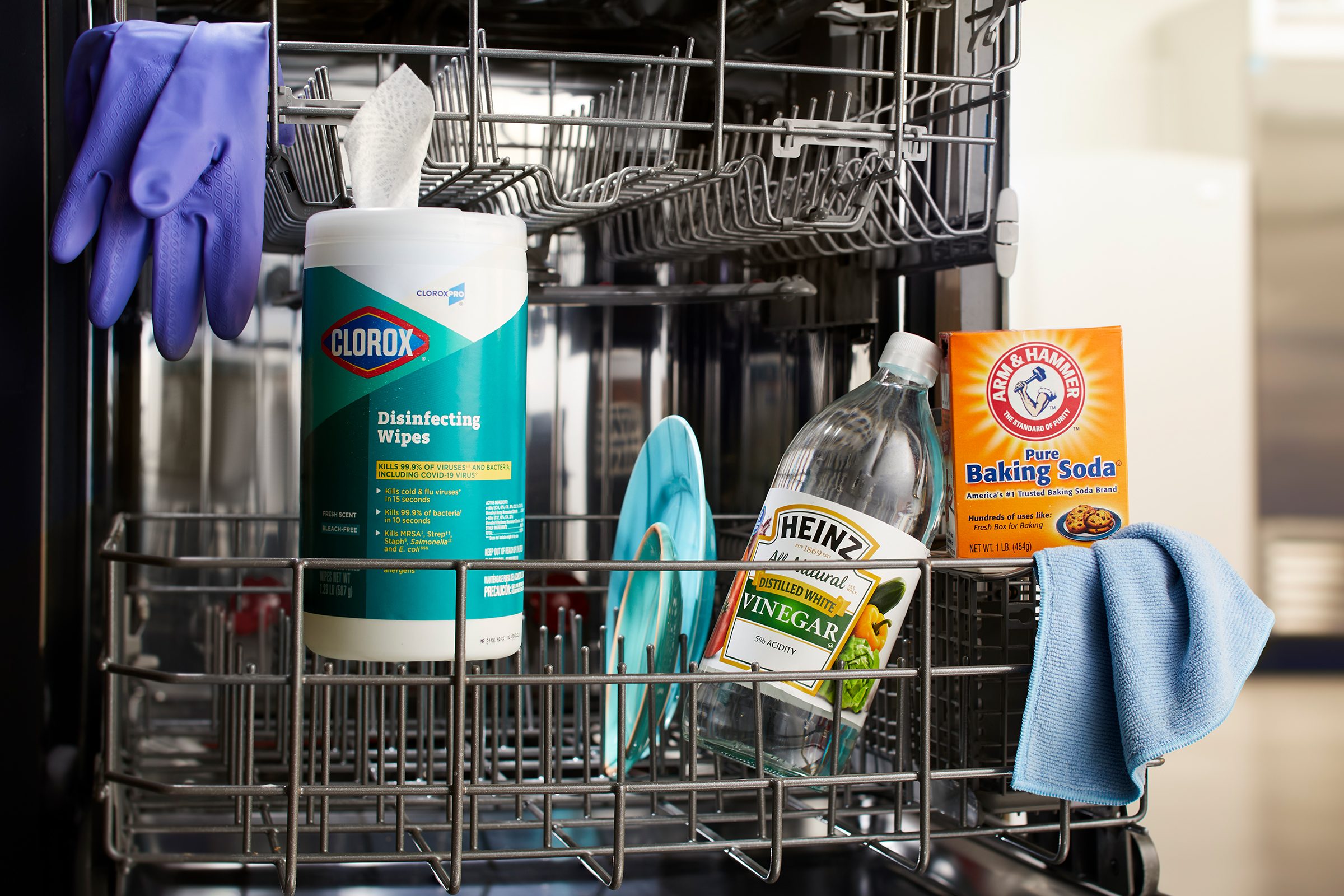
Your dishwasher needs care to keep its sanitize function working well. Regularly clean the filter to remove trapped food debris that can cause odors and block water flow. Wipe down the door seals and spray arms to prevent buildup that reduces cleaning efficiency.
Run an empty cycle with dishwasher cleaner once a month to eliminate grease and limescale inside the machine. Check for clogged spray holes and clear them with a toothpick if necessary. When was the last time you gave your dishwasher a deep clean?
Credit: www.rd.com
Frequently Asked Questions
What Does Sanitize Mean On A Dishwasher?
Sanitize on a dishwasher means killing bacteria and germs using high heat. It ensures dishes are hygienically clean. This cycle uses water temperatures above 150°F (65°C) to eliminate harmful microbes effectively.
How Does The Sanitize Cycle Work In Dishwashers?
The sanitize cycle uses very hot water to kill bacteria on dishes. It maintains water temperature at or above 150°F for several minutes. This process ensures thorough cleaning beyond normal washing cycles.
Is The Sanitize Feature Necessary For Everyday Dishwashing?
Sanitize is not always needed daily but is helpful for baby bottles or cutting boards. It provides extra hygiene by eliminating germs that regular cycles might miss. Use it when maximum cleanliness is required.
Can Sanitize Damage My Dishes Or Dishwasher?
Sanitize cycles use higher heat but are designed safe for most dishware. Avoid using it with delicate items like plastic or fine china unless specified. Check your dishwasher manual for compatibility.
Conclusion
Sanitize on a dishwasher kills germs and bacteria on dishes. It uses very hot water to clean deeply. This feature helps keep your kitchen safe and healthy. Using sanitize often can reduce illness from dirty dishes. It is easy to use and saves time.
Choose sanitize when you want extra clean dishes. Your family will thank you for safer meals. Clean dishes mean peace of mind every day. Remember, sanitize makes your dishwasher work better for health.