Are you tired of opening your dishwasher only to be met with unpleasant odors or stubborn stains? You’re not alone.
Many homeowners face the challenge of keeping their dishwasher fresh and spotless. You might be wondering if bleach is the secret weapon to solve this issue once and for all. Before you grab that bottle, it’s important to know the facts.
Using bleach in your dishwasher isn’t as straightforward as it seems. You’ll discover whether bleach is a safe and effective cleaning solution for your dishwasher, and what alternatives you might want to consider. Stay with us to ensure you’re making the best choice for your home and appliances.
Risks Of Using Bleach In Dishwashers
Using bleach to clean your dishwasher might seem like a quick fix to tackle odors and stains. However, bleach can bring several risks that you should consider before pouring it into your appliance. Understanding these risks helps you protect your dishwasher and your health.
Potential Damage To Dishwasher Components
Bleach is a strong chemical that can corrode metal parts inside your dishwasher, such as racks and spray arms. Over time, this corrosion can cause rust and weaken components, leading to costly repairs or replacement.
Plastic and rubber seals can also degrade when exposed to bleach, causing leaks or poor sealing. Have you noticed any unusual wear or smells after cleaning your dishwasher? It might be related to harsh chemicals like bleach.
Health And Safety Concerns
Bleach releases fumes that can irritate your eyes, skin, and respiratory system. Running a dishwasher with bleach can spread these fumes in your kitchen, posing a risk to you and your family.
Mixing bleach accidentally with other household cleaners, especially those containing ammonia, creates toxic gases that are dangerous to inhale. Are you certain your dishwasher is free of other chemicals before adding bleach?
Effects On Dishwasher Warranty
Many dishwasher manufacturers warn against using bleach in their products. Using bleach might void your warranty if damage occurs due to chemical misuse.
Check your dishwasher’s manual or contact the manufacturer to confirm what cleaning agents are safe. Avoiding bleach could save you from unexpected repair costs and keep your warranty valid.
Safe Alternatives To Bleach
Bleach might seem like a quick fix to clean your dishwasher, but it can damage the appliance’s seals and cause harmful fumes. Luckily, you don’t have to rely on harsh chemicals to keep your dishwasher spotless. There are safer, easy-to-use alternatives that can freshen and clean your dishwasher without risking damage or toxicity.
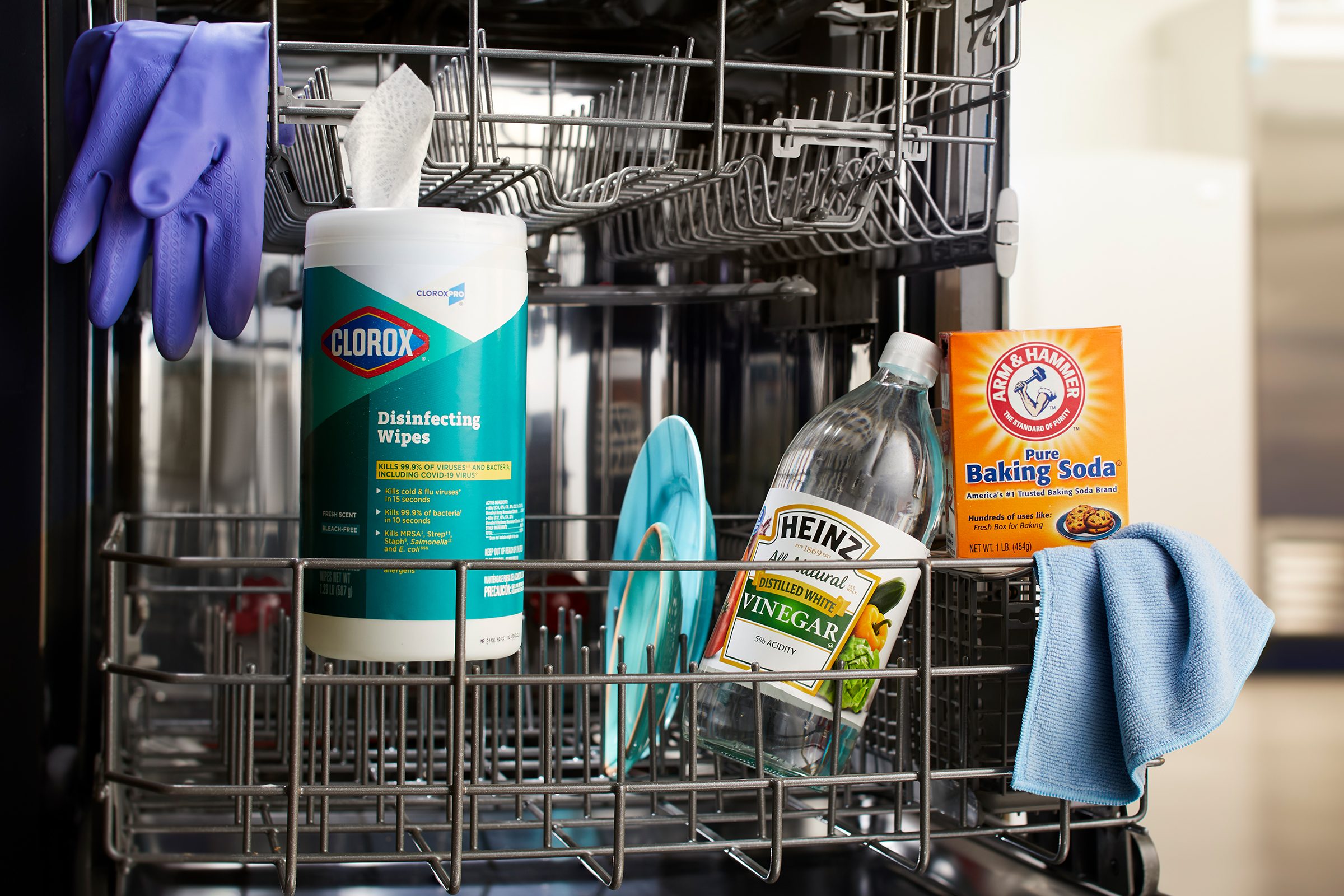
Vinegar And Baking Soda Method
This classic duo works wonders for removing grime and odors from your dishwasher. Start by pouring a cup of white vinegar into a dishwasher-safe bowl on the top rack. Run a hot water cycle without any detergent to let the vinegar break down grease and buildup.
After the vinegar cycle finishes, sprinkle a cup of baking soda on the bottom of the dishwasher. Run a short hot water cycle to let the baking soda freshen and remove any lingering stains. This method is simple, affordable, and uses ingredients you probably already have at home.
Commercial Dishwasher Cleaners
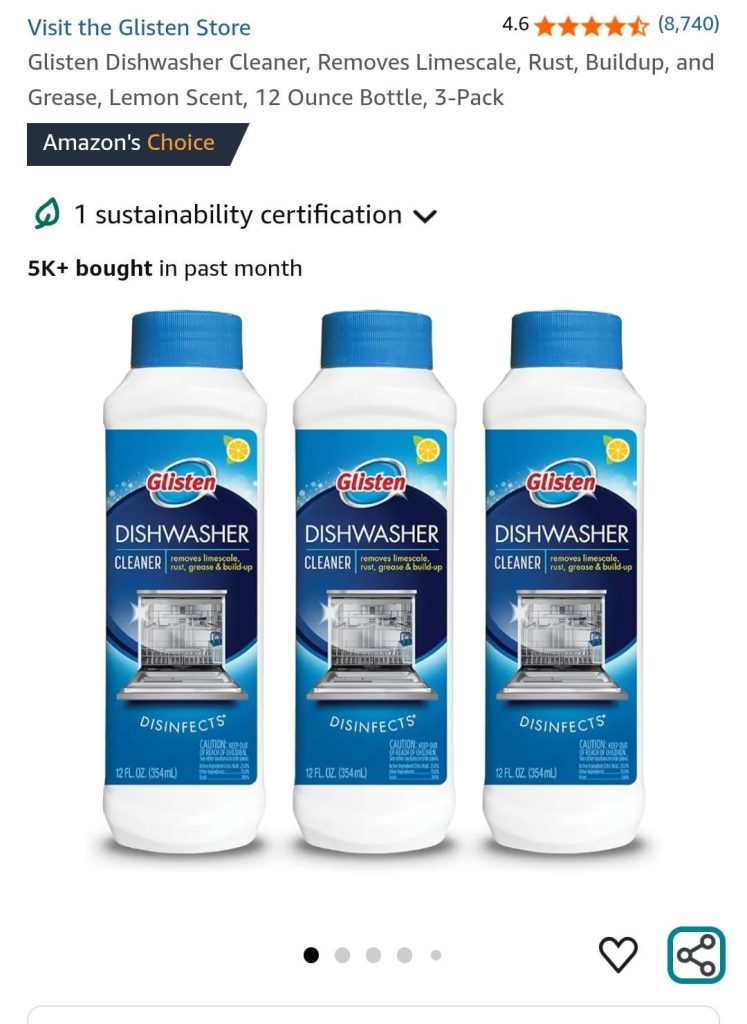
If you want a product designed specifically for dishwasher cleaning, commercial cleaners are a reliable choice. These cleaners target limescale, grease, and odors without harming your appliance’s parts. Many brands offer eco-friendly options that avoid harsh chemicals.
Using a commercial cleaner usually involves placing a tablet or liquid in the detergent compartment and running a hot cycle. It’s a hassle-free approach that delivers consistent results. Have you tried any particular brand that worked well for you?
Using Hydrogen Peroxide
Hydrogen peroxide is a gentle disinfectant that can brighten your dishwasher and kill bacteria. Pour about half a cup into the bottom of the dishwasher before running a hot cycle. This helps sanitize the interior without the risks associated with bleach.
This method is especially useful if you have sensitive skin or pets at home. Just remember to avoid mixing hydrogen peroxide with vinegar or baking soda inside the dishwasher, as chemical reactions can occur. Have you ever used hydrogen peroxide for cleaning other household items?
Step-by-step Dishwasher Cleaning
Cleaning your dishwasher properly can boost its performance and extend its lifespan. You might wonder if bleach is safe to use or how to clean your dishwasher effectively without damaging it. Let’s walk through a clear, practical process to make your dishwasher fresh and efficient again.
Preparing The Dishwasher
Start by emptying your dishwasher completely. Check and remove any large food particles or debris stuck in the filter or bottom. This step ensures that nothing blocks the cleaning agents from reaching all parts of your dishwasher.
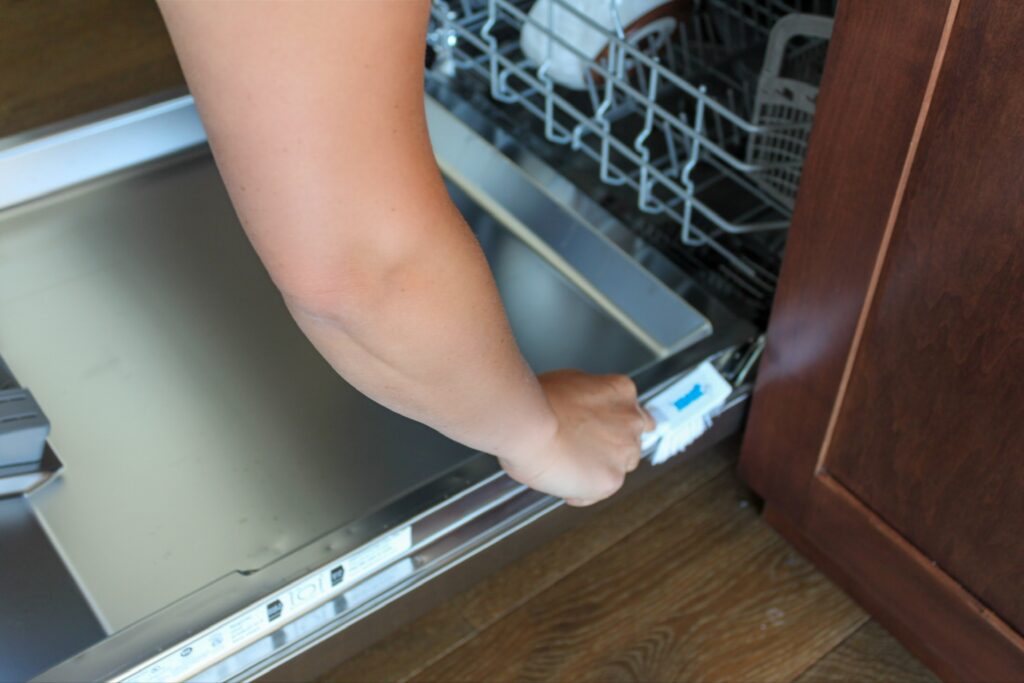
Next, inspect the spray arms and clean any clogged holes with a toothpick or soft brush. If your dishwasher has a removable filter, take it out and rinse it under warm water. This simple preparation helps improve water flow during the cleaning cycle.
Running A Cleaning Cycle
Many dishwashers have a special cleaning cycle designed to clear out buildup. You can use a dishwasher cleaner tablet or a cup of white vinegar placed on the top rack. Avoid pouring bleach directly into the dishwasher unless your manual explicitly says it’s safe; bleach can damage rubber seals and metal parts.
Run the dishwasher on the hottest cycle available. This helps dissolve grease, remove odors, and kill bacteria. Have you ever noticed a lingering smell after cleaning? Running a vinegar cycle often helps eliminate that.
Post-cleaning Maintenance Tips
After cleaning, wipe down the door edges and gasket with a damp cloth to remove any leftover residue. Regularly check and clean the filter monthly to prevent buildup. Consider leaving your dishwasher door slightly open after use to allow moisture to escape and prevent mold growth.
Keeping up with these simple habits can save you time and avoid costly repairs. What small step could you add to your routine today to keep your dishwasher in top shape?
Credit: www.housework.com
When Bleach May Be Used Safely
Bleach can be a strong cleaner for your dishwasher, but it requires careful use. It may help remove mold and stains if used correctly. Knowing when and how to use bleach safely protects your appliance and your health.
Checking Manufacturer Guidelines
Always read your dishwasher’s manual before using bleach. Some brands warn against bleach due to damage risk. The manual may suggest safer cleaning products. Use bleach only if the manufacturer says it is safe.
Dilution And Application Tips
Never pour bleach directly into the dishwasher. Dilute bleach with water to reduce its strength. Use about one cup of bleach mixed with a gallon of water. Apply the solution to the dishwasher tub with a sponge or cloth. Run a rinse cycle after applying bleach to clear any residue.
Precautions During Use
- Do not mix bleach with other cleaners, especially ammonia.
- Ensure good ventilation in the kitchen when using bleach.
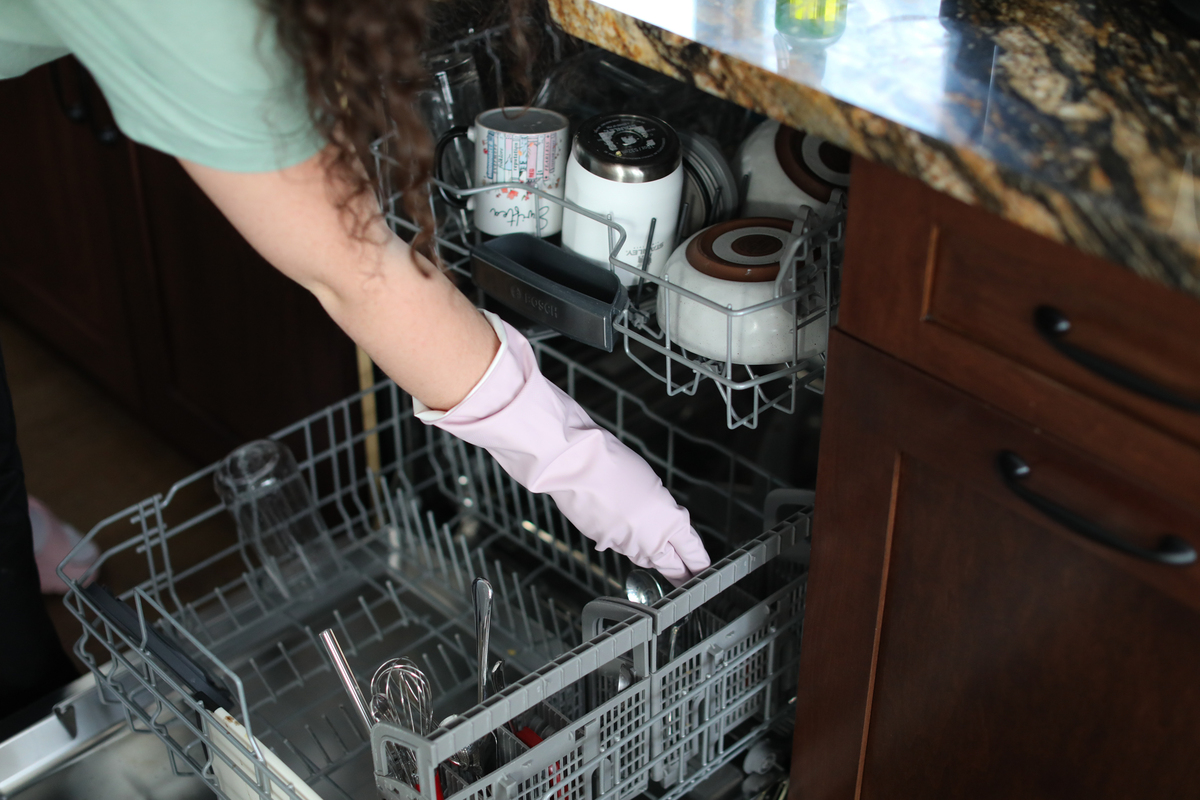
- Wear gloves to protect your skin from bleach.
- Keep bleach away from children and pets.
- Never use bleach on stainless steel racks or parts.
Preventing Dishwasher Odors And Build-up
Preventing odors and build-up in your dishwasher keeps it fresh and working well. Dirt, food scraps, and soap scum can gather in hidden places. This causes bad smells and clogs. Regular care helps avoid these problems. Simple habits keep your dishwasher clean and smelling good.
Regular Cleaning Schedule
Set a cleaning routine for your dishwasher. Clean the filter every week to stop clogs. Wipe down the door and seals often. Run an empty hot water cycle with a dishwasher cleaner once a month. This removes grease and build-up deep inside. Consistent cleaning keeps odors away and improves performance.
Proper Loading Techniques
Load dishes correctly to avoid food traps. Place large items on the sides or back. Keep space between dishes for water flow. Rinse off heavy food scraps before loading. Overloading blocks spray arms and causes dirt to stay. Good loading helps water reach all surfaces and reduces smell.
Using Hot Water Cycles
Use hot water cycles regularly to kill bacteria. Hot water dissolves grease and food better than cold. Run the dishwasher on the hottest setting once a week. This prevents mold and foul odors from growing. Hot cycles keep your dishwasher clean and fresh inside.
Credit: www.housework.com
Credit: www.rd.com
Frequently Asked Questions
Can I Use Bleach To Clean My Dishwasher?
Using bleach in a dishwasher is generally not recommended. Bleach can damage rubber seals and metal parts. Instead, use dishwasher-safe cleaners to maintain hygiene without harming your appliance.
Is Bleach Safe For All Dishwasher Types?
No, bleach is unsafe for dishwashers with stainless steel interiors. It can corrode metal surfaces and void warranties. Check your manufacturer’s guidelines before using any cleaning agents.
How Often Should I Clean My Dishwasher?
Clean your dishwasher monthly to prevent buildup and odors. Use vinegar or specialized dishwasher cleaners for safe and effective maintenance without damaging parts.
What Are Safer Alternatives To Bleach For Dishwashers?
Vinegar, baking soda, and commercial dishwasher cleaners are safe options. They effectively remove grime and kill bacteria without risking damage to your dishwasher.
Conclusion
Bleach can harm your dishwasher’s parts and seals. It may cause damage and reduce the machine’s life. Choose safer cleaners made for dishwashers instead. Regular cleaning helps keep your dishwasher fresh and working well. Always read your dishwasher’s manual for the best cleaning advice.
A clean dishwasher means cleaner dishes every time. Simple care keeps your machine running smoothly. Avoid bleach to protect your appliance and your dishes. Safe cleaning makes your kitchen healthier and your dishwasher last longer.