Have you ever wondered how much hot water your dishwasher really uses? It’s a common question, especially if you’re looking to save on utility bills or reduce your environmental footprint.
Understanding your dishwasher’s water usage not only helps you make informed decisions but can also lead to surprising savings. We’ll uncover the facts about how much hot water your dishwasher uses, providing insights that could transform how you view one of your kitchen’s most essential appliances.
Stick with us, and by the end, you’ll have all the knowledge you need to optimize your dishwashing routine and contribute to a more efficient home.

Credit: adityaretail.com
Dishwasher Water Usage Basics
Understanding how much hot water your dishwasher uses is key to managing your home’s energy and water bills. Dishwashers need a specific amount of hot water to clean effectively, but this amount can vary widely. Knowing the basics helps you make smarter choices about your appliance use and maintenance.
Average Water Consumption Per Cycle
Most modern dishwashers use between 3 to 5 gallons (11 to 19 liters) of water per cycle. Older models can consume significantly more, sometimes up to 10 gallons (38 liters). This difference can add up quickly, especially if you run your dishwasher daily.
Consider this: if your dishwasher uses 4 gallons per cycle and you run it every day, that’s about 120 gallons a month. Could this be a hidden factor in your water bill?
Factors Affecting Water Usage
Several elements influence how much water your dishwasher consumes:
- Dishwasher model and age:Newer, energy-efficient models use less water.
- Cycle type:Heavy-duty or sanitize cycles use more water than quick or eco-friendly cycles.
- Load size:Running the dishwasher with a full load uses water more efficiently than multiple smaller loads.
- Soil level of dishes:Heavily soiled dishes often require more water and longer cycles.
Think about your habits: are you running partial loads or choosing heavy cycles unnecessarily? Small changes here can reduce water use without sacrificing clean dishes.
Comparing Dishwashers And Hand Washing
Choosing between dishwashers and hand washing affects water use and energy bills. Both methods clean dishes well, but their water consumption differs. Understanding this helps save water and reduce costs.
Water Used In Hand Washing Dishes
Hand washing dishes often uses more water than expected. Running water while scrubbing wastes gallons quickly. Filling the sink and soaking dishes saves some water. On average, hand washing uses about 8 to 27 gallons per session. The exact amount depends on washing habits and sink size.
Efficiency Of Modern Dishwashers
Modern dishwashers use less water than older models and hand washing. Energy-efficient machines use around 3 to 5 gallons per cycle. They clean dishes thoroughly with less water and heat. Many models have eco modes to reduce water and energy use further. Sensors adjust water based on the load size, saving water automatically.
Impact Of Water Temperature
The temperature of the water your dishwasher uses plays a crucial role in its cleaning power and energy consumption. Hot water helps break down grease and food particles more effectively, but the right temperature balance is key. Using water that’s too hot or too cold can either waste energy or leave your dishes less clean.
Optimal Temperature For Cleaning
Most dishwashers perform best when the incoming water temperature is between 120°F and 140°F (49°C to 60°C). This range is hot enough to dissolve detergents efficiently and kill bacteria without damaging your dishes.
If the water is cooler than 120°F, you might notice spots or leftover food because the detergent won’t activate fully. On the other hand, water hotter than 140°F can cause premature wear on your dishwasher’s parts and increase energy use unnecessarily.
Think about your last load of dishes—did they come out spotless? If not, adjusting your water heater to this ideal range might be the simple fix you need.
Energy Costs Related To Hot Water
Heating water accounts for a significant portion of your dishwasher’s energy use. The hotter the water, the more energy your water heater consumes before the cycle even starts.
Lowering your water temperature by just 10 degrees can reduce your energy bill without sacrificing cleaning quality. For example, setting your water heater to 120°F instead of 140°F can save you around 3-5% on your annual energy costs.
Consider this: Are you paying extra to heat water hotter than necessary? Adjusting your water temperature not only saves money but also lowers your household’s environmental impact.

Credit: www.reddit.com
Water-saving Dishwasher Features
Water-saving features in modern dishwashers can significantly reduce your household’s hot water use. These technologies not only help cut down utility bills but also lessen your environmental impact. Understanding how these features work can help you choose the right dishwasher and optimize its use for maximum efficiency.
Eco-friendly Wash Cycles
Eco-friendly wash cycles are designed to use less water and energy while still cleaning your dishes effectively. These cycles typically run longer but operate at lower temperatures, reducing hot water consumption. Have you tried running your dishwasher on an eco-cycle? Many users find that their dishes come out just as clean without the usual water waste.
Some dishwashers offer specialized eco modes that adjust water flow and temperature based on the load size. This means you won’t waste water on smaller loads, which is a common issue in older models. Using eco cycles regularly can cut water use by up to 20% or more, depending on your dishwasher model and usage habits.
Soil Sensors And Load Detection
Soil sensors detect how dirty your dishes are and adjust the water usage accordingly. If your plates only have light residue, the dishwasher will use less water and shorten the wash cycle. This feature ensures you aren’t wasting hot water on dishes that don’t need intensive cleaning.
Load detection technology measures how many dishes are inside and optimizes water levels for that specific load. This means you save water when washing fewer dishes without compromising cleaning performance. Have you noticed your dishwasher adjusting its cycle time or water use? That’s the soil sensor and load detection at work, quietly saving you water and money.
Tips To Reduce Hot Water Use
Reducing hot water use in your dishwasher helps save energy and cuts utility bills. Simple habits make a big difference. Follow these tips to use less hot water while keeping dishes clean and fresh.
Proper Loading Techniques
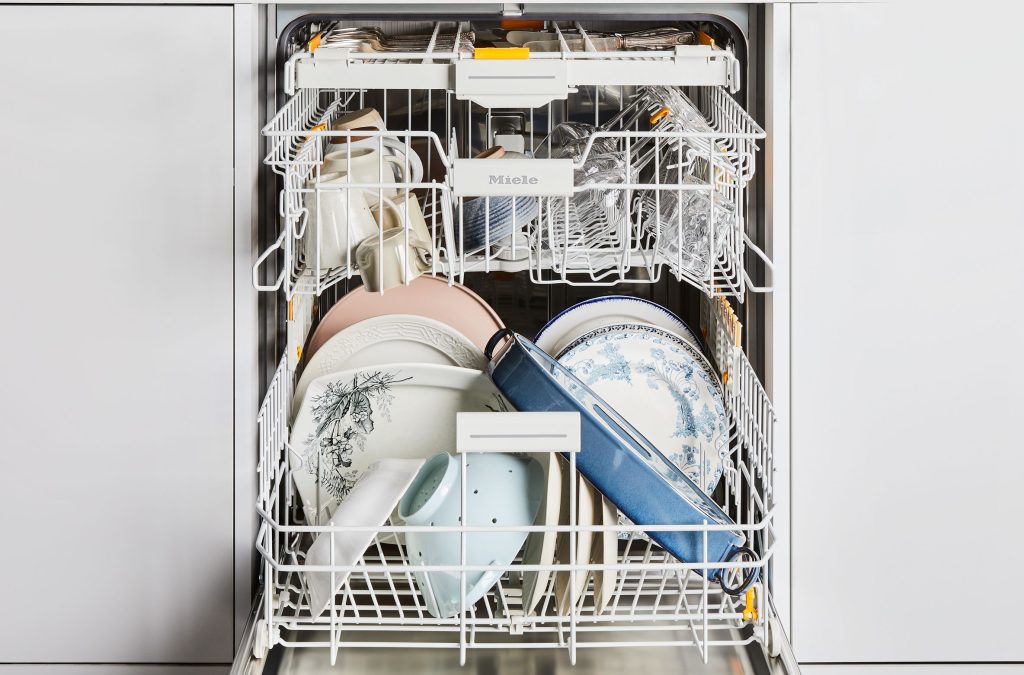
Load dishes carefully to avoid blocking water spray. Place large items along the sides and back. Position cups and glasses upside down to prevent water pooling. Avoid overcrowding. This helps water reach all surfaces quickly, reducing the need for extra hot water.
Choosing The Right Cycle
Use shorter or eco-friendly cycles for lightly soiled dishes. These cycles use less hot water and energy. Reserve heavy or intensive cycles for very dirty loads only. Selecting the correct cycle saves water and keeps your dishwasher efficient.
Credit: www.kitchenaid.com
Environmental And Cost Benefits
Understanding the environmental and cost benefits of how much hot water your dishwasher uses can change how you view this common household appliance. Using less hot water not only lowers your utility bills but also helps reduce your overall environmental impact. Let’s break down these advantages so you can see why efficient water use matters.
Lower Water Bills
Dishwashers typically use between 3 to 5 gallons of hot water per cycle, which is much less than hand washing dishes. This means you save a significant amount of water each time you run the machine. Over a month, those savings add up, leading to noticeably lower water bills.
Think about how many times you wash dishes daily. Reducing your dishwasher’s hot water use by just a small amount can cut your water expenses without sacrificing cleanliness.
Reducing Carbon Footprint
Heating water requires energy, often generated from fossil fuels. When your dishwasher uses less hot water, it consumes less energy, which directly lowers your home’s carbon footprint. This small change can contribute to a larger positive environmental impact over time.
Imagine the difference if every household took steps to reduce hot water use. What if you could cut your energy use and help the planet at the same time? Your dishwasher could be a simple but powerful tool in this effort.
Frequently Asked Questions
How Much Hot Water Does A Dishwasher Typically Use?
A dishwasher usually consumes about 4 to 6 gallons of hot water per cycle. This depends on the model and cycle type. Energy-efficient dishwashers use less water, saving both water and energy. Newer models optimize hot water usage for better cleaning.
Does Dishwasher Water Usage Affect Energy Bills?
Yes, hot water use in dishwashers impacts energy bills. Heating water consumes energy, so higher water use means more energy. Efficient dishwashers reduce hot water consumption, lowering energy costs. Using eco-friendly cycles can further minimize energy and water usage.
Can Using A Dishwasher Save Water Compared To Hand Washing?
Dishwashers generally use less water than hand washing. Modern dishwashers use about 4-6 gallons, while hand washing can use up to 20 gallons. Efficient dishwashers also save energy by heating only the necessary water volume. This makes dishwashers more eco-friendly overall.
What Factors Influence A Dishwasher’s Hot Water Consumption?
Hot water consumption depends on dishwasher size, model, and cycle chosen. Energy-efficient and eco-friendly cycles use less water. Older dishwashers usually consume more water and energy. Water temperature settings also affect overall hot water use during a wash cycle.
Conclusion
Dishwashers use different amounts of hot water depending on the model. Newer dishwashers tend to use less water and save energy. Knowing how much hot water your dishwasher uses helps you manage your bills better. Simple habits, like running full loads, reduce water waste.
Choosing an efficient dishwasher can lower your home’s water and energy use. Small changes make a big difference over time. Keep an eye on your dishwasher’s water use to stay smart and save money.