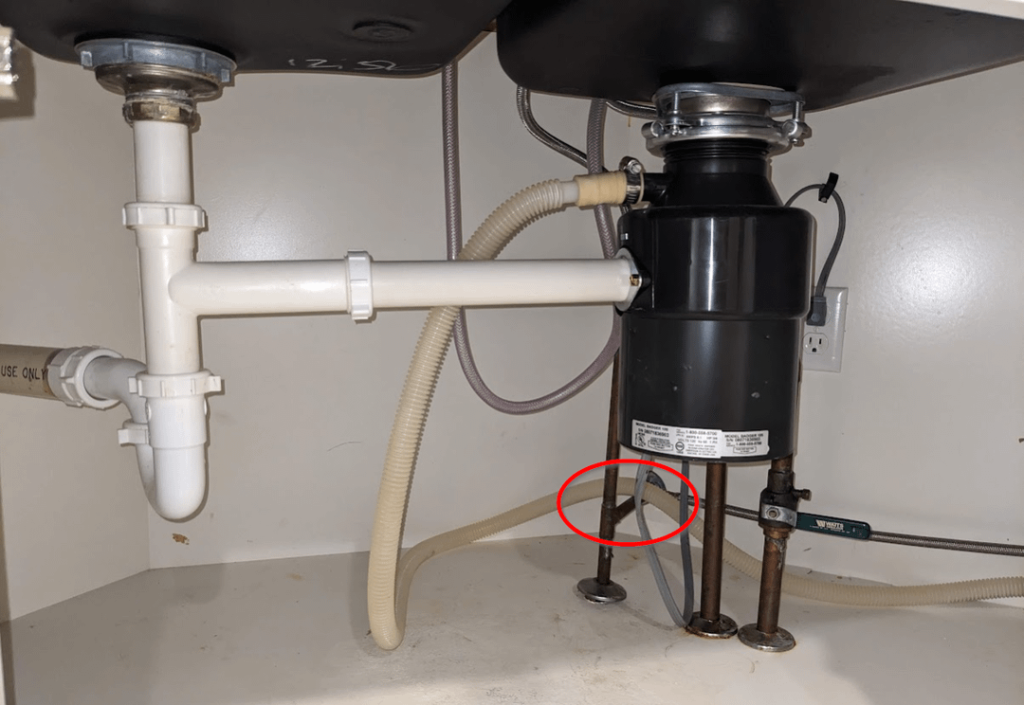
When setting up a new dishwasher, you might find yourself puzzled over whether to hook it up to hot or cold water. This simple decision can impact not only the efficiency of your appliance but also your energy bills and the cleanliness of your dishes.
Have you ever wondered which is the right choice for your home? Understanding the reasons behind this decision can save you time, money, and potential headaches. By the end of this article, you’ll have a clear answer and the confidence to get the most out of your dishwasher.
So, let’s dive into the details that will help you make the best choice for your kitchen.

Credit: www.reddit.com
Water Supply Options
Choosing the right water supply for your dishwasher affects its cleaning power and energy use. Dishwashers can connect to either hot or cold water, each with its own benefits and drawbacks. Understanding these options helps pick the best setup for your home and appliance.
Hot Water Connection
Connecting your dishwasher to hot water helps it clean dishes faster. Hot water breaks down grease and food particles more effectively. This connection reduces the dishwasher’s energy use since it doesn’t need to heat water. However, hot water lines must deliver water at the right temperature, usually around 120°F (49°C). Too hot water can damage dishes or the appliance.
- Speeds up the cleaning process
- Uses less dishwasher energy
- Requires stable hot water temperature
- Risk of damage if water is too hot
Cold Water Connection
Some dishwashers connect to cold water and heat it inside the machine. This method gives more control over water temperature. It ensures water heats to the exact level needed for cleaning. Cold water connections can be easier to install in some homes. The dishwasher uses more electricity because it heats the water itself.
- Dishwasher controls water temperature
- Easier installation in certain setups
- Uses more electricity for heating
- May take longer to finish cycles

Credit: www.walmart.com
Benefits Of Hot Water Hookup
Connecting your dishwasher to hot water offers several key benefits. Hot water helps break down grease and food particles faster. This leads to better cleaning results and less residue on dishes.
Hot water also supports the dishwasher’s heating elements. It helps maintain the right temperature during the cycle. This ensures that detergents work more effectively and dishes come out sparkling clean.
Improved Cleaning Efficiency
Hot water dissolves grease and tough stains quickly. It activates detergents, making them stronger and more effective. This means fewer cycles are needed to clean dishes properly. Hot water also reduces the chance of leftover food or spots on plates.
Reduced Cycle Time
With hot water, the dishwasher reaches the ideal temperature faster. This speeds up the washing and drying phases. Shorter cycles save energy and water without sacrificing cleanliness. Your dishes will be ready sooner, saving you time.
Advantages Of Cold Water Hookup
Choosing to hook up your dishwasher to cold water comes with several notable benefits. It can help you save energy, align with your appliance’s design, and even extend the dishwasher’s lifespan. Let’s look closer at why cold water hookup might be the smarter choice for your kitchen.
Energy Savings
Connecting your dishwasher to cold water allows the machine to heat only the amount of water it needs. This targeted heating means your home’s water heater doesn’t work harder than necessary, reducing overall energy consumption.
Have you noticed your energy bills spike during heavy dishwasher use? Cold water hookup can help cut those costs by avoiding pre-heated water from your home’s water heater. Over time, this simple change can make a real difference in your utility expenses.
Compatibility With Modern Dishwashers
Most modern dishwashers are built with efficient heating elements designed to heat cold water to the optimal temperature. Hooking up to cold water ensures the dishwasher controls the temperature precisely for better cleaning results.
Some dishwashers even have sensors that adjust wash cycles based on water temperature. Cold water hookup lets these features work correctly, improving performance and protecting delicate dishes. Are you making the most of your dishwasher’s technology by using the right water supply?

Credit: www.reddit.com
Factors Influencing Your Choice
Choosing whether to hook up your dishwasher to hot or cold water isn’t just a simple yes-or-no decision. Various factors come into play that can affect the appliance’s efficiency and your overall kitchen experience. Understanding these elements can help you make an informed choice that fits your home setup and your dishwasher’s needs.
Water Heater Type
Your water heater’s style plays a big role in deciding the water temperature for your dishwasher. If you have a tankless water heater, it supplies hot water on demand, which means your dishwasher can get hot water almost instantly. On the other hand, traditional tank heaters store hot water and might take longer to deliver it, potentially affecting your dishwasher’s cycle time.
Think about the temperature your heater can maintain consistently. Some models don’t heat water above a certain temperature, which might not be ideal for dishwashers that require very hot water for proper cleaning. Do you know the max temperature your heater can deliver?
Dishwasher Model Requirements
Not all dishwashers are built the same. Some models are designed to connect directly to hot water lines because they rely on hot water for optimal cleaning and sanitizing. Others have built-in heating elements that heat cold water internally, which means connecting to cold water could work just fine.
Check your dishwasher’s manual or manufacturer guidelines to see what they recommend. Connecting to the wrong water source might lead to longer cycle times or less effective cleaning. Have you looked into what your specific model needs?
Plumbing Setup
Your home’s existing plumbing can limit or expand your options. If your dishwasher is located far from the water heater, hooking it to hot water may cause delays in hot water delivery, wasting water and energy. In some cases, cold water connections are easier and more straightforward, reducing installation complexity.
Consider whether your plumbing allows for a direct hot water line without extra work or expense. It’s worth asking: does your setup support the easiest, most efficient connection for your dishwasher? Sometimes, a simple plumbing tweak can save you time and money in the long run.
Installation Tips
Getting your dishwasher hooked up correctly is key to its performance and longevity. Small mistakes during installation can lead to leaks, poor cleaning, or even damage. Paying attention to certain details will save you time and hassle down the road.
Checking Manufacturer Guidelines
Always start by reading the installation manual provided by the manufacturer. They specify whether your dishwasher should connect to hot or cold water and outline the required water pressure. Ignoring these instructions can void your warranty or cause malfunctions.
Sometimes, a dishwasher might come with specific hose types or connectors that you must use. Have you ever tried using a generic hose only to face leaks? Manufacturer-approved parts ensure a perfect fit and reliable seal.
Ensuring Proper Hose Connections
Secure hose connections prevent leaks and maintain proper water flow. Use plumber’s tape on threaded fittings to improve the seal. Check that hoses are not kinked or twisted, as this restricts water supply.
My own experience taught me to double-check hose clamps after installation. A loose clamp once caused water to drip behind my cabinets. Tighten them firmly but avoid over-tightening, which can damage the hose.
Testing Water Temperature
After hooking up your dishwasher, run a test cycle to verify water temperature. Dishwashers often perform better with hot water, but it’s essential to confirm the temperature matches the manufacturer’s recommendation. Use a thermometer to check if the water reaching the appliance is between 120°F and 140°F (49°C to 60°C).
What happens if the water is too cold? Detergents might not dissolve properly, leaving residue on your dishes. Too hot, and you risk damaging seals or plastics inside the machine. Adjust your water heater accordingly to get the best results.
Common Mistakes To Avoid
Knowing whether to hook up your dishwasher to hot or cold water is important, but avoiding common mistakes during installation can save you time, money, and frustration. Many people overlook critical details that affect your dishwasher’s performance and durability. Let’s look at some frequent errors and how you can steer clear of them.
Ignoring Temperature Settings
Many users assume the dishwasher’s internal heater handles all temperature needs, but connecting to the right water temperature is key. If you hook up to cold water, the dishwasher will waste energy heating it up, leading to longer wash cycles and higher utility bills.
On the other hand, connecting to water that’s too hot can damage seals and internal parts over time. Have you checked your home’s water heater temperature lately? Ideally, it should be set between 120°F and 140°F for dishwasher use. This balance ensures effective cleaning without harming the appliance.
Using Incorrect Hoses
Not all hoses are created equal, and using the wrong type can cause leaks or bursts. Dishwasher hoses need to be durable, flexible, and rated for hot water use. Using garden hoses or old, worn-out hoses can lead to costly water damage.
Make sure you use hoses labeled for dishwashers and inspect them regularly. Have you noticed any cracks or stiffness in your hose? Replacing it before problems arise is a simple step to avoid major headaches.
Overlooking Local Plumbing Codes
Every area has specific plumbing codes that regulate how dishwashers should be installed. Ignoring these rules can cause failed inspections or even unsafe setups. For example, some places require a high loop or air gap in the drain line to prevent backflow contamination.
Have you checked your local plumbing codes before installing your dishwasher? Consulting these guidelines ensures your installation is safe, legal, and efficient. It might seem like extra work, but it prevents complications down the road.
Energy Efficiency Considerations
Energy efficiency is a key factor to consider when deciding whether to hook up your dishwasher to hot or cold water. This choice directly affects how much power your dishwasher uses and the overall cost of running it. Understanding the impact on your utility bills and the environment can help you make a smarter decision.
Impact On Utility Bills
Connecting your dishwasher to hot water means it uses less energy to heat the water during the washing cycle. This can lower electricity consumption, especially if your water heater is energy-efficient. However, if your water heater is old or inefficient, it might increase your overall utility bills.
On the other hand, hooking your dishwasher to cold water forces the appliance to use more electricity to heat the water internally. This can raise your electricity costs but may reduce the workload on your water heater. Ask yourself: which appliance in your home is more energy-efficient—your dishwasher or your water heater?
Environmental Benefits
Using hot water from a high-efficiency water heater can reduce energy waste and lower your household’s carbon footprint. It’s often more eco-friendly to utilize a centralized heating system than to rely on the dishwasher’s internal heater.
Conversely, if your water heater runs on non-renewable energy and is inefficient, relying on the dishwasher’s built-in heating element might be better for the environment. Understanding your home’s energy sources and appliance efficiencies can guide you to a greener choice.
Troubleshooting Water Temperature Issues
Water temperature plays a crucial role in how well your dishwasher cleans. Problems with water temperature can cause poor cleaning and other issues. Understanding how to troubleshoot these problems can save time and improve your dishwasher’s performance.
Check the water heater settings first. The water entering the dishwasher should be hot enough for effective cleaning. Most dishwashers need water around 120°F (49°C) to work properly. If the water is too cold, dishes may come out dirty or spotted.
Dishwasher Not Heating Water
Some dishwashers have built-in heaters to warm water further. If the dishwasher does not heat water, it may affect cleaning power. This can happen due to a broken heating element or faulty thermostat. A technician can test and replace these parts if needed.
Make sure the dishwasher is connected to the hot water line. Cold water connection can prevent the dishwasher from reaching the right temperature. Confirm the water supply valve is fully open and the hose is not kinked.
Inconsistent Cleaning Results
Uneven water temperature causes dishes to clean poorly. Sometimes the water is hot, other times it is cold. This inconsistency can come from fluctuating water heater settings or supply issues.
Check for blockages in the water inlet valve or filters. Clogged filters reduce water flow and temperature control. Clean or replace filters regularly to maintain steady water temperature.
Hard water can also affect cleaning. Minerals build up inside the dishwasher and reduce heating efficiency. Use a dishwasher cleaner or water softener to prevent this problem.
Frequently Asked Questions
Should A Dishwasher Connect To Hot Or Cold Water?
Dishwashers should connect to hot water for effective cleaning. Hot water dissolves detergent better and removes grease efficiently. Connecting to hot water saves energy by reducing the dishwasher’s heating time. It ensures dishes come out cleaner and sanitized.
What Temperature Should Dishwasher Water Be?
Dishwasher water should be between 120°F and 140°F (49°C to 60°C). This range cleans effectively without damaging dishes. Water hotter than 140°F may cause damage, while colder water reduces cleaning power. Proper temperature improves detergent performance and sanitation.
Can A Dishwasher Handle Cold Water Supply?
While dishwashers can handle cold water, it’s not recommended. Cold water forces the dishwasher to heat it, increasing energy use and cycle time. Hot water supply improves cleaning efficiency and reduces wear on the dishwasher’s heating element.
Why Is Hot Water Better For Dishwashers?
Hot water activates detergents faster and dissolves grease more effectively. It ensures dishes dry faster and prevents bacterial growth. Hot water cycles also improve overall washing performance and reduce spotting on dishes.
Conclusion
Choosing the right water connection matters for your dishwasher’s performance. Hot water helps clean dishes better and faster. Cold water can work but may reduce cleaning power. Most dishwashers link to hot water to save energy and time. Check your dishwasher’s manual for specific advice.
Proper installation keeps your kitchen running smoothly. Simple steps lead to cleaner dishes every day.