Imagine you’re shopping for a new dishwasher, and you come across a term that leaves you scratching your head: dBA. What does dBA mean when it comes to dishwashers, and why should you care?
As you stand in the appliance aisle or browse online, understanding this term can make a significant difference in your choice. It’s more than just another spec to glance over; it directly affects your everyday life at home. Ever had a conversation disrupted by a noisy dishwasher?
Or found yourself raising the volume on your TV just to hear over the clatter? If so, knowing what dBA stands for and how it impacts your peace and quiet is crucial. Stick with us as we unravel the mystery behind dBA and show you how it can transform your kitchen experience, ensuring you make the smartest choice for your home.
Dba In Dishwashers
The term dBA in dishwashers refers to the noise level the machine produces during operation. It helps shoppers understand how loud or quiet a dishwasher is. Knowing the dBA value can make choosing a dishwasher easier, especially for homes where noise matters.
What Dba Measures
dBA stands for A-weighted decibels. It measures sound intensity adjusted for human hearing sensitivity. The scale mimics how the ear hears different frequencies. Lower dBA numbers mean quieter dishwashers. Higher numbers indicate louder machines. Typical dishwasher noise ranges from 40 to 60 dBA.
Why Noise Levels Matter
Noise levels affect comfort in the kitchen and nearby rooms. A dishwasher with low dBA runs quietly, causing less disturbance. It allows conversations and phone calls without raising voices. For open-plan homes, quiet dishwashers improve the living experience. Noise can also affect sleep if the dishwasher runs at night.
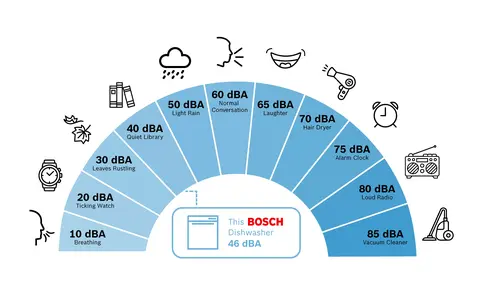
Credit: www.rona.ca
Typical Dishwasher Noise Levels
Understanding the noise levels of dishwashers can help you pick the right model for your home. Noise is measured in decibels (dBA), and it impacts your daily comfort, especially in open kitchens or small apartments. Let’s look at what typical dishwasher noise levels mean for your experience.
Quiet Models
Quiet dishwashers usually operate at around 38 to 44 dBA. At this range, the sound is soft enough that you can barely hear it running while doing other activities. Many newer models use advanced insulation and motor technology to reduce noise.
If you work from home or have a baby, choosing a quiet dishwasher can make a big difference. Imagine running your dishwasher during a conference call without worrying about background noise.
Average Noise Range
Most dishwashers fall between 45 and 50 dBA. This level is similar to a normal conversation or background music. It’s noticeable but not disruptive in a typical household setting.
Think about your current dishwasher—does it blend into the background, or do you find yourself turning up the TV to drown out the noise? This average range is what many homes experience daily.
Loud Dishwashers
Loud dishwashers can reach noise levels above 55 dBA. At this point, the sound can feel intrusive, especially in open-plan spaces. Older models or budget units often fall into this category.
Have you ever had to pause your favorite show because the dishwasher was too noisy? If so, it might be time to consider a quieter model to improve your home environment.
Energy Ratings Explained
Understanding energy ratings can change how you choose a dishwasher. These ratings show you how much electricity the appliance uses and help you pick one that saves money and the environment. Let’s break down what these ratings mean and why they matter for your home.
Energy Star Certification
The Energy Star label is a quick way to spot energy-efficient dishwashers. Products with this certification use less energy than standard models without sacrificing performance. If you want to reduce your carbon footprint without giving up clean dishes, look for this label.
For example, an Energy Star dishwasher can use 12% less energy and 30% less water compared to regular ones. That’s a big deal if you run your dishwasher daily.
How Ratings Are Determined
Energy ratings come from tests measuring how much electricity and water a dishwasher uses during typical cycles. These tests consider different wash settings and drying methods. The results translate into a score or label that tells you how efficient the appliance is.
Think about it like a report card for your dishwasher’s energy use. The lower the number or higher the star rating, the more efficient the machine.
Impact On Electricity Bills
Choosing a dishwasher with a better energy rating can significantly lower your electricity bills. Even small daily savings add up over time, especially if you have a large family or use the dishwasher frequently.
Have you ever checked your utility bill after upgrading an appliance? You might be surprised by the drop in costs. Investing a bit more upfront in an energy-efficient model often pays off in the long run.
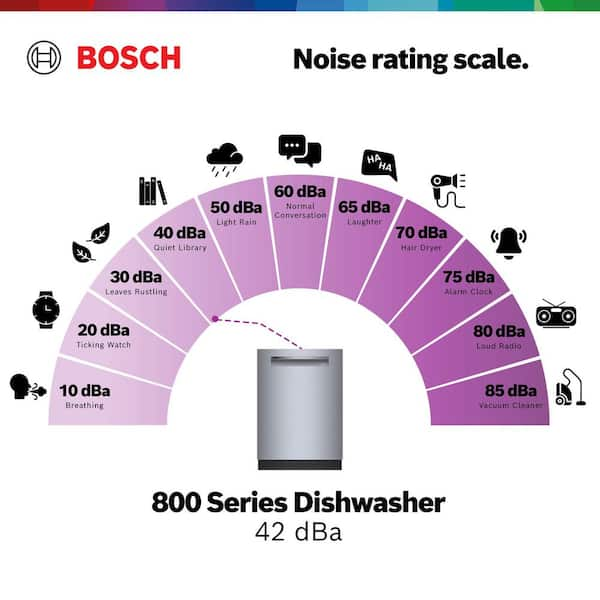
Credit: www.homedepot.com
Balancing Noise And Energy Efficiency
Balancing noise and energy efficiency in dishwashers requires understanding key factors. The decibel level (dBA) indicates how loud a dishwasher runs. Lower dBA means quieter operation, important for open kitchens or small homes. Energy efficiency shows how much power the dishwasher uses, affecting electricity bills and environmental impact.
Choosing a dishwasher often involves trade-offs. Some models run quietly but may use more energy. Others save energy but produce more noise. Finding the right balance depends on your priorities and daily routine.
Trade-offs Between Quiet And Efficient
Quiet dishwashers usually have better insulation and motors. These features reduce noise but can increase energy use. Some models use advanced technology to lower noise without high energy costs. Still, very quiet models often cost more.
Energy-efficient dishwashers save money over time. They use less water and electricity. However, these models sometimes have louder motors or less soundproofing. You might hear more noise during the wash cycle.
Understanding these trade-offs helps in making a smart choice. Consider what matters most: a peaceful kitchen or lower energy bills.
Choosing The Right Dishwasher For Your Needs
Assess your living space and lifestyle first. For open floor plans, a quiet dishwasher is key. In a busy household, energy efficiency might save more money.
- Check the dBA rating. Below 45 dBA is very quiet.
- Look for Energy Star certification for efficiency.
- Read user reviews about noise and power use.
- Consider dishwasher size and cycle options.
Balance these factors to find a dishwasher that fits your home. Prioritize what improves your daily comfort and savings.
Tips For Reducing Dishwasher Noise
Reducing dishwasher noise makes your kitchen more peaceful. Small changes help lower the sound a dishwasher makes. You can enjoy quiet meals and less distraction. Follow simple tips to keep noise at bay.
Installation Best Practices
- Place the dishwasher on a flat, stable surface to reduce vibration.
- Use soundproofing pads or mats beneath the machine.
- Ensure the dishwasher is tightly secured to cabinets or countertops.
- Check that water lines and drain hoses are not touching other surfaces.
- Keep space around the dishwasher for proper air circulation.
Maintenance To Minimize Sound
- Clean the filter regularly to avoid clogs and extra noise.
- Inspect spray arms for blockages or damage.
- Lubricate moving parts as recommended by the manufacturer.
- Check door seals for wear and replace if needed.
- Tighten loose screws or bolts inside the dishwasher.

Credit: sorensonsappliance.com
Popular Quiet And Energy-efficient Models
Choosing a dishwasher that balances quiet operation with energy efficiency can transform your kitchen experience. You want a model that cleans thoroughly without disturbing your home’s peace or driving up utility bills. Many popular models today focus on these features, making it easier to find one that fits your lifestyle.
Top Brands
Several brands stand out for their quiet and energy-saving dishwashers. Bosch is often praised for its whisper-quiet sound levels and effective cleaning cycles. Miele is another favorite, offering durable machines with smart energy use and sleek designs.
Samsung and LG also deliver competitive models that blend technology with low noise and energy efficiency. These brands include features like soil sensors and eco-friendly wash modes. Have you noticed how some dishwashers barely interrupt your conversation or TV time? These brands make that possible.
Model Comparisons
| Model | Noise Level (dBA) | Energy Rating | Special Features | Price Range |
|---|---|---|---|---|
| Bosch 800 Series | 42 dBA | Energy Star Certified | Flexible racks, quiet motor | $$$ |
| Miele G 7316 SCU | 44 dBA | Energy Star Certified | Auto-open drying, water efficiency | $$$$ |
| LG LDP6810SS | 44 dBA | Energy Star Certified | QuadWash, smart diagnosis | $$$ |
| Samsung DW80R9950US | 39 dBA | Energy Star Certified | StormWash, flexible loading | $$$ |
Looking at these models, which feature matters most to you? Is it the near-silent operation or the ability to save on energy bills? Some users find that the noise level impacts their overall satisfaction more than price.
Try to imagine your daily routine with a dishwasher humming quietly in the background. Would that change how often you run it or how you plan your kitchen time? Quiet and energy-efficient dishwashers can make a real difference in your home comfort and savings.
Frequently Asked Questions
What Does Dba Stand For In Dishwasher Ratings?
DBA stands for “decibels A-weighted,” measuring dishwasher noise levels. Lower dBA means quieter operation, essential for open kitchens and noise-sensitive spaces.
Why Is Dishwasher Dba Important For Buyers?
Dishwasher dBA indicates noise output, helping buyers choose quiet models. A lower dBA rating ensures less disturbance during operation, enhancing home comfort.
How Is Dishwasher Noise Measured In Dba?
Dishwasher noise is measured using a sound meter in decibels A-weighted. This scale reflects human ear sensitivity, providing an accurate noise level during a cycle.
What Is A Good Dba Rating For Dishwashers?
A good dishwasher dBA rating is between 40-50 dBA. This range offers quiet performance suitable for most households and open-plan living areas.
Conclusion
Understanding what DBA means in dishwashers helps you read manuals better. DBA stands for decibels, which measure noise levels. A lower DBA means a quieter dishwasher. This matters when you want a peaceful kitchen. Now, you can choose a dishwasher that fits your noise preference.
Keep this term in mind when shopping or reading reviews. It makes your decision easier and smarter. Simple knowledge like this improves your home experience.