Are you planning to install a new dishwasher in your kitchen? Before you dive in, there’s an essential question you need to answer: Are dishwashers hardwired or plugged in?
This seemingly simple detail can have a big impact on your installation process, safety, and even future repairs. You might feel a bit overwhelmed by the technical terms, but don’t worry. By understanding the difference between hardwired and plugged-in dishwashers, you can make an informed decision that suits your needs and ensures a hassle-free kitchen experience.
Keep reading to discover the pros and cons of each option and find out which one is right for your home. Your perfect dishwasher setup is just a few paragraphs away!
Power Options For Dishwashers
Understanding the power options for dishwashers is key before installation or replacement. The way your dishwasher connects to electricity affects not only convenience but also safety and compliance with local codes. Let’s break down the two common types of electrical connections you’ll encounter.
Hardwired Connections
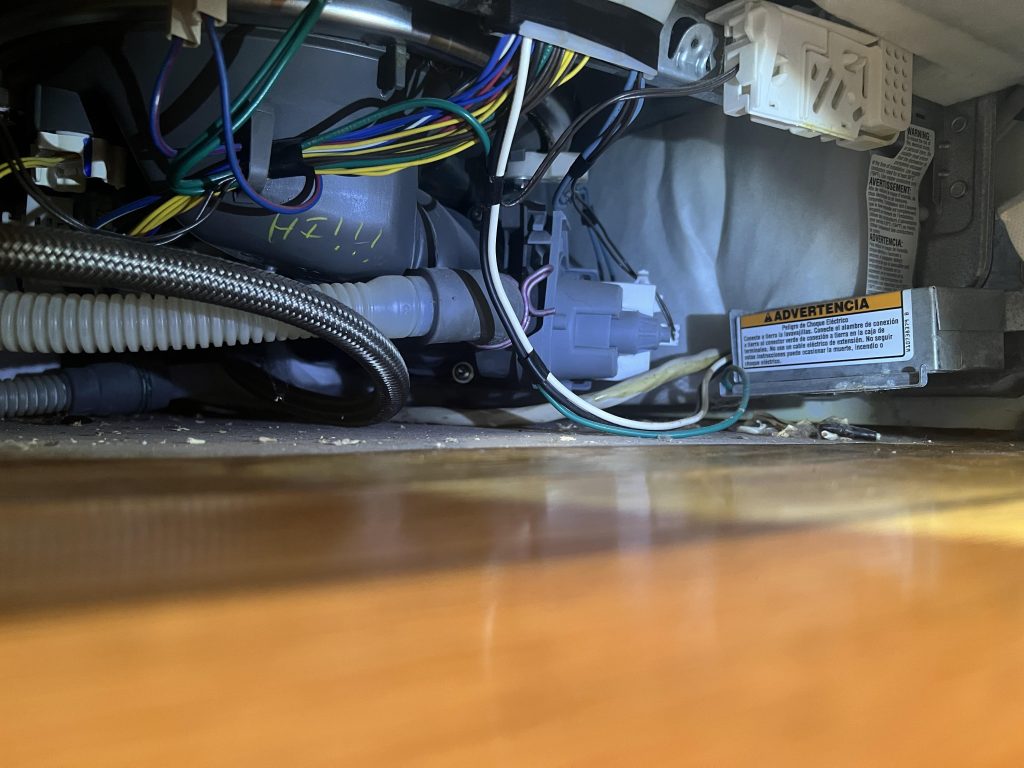
Hardwired dishwashers connect directly to your home’s electrical wiring. This means the dishwasher’s power cord is permanently attached to a junction box inside the unit. You won’t find a plug; instead, the wires are secured with wire nuts or connectors.
This setup often provides a cleaner look with no visible cords. It also reduces the risk of accidental disconnection, which can be important in busy kitchens. However, hardwiring usually requires a licensed electrician for installation to ensure safety and code compliance.
Have you noticed that many high-end or built-in dishwashers use hardwired connections? This is often because they are designed for a more permanent installation. If you plan on moving or replacing your dishwasher often, a hardwired setup might be less flexible.
Plug-in Connections
Plug-in dishwashers come with a power cord and plug, just like many other household appliances. You simply plug them into a nearby electrical outlet, making installation easier and faster for DIYers. This option offers more flexibility if you want to move your dishwasher or replace it without rewiring.
However, not every kitchen has an outlet conveniently placed for a dishwasher. Sometimes, adding an outlet can be an extra cost and hassle. Additionally, plugs can sometimes become loose or disconnected, which might interrupt your dishwasher’s operation.
Are you curious whether your kitchen is ready for a plug-in dishwasher? Check if there’s a dedicated outlet near your dishwasher space. If not, you might need to consider adding one or opting for a hardwired connection instead.

Credit: www.thespruce.com
Advantages Of Hardwiring
Hardwiring your dishwasher offers several clear advantages that go beyond just how it connects to power. Choosing this option can improve safety, streamline your kitchen setup, and provide a cleaner look. Understanding these benefits helps you decide what fits best for your home and lifestyle.
Safety Benefits
Hardwiring your dishwasher directly to your home’s electrical system reduces the risk of loose connections. This means fewer chances of sparks or electrical shorts, which can cause damage or even fires.
Since the wiring is secured inside the wall or under the sink, it’s less likely to get accidentally unplugged or damaged. Have you ever tripped over a loose cord? Hardwiring eliminates this hazard completely.
Plus, most local electrical codes require hardwiring for dishwashers to ensure proper grounding and circuit protection. This adds an extra layer of safety and peace of mind.
Space Efficiency
Without a bulky power cord and plug, hardwired dishwashers fit more neatly into your kitchen setup. This can make installation easier, especially in tight spaces where every inch counts.
Hardwiring keeps your kitchen counters and floors clear from extra cables, helping you maintain a clean and organized look. It also prevents the awkward bending or stretching of cords behind your appliance.
Have you noticed how a plugged-in appliance can sometimes make the area feel cluttered? Hardwiring solves that by tucking everything away, giving your kitchen a sleeker, more streamlined appearance.
Advantages Of Plugging In
Choosing to plug in your dishwasher instead of hardwiring it can make a noticeable difference in how you handle installation and future adjustments. Plug-in models offer a level of convenience that fits well with busy households and renters alike. Let’s look at why plugging in might be the smarter choice for your kitchen setup.
Ease Of Installation
Plug-in dishwashers can be set up quickly without the need for a professional electrician. You simply connect the power cord to a standard outlet, saving you time and installation costs.
This simplicity means you don’t need to worry about complex wiring or breaking electrical codes. If you’ve ever struggled with confusing electrical connections, you’ll appreciate how straightforward a plug-in dishwasher can be.
Flexibility And Mobility
With a plug-in dishwasher, moving or replacing the appliance becomes hassle-free. If you decide to rearrange your kitchen or upgrade your dishwasher, unplugging and relocating it is easy and safe.
Think about renting a home or moving to a new place. Wouldn’t it be great to take your dishwasher with you or swap it out without rewiring? This flexibility is a major advantage for many homeowners.
Common Installation Practices
Dishwasher installation varies by the setting where it is placed. The choice between hardwiring and plugging in depends on safety, convenience, and local codes. Understanding common installation practices helps in deciding the best option for each environment.
Residential Settings
Most home dishwashers use a plug-in connection. This allows easy replacement or repair without major work. A dedicated outlet under the sink or near the dishwasher is typical. Homeowners often prefer plug-in models for simplicity.
Some homes have dishwashers hardwired. This is common in older houses or custom kitchens. Hardwiring offers a cleaner look with no visible cords. Local electrical codes may require hardwiring for new installations.
- Plug-in models use standard 120-volt outlets.
- Hardwired units connect directly to the electrical panel.
- Both options require a dedicated circuit for safety.
Commercial Settings
Commercial dishwashers usually require hardwired installation. These machines demand higher power and continuous operation. Hardwiring ensures a stable and secure electrical connection.
Plugging in commercial dishwashers is rare due to power needs. Electricians install dedicated circuits with appropriate breakers. This prevents overloads and meets strict safety regulations.
- Hardwired connections handle higher voltage and amperage.
- Installation follows strict codes for health and safety.
- Maintenance is easier with fixed wiring in commercial kitchens.
Electrical Requirements And Codes
Dishwashers must meet specific electrical requirements to work safely and efficiently. These rules ensure proper connection and protect your home from electrical hazards. Following codes helps avoid damage and keeps your appliance running smoothly.
Local Regulations
Different areas have unique rules for dishwasher installation. These rules decide if you can plug in the dishwasher or if it must be hardwired. Local codes also specify the type of outlet or wiring needed. Checking with local authorities before installation is important. This step avoids fines and ensures safety.
Circuit Specifications
Dishwashers usually require a dedicated circuit. This means the circuit is only for the dishwasher and no other appliance. The typical circuit size is 15 or 20 amps. Using the correct circuit prevents overloads and tripped breakers.
Wiring must follow code standards, often using 12 or 14 gauge wire. The dishwasher should connect to a Ground Fault Circuit Interrupter (GFCI) for added protection. Proper grounding and circuit breakers reduce the risk of shock or fire.

Credit: www.reddit.com
When To Choose Hardwired Vs Plugged In
Deciding between a hardwired or plugged-in dishwasher can impact your kitchen’s functionality and safety. Your choice depends on several factors, including your kitchen layout and the type of appliance you own. Understanding these can help you avoid costly changes down the line and make installation smoother.
Kitchen Design Considerations
Think about how your kitchen is set up. If your dishwasher is close to an existing outlet, a plugged-in model can save you time and money. But if there’s no nearby outlet or you want a cleaner look without visible cords, hardwiring might be better.
Also, consider future kitchen upgrades. Installing a hardwired dishwasher can offer more flexibility if you plan to remodel. You won’t need to worry about moving outlets or finding new power sources later.
Appliance Compatibility
Not all dishwashers are created equal. Some require a dedicated hardwired connection to meet electrical codes or manufacturer guidelines. Check the manual or product details before buying to avoid surprises.
If your dishwasher has a power cord, plugging it in is usually straightforward. However, some high-end models come without cords and need professional hardwiring. Are you ready to call an electrician, or would you prefer a plug-and-play option?
Safety Tips For Dishwasher Installation
Installing a dishwasher safely protects your home and ensures the appliance works well. Proper installation reduces risks of electrical shocks and water damage. Always follow safety tips to avoid accidents during setup.
Professional Assistance
Hire a licensed electrician or plumber for dishwasher installation. They understand electrical codes and plumbing rules. Professionals handle hardwired or plugged-in connections correctly. This prevents hazards like short circuits or leaks. Experts also check the wiring and water lines for safety.
Regular Maintenance
Keep your dishwasher in good shape with regular checks. Inspect the power connection and water hoses often. Look for signs of wear or damage. Clean filters and spray arms to improve performance. Routine maintenance prevents breakdowns and safety problems.
Credit: www.diychatroom.com
Frequently Asked Questions
Are Dishwashers Typically Hardwired Or Plugged In?
Most dishwashers are hardwired directly into the electrical system. Some models use a power cord and plug, depending on local codes and installation preferences. Hardwiring offers a cleaner look and secure connection but may require professional installation.
Can I Convert A Dishwasher From Plug-in To Hardwired?
Yes, you can convert a dishwasher from plug-in to hardwired. This usually involves removing the power cord and connecting the wires directly to the circuit. Hiring a licensed electrician is recommended to ensure safety and code compliance.
What Are The Benefits Of A Hardwired Dishwasher?
Hardwired dishwashers provide a stable and permanent electrical connection. They reduce the risk of accidental unplugging and often comply better with local electrical codes. Hardwiring also creates a cleaner installation without visible cords or plugs.
Is It Safe To Plug In A Dishwasher To A Regular Outlet?
Plugging a dishwasher into a regular outlet is possible if the outlet is properly grounded and dedicated. However, many local codes require dishwashers to be hardwired. Always check local regulations and consult a professional electrician.
Conclusion
Dishwashers can be either hardwired or plugged in. Each option has its own benefits and rules. Hardwiring offers a clean look without cords. Plugging in makes installation easier and flexible. Always check local electrical codes before installation. Choose what fits your kitchen and needs best.
Proper setup ensures safety and good dishwasher work. Understanding this helps you make smart decisions. Simple steps lead to a smooth dishwasher experience.