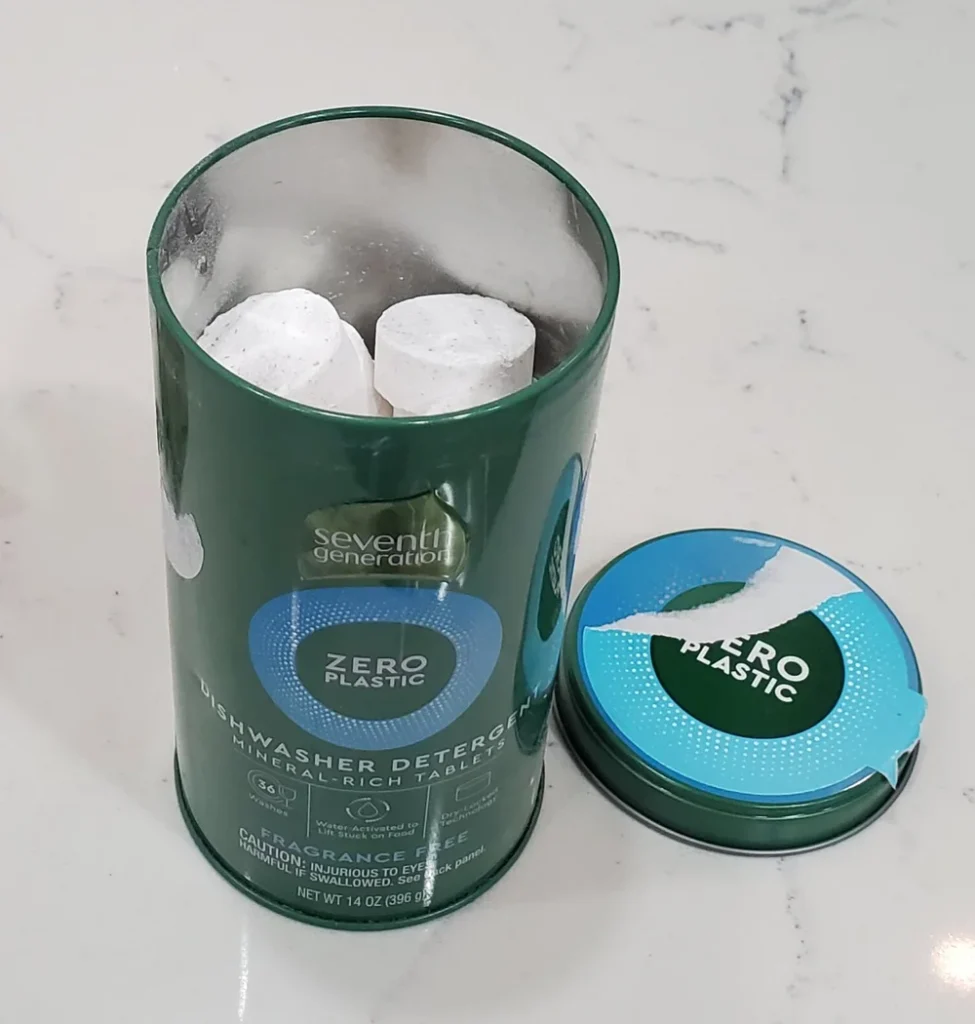
Are you tired of worrying about the hidden plastics in your cleaning products? You’re not alone.
Many people just like you are becoming more conscious of the environmental impact of everyday items. This is especially true when it comes to dishwasher pods. But what if there was a way to keep your dishes sparkling clean without the guilt of contributing to plastic pollution?
Enter Seventh Generation dishwasher pods. But, are these pods truly plastic-free? Stick around, because by the end of this article, you’ll have all the answers you need. Discover the truth about these eco-friendly cleaning solutions and how they can fit into your sustainable lifestyle. Your curiosity might just lead you to a cleaner, greener kitchen.

Credit: www.amazon.com
Seventh Generation Brand Values
Seventh Generation is a brand known for its strong values. It focuses on creating products that protect people and the planet. Their mission goes beyond just making cleaning items. They want to reduce harm to the environment and promote health. Understanding these values helps explain their approach to dishwasher pods and packaging.
Commitment To Sustainability
Seventh Generation puts sustainability first in every product. They use renewable resources and avoid harmful chemicals. Their goal is to lower waste and pollution. Packaging often uses recycled or compostable materials. This reduces the amount of plastic that ends up in landfills or oceans. The company also supports fair labor and ethical sourcing.
Focus On Eco-friendly Products
Seventh Generation designs products that are safe for the environment and people. Their dishwasher pods aim to clean effectively without toxic ingredients. They avoid synthetic fragrances and dyes that can pollute water. Many products are biodegradable, breaking down naturally after use. This focus aligns with their promise to protect future generations and nature.

Credit: www.amazon.com
Ingredients In Seventh Generation Pods
Understanding the ingredients in Seventh Generation dishwasher pods reveals their commitment to safer cleaning. These pods aim to reduce harmful substances often found in traditional detergents. They focus on using ingredients that clean effectively but stay gentle on the environment and health.
Common Chemicals Used
Many dishwasher pods use chemicals that help break down grease and food stains. These can include:
- Phosphates – improve cleaning but harm water life.
- Chlorine bleach – kills bacteria but can irritate skin.
- Fragrances – add scent but may cause allergies.
- Sulfates – create suds but can be harsh on the skin.
Seventh Generation avoids these harsh chemicals to protect users and nature.
Natural Alternatives
Seventh Generation uses plant-based ingredients instead of harsh chemicals. These include:
- Plant-derived surfactants – break down grease safely.
- Enzymes – naturally remove food residues.
- Citric acid – softens water and prevents spots.
- Essential oils – provide natural fragrance without irritation.
These natural alternatives clean effectively while reducing environmental impact.
Packaging Materials
Packaging materials play a crucial role in determining the environmental impact of dishwasher pods. Even if the pods themselves are plastic-free, the packaging can still contribute to plastic waste. Understanding what goes into Seventh Generation’s packaging helps you make informed choices about your household products.
Plastic Components In Packaging
Seventh Generation often uses plastic in the outer packaging of their dishwasher pods. This includes shrink wrap or plastic film designed to keep the pods fresh and intact during shipping and storage. While this plastic is typically thin, it still adds to the plastic waste problem if not properly recycled.
Many consumers overlook this detail, focusing only on the pod itself. But have you ever checked if the packaging is recyclable or made from recycled plastic? You might find that the plastic components are minimal but still present, which is important to consider if you’re aiming for a fully plastic-free cleaning routine.
Biodegradable Or Compostable Options
Seventh Generation has taken steps towards using more sustainable packaging options. Some of their products come in cardboard boxes that are recyclable and made from post-consumer recycled materials. This reduces reliance on plastic and helps lower the environmental footprint.
However, fully biodegradable or compostable packaging is still limited in their dishwasher pod range. If you want to avoid plastic completely, look for packaging labeled as compostable or certified biodegradable. These options break down naturally and don’t contribute to landfill waste.
Could switching to brands that offer compostable packaging be a small change with a big impact for your home? Paying attention to both the pod and its packaging will help you make greener choices every time you shop.
Plastic-free Claims Examined
Many people want to know if Seventh Generation dishwasher pods are truly plastic-free. This section looks closely at their plastic-free claims. It explains what plastic-free means and examines the statements made by Seventh Generation. This helps you understand if these pods meet your eco-friendly standards.
What Plastic-free Means
Plastic-free means no plastic is used in the product or packaging. It also means no microplastics or plastic residues remain after use. Products labeled plastic-free should avoid synthetic materials that harm the environment. True plastic-free items often use natural or biodegradable alternatives.
Plastic-free does not always mean zero impact. Some products may use plastic in small amounts or in parts like seals. Checking the full product details helps confirm if it is truly plastic-free. Understanding this term helps avoid confusion about eco-friendly claims.
Seventh Generation’s Marketing Statements
Seventh Generation promotes its dishwasher pods as eco-friendly and safe. They highlight plant-based ingredients and recyclable packaging. Their pods are free from chlorine bleach, phosphates, and dyes.
The company states the pods use a water-soluble film to hold ingredients. This film is made from PVA (polyvinyl alcohol), which breaks down in water. Some people debate if PVA counts as plastic because it is synthetic but biodegradable.
Seventh Generation does not claim the pods are 100% plastic-free. Instead, they focus on reducing plastic use and using safer materials. Their marketing stresses sustainability and less environmental harm compared to traditional pods.
Environmental Impact Of Dishwasher Pods
Dishwasher pods have changed the way many of us clean our dishes, offering convenience and efficiency. But have you ever stopped to think about what happens to these pods after use? The environmental impact of dishwasher pods is an important topic that goes beyond just sparkling dishes. Understanding this impact can help you make better choices for your home and the planet.
Microplastics Concerns
Many dishwasher pods use plastic-based films that dissolve during the wash. However, traces of microplastics can still enter waterways from residues or packaging fragments. These tiny plastic particles are harmful because they don’t break down easily and can accumulate in oceans and rivers.
You might wonder how something so small could cause big problems. Microplastics affect aquatic life by entering the food chain, which eventually impacts human health too. Choosing pods with biodegradable or plastic-free coatings can reduce this risk significantly.
Waste And Recycling Challenges
Even if the pod film dissolves, the packaging often adds to household waste. Many dishwasher pod containers are made from mixed materials, making recycling difficult. This creates a challenge for waste management systems and increases landfill pressure.
Think about the last time you tried to recycle a pod container. Was it accepted by your local recycling program? If not, it likely ended up as trash. Opting for brands that use fully recyclable or compostable packaging can help lower your environmental footprint.
What small changes can you make in your buying habits to support a cleaner planet? Sometimes, simple swaps in everyday products can add up to big environmental benefits.

Credit: www.gianteagle.com
Alternatives To Conventional Pods
Many people want to avoid plastic in their dishwasher pods. Conventional pods often use plastic or plastic-like films. These can harm the environment and add to plastic waste. Alternatives to these pods focus on using natural or plastic-free materials. These options clean dishes well and reduce plastic pollution.
Other Plastic-free Brands
Several brands offer dishwasher pods without plastic packaging. They use compostable wrappers or no wrappers at all. Some popular choices include:
- Dropps – Compostable film and eco-friendly ingredients
- Ecover – Uses plant-based packaging and natural cleaners
- Grab Green – Biodegradable wrappers and safe formulas
These brands aim to reduce plastic waste and keep your dishes clean. Choosing them supports a greener lifestyle.
Diy Dishwasher Pod Recipes
Making your own dishwasher pods is simple and cost-effective. You control the ingredients and avoid plastic packaging. A basic recipe includes:
- 1 cup washing soda
- 1 cup baking soda
- 1/2 cup citric acid
- 1/2 cup salt
- Water to bind
Mix dry ingredients, then add a little water. Press into small molds and let dry. Store pods in a glass jar. These DIY pods work well and are plastic-free.
Consumer Tips For Eco-friendly Dishwashing
Switching to eco-friendly dishwashing is more than just buying green products. It involves making thoughtful choices that reduce waste and protect the planet. By focusing on what you use and how you handle the leftovers, you can make a real difference in your daily routine.
Choosing The Right Product
Not all dishwasher pods are created equal. Look for pods labeled as plastic-free or wrapped in compostable materials. Seventh Generation, for example, offers pods with plant-based ingredients and minimal packaging, which helps cut down on plastic waste.
Check the ingredients list to avoid harmful chemicals. You want a product that cleans well but is gentle on the environment. Have you ever wondered if your current pods leave behind microplastics? Switching might be easier than you think.
Proper Disposal And Recycling
Eco-friendly dishwashing doesn’t stop at using the right pods. How you dispose of the packaging plays a big role. Composting compostable wrappers or recycling cardboard boxes keeps waste out of landfills.
Read the disposal instructions on your pod packaging carefully. Some pods dissolve completely in water, but their wrappers may need special handling. If you’re unsure, local recycling centers can guide you on what goes where.
What if everyone took a moment to sort their dishwashing waste properly? Small actions like this add up quickly and help protect our environment for the future.
Frequently Asked Questions
Are Seventh Generation Dishwasher Pods Plastic Free?
Seventh Generation dishwasher pods are not completely plastic free. Their outer film is made from a water-soluble plastic called PVA. This film dissolves during the wash, reducing plastic waste but still contains plastic components.
What Materials Are In Seventh Generation Dishwasher Pods?
These pods contain plant-based ingredients for cleaning and a PVA film. PVA is a biodegradable plastic, which dissolves in water during use. The pods are designed to minimize environmental impact but are not 100% plastic free.
Are Seventh Generation Pods Eco-friendly?
Yes, they are eco-friendly compared to traditional pods. The ingredients are plant-derived and the packaging is recyclable. However, the dissolvable PVA film means they aren’t fully plastic free but still reduce plastic pollution.
How Does The Pva Film Impact The Environment?
PVA film dissolves in water and biodegrades under certain conditions. It breaks down faster than conventional plastics. However, it may not fully degrade in all water systems, so it still poses some environmental concerns.
Conclusion
Seventh Generation dishwasher pods offer a more eco-friendly option. They use plant-based ingredients and avoid harmful plastics. The pods dissolve completely in water, leaving no plastic waste behind. This choice helps reduce plastic pollution in oceans and landfills. Choosing these pods supports a cleaner environment.
Small actions can make a big difference over time. Consider switching for a greener, safer clean. Your dishes get clean, and the planet stays healthier. Simple changes like this help protect nature for future generations.