Are you considering a new dishwasher for your kitchen but wondering if it will fit into your space? You’re not alone.
Many people assume dishwashers come in a standard size, but that’s not always the case. The truth is, dishwashers come in various sizes, and finding the right one can make a significant difference in your kitchen’s functionality and aesthetics. Imagine how much easier your life could be with a dishwasher that perfectly fits your kitchen layout.
No more awkward gaps or cramped spaces. We’ll explore the different sizes dishwashers come in and help you discover the perfect fit for your home. Whether you have a cozy kitchen or a spacious culinary haven, knowing your options can transform the way you manage daily chores. So, let’s dive in and find the perfect match for your needs!
Dishwasher Size Categories
Dishwashers come in various sizes to fit different kitchen spaces and household needs. Understanding these size categories helps you choose the right model without wasting space or compromising on capacity. Let’s look at the common dishwasher size categories you’ll encounter.
Standard Dishwashers
Standard dishwashers typically measure about 24 inches wide. They fit well in most kitchens and offer the largest capacity, handling up to 12-16 place settings.
If you often cook large meals or host gatherings, this size suits your needs perfectly. However, make sure your kitchen layout can accommodate this width comfortably.
Compact Dishwashers
Compact dishwashers are smaller, usually around 18 inches wide. They’re ideal if you have limited space or live alone and don’t generate a lot of dirty dishes.
These models save space but expect a reduced capacity, often around 6-8 place settings. Have you considered how often you run your dishwasher? If daily loads are small, compact models could save you water and energy.
Slimline Dishwashers
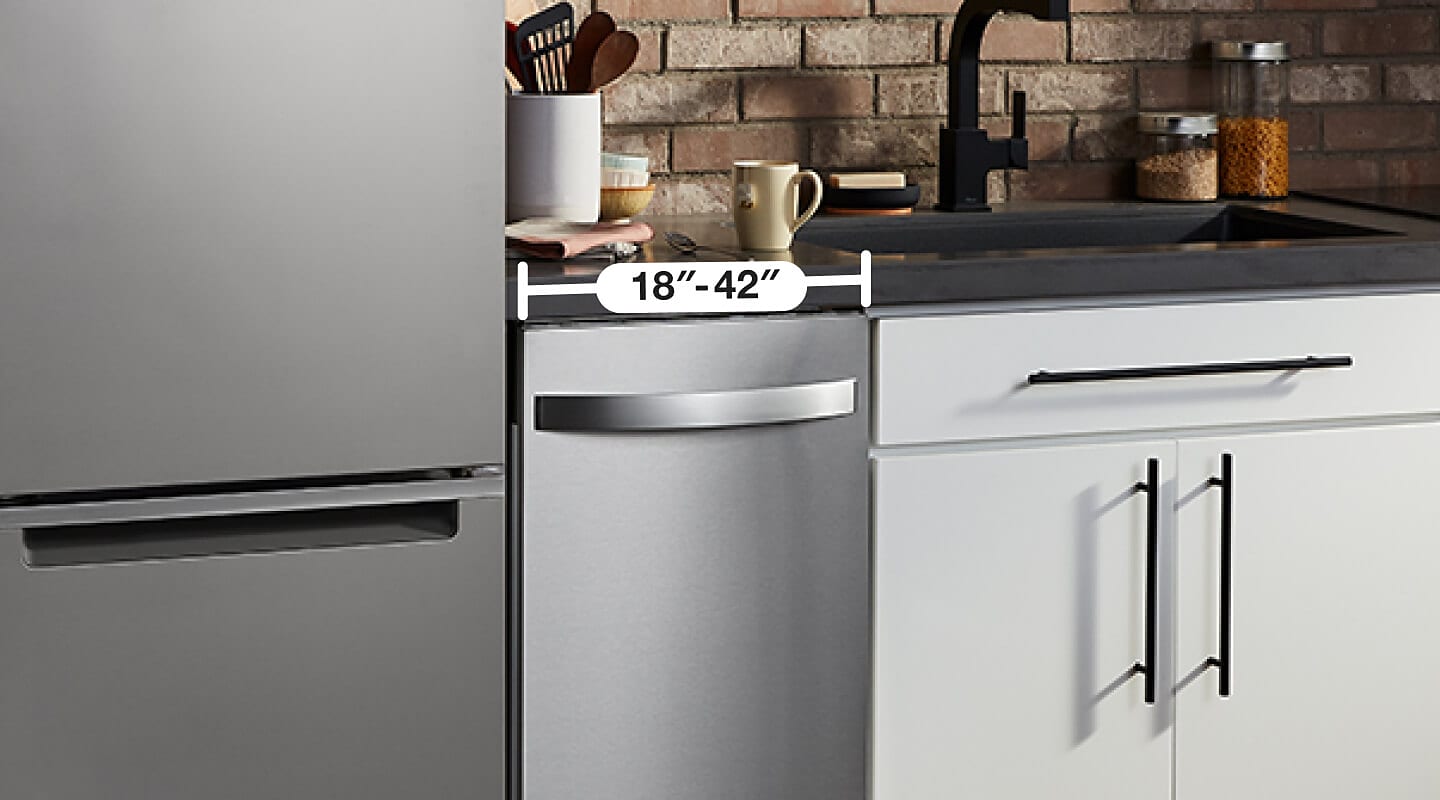
Slimline dishwashers fall between standard and compact sizes, generally around 20 inches wide. They provide a balance between size and capacity, offering more space than compact models without taking up as much room as standard units.
This size is perfect for smaller families or kitchens with limited counter space. Think about your kitchen’s layout: could a slimline dishwasher offer the best fit without sacrificing too much capacity?
Credit: www.whirlpool.com
Dimensions To Consider
Choosing the right dishwasher means paying close attention to its dimensions. Not every kitchen can fit a standard model, so understanding the size details helps you avoid costly mistakes. Let’s break down the key measurements you should check before making a decision.
Height And Width
Height and width are the first dimensions to measure in your kitchen space. Most dishwashers have a standard width of about 24 inches, but you can find narrower models around 18 inches for smaller kitchens.
Height matters, too, especially if you have countertops or cabinets above the installation spot. Make sure the dishwasher’s height fits comfortably without forcing you to remove or adjust fixtures. Have you measured the exact space between your countertop and floor to confirm this?
Depth And Installation Space
Depth affects how far the dishwasher will stick out from your cabinet line. Standard dishwashers usually measure around 24 inches deep, but some compact or portable models are shallower.
Don’t forget to leave enough clearance for door swing and ventilation. If your kitchen layout is tight, a dishwasher that extends too far could block walkways or cabinet doors. Think about how much room you need for easy loading and unloading.
Interior Capacity
Interior capacity determines how many dishes your machine can handle in one go. Capacity is often measured in place settings, with standard models holding 12 to 16 settings.
If you frequently host dinners or have a large family, a bigger capacity saves time and energy. On the other hand, if you live alone or in a small household, a compact model might be more efficient. What’s your typical dish load after a meal?
Choosing The Right Size For Your Kitchen
Choosing the right dishwasher size matters for your kitchen’s comfort and efficiency. The perfect fit saves space and meets your cleaning needs. Consider several factors before deciding on the size that works best.
Assessing Available Space
Measure the area where the dishwasher will go. Check width, height, and depth carefully. Leave room for opening doors and drawers. Ensure enough space for plumbing and electrical connections. Small kitchens need compact models to keep everything neat.
Matching Kitchen Layout
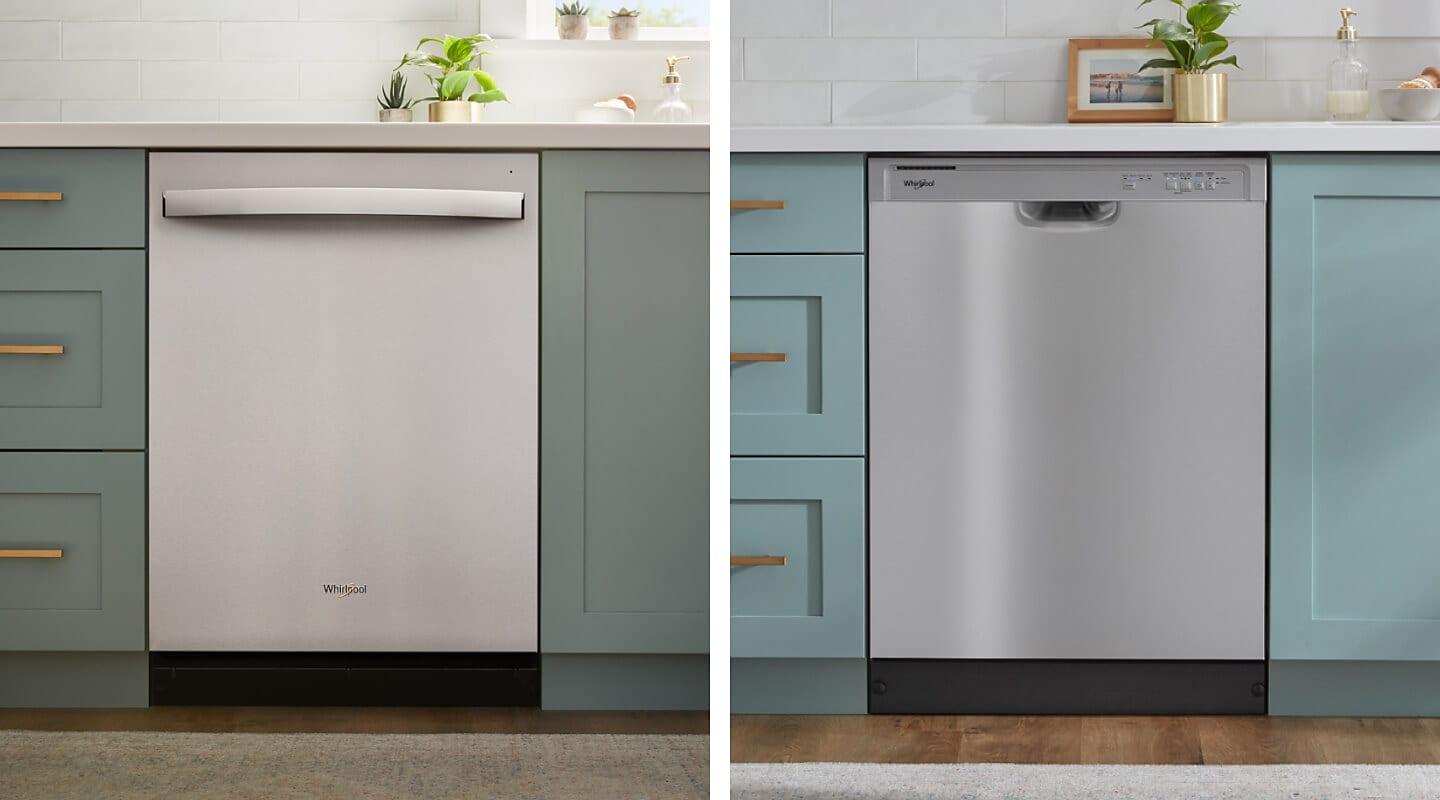
Think about your kitchen’s design. A dishwasher should blend with cabinets and counters. Built-in dishwashers fit flush with cabinetry. Portable or drawer models suit flexible layouts. Choose a size that complements your kitchen flow.
Considering Household Size
Dishwasher size depends on how many people live with you. Larger families need bigger machines with more capacity. Singles or couples may prefer slim or compact dishwashers. Match dishwasher size to daily dishwashing volume for convenience and energy savings.
Built-in Vs Portable Dishwashers
Choosing between built-in and portable dishwashers depends on space and convenience. Both have unique features that suit different kitchen setups and lifestyles. Understanding their differences helps in picking the right option for your home.
Size Differences
Built-in dishwashers are usually larger and fit under the kitchen counter. They have a standard width of about 24 inches. Portable dishwashers are smaller, often around 18 inches wide. They are designed to fit in tight spaces and can be stored away when not in use.
Installation Requirements
Built-in dishwashers need permanent installation. They connect to water and electrical lines under the sink. This requires professional help and some kitchen remodeling. Portable dishwashers only need access to a faucet and drain. They come with hoses that attach easily and do not need permanent plumbing changes.
Flexibility And Mobility
Built-in dishwashers stay fixed in one place. They offer stability and a sleek look. Portable dishwashers can be moved around. They roll on wheels and can be stored when not needed. This makes them ideal for renters or small kitchens without extra space.
Specialty Dishwasher Sizes
Specialty dishwashers come in unique sizes and shapes. They suit specific needs and spaces. These models offer great flexibility beyond standard options. Ideal for small kitchens, apartments, or unique layouts. Choosing the right size makes dishwashing easier and more efficient.
Drawer Dishwashers
Drawer dishwashers slide out like a drawer. They fit well in compact kitchens. Two drawers often work independently. Wash small loads without wasting water or energy. Their design makes loading and unloading simple. Perfect for homes with limited space or small families.
Countertop Dishwashers
Countertop dishwashers sit on kitchen counters. They connect easily to the sink faucet. Small and portable, they suit renters and dorm rooms. Ideal for washing cups, plates, and small pots. Save space and avoid complicated installation. Great for quick cleaning tasks in tight areas.
Compact Dishwashers For Small Spaces
Compact dishwashers are smaller than standard models. They fit under counters or in tight spots. These units handle fewer dishes but save kitchen room. They often have the same features as full-size dishwashers. Ideal for singles, couples, or small kitchens. Compact design meets small-space needs efficiently.
Impact Of Size On Performance
Dishwasher size affects how well it works in many ways. Size impacts the load it can hold, how much energy it uses, and how long each wash cycle takes. Choosing the right size can improve cleaning results and save time and energy.
Loading Capacity
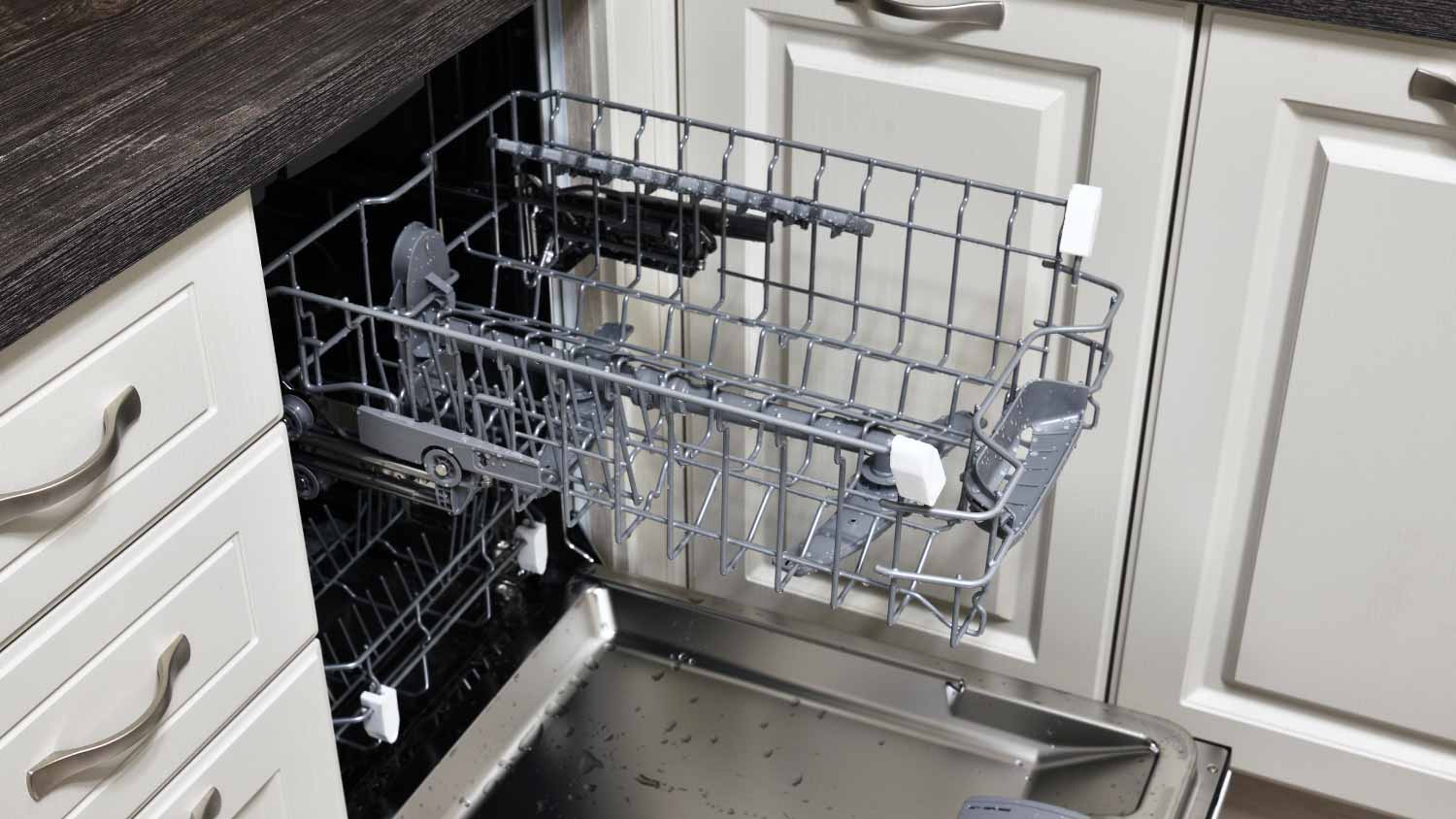
Bigger dishwashers hold more dishes in one cycle. This means fewer washes are needed for large families or big meals. Smaller models fit better in tight spaces but hold fewer plates, cups, and utensils. Correct capacity prevents overcrowding, which helps dishes get cleaner.
Energy Efficiency
Size changes energy use during each wash. Large dishwashers may use more water and electricity per cycle. Small dishwashers often consume less energy but might need more cycles for many dishes. Energy-efficient models balance size and power to save on bills.
Cycle Duration
Cycle time often depends on dishwasher size. Larger machines may take longer to clean a full load. Smaller units might finish faster but need more cycles overall. Some dishwashers adjust cycle length based on load size to save time and energy.
Measuring Your Space Accurately
Measuring your space accurately is the cornerstone of choosing the right dishwasher size. Without precise measurements, even the best dishwasher model can become a poor fit for your kitchen. Taking the time to measure carefully ensures you avoid costly mistakes and frustration during installation.
Tools Needed
To measure your space correctly, gather a reliable tape measure and a notepad to jot down dimensions. A level can help check that surfaces are even, which affects fitting. Having a helper can also make measuring easier and more precise, especially for awkward corners or tight spaces.
Common Measurement Mistakes
A frequent mistake is measuring only the width and forgetting height or depth. This oversight can lead to ordering a dishwasher that won’t slide under the counter or fit between cabinets. Another error is ignoring the space needed for door clearance and plumbing connections, which can add several inches to the required space.
Tips For Accurate Measurement
- Measure width, height, and depth separately, writing each down clearly.
- Measure twice to confirm accuracy before ordering.
- Include extra space for door swing and hoses—usually 1 to 2 inches beyond the dishwasher’s dimensions.
- Check for obstacles like cabinet handles or electrical outlets that might interfere.
Have you ever bought something that looked perfect on paper but didn’t fit your space? Avoid that frustration by investing a few extra minutes in measuring your kitchen carefully. It’s a small step that saves you big headaches later.
Credit: www.angi.com
Popular Dishwasher Sizes By Brand
Dishwashers come in many sizes tailored to different kitchen spaces. Brands offer models that fit small apartments to large family kitchens. Choosing the right size depends on your needs and available space. Understanding popular sizes by brand helps make smart buying choices.
Each brand has size options designed for specific uses. Compact models suit tight spaces. Full-size models handle bigger loads. Some brands also provide slim or extra-wide options.
Top Brands And Their Models
- Bosch:Known for 24-inch standard models and 18-inch compact versions.
- Whirlpool:Offers 24-inch, 18-inch, and some 22-inch models.
- KitchenAid:Focuses on 24-inch full-size dishwashers with advanced features.
- Samsung:Provides 24-inch and 18-inch sizes with smart technology.
- GE Appliances:Has a wide range from compact 18-inch to standard 24-inch models.
Size Variations Across Brands
Most brands offer two main sizes: 24-inch and 18-inch dishwashers. The 24-inch size fits most kitchens and holds more dishes. The 18-inch size suits smaller spaces but loads fewer dishes. Some brands create unique sizes like 22-inch or wider models for specific needs.
Compact dishwashers are perfect for apartments or small homes. Full-size dishwashers work well for families or frequent use. Size choice affects how many dishes you can wash at once.
Price Range And Size Correlation
| Size | Typical Price Range | Notes |
|---|---|---|
| 18-inch Compact | $300 – $700 | Lower cost, smaller capacity, ideal for small kitchens |
| 24-inch Standard | $400 – $1200+ | Higher capacity, more features, suits most households |
| Special Sizes (22-inch, Extra-wide) | $600 – $1500+ | Less common, may include premium features |
Prices rise with size and added features. Compact dishwashers are usually less expensive. Standard sizes have more options and higher price points. Unique sizes may cost more due to rarity.
Credit: www.whirlpool.com
Frequently Asked Questions
Do Dishwashers Come In Standard And Compact Sizes?
Yes, dishwashers come in various sizes, including standard (24 inches) and compact (18 inches). This helps fit different kitchen spaces and user needs.
What Are The Benefits Of Different Dishwasher Sizes?
Different sizes offer flexibility. Larger models handle more dishes, while compact ones save space and suit smaller households.
Can I Install A Dishwasher In Small Kitchens?
Absolutely. Compact and slimline dishwashers are designed for small kitchens, providing efficient cleaning without taking up much space.
Are There Dishwasher Sizes For Large Families?
Yes, standard and extra-large dishwashers accommodate large families by offering higher capacity and multiple wash cycles.
Conclusion
Dishwashers come in many sizes to fit different kitchens. Small spaces can use compact models easily. Larger families might prefer full-size dishwashers for more capacity. Choosing the right size saves space and energy. It also helps clean dishes better and faster.
Think about your kitchen size and daily needs. This way, you get a dishwasher that works well for you. Size matters, but so does convenience and efficiency. Make a choice that fits your home perfectly.