
Are you planning a kitchen upgrade or simply curious about your dishwasher’s electrical needs? Understanding whether your dishwasher requires its own circuit can be crucial.
Not only does it ensure safety, but it also optimizes performance. Picture this: you’ve just loaded your dishwasher after a big family dinner, and halfway through, everything shuts off. Frustrating, right? This scenario can often be avoided with the proper electrical setup.
By the end of this article, you’ll have a clear understanding of your dishwasher’s electrical needs and how it impacts your everyday convenience and safety. Stick around to find out how a dedicated circuit can make all the difference.
Dishwasher Power Requirements
Understanding dishwasher power requirements helps ensure safe and efficient operation. Dishwashers need a steady power supply to run their motors, heating elements, and control systems. Knowing the voltage and amperage helps decide if a separate circuit is necessary. Energy use varies during different wash cycles, affecting overall consumption.
Typical Voltage And Amperage
Most residential dishwashers operate on 120 volts, which is standard for kitchen appliances. Their amperage usually ranges from 10 to 15 amps depending on the model. Some high-end or commercial units may require more power. Checking the appliance label or manual gives exact electrical needs.
Standard wiring for dishwashers often uses a 15-amp or 20-amp circuit breaker. This protects the circuit from overload and prevents fire hazards. Using a dedicated circuit ensures the dishwasher gets enough power without tripping breakers.
Energy Consumption Patterns
Dishwashers consume more electricity during heating cycles when they warm water. Motors and pumps also draw power but less than heating elements. Energy use varies by cycle length, water temperature, and load size.
Modern dishwashers have energy-saving modes that reduce consumption. These modes use lower water temperatures and shorter cycles. Understanding these patterns helps in planning the electrical setup and managing energy bills.
Circuit Basics For Appliances
Understanding the basics of electrical circuits helps in deciding if a dishwasher needs its own circuit. Appliances draw different amounts of power. Knowing how circuits work prevents electrical problems. It also keeps your home safe and efficient.
Understanding Circuit Capacity
Circuit capacity means how much electrical load a circuit can handle safely. It is measured in amperes, or amps. Each circuit has a limit to avoid overheating or tripping the breaker. Appliances like dishwashers use a certain amount of amps when running.
The total amps used by appliances on the same circuit should not exceed the circuit capacity. Overloading a circuit can cause damage or power loss. Knowing the capacity helps to plan proper electrical setups in your home.
Common Household Circuit Ratings
Most household circuits have standard ratings to match common appliances. Typical circuits include:
- 15-amp circuits for lights and small appliances
- 20-amp circuits for kitchen outlets and larger devices
- 30-amp or higher circuits for heavy appliances like ovens or dryers
Dishwashers usually require a dedicated 15- or 20-amp circuit. Sharing circuits with other high-power devices can cause frequent breaker trips. Knowing these ratings helps to ensure your dishwasher runs smoothly and safely.
Benefits Of A Dedicated Circuit
Having a dedicated circuit for your dishwasher offers several important benefits. It enhances safety, boosts performance, and ensures your home meets electrical codes. These advantages help maintain your appliance’s longevity and protect your household from electrical issues.
Safety Advantages
A dedicated circuit reduces the risk of electrical overloads. Dishwashers draw significant power, which can trip breakers on shared circuits. This separation prevents sparks and fires caused by overheating wires. It also minimizes damage to other devices on the same circuit.
Performance Improvements
With its own circuit, the dishwasher runs more efficiently. Power supply stays steady without interruption from other appliances. This stability allows the dishwasher to operate smoothly and complete cycles without interruption. It also helps avoid sudden shutdowns that could harm the machine.
Code Compliance
Electrical codes often require dishwashers to have dedicated circuits. Following these rules avoids penalties and safety violations. Proper wiring keeps your home up to standard and helps with insurance claims. Compliance also supports future inspections and home sales by ensuring safe installation.
Electrical Codes And Regulations
Understanding the electrical codes and regulations around dishwashers is crucial for safety and functionality. These rules determine whether your dishwasher needs its own circuit or can share one with other appliances. Ignoring these guidelines can lead to electrical hazards or frequent tripping of breakers.
National Electrical Code Guidelines
The National Electrical Code (NEC) provides a clear framework on dishwasher circuits. According to NEC, dishwashers typically require a dedicated 120-volt, 15- or 20-amp circuit. This ensures they receive enough power without overloading your home’s electrical system.
NEC also specifies the use of grounded outlets and proper wire sizing. These details might seem technical, but they prevent shocks and electrical fires. Have you ever experienced frequent breaker trips when running your dishwasher? That could be a sign your dishwasher shares a circuit it shouldn’t.
Local Code Variations
Local electrical codes can differ from the NEC guidelines. Some areas might allow dishwashers to share circuits under specific conditions, while others strictly require a dedicated circuit. This depends on local safety priorities and inspection rules.
Before starting installation or upgrades, check with your local building department. They can clarify any unique requirements or permits needed. This step saves you from costly rewiring or failed inspections later on.
Knowing these regulations empowers you to make safer choices. Does your current setup follow these codes? If not, it might be time to consult a professional electrician.
Signs You Need A Separate Circuit
Knowing when your dishwasher needs its own circuit can save you from unexpected electrical problems and costly repairs. If your kitchen’s electrical system isn’t set up right, it can cause safety hazards and disrupt your daily routine. Watch out for clear warning signs that indicate your dishwasher is drawing more power than your current wiring can handle.
Frequent Circuit Breaker Trips
Does your circuit breaker trip every time you run the dishwasher? This is a strong indicator that your dishwasher shares a circuit with other high-power appliances, causing overloads. Each time the breaker trips, it cuts power to prevent damage, but repeated trips mean your circuit is struggling.
Imagine trying to run your dishwasher and microwave simultaneously, only to have the power shut off mid-cycle. That’s not just frustrating; it’s a sign that your electrical setup isn’t supporting your kitchen’s needs. A dedicated circuit for the dishwasher can prevent these interruptions and keep your kitchen running smoothly.
Appliance Malfunctions
Have you noticed your dishwasher behaving oddly? Maybe it stops mid-cycle, doesn’t drain properly, or fails to heat water efficiently. These malfunctions could stem from inconsistent power supply caused by shared circuits.
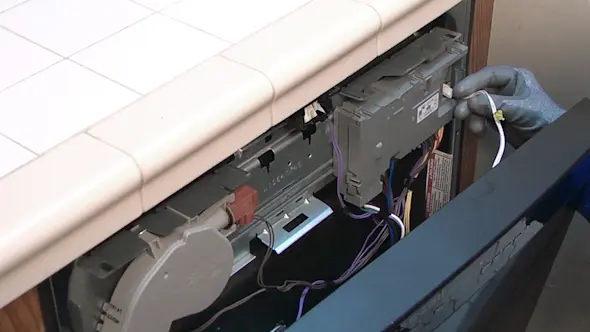
Electrical fluctuations can confuse the dishwasher’s control board or damage internal components over time. If you’ve ruled out mechanical issues, consider whether your dishwasher’s power source is stable. A separate circuit provides consistent electricity, reducing the risk of malfunctions and extending your appliance’s lifespan.
Credit: www.searspartsdirect.com
Installation Considerations
Installing a dishwasher involves more than just sliding it under the counter and plugging it in. You need to consider the electrical setup to ensure safety and efficiency. Proper installation protects your home and helps your dishwasher perform at its best.
Wiring Requirements
Your dishwasher often requires a dedicated circuit to handle its electrical load safely. This means the wiring should be separate from other appliances like refrigerators or microwaves. Typically, a 120-volt, 15- or 20-amp circuit is recommended for most dishwashers.
Using the correct wire gauge is crucial—usually 12 or 14 gauge, depending on the circuit breaker size. Make sure the wiring includes a ground wire to reduce the risk of electrical shock. Incorrect wiring can cause frequent tripping or even damage to your dishwasher.
Have you checked if your home’s existing wiring supports these requirements? It’s worth inspecting before you start installation to avoid surprises.
Professional Vs Diy Installation
Installing a dishwasher yourself might save money upfront, but it comes with risks. A professional electrician understands local electrical codes and can ensure the wiring is safe and compliant. This reduces fire hazards and potential damage to your appliance.
On the other hand, if you have experience with electrical work, a DIY installation could be manageable. Just be sure to turn off power at the breaker and use a voltage tester before handling wires. Also, double-check your local regulations—some areas require licensed professionals for this kind of work.
Would you feel confident handling wiring tasks, or would you prefer to call a pro for peace of mind? The choice affects both safety and long-term reliability of your dishwasher setup.
Alternatives To A Dedicated Circuit
Not everyone can install a dedicated circuit for their dishwasher. There are other ways to power a dishwasher without a separate circuit. These alternatives have pros and cons. Understanding them helps you decide what works best for your home.
Shared Circuit Risks
Using a shared circuit means your dishwasher shares power with other devices. This can cause the circuit to overload. Overloading trips the breaker and stops your dishwasher. It may also affect other appliances on the same circuit.
Shared circuits increase the chance of electrical problems. Some appliances need stable power. A dishwasher’s motor and heating element draw a lot of electricity. Sharing the circuit can reduce performance or cause damage over time.
Using Power Strips And Extensions
Power strips and extension cords are common alternatives. They offer easy connection without rewiring. But they are not ideal for dishwashers. Dishwashers draw high current, which many power strips cannot handle.
Using power strips can cause overheating and fire risks. Extensions may lead to voltage drops, affecting dishwasher function. It is safer to use a direct wall outlet designed for heavy appliances. Always check the power rating before using any strip or extension.

Credit: www.reddit.com

Credit: www.reddit.com
Frequently Asked Questions
Does A Dishwasher Require Its Own Electrical Circuit?
Yes, most dishwashers need a dedicated circuit to handle their power demand. This prevents overloads and ensures safe operation.
What Size Circuit Breaker Is Needed For A Dishwasher?
Typically, a 15- or 20-amp circuit breaker is required for dishwashers. The exact size depends on the dishwasher’s electrical specifications.
Can A Dishwasher Share A Circuit With Other Appliances?
It is not recommended to share circuits with dishwashers. Sharing can cause circuit overloads and potential safety hazards.
Why Is A Dedicated Circuit Important For Dishwasher Safety?
A dedicated circuit prevents electrical overloads and reduces fire risk. It ensures the dishwasher runs efficiently and safely without interruptions.
Conclusion
A dishwasher often works best on its own circuit. This helps avoid electrical overloads and keeps your home safe. Separate circuits allow the dishwasher to run smoothly without tripping breakers. Always check your local electrical codes before installation. Hiring a professional electrician is a smart choice for safety.
Proper wiring protects your appliances and prevents damage. Keeping your dishwasher on its own circuit means fewer problems later. It’s a small step that saves time and money. Don’t overlook this important detail for your kitchen’s electrical setup.