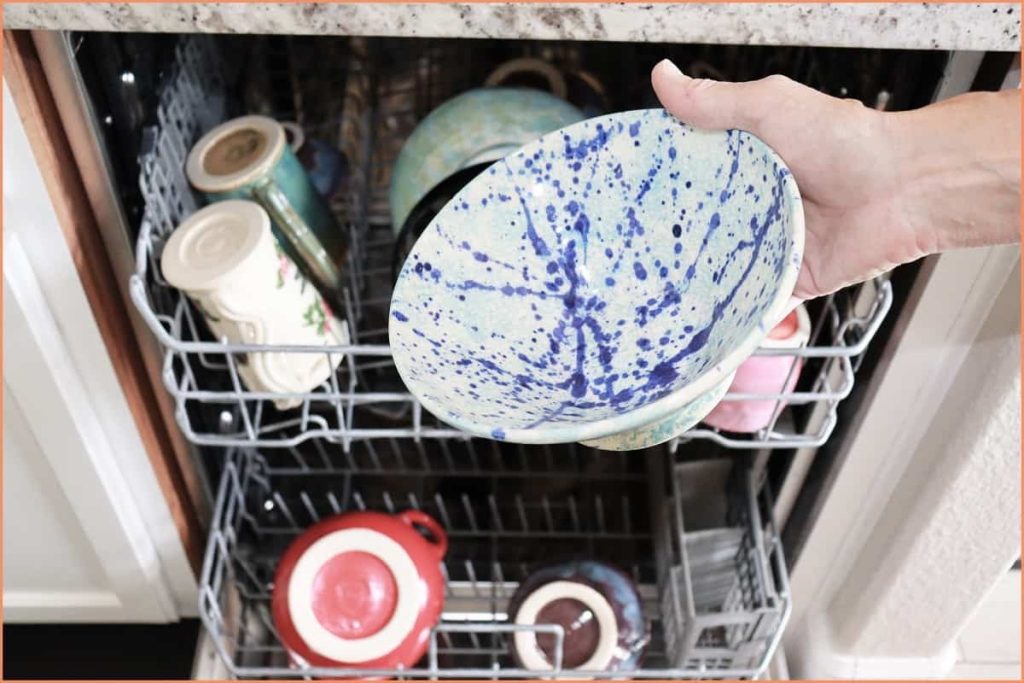
You just finished a delicious meal and now face the aftermath: a pile of dirty dishes. Among them, your beautiful stoneware pieces stare back at you.
You wonder, “Can stoneware go in the dishwasher? ” You’re not alone. Many people share this common kitchen conundrum. You want to ensure your stoneware remains as stunning and functional as the day you bought it. You’ll discover the secrets to caring for your stoneware, and whether or not it can safely take a spin in the dishwasher.
Stay with us, and unlock the key to maintaining your kitchen treasures effortlessly. Your stoneware’s longevity might just depend on it!

Credit: www.reddit.com
Stoneware And Dishwasher Safety
Stoneware is popular for its durability and classic look. Many wonder if it is safe to clean stoneware in a dishwasher. Understanding the material and common beliefs helps in making the best choice for care. Proper cleaning ensures your stoneware lasts longer and keeps its charm.
Material Properties Of Stoneware
Stoneware is a type of ceramic made from clay fired at high temperatures. This process makes it dense, strong, and less porous than other ceramics. Its surface is usually glazed, creating a smooth, sealed finish. This glaze helps protect the stoneware from stains and water absorption.
The high firing temperature means stoneware can handle heat well. It resists chipping and cracking under normal use. However, sudden temperature changes can cause damage. Careful handling during washing is important to avoid thermal shock.
Common Myths About Dishwashers
Many believe dishwashers can damage stoneware. This idea comes from fears about heat and water pressure. Dishwashers use hot water and strong sprays that may seem harsh.
- Myth: Dishwashers cause stoneware to crack easily.
- Myth: The glaze will wear off quickly in a dishwasher.
- Myth: Dishwashers cause color fading in stoneware.
In reality, most stoneware can safely go in the dishwasher. Modern dishwashers use controlled heat and water flow. This reduces the risk of damage. Still, avoid overcrowding the dishwasher to prevent items from bumping together.

Credit: potterycrafters.com
Risks Of Using Dishwashers For Stoneware
Stoneware is popular for its durability and classic look. Yet, using a dishwasher for cleaning stoneware carries risks. The strong heat and water pressure inside dishwashers can damage the stoneware’s surface and structure. Understanding these risks helps protect your stoneware and keep it looking great for years.
Heat And Water Pressure Effects
Dishwashers use high heat to clean and dry dishes quickly. This heat can cause stoneware to expand and contract. Repeated exposure to this heat may weaken the stoneware over time.
Water jets in dishwashers are powerful. They can hit the stoneware with force. This pressure might wear down the glaze or cause small scratches. These effects reduce the stoneware’s shine and smoothness.
Potential For Cracking And Chipping
Stoneware is strong but not unbreakable. Sudden changes in temperature can cause cracks. Hot water followed by a cold rinse stresses the material.
Items bumping into each other during washing can chip stoneware edges. Even small chips make the piece fragile. Cracks and chips can grow bigger with use.
Best Practices For Cleaning Stoneware
Keeping your stoneware clean without damaging its surface requires some care and attention. Stoneware is durable but sensitive to harsh cleaning methods. Knowing the right way to wash it can extend its life and keep it looking great.
Hand Washing Techniques
Hand washing is often the safest way to clean stoneware. Use warm water and a soft sponge or cloth to gently remove food residue. Avoid soaking stoneware for long periods, as this can weaken the glaze or cause cracks over time.
Have you noticed how stubborn stains sometimes resist even thorough scrubbing? Letting your stoneware soak briefly in warm, soapy water before wiping can make cleaning easier without scrubbing hard.
Using Mild Detergents
Choose mild, non-abrasive detergents to protect the stoneware’s surface. Harsh chemicals can erode the glaze and cause discoloration. A gentle dish soap works well and keeps your stoneware safe.
Think about the last time you used a strong cleaner on your dishes—did you notice any dullness or roughness afterward? Mild detergents prevent that and maintain the smooth finish you want.
Avoiding Abrasive Tools
Steer clear of steel wool, rough scrubbers, or harsh brushes. These tools can scratch and damage the surface, leading to permanent marks. Instead, opt for soft sponges or nylon brushes designed for delicate cookware.
Does your stoneware have tiny scratches or dull spots? Abrasive tools might be the cause. Using the right cleaning tools preserves the look and quality of your stoneware for years.
When Dishwasher Use Is Acceptable
Stoneware can sometimes go in the dishwasher without damage. Knowing when it is safe helps keep your pieces beautiful. Following simple rules protects the finish and prevents cracks. Proper care extends the life of your stoneware.
Manufacturer Guidelines To Follow
Always check the label or instructions from the maker first. Some stoneware is dishwasher safe, while others are not. The manufacturer knows the best way to clean their products. Ignoring these guidelines can cause permanent damage.
Look for symbols or notes about dishwasher use. If unsure, hand wash the stoneware to be safe. Following the manufacturer’s advice keeps your stoneware in top shape.
Choosing The Right Dishwasher Settings
Use gentle or delicate cycles to protect stoneware. High heat and strong detergents can harm the surface. Avoid heavy-duty or intense wash settings.
Place stoneware on the top rack to reduce heat exposure. Use mild dishwasher detergent without bleach or harsh chemicals. Let the stoneware air dry instead of using heat drying.
Maintaining Stoneware Longevity
Maintaining the longevity of your stoneware means treating it with care beyond just washing. Stoneware can last for years if you pay attention to how you store it, clean it, and care for it seasonally. Small habits in your daily routine can make a big difference in keeping your stoneware looking and performing like new.
Proper Storage Tips
Storing stoneware properly prevents chips and cracks that happen from accidental bumps. Always stack pieces with a soft cloth or paper towel between them to avoid scratches. Avoid overcrowding your cabinets; give each piece enough space to breathe.
Think about the environment too. Keep stoneware in a cool, dry place away from direct sunlight, which can cause fading or damage over time. Would you leave your favorite book in a damp room? Stoneware needs similar protection.
Handling Stains And Odors
Stains and odors can sneak into stoneware, especially if you use it for strong-flavored foods. Don’t panic—simple solutions can help. Try soaking the piece in a mixture of baking soda and warm water for 15-20 minutes to lift stubborn stains.
If odors linger, fill your stoneware with a vinegar and water mix, then let it sit overnight. This natural method neutralizes smells without harsh chemicals. Have you noticed any lingering smells after cooking? This quick fix might surprise you with its effectiveness.
Seasonal Care And Maintenance
Stoneware needs special attention from time to time, depending on the season or how often you use it. Before winter or long periods of storage, give your pieces a thorough clean and dry them completely to avoid moisture damage.
Consider giving your stoneware a light coat of mineral oil occasionally to maintain its finish and prevent drying out. This simple step can keep your stoneware strong and beautiful for years. When was the last time you checked your stoneware for tiny cracks or dullness? It might be time for a little seasonal TLC.

Credit: potterycrafters.com
Frequently Asked Questions
Can Stoneware Safely Be Washed In A Dishwasher?
Yes, most stoneware is dishwasher safe. However, check the manufacturer’s instructions first. Avoid high heat settings to prevent cracking or fading.
Does Dishwasher Use Damage Stoneware Glaze?
Repeated dishwasher cycles can dull stoneware glaze over time. Hand washing preserves the finish longer. Use gentle detergent and avoid abrasive scrubbers.
How To Prevent Stoneware Chipping In Dishwasher?
Place stoneware securely in dishwasher racks. Avoid overcrowding to prevent items from knocking against each other. Use a gentle cycle to reduce impact.
Is Hand Washing Better For Stoneware Durability?
Hand washing stoneware extends its lifespan. It reduces exposure to harsh detergents and heat. Use mild soap and soft sponges for best results.
Conclusion
Stoneware can usually go in the dishwasher safely. Check the manufacturer’s instructions first. Avoid harsh detergents to keep it strong. Place pieces carefully to prevent chipping. Hand washing is gentler for older or delicate stoneware. Regular cleaning helps maintain its look and use.
Treat your stoneware with care for long-lasting results. Simple habits protect your dishes over time. Dishwasher use is fine but use common sense. Keep your stoneware clean and enjoy its beauty daily.