You’ve probably experienced the frustration of dealing with a clogged dishwasher. It’s a common issue that can disrupt your daily routine.
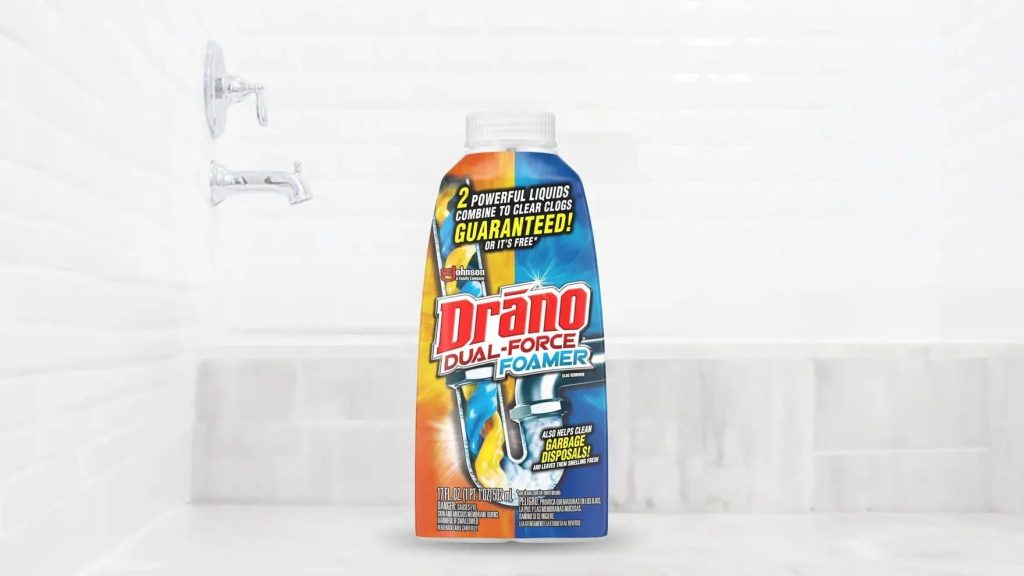
You might even be tempted to reach for that bottle of Drano sitting under your sink, hoping for a quick fix. But is it really safe to use Drano in your dishwasher? This question might seem straightforward, but the answer is more complex than you might think.
Before you pour anything down your dishwasher’s drain, it’s crucial to understand the potential risks and consequences. You’ll discover why using Drano might not be the best solution, and explore safer alternatives to keep your dishwasher running smoothly. Stick around to learn how to protect your appliance and ensure it lasts for years to come.

Credit: drano.com
Drano And Its Intended Use
Drano is a popular product many people reach for when dealing with clogged drains. However, understanding what Drano is designed for can help you decide if it’s suitable for other household appliances like your dishwasher. Knowing its intended use is key to avoiding damage and ensuring safety in your home.
What Drano Does
Drano is a chemical drain cleaner made to dissolve hair, grease, soap scum, and other organic materials clogging your pipes. It works by producing heat and breaking down blockages quickly, clearing the flow of water. The formula contains strong chemicals like sodium hydroxide and bleach, which are powerful but harsh.
Using Drano means trusting it to handle tough clogs in sinks, tubs, and toilets, but these chemicals are not gentle on all surfaces. The heat and corrosive nature can damage certain materials like rubber seals and plastic parts.
Common Applications
- Clearing slow or blocked kitchen and bathroom sink drains
- Unclogging tub and shower drains
- Fixing toilet blockages (specific Drano formulas)
Drano is not made for appliances with delicate parts or complex internal mechanisms. Your dishwasher has hoses, filters, and rubber gaskets that may be harmed by Drano’s chemicals. Have you ever wondered if using Drano in your dishwasher could cause more harm than good?

Credit: www.drano.com
Dishwasher Drain Issues
Dishwasher drain issues can disrupt your kitchen routine and cause water to pool inside the appliance. These problems often result from blockages that prevent water from draining properly. Understanding the common causes and signs of drain clogs helps maintain your dishwasher’s performance.
Typical Clogs In Dishwashers
Food particles are the most common cause of dishwasher clogs. Bits of leftover food can get trapped in the filter or drain hose. Grease and soap scum also build up over time, narrowing the drain passage. Small objects like broken glass or labels from jars can block pipes. Mineral deposits from hard water may create stubborn blockages too.
Signs Of Drain Blockage
- Water remains at the bottom after a wash cycle.
- Dishwasher emits a foul odor due to trapped debris.
- Slow draining or gurgling sounds during or after cycles.
- Unwashed dishes with residue or standing water.
Noticing these signs early can help avoid costly repairs. Regular cleaning and checking the drain area keeps your dishwasher running smoothly.
Risks Of Using Drano In Dishwashers
Using Drano in your dishwasher might seem like a quick fix for a clogged drain, but it comes with serious risks. This powerful chemical cleaner is designed for pipes, not delicate dishwasher parts. Understanding these risks can save you from costly repairs and safety issues.
Chemical Damage To Components
Drano contains strong chemicals that can eat away at your dishwasher’s internal parts. Rubber seals, plastic components, and metal parts inside the machine can degrade or melt when exposed to these harsh substances. Once damaged, these parts may leak or fail, leading to expensive repairs or even a full replacement.
Have you ever noticed strange odors or residue inside your dishwasher after trying a new cleaning product? That might be a sign of chemical damage. Using Drano can cause similar issues, leaving behind harmful residues that affect your dishwasher’s performance and the safety of your dishes.
Potential Safety Hazards
Drano creates a strong chemical reaction that can release toxic fumes when heated inside a dishwasher. This poses a significant risk to your health, especially in a confined kitchen space. The last thing you want is to expose yourself or your family to dangerous chemicals without realizing it.
Additionally, mixing Drano with dishwasher detergent or leftover food particles can create unpredictable chemical reactions. This can cause splashes or even small explosions inside the dishwasher, putting you at risk of burns or injuries. Is it really worth risking your safety for a clogged drain?
Next time you face a dishwasher clog, consider safer alternatives designed specifically for dishwashers. Your machine and your health will thank you.

Credit: drano.com
Safe Alternatives For Dishwasher Cleaning
Using harsh chemicals like Drano in a dishwasher can damage its parts and harm your health. Choosing safe alternatives keeps your appliance working well and your dishes clean. These options remove buildup and odors without risks.
Natural Cleaning Solutions
Natural cleaners are gentle and effective. They break down grease and mineral deposits without harsh chemicals. Common ingredients include:
- White vinegar: Cuts grease and removes odors.
- Baking soda: Scrubs away stains and freshens the dishwasher.
- Lemon juice: Adds a fresh scent and helps dissolve buildup.
To use, sprinkle baking soda on the bottom, add a cup of vinegar to the detergent holder, and run a hot cycle. This cleans and refreshes safely.
Commercial Dishwasher Cleaners
Commercial cleaners are designed specifically for dishwashers. They remove limescale, grease, and food residue effectively. Most brands are safe for dishwasher parts and seals.
Look for these features:
- Non-toxic formulas
- Easy-to-use tablets or powders
- Safe for septic systems
Follow the instructions on the package for the best results. Regular use can prevent clogs and keep your dishwasher running smoothly.
Preventing Dishwasher Clogs
Preventing clogs in your dishwasher helps it run smoothly and last longer. Clogs block water flow and reduce cleaning power. Dirt, food scraps, and grease often cause these blockages. Taking simple steps keeps your dishwasher clear and efficient.
Regular Maintenance Tips
- Clean the filter often to remove trapped food.
- Check spray arms for debris that can block water jets.
- Run hot water in the sink before starting the dishwasher.
- Wipe door seals to prevent mold and residue buildup.
- Use a dishwasher cleaner monthly to remove grease and scale.
Proper Usage Guidelines
- Scrape large food pieces off dishes before loading.
- Do not overload the dishwasher; allow water to reach all areas.
- Use the right detergent amount to avoid excess residue.
- Avoid washing greasy pans without pre-rinsing.
- Run the dishwasher regularly to prevent standing water and buildup.
Frequently Asked Questions
Can Drano Safely Clear Dishwasher Clogs?
No, Drano is not safe for dishwashers. It can damage internal parts and pipes. Use dishwasher-safe cleaners instead.
What Risks Does Drano Pose To Dishwashers?
Drano’s harsh chemicals can corrode dishwasher components. This may cause leaks, damage seals, and void warranties.
How To Unblock A Dishwasher Drain Safely?
Use a dishwasher-safe drain cleaner or manually remove debris from the drain. Regular maintenance prevents clogs.
Can Drano Harm My Kitchen Plumbing?
Yes, Drano can react with dishwasher materials and plumbing, causing corrosion or blockages. It’s better to use gentle alternatives.
Conclusion
Using Drano in a dishwasher is not safe or recommended. It can damage the machine and cause leaks. Dishwashers need specific cleaners made for their parts. Instead, try natural methods or dishwasher-safe products to clear clogs. Protect your appliance by choosing the right cleaning tools.
Keep your dishwasher running well with regular maintenance. Avoid risks that may lead to costly repairs. Simple care keeps your kitchen running smoothly. Always read product labels before use. Stay safe and keep your dishwasher in top shape.