Are you noticing water pooling in your dishwasher or strange odors lingering after a cycle? It might be time to think about an often-overlooked component: the air gap.
This tiny device plays a huge role in ensuring your dishwasher works efficiently and safely. But do dishwashers really need air gaps? If you’ve ever wondered about this, you’re not alone. Understanding the importance of an air gap can save you from costly repairs and keep your kitchen running smoothly.
Stick around as we uncover the truth about air gaps and how they can make all the difference in your dishwashing routine.

Credit: www.amazon.com
Purpose Of Air Gaps
Air gaps serve an important role in dishwasher installations, ensuring that your water supply remains clean and safe. They act as a simple but effective barrier between your dishwasher and the drain system. Without this small device, your dishwasher could be at risk of contamination, which might affect your dishes and overall kitchen hygiene.
Preventing Backflow Contamination
Backflow happens when wastewater flows backward into your dishwasher’s clean water supply. This can introduce dirty water, food particles, and bacteria into your dishwasher. An air gap physically separates the dishwasher’s drain hose from the sink drain, stopping this backflow from happening.
Think about a time when you noticed an unusual smell coming from your dishwasher. It might have been caused by backflow contamination. The air gap prevents this by creating an open space where water can’t travel backward, keeping your dishwasher’s water fresh and safe.
Maintaining Hygiene Standards
Keeping your dishwasher hygienic isn’t just about using the right detergents. It’s also about making sure no dirty water can sneak back into the system. The air gap helps maintain these hygiene standards by blocking any chance of dirty water mixing with the clean water.
When you consider how often your dishwasher runs, protecting it from contamination becomes even more important. This small device helps ensure that every cycle washes your dishes with clean, uncontaminated water. Isn’t it worth adding a simple air gap to avoid potential health risks?

Credit: www.amazon.com
How Air Gaps Work
Understanding how air gaps work can help you decide if your dishwasher needs one. An air gap acts as a barrier to prevent dirty water from flowing back into your clean water supply. This simple device ensures that your kitchen stays hygienic and your dishwasher operates safely.
Basic Design And Function
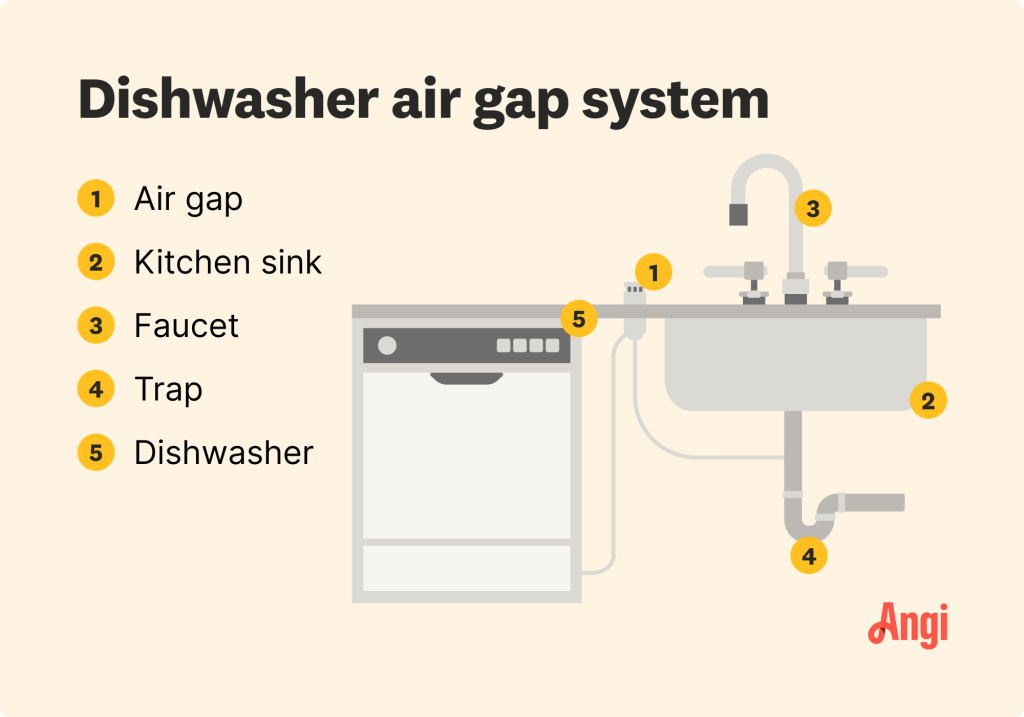
An air gap is a small, cylindrical fixture usually installed on your sink or countertop. It has two main openings: one connected to the dishwasher drain hose and the other to the garbage disposal or sink drain.
When your dishwasher drains, water flows through the air gap and then into the disposal or drain. If there’s any blockage, the water spills out of the air gap instead of backing up into your dishwasher, protecting your clean water from contamination.
Think of it as a safety checkpoint that stops dirty water from reversing direction. Have you ever noticed water pooling around your sink when the dishwasher drains? That’s the air gap doing its job, preventing a mess inside your dishwasher.
Installation Location
Air gaps must be installed above the sink’s flood level rim to work properly. This placement allows gravity to help prevent backflow, ensuring water can’t travel backward through the dishwasher hose.
Typically, you’ll find the air gap mounted next to your faucet or on the countertop near the sink. Installing it anywhere below the sink or under the counter defeats its purpose and can lead to contamination risks.
If you’re considering installing an air gap, check local plumbing codes—they often require an air gap or an equivalent device in dishwashers. Have you checked whether your kitchen setup meets these safety rules?
Local Plumbing Codes
Local plumbing codes play a crucial role in deciding whether your dishwasher needs an air gap. These rules are designed to protect your home’s water supply from contamination. Ignoring these regulations can cause serious issues, so understanding your area’s specific code is essential before installation.
Code Requirements By Region
Different regions have different rules about air gaps for dishwashers. In many parts of the United States, local codes require an air gap to prevent dirty water from flowing back into your clean water supply. Some states and cities strictly enforce this, while others allow alternatives like high loop installations.
For example, California and New York often mandate air gaps in their plumbing codes, while some southern states may not require them. If you live outside the U.S., regulations can vary even more, so checking with your local building department is a smart move. Have you checked your local code before installing your dishwasher?
Consequences Of Non-compliance
Failing to follow local plumbing codes can lead to more than just a slap on the wrist. Non-compliance might cause health risks due to potential backflow contamination. This can expose your family to harmful bacteria and other pollutants from the dishwasher drain.
Moreover, if you skip the air gap where it’s required, you risk failing home inspections. This can delay your ability to sell your home or get insurance coverage. In some cases, you could face fines or be forced to redo the plumbing work, costing you more money and time.

Credit: www.reddit.com
Alternatives To Air Gaps
Not all dishwashers need an air gap. Some homes use other ways to stop dirty water from flowing back into clean water lines. These choices fit different plumbing setups and local rules. Here are some common alternatives to air gaps.
High Loop Method
The high loop method raises the dishwasher drain hose. It loops it up under the sink before going down to the drain. This loop stops wastewater from moving back into the dishwasher.
It works by using gravity. Water cannot flow uphill, so the loop acts as a simple barrier. The hose should be fixed securely to keep the loop shape.
This method is easy and cheap. Many building codes allow it, but some require an air gap instead. Check local rules before using the high loop.
Other Backflow Prevention Devices
Other devices stop dirty water from flowing backward. These include:
- Check valves: One-way valves that let water flow out only.
- Vacuum breakers: They break any suction that pulls water back.
- Anti-siphon valves: These block water from being sucked back into pipes.
These devices fit inside the drain line or hose. They often cost less than air gaps. Some require professional installation for best results.
Choosing the right device depends on your dishwasher, plumbing, and local code. Always confirm what is allowed before installing.
Installation Tips
Proper installation of a dishwasher air gap ensures safe and efficient drainage. It prevents dirty water from flowing back into the dishwasher. Paying attention to key installation tips helps avoid leaks and clogs. Understanding the right air gap and common installation mistakes is crucial for a smooth setup.
Choosing The Right Air Gap
Select an air gap that fits your sink and dishwasher model. Check the size and material to match plumbing codes. Plastic air gaps are common and cost-effective. Metal air gaps offer durability and a clean look. Ensure the air gap’s outlet matches the drain hose diameter. Confirm compatibility with your kitchen’s plumbing system.
Common Installation Mistakes
- Incorrect hose connections cause water leaks and backups.
- Skipping the air gap leads to contamination risks.
- Mounting the air gap too low affects drainage flow.
- Using the wrong hose length creates kinks and clogs.
- Failing to secure hoses tightly causes water leaks.
Double-check all connections before finalizing the installation. Test the dishwasher to ensure water drains properly. Proper installation avoids costly repairs and maintains kitchen hygiene.
Troubleshooting Issues
Dishwashers need air gaps to prevent dirty water from flowing back into the clean water supply. Sometimes, these air gaps can cause problems. Troubleshooting issues helps keep your dishwasher working well and your kitchen safe.
Identifying Blockages
Blockages in the air gap stop water from draining correctly. Look for water pooling around the air gap cover. Check for debris like food, soap scum, or mineral buildup inside the air gap. Use a flashlight to see inside the air gap tube. Clear any visible blockages with a flexible brush or a pipe cleaner. Run water through the drain hose to flush out clogs. A blocked air gap can cause water to back up into the sink or dishwasher.
Signs Of Malfunctioning Air Gaps
Malfunctioning air gaps show clear signs. Water leaks around the air gap base or under the sink. Water drains slowly from the dishwasher or sink. Strange noises come from the dishwasher during the drain cycle. Foul odors appear from the air gap area. The dishwasher may stop mid-cycle or not drain at all. These signs indicate the air gap needs cleaning or replacement to function properly.
Frequently Asked Questions
Do Dishwashers Require Air Gaps By Law?
Yes, many local plumbing codes require air gaps for dishwashers. They prevent dirty water from contaminating clean water. Check your local regulations to confirm if an air gap is mandatory in your area.
What Is The Main Function Of A Dishwasher Air Gap?
An air gap stops wastewater from flowing back into the dishwasher. It ensures clean water supply by preventing contamination. This device keeps your dishwasher hygienic and safe for everyday use.
Can Dishwashers Work Without An Air Gap?
Dishwashers can work without an air gap if a high loop is installed. However, this method is less reliable in preventing backflow. Using an air gap is the safest and most effective way to protect your water supply.
How Do I Know If My Dishwasher Has An Air Gap?
Look near your kitchen sink or countertop for a small cylindrical fixture. It usually has a chrome or plastic cover with a hole on top. This fixture is the dishwasher air gap if present.
Conclusion
Dishwashers often need air gaps to stop dirty water from flowing back. This small device keeps your water clean and safe. Local rules may require air gaps for dishwashers. Installing one is simple and helps avoid plumbing problems. Not all dishwashers have built-in air gaps, so check yours.
Protect your home’s water with an air gap if needed. It’s a small step for big peace of mind.