Have you ever stood in your kitchen, staring at your dishwasher and wondered if a garbage disposal is really necessary? You’re not alone.
Many homeowners grapple with this question, especially when looking to upgrade or maintain their kitchen appliances. Your kitchen is the heart of your home, and ensuring its efficiency can save you time, effort, and even money. But does adding a garbage disposal to your dishwasher setup make life easier or just add another gadget to worry about?
You’ll discover the benefits, potential drawbacks, and everything you need to know about pairing a garbage disposal with your dishwasher. Let’s dive into the details to help you make an informed decision for your kitchen.

Credit: www.angi.com
Dishwasher Drainage Basics
Understanding dishwasher drainage is key to deciding if you need a garbage disposal. Drainage keeps water flowing out smoothly, preventing clogs and backups. Knowing how dishwashers drain and connect helps maintain your kitchen plumbing. It also reveals when a garbage disposal might be necessary for efficient drainage.
How Dishwashers Drain Water
Dishwashers drain water through a flexible hose at the back. This hose carries used water from the dishwasher to the home’s plumbing system. Water moves by a small pump inside the dishwasher. The pump pushes water out and prevents it from returning. This process happens during the final rinse cycle.
Drainage must be strong enough to clear food particles and soap residue. A smooth flow stops water from pooling inside the dishwasher. Without proper drainage, water may leak or cause odors. The hose usually connects to the kitchen sink drain or garbage disposal.
Common Drainage Connections
- Sink Drain Pipe: Most dishwashers connect directly to the sink drain. This setup uses an air gap or high loop to stop backflow.
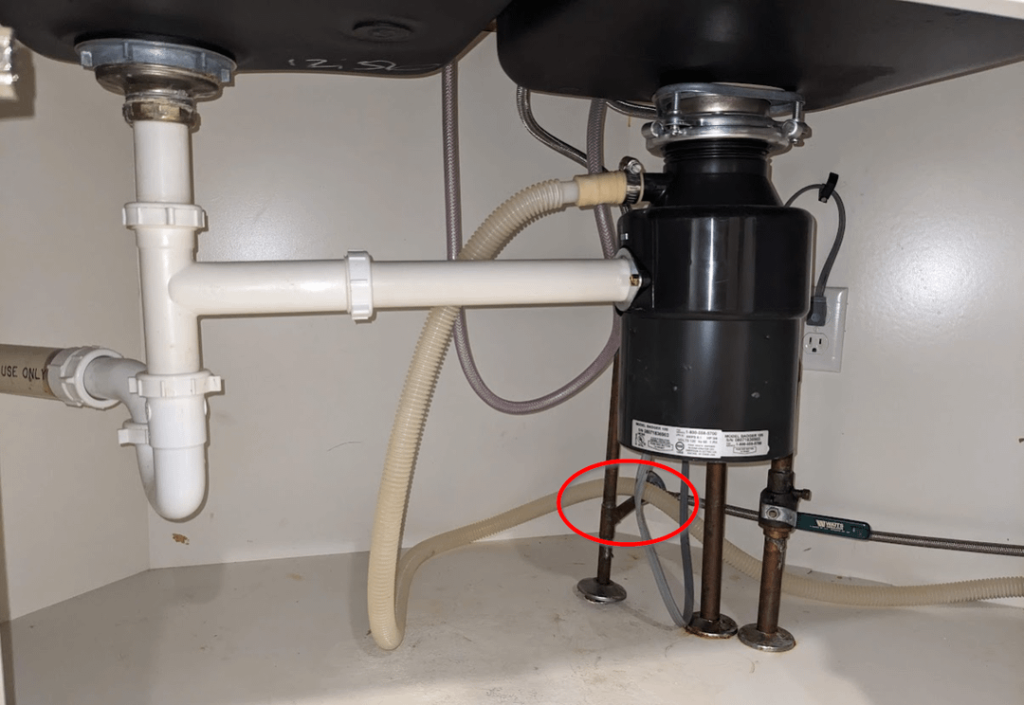
- Garbage Disposal Unit: Many kitchens have dishwashers draining into a garbage disposal. It helps grind food scraps before water enters the drain.
- Wall Drain: Some installations use a separate drain pipe in the wall. This option is less common but keeps dishwasher water separate.
Each connection type affects how well the dishwasher drains. Garbage disposals can reduce clogs by breaking down food waste. Without one, pipes may clog more often, causing slow drainage.

Credit: butlerplumbing.ca
Role Of Garbage Disposals
Garbage disposals play a key role in managing kitchen waste, especially when paired with a dishwasher. They act as the first line of defense against food scraps that could clog your plumbing or cause unpleasant odors. Understanding their role helps you decide if your kitchen setup truly needs one.
Function In Kitchen Plumbing
A garbage disposal connects directly to your kitchen sink drain, grinding food waste into tiny particles that easily flow through your plumbing system.
This prevents large scraps from entering pipes, reducing the risk of blockages that can cause costly repairs.
When a dishwasher drains, leftover food particles often flow into the sink drain. Without a disposal, these particles can accumulate and cause clogs.
Benefits For Waste Management
Using a garbage disposal simplifies your kitchen cleanup by handling scraps instantly. This reduces the amount of food waste sent to the trash, which can help cut down on household odors and pests.
In some areas, disposals contribute to waste processing systems that convert food waste into energy or compost. This makes your kitchen more environmentally friendly.
Have you noticed how much easier it is to keep your sink clean and free of food debris once a disposal is installed? This convenience alone can change your daily kitchen routine for the better.
Garbage Disposal And Dishwasher Compatibility
Understanding the compatibility between your garbage disposal and dishwasher is crucial before any installation or upgrade. Both appliances handle wastewater from your kitchen sink but in slightly different ways. Ensuring they work together smoothly can save you from costly plumbing issues and improve your kitchen’s overall efficiency.
Plumbing Requirements
Your dishwasher usually drains water through a hose connected to the garbage disposal or directly to the sink drain. If you have a disposal, it often includes a special inlet where the dishwasher hose attaches. This setup helps prevent food particles from clogging the dishwasher drain line.
However, not all disposals are designed to accept a dishwasher drain hose. You need to check if there’s a knockout plug on the disposal inlet. If present, it must be removed to connect the dishwasher hose properly. Without this connection, your dishwasher might drain slowly or cause leaks.
Also, consider the plumbing venting. Both appliances require proper venting to avoid airlocks that can block drainage. If your plumbing system isn’t vented correctly, you may notice gurgling sounds or backups when either appliance runs.
When A Disposal Is Necessary
Do you always need a garbage disposal if you have a dishwasher? Not necessarily. Some dishwashers drain directly into the sink drain or a dedicated drain line without requiring a disposal. However, a disposal helps break down food waste, reducing the chance of clogs in your dishwasher drain hose.
Think about your daily kitchen use. If you frequently rinse plates with lots of food scraps, a disposal can protect your dishwasher’s drain from getting blocked. On the other hand, if you scrape most food into the trash and your dishwasher drains well without a disposal, you might not need one.
Another point to consider is local plumbing codes. Some areas require a garbage disposal for dishwasher installations to comply with regulations. Checking these rules can save you from unexpected repairs or fines.
Alternatives To Garbage Disposal
If you’re wondering whether you really need a garbage disposal for your dishwasher, it’s worth knowing there are effective alternatives. These options help manage wastewater and prevent clogs without the noise or maintenance that disposals often require. Choosing the right setup depends on your kitchen plumbing and how much food residue your dishwasher produces.
Air Gap Installations
An air gap is a small device mounted on your sink or countertop that prevents dirty water from flowing back into your dishwasher. It creates a physical gap between the dishwasher drain and the sink drain, ensuring clean water always flows one way. Installing an air gap can protect your dishwasher from contamination and comply with local plumbing codes.
Many homeowners appreciate how simple and reliable an air gap is. It requires minimal maintenance and doesn’t involve moving parts that can break down. Have you checked if your kitchen code requires an air gap? It might be a must-have rather than just an option.
Direct Drain Connections
Connecting your dishwasher drain directly to the sink drain pipe or garbage disposal (if you have one) is another common method. This setup relies on a high loop in the drain hose to prevent backflow, which keeps dirty water from re-entering your dishwasher. It’s a practical solution that works well for many kitchens without additional devices.
However, if you don’t have a garbage disposal, you can still connect the dishwasher to the sink drain using a wye fitting or a branch tailpiece. This method reduces installation complexity and costs but requires careful placement of the drain hose to avoid clogs. Have you inspected your existing drain setup to see if it can handle a direct connection safely?
Installation Considerations
Installing a garbage disposal for your dishwasher involves more than just fitting the unit under the sink. There are important installation considerations that affect safety, legality, and the overall functionality of your kitchen setup. Understanding these factors can save you time, money, and headaches during and after installation.
Plumbing Codes And Regulations
Before you begin installation, check local plumbing codes and regulations. Some areas require a garbage disposal to be installed with a dishwasher drain connection, while others may have restrictions or specific guidelines.
Failing to follow these rules can lead to fines or having to redo the work entirely. For example, in certain states, the dishwasher’s drain hose must connect to the garbage disposal’s dishwasher inlet to prevent backflow and ensure proper drainage.
Have you contacted your local building department yet? It’s a small step that can prevent costly mistakes later. Also, remember to get any necessary permits before starting your project.
Professional Vs Diy Installation
Deciding whether to hire a professional or do it yourself depends on your comfort level with plumbing and electrical work. A professional plumber can ensure the disposal is installed correctly and safely, especially if wiring or complex plumbing adjustments are needed.
On the other hand, if you have basic tools and follow manufacturer instructions carefully, a DIY installation can be rewarding and cost-effective. Just keep in mind that improper installation might lead to leaks, clogs, or even electrical hazards.
Think about your experience: Have you successfully handled similar projects before? If not, investing in professional help might save you from frustration and unexpected expenses down the road.
Troubleshooting Dishwasher Drain Issues
Dealing with dishwasher drain issues can be frustrating, especially if you’re unsure whether a garbage disposal is necessary. Understanding the common problems that arise without a disposal and how to maintain your dishwasher can save you time and money. Let’s dive into troubleshooting tips that can keep your dishwasher draining smoothly.
Common Problems Without Disposal
Without a garbage disposal, food particles often don’t get broken down before reaching the dishwasher drain. This can lead to clogs and slow draining, making your dishwasher less efficient. You might notice standing water at the bottom or even unpleasant odors if debris builds up.
Another issue is increased strain on your plumbing system. Since large food scraps aren’t ground up, they can cause blockages beyond just the dishwasher drain. Have you ever wondered why your sink backs up when running the dishwasher? It could be because food waste is clogging the pipes.
Maintenance Tips
Regular maintenance can help prevent drain problems even if you don’t have a garbage disposal. Start by scraping off food scraps from dishes before loading them into the dishwasher. This simple step reduces the amount of debris entering your drain system.
- Clean the dishwasher filter monthly to remove trapped food particles.
- Run hot water through the sink drain before starting the dishwasher to clear any blockages.
- Use a dishwasher cleaner or vinegar rinse to break down grease and buildup inside the dishwasher.
Have you checked your dishwasher drain hose for kinks or bends? Straightening it out can improve water flow and prevent backups. Taking these small actions can make a big difference in avoiding drainage issues without needing a garbage disposal.

Credit: www.reddit.com
Frequently Asked Questions
Do Dishwashers Require A Garbage Disposal Connection?
No, dishwashers do not always require a garbage disposal connection. However, a disposal helps prevent food clogs by grinding debris before it enters plumbing. If you lack a disposal, ensure your dishwasher drain is clear and use a sink strainer to catch large food particles.
Can A Dishwasher Drain Without A Garbage Disposal?
Yes, a dishwasher can drain without a garbage disposal. The dishwasher typically connects to a sink drain or air gap fitting. Proper installation and regular cleaning prevent clogs. However, a garbage disposal can improve drainage efficiency by breaking down food waste.
What Are The Benefits Of Using A Garbage Disposal With A Dishwasher?
Using a garbage disposal with a dishwasher reduces food buildup in pipes. It minimizes clogs and foul odors by grinding food particles. This setup promotes better drainage, extends plumbing life, and ensures dishwasher efficiency. It also simplifies kitchen cleanup by handling scraps effectively.
Is A Garbage Disposal Necessary For Dishwasher Installation?
A garbage disposal is not strictly necessary for dishwasher installation. Many dishwashers work well connected directly to a sink drain. However, a disposal enhances waste management and reduces plumbing issues. It is recommended for households with heavy food waste.
Conclusion
A garbage disposal can help prevent clogs from dishwasher waste. It breaks down food particles before they reach your pipes. Not every home needs one, but it adds convenience. Think about your kitchen habits and plumbing setup. Simple drains may work fine without a disposal.
Still, having one can reduce maintenance and smells. Choose what fits your needs and budget best. Clean dishes matter most, with or without a disposal.