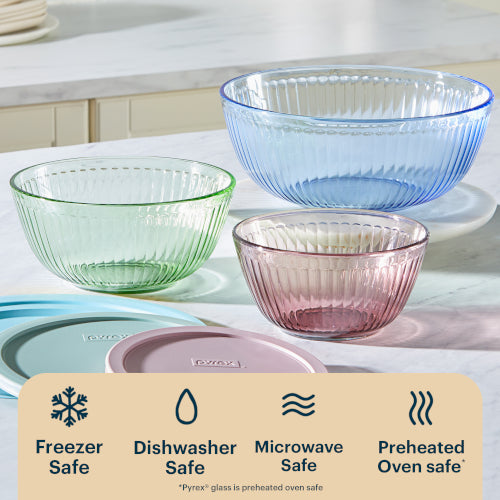
Are you tired of the endless handwashing of your kitchenware and wondering if your beloved Pyrex bowls can make life a bit easier by going into the dishwasher? You’re not alone.
Many people like you are seeking a hassle-free kitchen experience without compromising the quality of their cookware. Imagine the relief of simply placing your Pyrex bowls in the dishwasher and walking away, knowing they’ll come out spotless and intact. Before you make that decision, it’s essential to know the truth about the dishwasher safety of Pyrex bowls.
Dive into this article to uncover the facts, debunk myths, and ensure your kitchen routine remains smooth and stress-free.
Pyrex Material And Durability
Understanding the material and durability of Pyrex bowls can help you decide if they fit your kitchen needs, especially when it comes to cleaning methods like using a dishwasher. Knowing what Pyrex is made of and how it holds up under heat gives you confidence in its everyday use. Let’s break down the key points about Pyrex material and why it’s a durable choice for many cooks.
What Pyrex Is Made Of
Pyrex bowls are made from borosilicate glass or soda-lime glass, depending on the production year and region. Borosilicate glass is known for its resistance to thermal shock, meaning it can handle rapid temperature changes without cracking. Soda-lime glass, while slightly less resistant to heat, is still tough and widely used for kitchenware.
You might not realize it, but the type of glass affects how you treat your Pyrex bowls. For example, older Pyrex made with borosilicate glass can go straight from the freezer to the oven safely. Newer versions with soda-lime glass are durable but require a bit more caution to avoid thermal shock.
Heat Resistance Features
Pyrex bowls are designed to withstand high temperatures, making them perfect for baking and microwave use. Their heat resistance allows you to cook or reheat food without worrying about the glass breaking under heat. This makes Pyrex a reliable tool when you need to prepare meals quickly and safely.
However, sudden temperature changes can still cause damage, so avoid placing a hot Pyrex bowl on a cold surface or adding cold liquids into a hot bowl. Have you ever noticed tiny cracks after rushing with your glassware? Paying attention to these details can extend the life of your Pyrex bowls significantly.
Common Uses In The Kitchen
Pyrex bowls are incredibly versatile in the kitchen. You can use them for mixing ingredients, storing leftovers, baking casseroles, or serving salads. Their durability means they can go from the oven to the table without needing to transfer food to another dish.
Many cooks appreciate how Pyrex bowls simplify meal prep. They combine storage, cooking, and serving in one piece of kitchenware, saving you time and cleanup. What’s your favorite way to use Pyrex bowls in your kitchen routine?

Credit: www.pips-trip.co.uk
Dishwasher Safety Of Pyrex Bowls
Understanding whether Pyrex bowls are dishwasher safe can save you from unexpected damage and extend the life of your favorite kitchenware. While these bowls are known for their durability, how they handle the dishwasher’s environment is a key concern for many users. Let’s take a closer look at what you should know about washing Pyrex in a dishwasher.
Manufacturer Recommendations
Pyrex manufacturers generally state that their glass bowls are dishwasher safe. This means you can place them in the dishwasher without worrying about immediate damage. However, they also suggest placing the bowls on the top rack to avoid intense heat and harsh water pressure.
Following these recommendations helps maintain the clarity and strength of your Pyrex bowls over time. Have you ever noticed your glassware becoming cloudy or scratched after many dishwasher cycles? That’s often a sign of not following these simple guidelines.
Effects Of Dishwasher Heat
Dishwasher heat can be tricky for glassware. Pyrex bowls are made from tempered glass designed to withstand high temperatures, but repeated exposure to the dishwasher’s heat, especially during the drying cycle, can cause thermal stress.
This stress might not break the bowl immediately but can create tiny cracks or weaken the glass structure. Over time, these microfractures increase the risk of your bowl shattering unexpectedly. Do you really want to risk your Pyrex breaking just to save a few minutes of hand washing?
Potential Risks Of Dishwasher Use
Beyond heat, the dishwasher environment can pose other risks to Pyrex bowls. Strong detergents, aggressive water jets, and constant movement during cycles can chip or scratch the surface.
Scratches are more than cosmetic—they can harbor bacteria and reduce the bowl’s heat resistance. If your Pyrex bowl starts showing signs of wear, consider switching to hand washing to protect your investment. What’s your experience with using dishwashers for your glassware? Have you noticed any changes in your Pyrex bowls?
Proper Cleaning Techniques
Proper cleaning keeps Pyrex bowls safe and lasting longer. Using the right techniques removes food residue without damage. Clean bowls look better and stay free from stains and odors. Follow simple steps for effective and gentle cleaning.
Hand Washing Tips
Use warm water and mild dish soap. Avoid very hot water to prevent thermal shock. Use a soft sponge or cloth to clean gently. Rinse thoroughly to remove all soap. Dry with a soft towel or air dry to avoid water spots.
Safe Dishwasher Practices
Place Pyrex bowls on the top rack to reduce heat exposure. Use a gentle or glassware cycle if available. Avoid overcrowding to allow water flow. Skip harsh detergent powders; choose dishwasher-safe liquid detergent. Remove bowls promptly after the cycle to prevent moisture buildup.
Avoiding Abrasive Cleaners
Stay away from steel wool or rough scrubbers. Avoid powders with harsh chemicals or bleach. Use baking soda paste for tough stains instead. Abrasive cleaners can scratch and weaken the glass. Soft cleaning tools protect the bowl’s surface and shine.
Credit: www.bluestonelandscape.ca
Handling And Storage Tips
Proper handling and storage keep Pyrex bowls safe and last longer. Careful steps prevent damage like chips and cracks. Store bowls to avoid stress and pressure. Follow simple tips to protect your glassware.
Preventing Chips And Cracks
Handle Pyrex bowls gently. Avoid dropping or knocking them against hard surfaces. Use a soft cloth to dry bowls instead of rough towels. Inspect bowls regularly for small chips or cracks. Discard damaged bowls to prevent injury and further breakage.
Safe Stacking Methods
Stack bowls with care. Place a soft cloth or paper towel between each bowl. This prevents scratching and reduces pressure on the glass. Avoid stacking too many bowls at once. Keep heavier items at the bottom and lighter ones on top. Store bowls in a stable, flat area to prevent tipping.
Temperature Shock Prevention
Pyrex resists heat but not sudden temperature changes. Avoid placing hot bowls directly on cold surfaces. Let hot bowls cool before washing or stacking. Do not pour cold liquids into hot bowls. Use room temperature water for cleaning. These steps reduce the risk of cracks from thermal shock.
Troubleshooting Common Issues
Pyrex bowls are a kitchen staple, but even they can face a few hiccups after regular dishwasher use. Sometimes, you might notice stains that just won’t budge or a cloudy haze that dulls their shine. Don’t worry—these problems have simple fixes that can bring your bowls back to life without much hassle.
Removing Stubborn Stains
Stains on Pyrex bowls often come from baked-on food or strong spices. To tackle these, sprinkle baking soda over the stained area and add a few drops of water to make a paste. Let it sit for 15 minutes, then gently scrub with a soft sponge.
If the stain persists, soak the bowl in warm water mixed with white vinegar for about an hour. This helps break down tough residue without damaging the glass. Have you tried these natural solutions before, or do you rely on harsh chemicals?
Dealing With Cloudiness
Cloudiness usually happens because of mineral deposits from hard water or dishwasher detergent buildup. Soaking your bowl in a mixture of equal parts white vinegar and water for 30 minutes can dissolve these deposits.
After soaking, wash the bowl by hand with mild dish soap and rinse thoroughly. Avoid using abrasive scrubbers as they can worsen the cloudiness. How often do you check your dishwasher’s detergent levels to prevent this?
Repair Options For Damaged Bowls
Accidental chips and cracks can be frustrating, especially on your favorite Pyrex bowls. Unfortunately, small chips usually can’t be repaired safely for food use and may pose a risk if used.
For cracks, it’s best to retire the bowl from cooking or storing food but consider repurposing it for non-food uses like organizing small items. Always inspect your bowls regularly—would you rather toss a damaged bowl early or risk injury later?
Credit: www.amazon.com
Alternatives To Pyrex For Dishwasher Use
Choosing the right kitchenware for dishwasher use is important for convenience and durability. Pyrex bowls are popular but not all types handle dishwasher cycles well. Exploring alternatives helps keep your kitchen routine smooth and safe.
Other Dishwasher-safe Glassware
Many glass bowls are designed to withstand dishwasher heat and detergents. Borosilicate glass is a strong option that resists thermal shock. Tempered glass is also durable and less likely to crack or break.
- Look for labels stating “dishwasher safe.”
- Check manufacturer guidelines for care instructions.
- Glass bowls with smooth surfaces clean better in dishwashers.
Choosing glassware with high-quality seals and lids helps maintain freshness and prevents damage during washing.
Benefits Of Silicone And Plastic Bowls
Silicone bowls are flexible and resist heat well. They rarely crack or shatter and handle dishwasher cycles easily. Plastic bowls made from BPA-free materials are lightweight and durable.
- Silicone is gentle on dishes and dishwasher racks.
- Plastic bowls dry quickly and resist stains.
- Both options are available in many colors and sizes.
These materials often come with airtight lids, ideal for storage and reheating. They provide practical alternatives for dishwasher-safe kitchen use.
Frequently Asked Questions
Are Pyrex Bowls Safe To Clean In A Dishwasher?
Yes, Pyrex bowls are dishwasher safe. They can withstand high temperatures and detergent without damage. Always place them securely to avoid collisions.
Can Dishwasher Heat Damage Pyrex Bowls?
No, dishwasher heat does not damage Pyrex bowls. Pyrex is designed to tolerate heat changes commonly found in dishwashers.
Should I Avoid Harsh Detergents With Pyrex Bowls?
It’s best to use mild detergents with Pyrex bowls. Harsh chemicals can dull the glass over time, reducing clarity and shine.
How To Prevent Cloudiness On Pyrex Bowls In Dishwashers?
To prevent cloudiness, avoid stacking bowls tightly and use a gentle cycle. Rinse bowls before loading to remove residue.
Conclusion
Pyrex bowls are generally safe to use in dishwashers. They can handle regular dishwasher heat without damage. Avoid sudden temperature changes to keep them strong. Place bowls securely to prevent bumps or cracks. Using the dishwasher saves time and effort.
Proper care helps Pyrex bowls last longer. Choose the right cycle to protect your bowls. Now you can clean them easily and safely. Enjoy the convenience without worry.