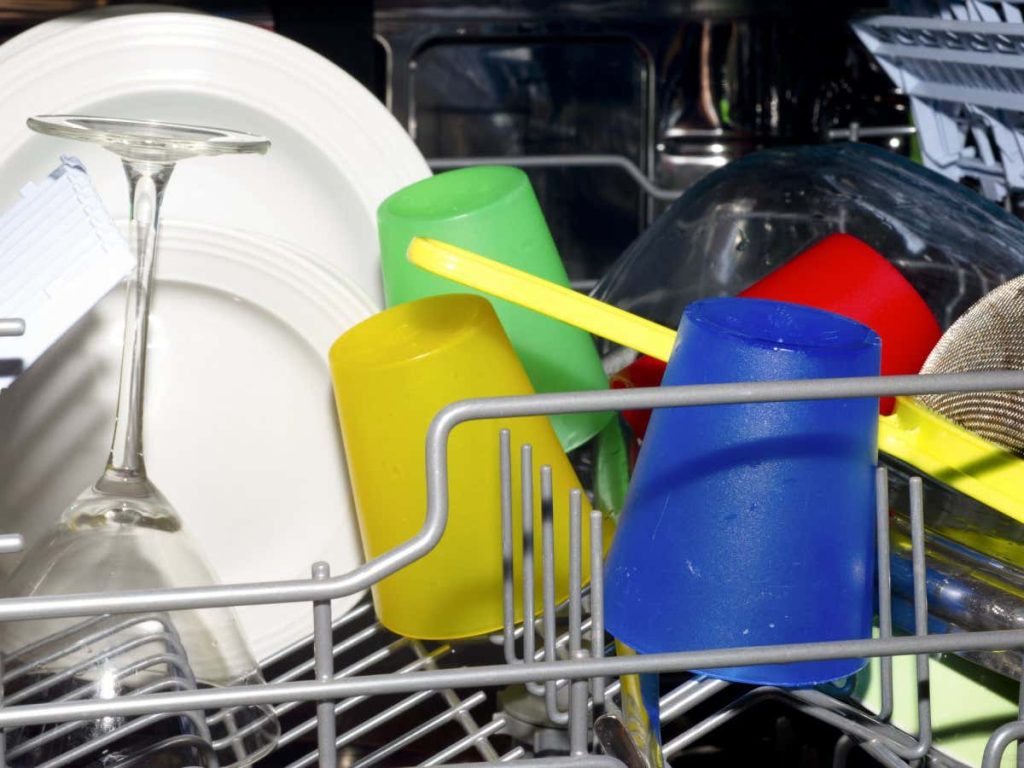
Have you ever stood in your kitchen, dish in hand, and wondered if you can safely toss that plastic container into your dishwasher? You’re not alone.
This is a common question that many people face. After all, you want to make sure your kitchen chores are done quickly and efficiently, without causing any harm to your beloved kitchen gadgets or your health. Understanding which plastics can handle the heat and which ones can’t is crucial.
Dive into this article to uncover the truth about plastic and dishwashers, ensuring you make the best choices for your kitchen and your peace of mind. Stay with us as we unravel the secrets to keep your dishes clean and your kitchen running smoothly.
Types Of Plastic Safe For Dishwashers
Not all plastics handle dishwasher heat and water well. Knowing which plastics are safe protects your items and dishwasher. Some plastics resist heat and won’t warp or melt in the wash. Others may become damaged or release harmful chemicals. Identifying safe plastics helps keep your kitchenware in good shape.
Dishwasher-safe Symbols
Look for symbols on plastic items to check dishwasher safety. A common symbol is a plate or glass with water drops or waves. Some plastics have words like “dishwasher safe” printed on them. These marks indicate the item can handle dishwasher heat and water pressure. Avoid using plastics without these signs in the dishwasher.
Common Safe Plastics
- Polypropylene (PP) – Often used for food containers and lids.
- Polycarbonate (PC) – Used in some reusable water bottles and kitchenware.
- High-Density Polyethylene (HDPE) – Found in sturdy containers and some bottles.
- Polyethylene Terephthalate (PET or PETE) – Common in some food packaging.
These plastics resist heat and usually stay stable in the dishwasher. Still, check for dishwasher-safe labels to be sure.
Avoiding Heat-sensitive Plastics
Plastics like Polystyrene (PS) and Low-Density Polyethylene (LDPE) often melt or warp. Thin or flexible plastic items may not survive dishwasher cycles. Avoid putting plastic labeled “hand wash only” in the dishwasher. Heat-sensitive plastics can deform and cause damage or release chemicals.

Credit: food52.com
Risks Of Washing Plastic In Dishwashers
Washing plastic items in the dishwasher might seem convenient, but it comes with several risks you should consider. Not all plastics are designed to withstand the high heat and strong water pressure inside a dishwasher. Ignoring these risks could lead to damaged kitchenware, potential health concerns, and even harm to your dishwasher itself.
Warping And Melting
Many plastics can’t handle the intense heat of the dishwasher’s drying cycle. This can cause warping or melting, ruining your dishes or containers. Have you ever noticed a plastic lid shrinking or bending after a wash? That’s a clear sign the plastic isn’t dishwasher-safe.
Always check the manufacturer’s label or look for dishwasher-safe symbols before tossing plastic items into the dishwasher. If in doubt, hand wash to keep your plasticware intact.
Chemical Leaching Concerns
Heat can cause some plastics to release harmful chemicals into your dishes or dishwasher. Substances like BPA or phthalates may leach out, especially from older or cheaper plastics. This raises questions about your food safety and long-term health.
Would you want your child’s sippy cup exposed to such chemicals? Opt for BPA-free plastics or avoid washing plastics in the dishwasher altogether to minimize this risk.
Damage To Dishwasher Components
Plastic pieces that warp or break can clog your dishwasher’s filter or spray arms. Small bits might block water flow, reducing cleaning efficiency and potentially leading to costly repairs. Have you ever found plastic shards inside your dishwasher after a wash?
Ensuring only dishwasher-safe plastics go in can protect your appliance and save you money on maintenance.
Best Practices For Loading Plastic Items
Loading plastic items in the dishwasher needs care to keep them safe. Plastics can warp or melt if placed wrongly. Following best practices helps protect your plastic dishes and extends their life. It also ensures they get clean without damage.
Top Rack Placement
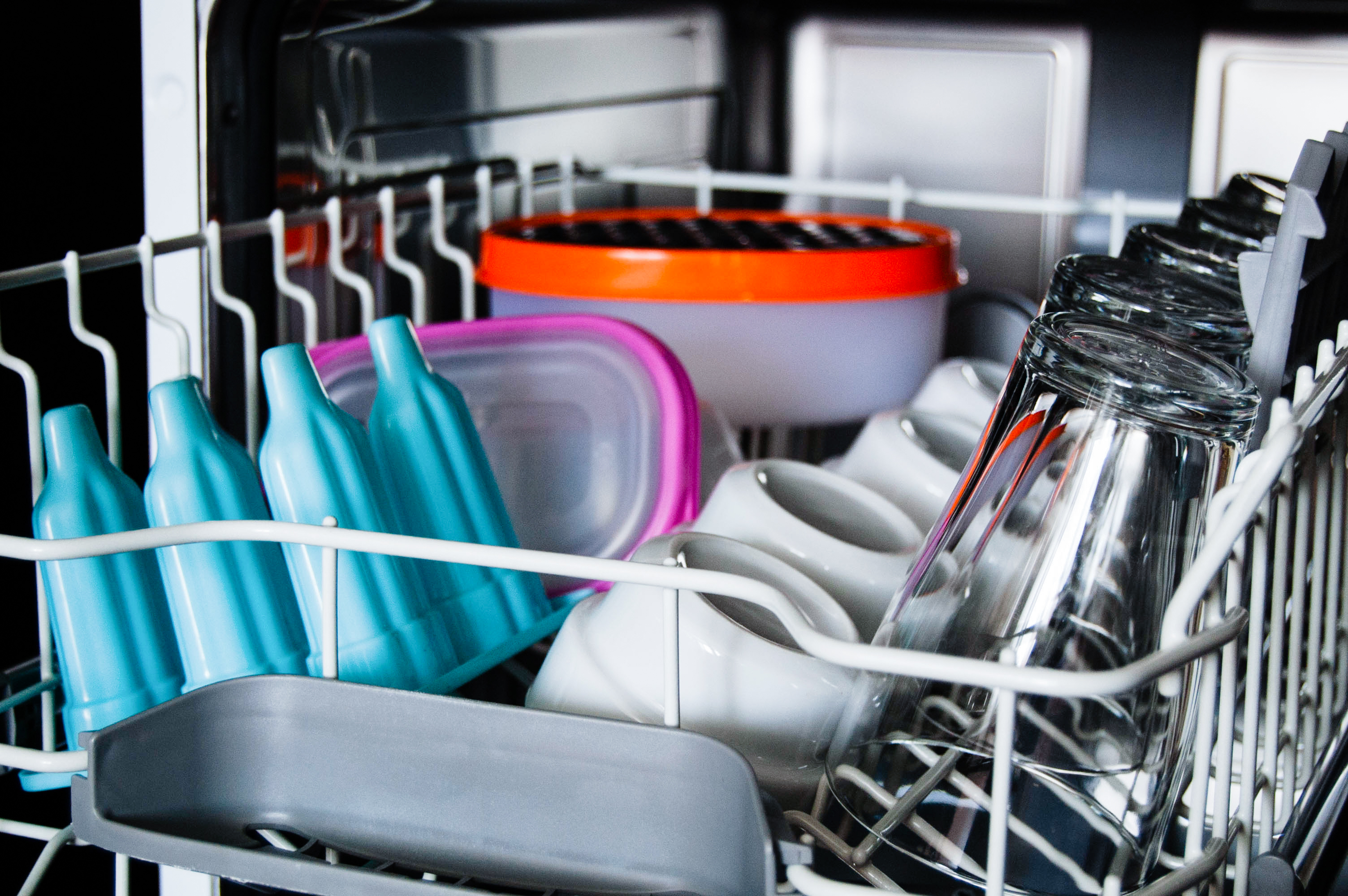
Always place plastic items on the top rack. The bottom rack is hotter and can damage plastic. The top rack stays cooler and is safer for plastics. Keep plates, bowls, and cups made of plastic away from heating elements. This prevents warping and melting during the wash cycle.
Securing Small Items
Small plastic pieces can move or fall during the wash. Use the dishwasher’s utensil basket or small item holders. Secure lids, bottle caps, and small containers tightly. This stops them from flying around or blocking the spray arms. Loose items may not get clean or could break.
Avoiding Overcrowding
Do not crowd the dishwasher with too many plastic items. Overcrowding stops water from reaching all surfaces. Items may touch and stick together, causing poor cleaning. Leave space between plastics for water and soap to flow freely. A well-spaced load cleans better and protects each item.
Alternative Cleaning Methods For Plastic
Sometimes, plastic items just don’t fare well in the dishwasher. The heat can warp them, and harsh cycles might cause fading or damage. Knowing alternative cleaning methods helps you keep your plasticware spotless without risking harm.
Hand Washing Tips
Hand washing plastic is often the safest choice. Use warm, soapy water and a soft sponge to gently scrub away grime. Avoid abrasive scrubbers that can scratch the surface and trap bacteria.
Rinse thoroughly to remove soap residue, which can affect taste or smell later. If you have stubborn stains or odors, soak the plastic in a mixture of baking soda and water for 15-20 minutes before washing.
Using Gentle Detergents
Choosing the right detergent makes a big difference. Harsh chemicals can degrade plastic over time, so opt for mild, fragrance-free detergents.
Look for detergents labeled as safe for delicate items or baby bottles—they tend to be gentler. You might be surprised how less aggressive formulas clean effectively without stripping plastics of their integrity.
Air Drying Vs. Machine Drying
Drying plastic items properly is key to avoiding warping. Air drying is often best; simply place your items on a drying rack and let them dry naturally.
Machine drying can expose plastic to high heat, causing damage or deformation. Have you noticed how some plastic lids become misshapen after a dishwasher’s drying cycle? That’s why air drying is worth the extra wait.
Maintaining Plastic Durability
Maintaining the durability of plastic items in the dishwasher is important. Plastic can warp, fade, or crack if not cared for properly. Taking simple steps can help keep plastic looking new and lasting longer. Understanding how to protect plastic during dishwashing saves money and reduces waste.
Temperature Settings To Use
Choose a low or gentle temperature setting for plastic items. High heat can cause plastic to melt or lose shape. Many dishwashers have a “plastic” or “eco” cycle. These settings use cooler water and shorter wash times. Avoid using the sanitizing cycle with plastic. It uses very hot water that can damage plastic surfaces.
Frequency Of Dishwasher Use
Limit how often plastic items go into the dishwasher. Washing plastic by hand sometimes reduces wear and tear. Frequent dishwasher use may make plastic brittle over time. Rotate plastic washing methods to extend durability. Hand washing also helps maintain the color and texture of plastic.
Inspecting Plastic For Damage
Check plastic items regularly for signs of damage. Look for cracks, warping, or fading colors. Discard any plastic that is cracked or chipped. Damaged plastic can release harmful chemicals when heated. Small scratches can also hold bacteria, making cleaning less effective. Replace old plastic to keep your kitchen safe.
Credit: www.finishdishwashing.ca
Credit: www.ufinechem.com
Frequently Asked Questions
Can All Plastics Go In The Dishwasher?
Not all plastics are dishwasher-safe. Check the item’s label for a dishwasher-safe symbol. Heat can warp or melt some plastics.
Where Should I Place Plastic Items In The Dishwasher?
Place plastic items on the top rack only. The bottom rack is closer to the heating element, which can damage plastics.
How To Prevent Plastic From Melting In The Dishwasher?
Use the gentle or plastic cycle if available. Avoid high heat settings and place plastics on the top rack.
Does Dishwasher Detergent Harm Plastic Items?
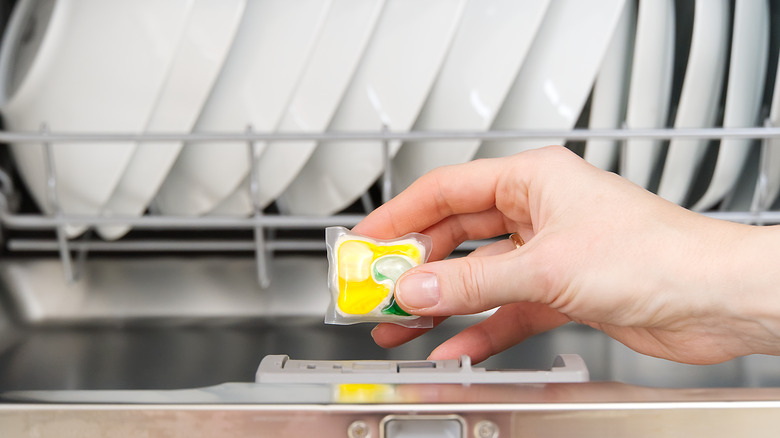
Some dishwasher detergents can cause plastic to fade or become brittle. Use mild detergents and avoid harsh chemicals for plastic items.
Conclusion
Plastic can go in the dishwasher, but check the label first. Some plastics melt or warp from high heat. Use the top rack to keep plastic safe. Avoid strong detergents that might damage your items. Dry plastic by air or low heat only.
Following these tips helps your plastic last longer. Clean plastic properly to keep it safe and tidy. Simple care makes a big difference in dishwashing plastic.