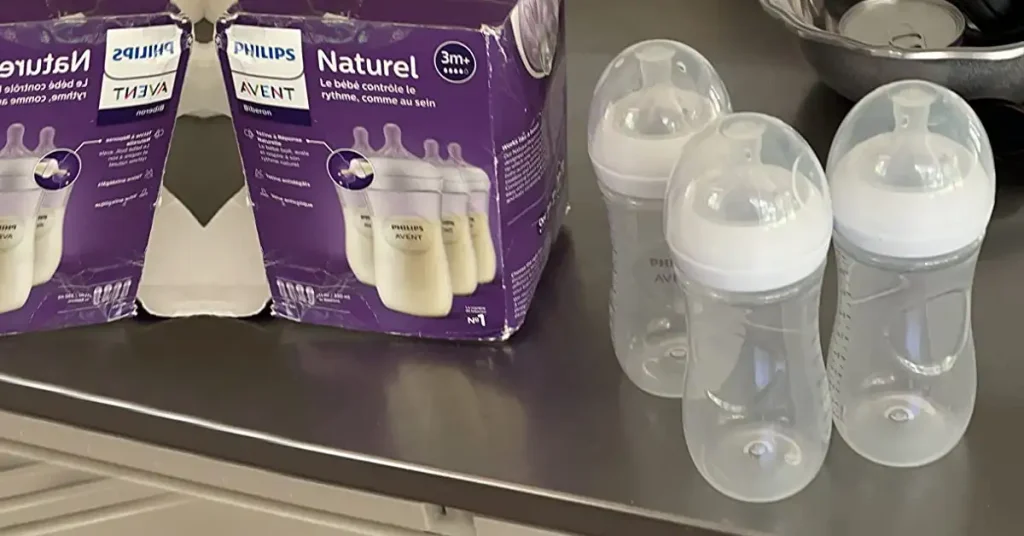
Are you a busy parent trying to juggle feeding time with a million other tasks? If so, you’ve probably wondered whether tossing your baby bottles into the dishwasher is a safe and time-saving option.
You want what’s best for your baby, but you also need practical solutions for your day-to-day routines. The safety and cleanliness of your baby’s feeding gear is non-negotiable, yet your time is precious. This article will uncover the truth about whether baby bottles are dishwasher safe, helping you make informed choices that give you peace of mind.
Stick around to discover how you can simplify your life without compromising your baby’s safety.
Safety Of Baby Bottles In Dishwashers
Cleaning baby bottles is a daily task that requires careful attention to keep your little one safe. Using a dishwasher might seem like a quick and efficient solution, but is it truly safe for baby bottles? Understanding the safety aspects can help you make informed choices for your baby’s health and convenience.
Materials That Withstand Dishwasher Heat
Not all baby bottles are created equal when it comes to dishwasher safety. Bottles made from high-quality, heat-resistant plastics like polypropylene (PP) or silicone generally handle dishwasher cycles well. Glass bottles are also durable under dishwasher heat but can be fragile if not placed securely.
Check if your bottles are labeled BPA-free and dishwasher-safe. These labels indicate they can endure repeated exposure to hot water without degrading or releasing harmful chemicals. If your bottle’s material isn’t heat-resistant, washing by hand might be a safer option.
Common Risks Of Dishwasher Cleaning
Dishwashers use high heat and strong detergents, which can sometimes damage baby bottles. Over time, plastic bottles may warp or crack, creating tiny crevices where bacteria can hide. This damage isn’t always visible but can affect your baby’s health.
Another risk is residue from dishwasher detergents, which might not rinse off completely. These residues can be harmful if ingested by your baby. Also, placing bottles in the wrong dishwasher rack can cause them to fall or break during the wash cycle.
Manufacturer Recommendations
Always check the manufacturer’s instructions before placing baby bottles in the dishwasher. Some brands explicitly state their bottles are dishwasher safe, often specifying the top rack as the preferred location. Others recommend hand washing to preserve bottle integrity and safety.
Ignoring these guidelines could void warranties or reduce the product’s lifespan. Have you ever noticed your bottle’s color fading or shape changing after dishwasher cycles? That’s a sign to revisit the cleaning method suggested by the maker.

Credit: www.amazon.ca
Preparing Bottles For Dishwasher Cleaning
Getting your baby bottles ready for the dishwasher is a key step to ensure they come out clean and safe for your little one. Proper preparation can save you time and prevent leftover milk residue or bacteria buildup. Let’s look at how to prepare your bottles effectively before placing them in the dishwasher.
Disassembling Bottle Parts
Start by taking apart every piece of the bottle. This means removing the nipple, collar, and any valves or rings. Each part should be cleaned separately to reach all the tiny crevices where milk can hide.
Have you noticed how milk often gets trapped inside the nipple holes? By disassembling, you give your dishwasher a better chance to clean every nook. Never put assembled bottles in the dishwasher—it can trap residue and cause odor buildup.
Pre-rinsing And Scrubbing Tips
Rinse each part under warm water to wash away leftover milk. This step prevents milk proteins from hardening during the dishwasher cycle. If you spot stubborn milk residue, use a bottle brush or a small nipple brush to scrub gently.
Think about how much easier washing is when you remove residue early. Skipping this step might mean re-washing later. Always focus on the nipple’s tip and inside the bottle base where milk tends to cling.
Using Dishwasher Baskets And Racks
Place small bottle parts like nipples and rings in a dishwasher basket to avoid losing them. Use the top rack for bottles and larger parts, as it’s usually gentler and safer. Position bottles upside down so water drains out and cleans inside thoroughly.
Have you ever found a missing nipple after a dishwasher cycle? Baskets keep everything organized and secure. Also, avoid crowding the dishwasher; give each bottle room for water and detergent to reach all surfaces.
Choosing The Right Dishwasher Settings
Choosing the right dishwasher settings is crucial when cleaning baby bottles. The settings determine how well the bottles are cleaned and how long they last. Using the wrong temperature or cycle can leave residue or even damage your baby’s bottles.
Optimal Temperature And Cycle Selection
Most baby bottles require hot water to remove milk residue effectively. Setting your dishwasher to a temperature around 140°F (60°C) usually works best. Too low, and you risk bacteria buildup; too high, and the plastic might warp.
Look for cycles labeled as “Baby Care” or “Delicate.” These options often balance cleaning power with gentleness. If your dishwasher lacks these settings, a normal cycle with a heated dry option is a good alternative.
Sanitizing Options And Their Benefits
Sanitizing cycles use higher temperatures to kill bacteria and germs thoroughly. This option is especially helpful for newborns or babies with sensitive immune systems. It gives you peace of mind that the bottles are not just clean but also safe.
Some dishwashers offer an extra rinse or steam sanitize setting. These can remove detergent residues that might irritate your baby. Have you tried these features? They might be worth testing if you’re concerned about hygiene.
Avoiding Damage With Gentle Cycles
Plastic baby bottles can crack or cloud if exposed to harsh cycles. Gentle cycles use lower water pressure and temperatures to protect the materials. Using these cycles regularly can extend the life of your bottles and keep them looking new.
Consider placing bottles on the top rack away from the heating element. This simple step can prevent warping caused by intense heat. Have you noticed your bottles wearing out faster? Changing to a gentler cycle might be the solution.
Best Cleaning Products For Baby Bottles
Choosing the right cleaning products for baby bottles is crucial to keep your little one’s feeding gear safe and hygienic. Not all detergents are created equal, and some can leave harmful residues behind. Let’s look at which cleaning products work best and how you can keep your baby’s bottles spotless without risking their health.
Dishwasher Detergents Safe For Babies
When using a dishwasher to clean baby bottles, pick detergents that are free from dyes and fragrances. Many brands now offer baby-safe dishwasher detergents designed to rinse thoroughly and leave no harmful chemicals behind.
Look for labels that specify “phosphate-free” and “safe for baby items.” These detergents reduce the risk of irritation or ingestion of residues by your child. Have you checked your current detergent’s ingredients lately?
Avoiding Harmful Chemicals
Some common dishwasher detergents contain harsh chemicals like chlorine bleach and phosphates, which can be dangerous for babies. These can linger on bottles even after rinsing, posing health risks.
Avoid detergents with antibacterial agents or strong fragrances, as these may cause allergic reactions. Instead, opt for products explicitly labeled as non-toxic and safe for infant use.
Natural Alternatives And Additives
If you prefer a gentler approach, natural cleaning alternatives can work well. Adding a small amount of white vinegar to the rinse cycle helps remove detergent residue and acts as a natural disinfectant.
Baking soda can also boost cleaning power without chemicals. Mixing a teaspoon of baking soda with warm water creates a safe soak for bottles before placing them in the dishwasher.
Have you tried these simple, natural additives? They might surprise you with how effective and safe they are for your baby’s bottles.
Drying And Storing After Dishwasher Cleaning
After washing baby bottles in the dishwasher, proper drying and storage are crucial. Bottles must dry completely to prevent mold and bacteria growth. Storing bottles correctly keeps them clean and ready for use. These steps help maintain your baby’s health and safety.
Effective Drying Techniques
Allow bottles to air dry fully after dishwasher cleaning. Use a clean drying rack designed for baby bottles. Position bottles upside down to let water drain out. Avoid using towels to dry bottles as they can transfer germs. Ensure all parts, including nipples and caps, dry separately.
Preventing Contamination Post-cleaning
Keep dried bottles away from kitchen counters or sinks. Use a clean, covered area to avoid dust and bacteria. Handle bottles with clean hands only. Avoid stacking bottles before they are fully dry. Regularly clean the drying rack to prevent buildup of germs.
Proper Storage Practices
Store bottles in a dry, closed container to keep them sterile. Use storage containers or bins dedicated to baby feeding items. Keep bottles and parts separate to avoid damage. Label storage containers with the cleaning date for easy tracking. Replace storage containers regularly to maintain hygiene.

Credit: lansinoh.com
Handwashing Vs. Dishwasher Cleaning
Choosing between handwashing and dishwasher cleaning for your baby bottles can feel like a tough decision. Each method has its own benefits and challenges, and understanding them can help you keep your baby’s feeding gear clean and safe. Let’s break down what each method offers and when you might want to lean toward one over the other.
Pros And Cons Of Each Method
| Cleaning Method | Pros | Cons |
|---|---|---|
| Handwashing |
|
|
| Dishwasher |
|
|
When Handwashing Is Preferable
If your baby bottles have delicate parts or printed designs, handwashing is often safer to prevent damage. You might also prefer handwashing when you need to clean a bottle immediately after feeding and don’t want to run the dishwasher for just a few items.
Sometimes, you’ll notice milk residue stuck inside the nipples or valves that need extra attention. In these cases, hand scrubbing with a small brush ensures nothing harmful is left behind.
Combining Both Methods For Best Results
You don’t have to choose one method exclusively. Many parents find success by rinsing and scrubbing bottles by hand first, then placing them in the dishwasher for a thorough sanitize cycle.
This combo saves time while ensuring every crevice is clean. It’s worth asking yourself: could this two-step process fit into your routine to guarantee your baby’s bottles are spotless and safe?
Special Considerations For Different Bottle Types
Different baby bottle materials and designs react differently to dishwasher cleaning. Understanding these differences helps you protect your bottles from damage and ensures they stay clean and safe for your baby. Let’s look at what you should consider for various bottle types.
Glass Vs. Plastic Bottles
Glass bottles generally handle dishwasher cleaning well. They can withstand high temperatures without warping or releasing harmful chemicals. However, placing them securely to avoid knocking against other dishes is important to prevent breakage.
Plastic bottles vary greatly depending on the type of plastic used. Some plastics can warp or degrade in the dishwasher’s heat, especially on the bottom rack where the heating element is strongest. Look for dishwasher-safe labels, and if unsure, wash plastic bottles by hand to maintain their shape and safety.
Bottles With Silicone Parts
Silicone nipples, seals, and sleeves are common on many bottles. Silicone usually holds up well in the dishwasher, but small parts can move around and get lost or damaged. Using a mesh dishwasher basket or placing silicone pieces in the top rack can keep them secure during cleaning.
Also, regularly check silicone parts for cracks or wear after dishwasher cycles. Damaged silicone can harbor bacteria or break off into your baby’s milk, so timely replacement is key.
Anti-colic And Specialty Bottles
Specialty bottles often have extra valves, vents, or complicated parts designed to reduce colic or mimic breastfeeding. These small components can be tricky to clean thoroughly in a dishwasher. Sometimes disassembling and hand washing these parts is more effective to ensure no milk residue remains.
Ask yourself: does your bottle’s design allow for easy dishwasher cleaning, or does it require extra care? Following the manufacturer’s instructions can prevent damage and keep the bottle functioning properly to protect your baby’s feeding experience.

Credit: lansinoh.com
Tips For Maintaining Bottle Longevity
Keeping baby bottles in good shape saves money and keeps your baby safe. Proper care extends the bottle’s life and keeps it clean for every feeding. Follow these simple tips to maintain your bottles effectively.
Recognizing Wear And Tear
Check bottles regularly for cracks, scratches, or discoloration. These signs mean the bottle may not be safe to use. Pay attention to the nipples, too. If they are torn or sticky, replace them immediately. Damaged bottles can harbor bacteria or leak milk.
Replacing Parts Safely
Use only parts made for your bottle brand. Mixing parts can cause leaks or poor fit. Replace nipples and seals often, especially if they look worn. Keep spare parts on hand for quick changes. Always wash new parts before first use.
Regular Cleaning Schedules
Clean bottles after every use to stop bacteria growth. Use warm, soapy water or dishwasher if the bottle is dishwasher safe. Sterilize bottles regularly to kill germs. Keep a routine to keep bottles fresh and safe for your baby.
Frequently Asked Questions
Are All Baby Bottles Dishwasher Safe?
Not all baby bottles are dishwasher safe. Always check the manufacturer’s instructions before placing bottles in the dishwasher. Some materials may warp or degrade with heat. Choose bottles labeled dishwasher safe for convenience and safety.
How To Clean Baby Bottles In A Dishwasher?
Place baby bottles on the top rack to avoid heat damage. Use a gentle, baby-safe detergent. Avoid high heat drying cycles to protect bottle parts. Disassemble bottles to ensure thorough cleaning of all components.
Can Dishwasher Damage Baby Bottle Nipples?
Dishwasher heat can damage baby bottle nipples, causing warping or cracking. It’s best to wash nipples by hand to maintain their shape and durability. If using a dishwasher, place nipples on the top rack and use low heat settings.
Is Dishwasher Cleaning Hygienic For Baby Bottles?
Dishwashers can clean baby bottles hygienically by using hot water and steam. This method effectively kills most bacteria and germs. However, ensure proper placement and use a baby-safe detergent for the best results.
Conclusion
Baby bottles can often go in the dishwasher safely. Check the bottle’s label to be sure. Use the top rack to avoid heat damage. Separate all parts before washing for best results. Regular cleaning keeps bottles hygienic and safe for babies.
Hand washing works well if unsure about dishwasher safety. Clean bottles help protect your baby’s health every day. Choose gentle detergent made for baby items. Keep your baby’s feeding routine smooth and worry-free. Simple steps make bottle cleaning easy and effective.