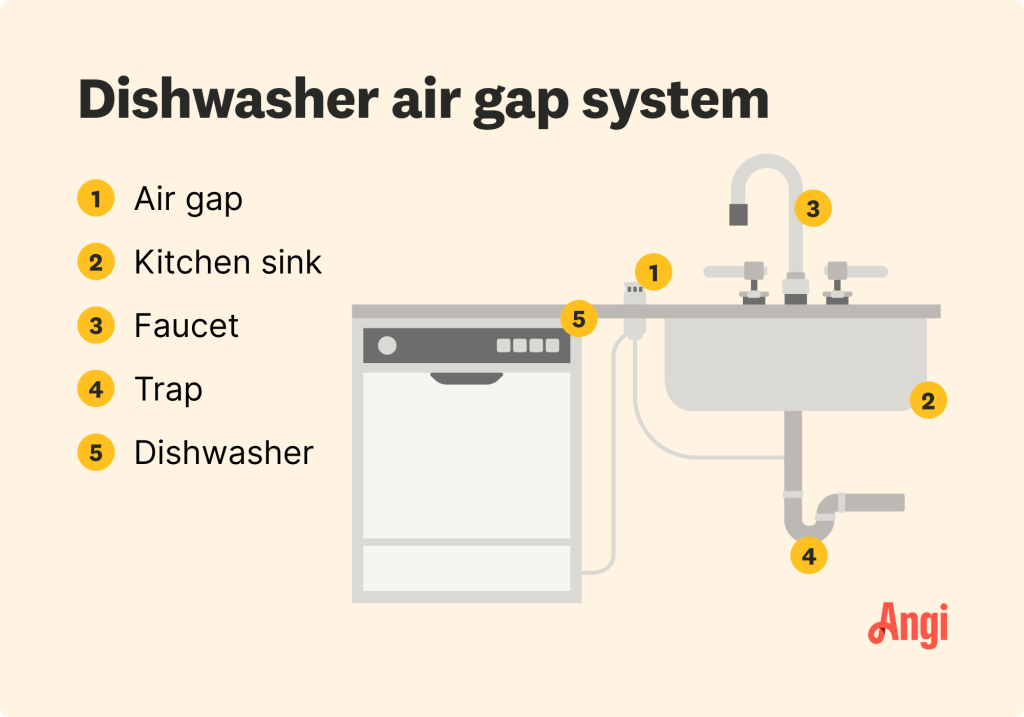
Have you ever wondered if that little device sticking out of your sink next to your dishwasher is really necessary? You’re not alone.
Many homeowners question the purpose and importance of air gaps for dishwashers. Is it just another gadget or a crucial component for your kitchen plumbing? We’ll dive into the world of dishwasher air gaps, exploring why they might be more important than you think.
By the end, you’ll have the clarity you need to decide whether an air gap is essential for your home. Keep reading to uncover the surprising truth about this often-overlooked element of your kitchen setup.
Purpose Of Air Gaps
Understanding the purpose of air gaps in dishwashers is key to deciding if your setup truly needs one. An air gap acts as a safety device designed to stop dirty water from flowing back into your clean water supply. This simple yet effective feature helps keep your dishwasher running safely and your dishes hygienically clean.
Preventing Backflow Contamination
Air gaps create a physical break between the dishwasher’s drain line and the home’s plumbing system. This break stops wastewater from siphoning back into the dishwasher or potable water lines. Without an air gap, contaminants from the drain could re-enter your dishwasher, risking your health.
I once skipped installing an air gap, thinking it was just an unnecessary extra. Soon after, I noticed a foul smell from my dishwasher, which was traced back to backflow contamination. That experience showed me how crucial this small device really is in protecting your home’s water quality.
Maintaining Hygiene Standards
Keeping your dishwasher free from harmful bacteria depends on preventing dirty water from mixing with clean water. Air gaps play a vital role in maintaining hygiene standards by ensuring only fresh water enters the dishwasher. This means your dishes come out truly clean and safe to use.
Have you ever wondered why some local plumbing codes require air gaps? It’s because maintaining hygiene isn’t just about washing dishes but also protecting your family from waterborne illnesses. Installing an air gap adds a layer of safety that’s worth considering for your home’s health.

Credit: www.reddit.com
How Air Gaps Work
Understanding how air gaps work can help you decide if your dishwasher really needs one. An air gap acts as a safety device that prevents dirty water from flowing back into your clean water supply. It’s a simple, yet effective way to keep your dishwasher running smoothly and hygienically.
Basic Design And Operation
The air gap is a small, cylindrical fixture usually mounted near your kitchen sink. Inside, it creates a physical break between the dishwasher’s drain hose and the home’s plumbing system.
When your dishwasher drains, water flows up through the air gap and then down into the drain pipe. If the drain becomes clogged, the water backs up into the air gap instead of flowing back into the dishwasher.
This prevents contamination by ensuring wastewater can never siphon back into the clean water supply. Have you ever noticed water spilling out of that little fixture? That’s the air gap doing its job, alerting you to a possible clog.
Installation Locations
Air gaps are typically installed on the countertop or sink deck, right next to the faucet. This placement allows the air gap to be visible, so you can easily spot any drainage issues.
Alternatively, some setups place the air gap under the sink, hidden from view but still functional. However, this can make it harder to notice when something is wrong.
If you’re considering where to install an air gap, think about accessibility and visibility. Would you prefer to see if it’s leaking or overflowing, or would you rather have it out of sight? Your choice impacts how quickly you can respond to drainage problems.
Local Plumbing Codes
Local plumbing codes play a crucial role in determining whether an air gap is required for your dishwasher. These codes are designed to protect your home’s water supply from contamination and ensure safe installation practices. Understanding what your local regulations say can save you from costly repairs and health risks down the line.
Regional Requirements
Different areas have different rules about air gaps for dishwashers. Some regions mandate an air gap to prevent backflow and contamination, while others allow alternatives like high loops in the drain hose.
- In California, for example, most plumbing codes require a physical air gap for dishwashers.
- In many parts of the Midwest, a high loop in the dishwasher’s drain hose might be enough.
- Some local codes might even require specific brands or models that comply with health department standards.
Have you checked your city or county’s building codes before installing your dishwasher? Skipping this step could mean your setup doesn’t meet legal requirements.
Consequences Of Non-compliance
Ignoring local plumbing codes can lead to serious problems beyond just a failed inspection. Without a proper air gap or approved alternative, dirty water could siphon back into your dishwasher, contaminating clean dishes and posing health risks.
Homeowners have faced fines, repair costs, and even mandatory reinstallation when installations didn’t meet code. Insurance claims may also be denied if an improper dishwasher setup leads to water damage.
Think about whether saving a few dollars now is worth the potential headaches later. Are you willing to risk your family’s health and your home’s safety by cutting corners on plumbing codes?
Alternatives To Air Gaps
Air gaps prevent dirty water from flowing back into your dishwasher. Some homes do not have air gaps installed. There are other ways to stop backflow and keep your dishwasher safe. These alternatives can be simpler or fit better with your kitchen setup.
High Loop Method
The high loop method raises the dishwasher drain hose above the sink’s flood level. This creates a natural barrier against backflow. The hose is secured to the underside of the countertop or cabinet. Water must flow uphill before draining, which stops dirty water from returning.
This method is easy to install. It does not require special parts or tools. Many building codes allow the high loop as an alternative to air gaps. It works well in most homes and reduces the risk of contamination.
Built-in Dishwasher Devices
Some dishwashers come with built-in backflow prevention devices. These parts block dirty water from flowing backward. They are inside the dishwasher’s drain system and do not need extra installation. This option is convenient and neat.
Built-in devices meet many safety standards. They are designed to work with your dishwasher’s drain hose. Using these devices can save space and reduce plumbing work. Check your dishwasher’s manual to see if it includes this feature.
Benefits Of Using Air Gaps
Using an air gap with your dishwasher offers several important benefits that directly affect your home’s plumbing and water quality. It acts as a safety feature and helps keep your dishwasher running smoothly. Understanding these advantages can help you decide if an air gap is right for your setup.
Improved Water Safety
An air gap prevents dirty water from siphoning back into your dishwasher, protecting your clean dishes from contamination. This is especially important if there is a clog or backup in your sink drain. Without an air gap, wastewater could flow backward, exposing your dishwasher to harmful bacteria and debris.
Think about times when your kitchen sink backs up after heavy use. If you don’t have an air gap installed, you risk that dirty water entering your dishwasher hose. Installing an air gap creates a physical break, so water can’t flow backward into your dishwasher, keeping your water safe and clean.
Reducing Risk Of Clogs
Air gaps also help prevent clogs by allowing air to enter the drain line. This reduces the chances of negative pressure that can cause blockages in your dishwasher hose. When air flows freely, waste and soap scum are less likely to get trapped and cause backups.
In my experience, kitchens without air gaps tend to have more frequent drainage problems. The air gap’s design ensures water flows smoothly, which means fewer plumbing headaches and less time spent troubleshooting. Would you rather spend time fixing clogs or enjoy a hassle-free dishwasher?
Common Installation Challenges
Installing an air gap for your dishwasher can sometimes feel like fitting a puzzle piece into a tight spot. Many homeowners find themselves facing unexpected hurdles that complicate the process. Recognizing these common installation challenges can help you plan better and avoid costly mistakes.
Space Constraints
Limited space under your sink or near your countertop often makes installing an air gap tricky. You might discover that the usual spot for the air gap is already crowded with pipes or other fixtures.
In one instance, I had to get creative by relocating the air gap to the side of the sink, using a longer hose to connect it. This isn’t always recommended, but sometimes adjusting the position is necessary to fit everything properly. Have you checked if your kitchen layout allows enough room for the air gap, or will you need to rethink its placement?
Maintenance Tips
Keeping the air gap clean is essential to ensure it works correctly and prevents backflow contamination. Dirt and debris can clog the air gap, causing water to back up or leak.
Regularly remove the cover and rinse out any buildup with warm water. Using a small brush can help clear stubborn debris. Have you set a reminder to check your air gap every few months? It’s a small step that can save you from larger plumbing headaches down the road.
When Air Gaps May Not Be Needed
Air gaps are often recommended to prevent dirty water from siphoning back into your dishwasher, but they aren’t always mandatory. Depending on your dishwasher model and your home’s plumbing setup, you might not need an air gap at all. Understanding when these gaps can be skipped can save you both money and installation hassle.
Specific Dishwasher Models
Some dishwasher brands and models come with built-in backflow prevention devices. These internal mechanisms act like air gaps by stopping dirty water from flowing backward. For example, many modern Bosch and Miele dishwashers include this feature, making an external air gap unnecessary.
Before deciding, check your dishwasher’s manual or ask the manufacturer. If your model has a built-in anti-backflow system, you can skip installing an air gap without risking contamination. Have you looked into your dishwasher’s specifications yet?
Alternative Plumbing Setups
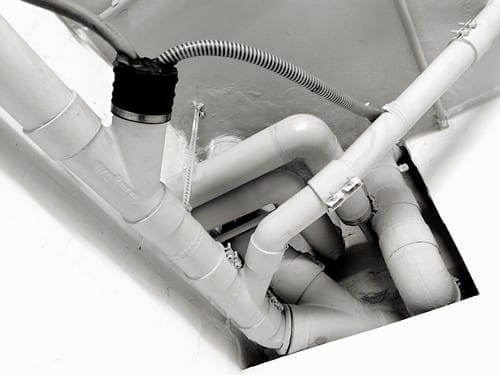
Your home’s plumbing design can also influence the need for an air gap. If your dishwasher drain line is connected to a high loop—a section of pipe that rises well above the sink drain—this setup can prevent backflow effectively. Many local plumbing codes accept the high loop as an alternative to an air gap.
Additionally, some homes use garbage disposals with built-in backflow prevention, which may eliminate the need for a separate air gap. However, this depends on proper installation and local regulations. Have you checked if your plumbing setup already includes these safeguards?
Credit: coolingheatingplumbing.com
Cost And Practicality
Understanding the cost and practicality of installing an air gap for your dishwasher is essential before making a decision. This small device can protect your home from contamination, but you might wonder if it’s worth the investment. Let’s break down what you can expect in terms of expenses and long-term benefits.
Installation Expenses
Installing an air gap usually involves both the cost of the device and labor charges. The device itself is relatively inexpensive, often priced between $10 and $30. However, hiring a professional plumber to install it can add $100 to $200 to your bill, depending on your location and existing plumbing setup.
If you’re handy, you might save money by installing it yourself. But remember, incorrect installation can cause leaks or void warranties on your dishwasher. Have you checked whether local codes require an air gap? This can affect your choices and potentially add to costs if you need to upgrade your plumbing.
Long-term Advantages
Investing in an air gap can prevent costly repairs down the road. It stops dirty water from siphoning back into your dishwasher and contaminating clean dishes or your drinking water. This simple safeguard can protect your family’s health and save you from unexpected plumbing issues.
Besides safety, air gaps reduce the risk of clogs caused by wastewater backing up. Over time, avoiding these blockages can save you both time and money on maintenance. Is it worth spending a bit more now to avoid headaches later?

Credit: www.angi.com
Frequently Asked Questions
What Is An Air Gap In Dishwashers?
An air gap is a small device that prevents dirty water from flowing back into the dishwasher. It creates a physical break in the drain line, ensuring clean water stays uncontaminated and meets plumbing codes in many areas.
Are Air Gaps Legally Required For Dishwashers?
Many local plumbing codes require air gaps to prevent contamination. However, some areas allow high loop drains as alternatives. Always check local regulations to ensure your dishwasher installation complies with legal standards.
Can Dishwashers Work Without An Air Gap?
Yes, dishwashers can operate without an air gap if a high loop drain or other approved method is used. However, an air gap provides the safest protection against backflow contamination.
How Does An Air Gap Prevent Backflow Contamination?
The air gap creates a break between the dishwasher drain and the sink drain. This prevents dirty water from siphoning back into the dishwasher, keeping your dishes clean and safe.
Conclusion
Air gaps help keep your dishwasher safe and clean. They stop dirty water from flowing back into the clean water supply. Many local rules require air gaps for dishwashers. Installing one is simple and adds peace of mind. Skipping it might cause water contamination or plumbing issues.
Think of an air gap as a small but important guard. It protects your home’s water and keeps your dishwasher working well. Choosing to use an air gap is a smart, safe decision.