Are you worried that your everyday choices might be harming your septic system? If you rely on dishwasher pods for their convenience and cleaning power, you’re not alone.
But have you ever considered what these tiny powerhouses might be doing to the intricate balance of your septic system? We’ll uncover the truth behind dishwasher pods and their effects on septic health. You deserve peace of mind knowing that your household products are not causing harm.
Discover the surprising facts, bust some myths, and find out how you can make informed decisions to protect your home and environment. Keep reading, as what you learn today could save you from costly repairs tomorrow.
Credit: www.amazon.ca
How Septic Systems Work
Understanding how septic systems work is essential before deciding if dishwasher pods are safe for them. Septic systems treat wastewater from your home using natural processes. This treatment depends heavily on specific components and living organisms within the system.
Key Components
Your septic system mainly consists of three parts:
- Septic Tank:This is where the wastewater first collects. Solids settle at the bottom, forming sludge, while oils and lighter materials float on top as scum.
- Drain Field (Leach Field):After the tank, the liquid wastewater flows into the drain field. Here, it slowly trickles through soil layers that filter out harmful bacteria and nutrients.
- Soil:The soil acts as a natural filter. It removes pathogens and pollutants before the water reaches groundwater sources.
Each part must function well to keep your system healthy and prevent backups or contamination.
Role Of Bacteria
Bacteria inside your septic tank do the heavy lifting. They break down organic waste, turning solids into simpler substances.
Without these bacteria, solids would accumulate quickly, leading to blockages and costly repairs. Think of them as tiny workers maintaining your system’s balance.
But what happens when you introduce chemicals from dishwasher pods? Some ingredients can kill these helpful bacteria, disrupting the natural breakdown process. This raises the question: are the cleaning agents you use harming the very system designed to protect your home and environment?
Credit: www.cookingdetective.com
Ingredients In Dishwasher Pods
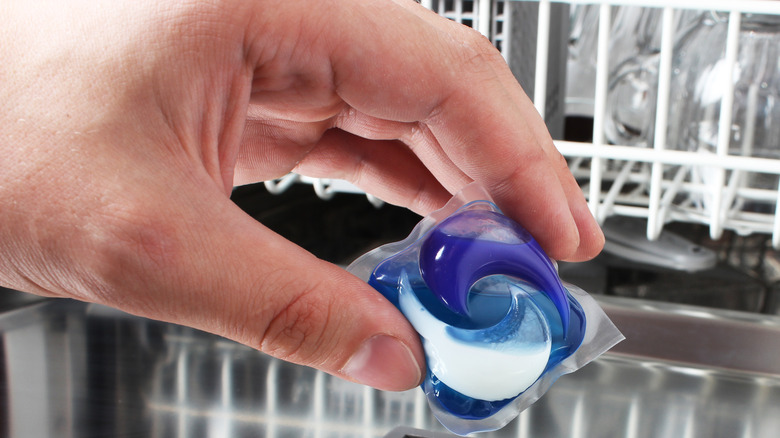
Understanding the ingredients in dishwasher pods is key to figuring out their impact on septic systems. These pods combine several chemicals designed to break down food and grease quickly. But how do these ingredients interact with the delicate balance inside your septic tank?
Common Chemicals
Dishwasher pods often contain:
- Surfactants:Help remove food and grease by breaking down oils.
- Enzymes:Target proteins and starches to aid cleaning.
- Phosphates:Boost cleaning power but can harm water systems.
- Bleaching agents:Kill bacteria and whiten dishes.
- Fragrances and dyes:Added for scent and appearance.
Some of these chemicals are harsh on the beneficial bacteria that keep your septic system working well. Have you ever noticed your septic tank acting up after switching dishwasher brands? It might be due to these ingredients.
Effects On Environment
Phosphates and certain surfactants can disrupt the natural bacteria in your septic tank. This slows down waste breakdown, leading to tank buildup and possible failure.
When these chemicals leach into the soil, they can contaminate groundwater and harm aquatic life. You might think a small pod won’t make a difference, but over time, the impact adds up.
Choosing pods with biodegradable ingredients or low phosphate content can protect your septic system and the environment. Have you checked if your dishwasher pods are septic-safe?
Impact Of Dishwasher Pods On Septic Systems
Dishwasher pods contain chemicals designed to clean dishes effectively. These chemicals can affect septic systems in different ways. Understanding the impact helps protect your septic tank and keep it working well.
Chemical Interference
Dishwasher pods have strong detergents and enzymes. These can change the chemical balance in the septic tank. Some chemicals slow down the natural breakdown of waste. This can cause clogs or damage to pipes. Harsh chemicals may kill useful bacteria that break down solids.
Bacterial Disruption
Septic systems rely on bacteria to digest waste. Dishwasher pods may kill these helpful bacteria. Without enough bacteria, waste breaks down slowly. This leads to more frequent pumping and possible system failure. Gentle cleaning products help maintain healthy bacteria levels.
Credit: www.ufinechem.com
Risks Of Using Pods With Septic Tanks
Using dishwasher pods with septic tanks can lead to several problems. These pods contain chemicals and ingredients that may not break down easily. This can harm the balance of bacteria in the septic system. These risks affect the system’s performance and longevity.
Clogging And Blockages
Dishwasher pods often leave behind residue that does not dissolve fully. This residue can build up in pipes and septic tanks. Over time, it causes blockages that stop water flow. Blockages can lead to backups and costly repairs. Solid materials from pods also add to sludge buildup. This makes the tank fill faster and need pumping more often.
Reduced System Efficiency
Septic systems rely on bacteria to break down waste naturally. Chemicals in pods can kill these helpful bacteria. Without enough bacteria, waste breaks down slowly or not at all. This slows the entire system and reduces its ability to treat wastewater. A weak system risks leaks and contamination of soil and water. Efficiency drops, and maintenance costs rise.
Alternatives For Septic-friendly Dishwashing
Choosing the right dishwashing products protects your septic system and keeps your home safe. Many dishwasher pods contain harsh chemicals that harm septic tanks. Alternatives made for septic systems help maintain balance in your tank. These options clean dishes well without risking damage to your septic system.
Septic-safe Detergents
Septic-safe detergents break down easily and do not harm bacteria in your tank. They use natural ingredients and avoid harsh chemicals like phosphates and chlorine. These detergents help keep your septic system working smoothly. Many brands label their products as “septic safe” or “biodegradable.”
- Look for products with enzyme-based formulas
- Avoid strong fragrances and dyes
- Choose liquid or powder detergents designed for septic use
Using these detergents reduces the chance of clogs and backups. They maintain a healthy environment for waste to break down naturally.
Diy Cleaning Solutions
Homemade dishwashing solutions work well and protect septic systems. Simple ingredients like baking soda, vinegar, and castile soap are effective cleaners. These natural products do not harm the bacteria your septic tank needs.
- Mix 1 cup of liquid castile soap with 1/2 cup of baking soda
- Add a few drops of essential oils for fragrance
- Use white vinegar as a rinse aid to remove residues
These DIY options are cost-effective and eco-friendly. They keep your dishes clean without introducing harmful chemicals into your septic system.
Tips To Maintain Septic Health
Keeping your septic system healthy requires more than just avoiding harmful products. It demands a combination of smart habits and regular care. These tips will help you protect your septic system and avoid costly repairs.
Proper Disposal Practices
What you put down your drains matters a lot. Avoid flushing grease, coffee grounds, and harsh chemicals as they can clog or damage your septic tank.
Use septic-safe cleaning products and detergents. Many dishwasher pods contain enzymes and chemicals that can disrupt the natural bacteria in your system. Choosing pods labeled as septic-safe or switching to liquid detergents can make a real difference.
Never flush non-biodegradable items like wipes, cotton swabs, or sanitary products. Even if they say “flushable,” they often cause blockages. Your septic system relies on natural breakdown, so only flush human waste and toilet paper.
Regular Maintenance
Have your septic tank inspected and pumped every 3 to 5 years. This prevents solids from building up and damaging your drain field. Neglecting maintenance can lead to backups and expensive repairs.
Keep an eye on your drain field. Avoid driving or parking heavy vehicles over it, as compacted soil prevents proper drainage. Also, plant only grass or shallow-rooted plants nearby to avoid root intrusion.
Watch your water usage. Excess water overloads the system and reduces its efficiency. Simple habits like fixing leaks and spreading out laundry loads can help maintain balance in your septic tank.
Frequently Asked Questions
Are Dishwasher Pods Harmful To Septic Systems?
Dishwasher pods can harm septic systems if they contain harsh chemicals. Some pods have phosphates and bleach that disrupt beneficial bacteria, essential for waste breakdown. Choosing septic-safe pods helps maintain system health and prevents costly repairs.
Can Dishwasher Pods Damage Septic Bacteria?
Yes, some dishwasher pods contain chemicals that kill septic bacteria. These bacteria break down waste, so their loss can cause system clogs and backups. Using pods labeled safe for septic systems preserves bacterial balance and improves system function.
What Ingredients In Pods Affect Septic Tanks?
Phosphates, chlorine, and synthetic fragrances in pods can harm septic tanks. These ingredients reduce bacteria activity, leading to slower waste digestion. Opting for biodegradable, septic-safe pods reduces environmental impact and protects your septic system’s efficiency.
How To Choose Septic-safe Dishwasher Pods?
Look for pods labeled “septic-safe” or “biodegradable. ” Avoid those with bleach, phosphates, or harsh chemicals. Reading product labels helps select pods that support septic health, ensuring long-term system performance and fewer maintenance issues.
Conclusion
Dishwasher pods can affect your septic system’s health. Many pods contain chemicals that harm helpful bacteria. These bacteria break down waste in the tank. Without them, your system may clog or fail. Choosing pods labeled safe for septic tanks helps protect your system.
Also, use pods sparingly to reduce risk. Regular septic tank maintenance is important too. Protect your septic system to avoid costly repairs. Simple steps can keep your system working well for years. Consider your septic system’s needs before buying cleaning products.