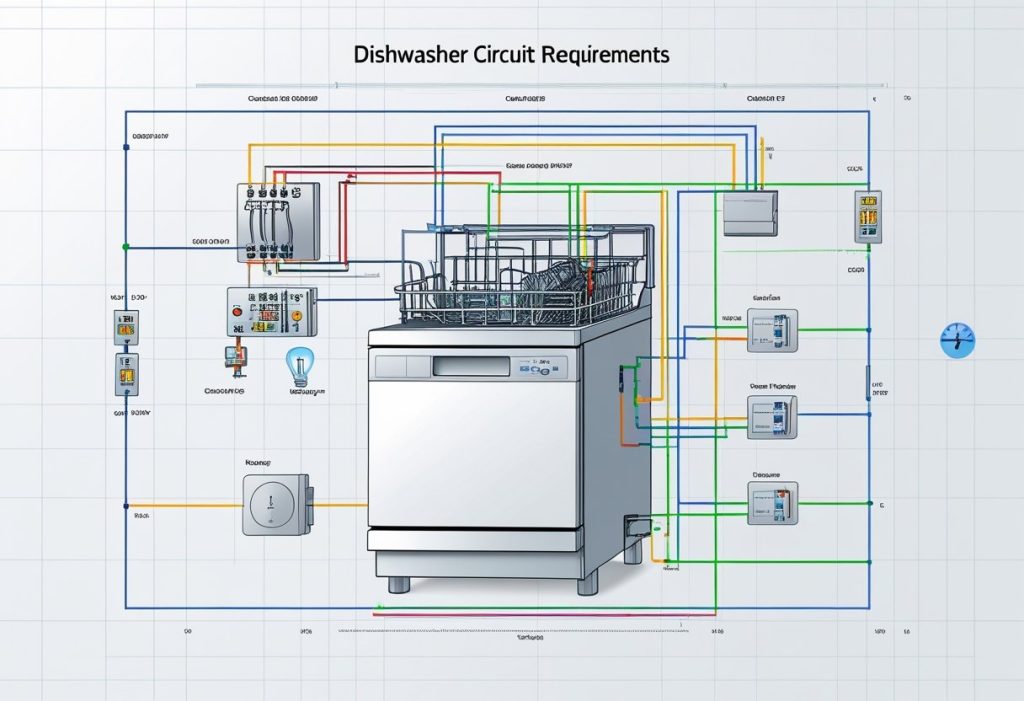
Are you installing a new dishwasher or simply upgrading your kitchen appliances? One critical factor that often gets overlooked is choosing the right circuit breaker size for your dishwasher.
You might wonder why it’s so important. Well, the correct circuit breaker not only ensures your dishwasher operates smoothly but also safeguards your home from electrical hazards. Imagine the peace of mind knowing your appliance is running safely and efficiently.
In this guide, we’ll dive into the specifics of what size circuit breaker you need for your dishwasher, ensuring you have all the information to make a confident decision. Read on, and let’s simplify this essential step together.

Credit: www.lowes.com
Dishwasher Power Needs
Understanding your dishwasher’s power needs is essential before selecting the right circuit breaker. The circuit breaker must handle the electrical load safely without tripping frequently or causing hazards. Knowing the dishwasher’s wattage, amperage, and voltage requirements helps you choose a breaker that matches these specifications.
Typical Wattage And Amperage
Most dishwashers use between 1200 to 1500 watts during operation. This wattage translates roughly to an amperage range of 10 to 12.5 amps on a standard 120-volt circuit.
However, some models with additional features like heated drying or sanitizing cycles may draw more power. Checking your dishwasher’s manual or label for exact wattage is a smart move. This info ensures the breaker you pick can handle peak loads without tripping.
- Standard dishwasher wattage: 1200-1500 watts
- Typical current draw: 10-12.5 amps
- Heated drying or sanitizing features can increase power needs
Voltage Requirements
Most dishwashers operate on a 120-volt power supply common in residential homes. Some commercial or larger residential units may require 240 volts, but these are less common.
Using the correct voltage is crucial to avoid damaging the appliance or causing safety issues. Make sure your home wiring supports the dishwasher’s voltage needs before installation.
Have you checked if your kitchen circuit matches the voltage your dishwasher demands? Taking a few minutes to verify can save you from costly rewiring later.
Circuit Breaker Basics
Understanding the basics of circuit breakers is important for any home appliance. Circuit breakers keep electrical systems safe. They stop too much electricity from flowing through wires. This protects your dishwasher and other devices from damage.
Knowing how circuit breakers work helps in choosing the right size. This ensures your dishwasher runs smoothly without electrical issues. It also prevents electrical fires and saves energy.
How Breakers Protect Appliances
Circuit breakers act like safety guards. They detect if the electrical current is too high. When this happens, the breaker cuts off the power quickly. This stops wires and appliances from overheating.
Without a breaker, too much current could cause serious damage. It can burn wires or ruin your dishwasher’s motor. The breaker helps avoid costly repairs and hazards.
Types Of Circuit Breakers
There are several types of circuit breakers for different needs:
- Standard Breakers: Used in most homes to protect general circuits.
- Ground Fault Circuit Interrupters (GFCI): Protect against electric shock, often near water sources.
- Arc Fault Circuit Interrupters (AFCI): Detect electrical arcs that could cause fires.
- Dual Function Breakers: Combine GFCI and AFCI protections in one device.
Choosing the right type depends on your dishwasher’s location and electrical system. Each breaker type offers specific safety features. This ensures your appliance stays safe and functional.
Choosing The Right Breaker Size
Choosing the right breaker size for your dishwasher is essential for safe operation. A breaker that is too small may trip often, while one that is too large can risk electrical fires. Proper sizing ensures your dishwasher runs smoothly without causing damage to your home’s electrical system.
Understanding the electrical load and matching it with the correct breaker size protects both your appliance and wiring. It also complies with electrical codes. Let’s explore how to calculate the current load and identify common breaker sizes suitable for dishwashers.
Calculating Current Load
Start by checking the dishwasher’s power rating, usually listed in watts or amps. Divide the wattage by your home’s voltage (typically 120 volts) to find the current load in amps.
For example, a 1440-watt dishwasher at 120 volts uses 12 amps of current. Adding a safety margin of 25% is important to handle startup surges and avoid nuisance tripping.
- Find the dishwasher’s wattage or amperage on the label.
- Divide wattage by voltage if amperage is not given.
- Multiply the current by 1.25 to include safety margin.
Common Breaker Sizes For Dishwashers
Most dishwashers require circuit breakers rated between 15 and 20 amps. The exact size depends on the calculated current load plus the safety margin.
| Dishwasher Current Load (Amps) | Recommended Breaker Size (Amps) |
|---|---|
| Up to 12 amps | 15-amp breaker |
| 12 to 16 amps | 20-amp breaker |
Using the correct breaker size prevents overheating and electrical hazards. Always verify with local electrical codes and manufacturer guidelines before installation.

Credit: www.onesto-ep.com
Wiring Considerations
Proper wiring is crucial for a dishwasher’s safe operation. It ensures the electrical system handles the load without risks. Correct wiring prevents electrical hazards like shorts or fires. It also helps the circuit breaker work as intended. Understanding wiring needs supports choosing the right circuit breaker size and wire gauge.
Wire Gauge For Dishwasher Circuits
Use the correct wire gauge for safety and efficiency. Dishwashers typically require a 12-gauge wire. This wire size supports a 20-amp circuit breaker. For longer wire runs, consider thicker wire to avoid voltage drops. Always check local electrical codes for specific requirements.
Ensuring Proper Connections
Secure and tight connections reduce the risk of electrical faults. Use wire nuts or terminal blocks to join wires properly. Avoid loose or exposed wires that can cause shorts. Connect ground wires firmly to the grounding terminal. Inspect connections regularly for signs of wear or damage.
Safety Standards And Codes
Understanding safety standards and codes is crucial when deciding the correct circuit breaker size for your dishwasher. These rules protect your home from electrical hazards and ensure your appliance runs smoothly. Ignoring them can lead to costly repairs or even dangerous electrical fires.
National Electrical Code (nec) Guidelines
The NEC sets the baseline for electrical safety across the U.S. It recommends a dedicated circuit for dishwashers, typically rated at 15 or 20 amps depending on the model’s power needs. You should check the dishwasher’s specifications to match the breaker size properly.
NEC also requires the circuit to have proper grounding and GFCI protection in specific locations, like kitchens, to prevent electrical shocks. Have you ever considered that a simple breaker mismatch could trip your dishwasher mid-cycle? Following NEC guidelines helps avoid these interruptions and keeps your kitchen safe.
Local Regulations And Permits
Local codes can differ from the NEC, adding extra layers of safety or specific requirements for your area. Always check with your local building department before installing or upgrading your dishwasher circuit breaker. They might require permits or inspections to confirm compliance.
Ignoring local rules can delay your project or result in fines. Sometimes, local amendments specify higher amperage breakers or additional protective devices. Staying informed about these ensures your installation passes inspection and works reliably.
Installation Tips
Installing the right circuit breaker for your dishwasher is more than just picking the correct size. The installation process itself must be done carefully to ensure safety and proper function. Whether you handle it yourself or hire a pro, there are key tips that can make the difference between a smooth setup and costly mistakes.
Professional Vs Diy Installation
Choosing between professional installation and DIY depends on your confidence and experience with electrical work. A licensed electrician brings expertise and peace of mind, especially when dealing with the right breaker size and wiring standards.
If you decide to install it yourself, make sure you understand local electrical codes and have the right tools. Mistakes in breaker installation can cause tripped circuits or, worse, fire hazards. Are you comfortable turning off the main power and working inside the breaker panel?
DIY can save money but demands caution. Professionals often spot potential issues you might miss, like incorrect wire gauge or loose connections. Remember, safety and code compliance are more important than saving a few dollars.
Testing And Troubleshooting
After installation, testing your dishwasher’s circuit breaker is crucial. Start by turning on the dishwasher and watching for any breaker trips or unusual noises. If the breaker trips immediately, it may be too small or there might be a wiring fault.
Use a multimeter to check voltage at the breaker and ensure consistent power flow. If you notice flickering or intermittent trips, inspect connections for looseness or corrosion. Troubleshooting early can prevent damage to your dishwasher and electrical system.
Have you ever ignored a small electrical hiccup only to face a bigger problem later? Testing helps you catch issues before they grow. If problems persist, don’t hesitate to call in a professional to avoid risks.
Common Mistakes To Avoid
Choosing the right circuit breaker size for your dishwasher is key for safety and performance. Many people make simple mistakes that lead to electrical problems or damage. Avoid these common errors to keep your dishwasher working well and your home safe.
Oversized Or Undersized Breakers
Using a breaker that is too big can cause wires to overheat. The breaker might not trip during an electrical fault. This risks fire or damage to your dishwasher. A breaker too small will trip often, interrupting dishwasher cycles. It also adds wear to the breaker and wiring. Always match the breaker size to the dishwasher’s amperage needs.
Ignoring Manufacturer Instructions
Dishwasher manuals provide specific electrical requirements. Ignoring these can cause safety hazards and void warranties. Manufacturers test their products with recommended breaker sizes. Following these instructions ensures proper protection and performance. Check the manual or label on the dishwasher before installation.
Credit: www.electriciantalk.com
Frequently Asked Questions
What Size Circuit Breaker Is Needed For A Dishwasher?
A 15-amp circuit breaker is typically required for dishwashers. This size handles the average dishwasher’s electrical load safely and efficiently. Always check your dishwasher’s manual for specific requirements before installation.
Can I Use A 20-amp Breaker For My Dishwasher?
Yes, a 20-amp breaker can be used if the dishwasher’s electrical rating supports it. It provides extra capacity and safety margin. However, always confirm with the manufacturer’s specifications to avoid electrical issues.
Why Is The Circuit Breaker Size Important For Dishwashers?
The correct breaker size prevents electrical overloads and potential fire hazards. It ensures the dishwasher operates safely within its power limits. Using the wrong size can cause frequent trips or damage to the appliance.
Should Dishwasher Share A Circuit With Other Appliances?
Dishwashers should ideally have a dedicated circuit to avoid overloads. Sharing circuits can cause breaker trips and affect appliance performance. Dedicated circuits ensure stable power supply and safety for your dishwasher.
Conclusion
Choosing the right circuit breaker size keeps your dishwasher safe and working well. A 15-amp breaker usually fits most dishwashers. Check your dishwasher’s manual for exact details. Using the wrong size can cause problems or even damage. Always follow electrical codes and safety rules.
If unsure, ask a licensed electrician for help. Proper setup means fewer worries and better dishwasher performance. Simple steps make a big difference in your kitchen’s safety.