
Are you in the market for a new dishwasher and wondering what the standard size is? You’re not alone.
Choosing the right dishwasher can be a daunting task, especially with so many options available. But don’t worry, understanding the standard size of a dishwasher is simpler than you might think. You’ll discover everything you need to know about standard size dishwashers and why they might be the perfect fit for your kitchen.
Whether you’re remodeling your space or replacing an old appliance, knowing the standard dimensions can help you make an informed decision that suits your needs. Keep reading to find out how the right dishwasher can blend seamlessly into your kitchen while offering the convenience and efficiency you deserve.
Credit: www.maytag.com
Standard Dishwasher Dimensions
Understanding the standard dishwasher dimensions can save you from costly mistakes during kitchen planning or appliance replacement. These dimensions ensure the dishwasher fits perfectly under your counter and aligns well with other kitchen fixtures. Let’s break down what those dimensions typically look like and how they compare to other sizes.
Width, Height, And Depth
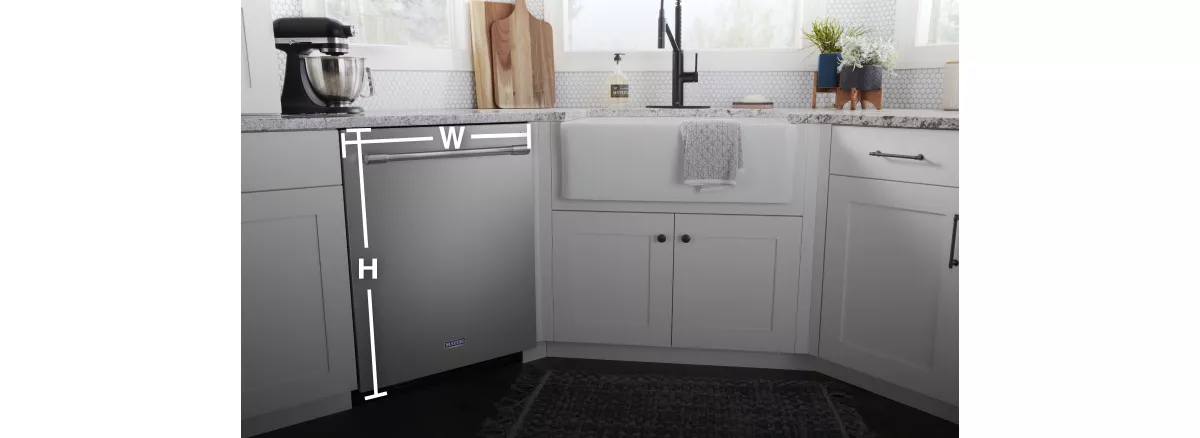
The width of a standard dishwasher usually measures about 24 inches. This size fits well into most kitchen cabinetry designed for dishwashers, making installation straightforward.
Height is typically around 34 to 35 inches. This height allows the dishwasher to sit flush under your countertop without leaving gaps or requiring adjustments to your cabinets.
Depth varies slightly but generally falls between 24 to 26 inches. This ensures enough space for plumbing and electrical connections at the back while maintaining a sleek front profile.
Common Size Variations
While 24 inches wide is standard, some dishwashers come in compact or slim sizes, like 18 inches wide, designed for smaller kitchens or apartments.
Height can also vary if the appliance includes adjustable legs or if it’s designed for specific installation needs. Depth might change with models offering extra capacity or specialized features.
- Compact dishwashers: around 18 inches wide
- Tall tub models: slightly deeper for more space
- Countertop dishwashers: much smaller overall dimensions
Knowing these variations helps when you need a dishwasher that fits a unique space or offers different functionalities.
Comparing With Other Dishwasher Sizes
Standard dishwashers are often compared to compact and portable models. Compact dishwashers, as mentioned, are narrower, making them ideal for tight spaces but with less capacity.
Portable dishwashers are usually similar in height but can be moved and connected to a sink, offering flexibility you don’t get with built-in standard units.
| Dishwasher Type | Width | Height | Depth | Best For |
|---|---|---|---|---|
| Standard | 24 inches | 34-35 inches | 24-26 inches | Most kitchens with built-in space |
| Compact | 18 inches | 33-35 inches | 22-24 inches | Small kitchens, apartments |
| Portable | 24 inches | 35 inches | 26 inches | Renters, flexible use |
Have you measured your kitchen space correctly before shopping? Remember, even a couple of inches can make a difference when installing a dishwasher. Take your time to measure width, height, and depth carefully.

Credit: www.whirlpool.com
Benefits Of Standard Size Dishwashers
Standard size dishwashers offer many benefits that suit most households. Their design balances capacity, efficiency, and adaptability well. Choosing this size fits many kitchens and daily needs without waste.
Capacity And Efficiency
Standard dishwashers hold about 12 to 16 place settings. This means they clean many dishes in one cycle. They save time by reducing the number of loads. Cleaning more dishes at once uses energy efficiently. It fits plates, pots, pans, and utensils comfortably.
Versatility In Kitchen Layouts
These dishwashers fit standard 24-inch wide spaces. Most kitchens can install them easily. They suit both small and large kitchens. You can place them under counters or in built-in spots. This size works well with many cabinet styles.
Energy And Water Usage
Standard dishwashers use less water than hand washing. They have energy-saving modes that reduce electricity use. Many models have eco-friendly settings for lower consumption. This helps cut utility bills and protects the environment. Efficient water use also keeps your bills down.
Choosing The Right Fit For Your Kitchen
Choosing the right size dishwasher is key for a smooth kitchen setup. A dishwasher too big or too small can cause problems. It may not fit well or match other kitchen elements. Measuring and planning ensures the appliance fits perfectly and works efficiently.
Measuring Your Space
Start by measuring the width, height, and depth of the space for your dishwasher. Use a tape measure for accuracy. Measure from the floor to the bottom of the countertop. Note any obstacles like pipes or vents that may reduce space.
Write down these dimensions. Compare them with dishwasher sizes to find a good match. Standard dishwashers usually fit in a 24-inch wide space. Still, check your kitchen to avoid surprises.
Considering Cabinet And Countertop Alignments
Check how your cabinets and countertops line up with the dishwasher space. The dishwasher should sit flush with these surfaces for a neat look. Uneven heights can cause gaps or awkward edges.
Look for any trim or molding that might block the dishwasher door. Adjust cabinets if needed or choose a dishwasher with a design that fits your kitchen style.
Door Clearance And Installation Requirements
Door clearance is important for easy loading and unloading. Make sure the dishwasher door can open fully without hitting walls or appliances. Measure the space in front of the dishwasher.
Consider installation needs like plumbing and electrical access. Check for water supply lines and power outlets near the dishwasher spot. Proper clearance and connections make installation faster and safer.
Popular Features In Standard Dishwashers
Standard size dishwashers come packed with features designed to make your kitchen routine smoother. Understanding these features helps you pick a model that fits your lifestyle and cleaning needs. Let’s dive into some popular features that you’ll often find in standard dishwashers.
Cleaning Cycles And Options
Standard dishwashers offer a variety of cleaning cycles tailored for different types of loads. You’ll find settings like Normal, Heavy, Quick Wash, and Eco, each designed to handle specific cleaning challenges efficiently.
Some models include special options such as sanitize cycles to kill bacteria or delicate cycles for fragile dishes. Have you ever struggled with stubborn stains or greasy pans? These customizable cycles make it easier to get your dishes spotless without wasting water or energy.
Noise Levels And Insulation
Noise can be a dealbreaker if your kitchen is open to your living space. Most standard dishwashers focus on quiet operation, with noise levels measured in decibels (dB).
Look for dishwashers operating around 44 dB or lower for nearly silent performance. Insulation materials inside the dishwasher help reduce sound, so you can run it anytime without disturbing your home’s calm atmosphere.
Interior Racks And Loading Flexibility
The design of racks inside standard dishwashers plays a big role in how much you can fit and how easy it is to load. Adjustable or fold-down tines let you rearrange space for larger pots or awkwardly shaped items.
Some dishwashers feature a third rack for utensils and small items, freeing up space below. Have you noticed how much time you spend arranging your dishes before washing? Flexible racks can save you that hassle and make loading faster.
Installation Tips And Best Practices
Installing a standard size dishwasher correctly can save you a lot of hassle and ensure your appliance works efficiently for years. Paying attention to key installation tips and best practices makes a big difference in performance and longevity. Below, you’ll find practical advice that helps you decide the best approach and avoid common pitfalls.
Professional Vs Diy Installation
Deciding whether to hire a professional or install the dishwasher yourself depends on your comfort level with tools and plumbing. Professionals bring experience that reduces the risk of leaks, electrical issues, or improper fitting. However, if you enjoy hands-on projects and have basic skills, a DIY installation can save money.
Ask yourself: Do you have the right tools and understand the connections involved? Remember, a small mistake could lead to costly repairs later. If unsure, consulting a professional might be the safer route.
Plumbing And Electrical Considerations
Dishwashers require proper plumbing and electrical hookups to function safely and effectively. You need a hot water supply line, a drain connection, and a dedicated electrical outlet nearby. Check your home’s water pressure and electrical capacity to ensure compatibility.
Use a grounded power outlet and avoid extension cords. For plumbing, ensure the drain hose is installed with a high loop to prevent wastewater from flowing back. Small details like these prevent leaks and electrical hazards.
Ensuring Proper Ventilation
Ventilation is often overlooked but vital for preventing moisture buildup and mold growth around your dishwasher. Leave enough space around the unit for air to circulate. Some models require specific venting requirements, so always consult the manual.
Consider installing a vent under the sink or in the cabinetry if your kitchen layout is tight. Proper ventilation extends your dishwasher’s lifespan and keeps your kitchen environment healthy.
Credit: www.maytag.ca
Maintaining And Troubleshooting
Maintaining and troubleshooting a standard size dishwasher keeps it working well. Regular care stops many problems before they start. Knowing simple fixes saves time and money. Some issues need expert help for safety and best results.
Regular Cleaning Tips
- Remove and clean the filter often to avoid clogs.
- Wipe door seals with a damp cloth to prevent mold.
- Run a cycle with dishwasher cleaner monthly to clear buildup.
- Check spray arms for blockages and clean holes gently.
- Use the right detergent and avoid overfilling it.
Common Issues And Fixes
- Dishwasher won’t start: Check power supply and door latch.
- Water not draining: Clear the drain hose and filter.
- Dishes not clean: Clean spray arms and avoid overloading.
- Strange noises: Remove broken glass or hard food particles.
- Leaks: Inspect door seal and tighten hose connections.
When To Call A Professional
- Persistent leaks despite cleaning and tightening.
- Electrical issues like no power or frequent trips.
- Strange smells after thorough cleaning cycles.
- Major mechanical failures such as broken motor or pump.
- Repeated problems that basic troubleshooting cannot fix.
Frequently Asked Questions
What Is The Standard Size Of A Dishwasher?
A standard dishwasher typically measures 24 inches wide, 24 inches deep, and 35 inches tall. This size fits most kitchen cabinets and allows easy installation under countertops.
Why Choose A Standard Size Dishwasher?
Standard dishwashers offer ample capacity, fitting a full load of dishes. They provide optimal performance and are compatible with most kitchen layouts.
How Much Space Is Needed For A Standard Dishwasher?
Allow at least 24 inches width, 24 inches depth, and 35 inches height for installation. Extra space around the unit ensures ventilation and ease of maintenance.
Can A Standard Dishwasher Fit Smaller Kitchens?
Standard dishwashers may not fit compact kitchens. For smaller spaces, consider slimline or compact models designed for narrow areas.
Conclusion
A standard size dishwasher fits most kitchen spaces easily. It usually measures about 24 inches wide. This size helps save time and effort in cleaning dishes. Choosing the right dishwasher size makes kitchen work smoother. It also fits well with common kitchen designs.
Understanding standard sizes helps you make smart buying choices. A good dishwasher adds comfort to daily chores. Keep size in mind for a perfect kitchen setup. Simple and practical. That’s the key.