Have you ever stood by your dishwasher, mason jar lid in hand, and wondered, “Can this really go in there?” You’re not alone.
Many people, just like you, are curious about the safety and practicality of tossing those handy lids into the dishwasher. After all, mason jars are a staple in many households, used for everything from storing leftovers to crafting. But when it comes to cleaning those lids, there’s a swirl of confusion.
We’ll uncover the truth behind dishwasher safety for mason jar lids. Stick around, because you might discover a few surprising tips that could make your life a little easier and your jars a whole lot cleaner.
Mason Jar Lid Types
Understanding the different types of Mason jar lids is key before deciding if they can go in the dishwasher. Not all lids are made from the same materials, and each type reacts differently to heat and water exposure. Knowing which lid you have helps you care for it properly and maintain its sealing power.
Metal Lids
Metal lids are the classic choice for Mason jars. They usually consist of two parts: a flat metal disc with a sealing compound and a metal screw band. The flat metal disc is often not dishwasher safe because the heat and detergent can wear down the sealing compound and cause rusting.
The metal screw bands, however, can typically handle dishwasher cleaning. But if you want your lids to last longer, hand washing might be a better option. Have you noticed your metal lids losing their tight seal after dishwasher cycles?
Plastic Lids
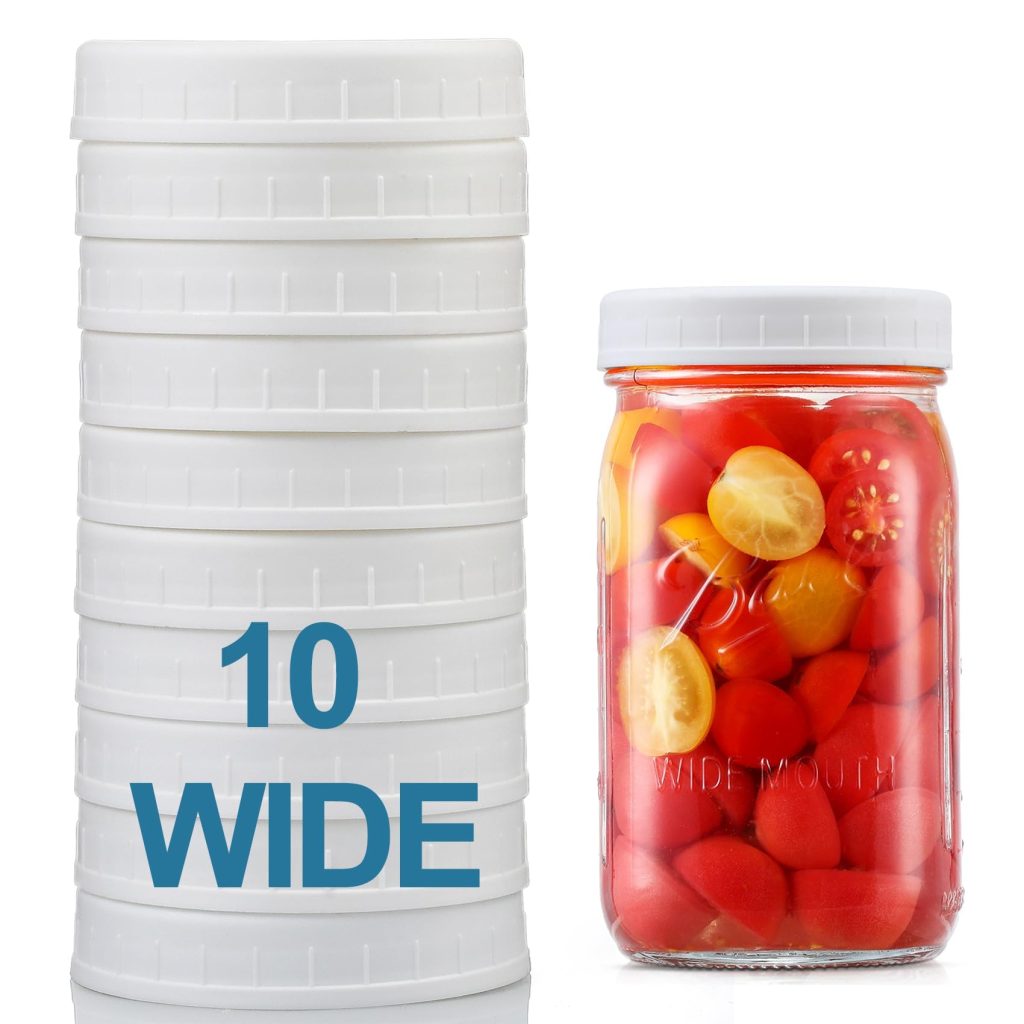
Plastic lids are common with reusable storage jars and newer Mason jar accessories. They are usually dishwasher safe, but it’s important to check the manufacturer’s instructions. Some plastics can warp or degrade over time in the dishwasher’s high heat.
Plastic lids are great for easy cleaning and everyday use, but if you want to keep them looking new, washing on the top rack or by hand is a safer bet. Do you prefer the convenience of plastic lids or the traditional feel of metal?
Silicone Seals
Silicone seals often come as part of reusable or specialty Mason jar lids. Silicone is heat resistant and flexible, making it generally safe for the dishwasher. It holds up well under hot water and detergent without losing its shape or sealing ability.
Still, repeated dishwasher cycles might cause silicone to attract odors or discolor. Rinsing them well after washing can help prevent this. Have you ever noticed your silicone seals smelling odd after several washes?
Credit: masonjarlifestyle.com
Dishwasher Safety
Dishwasher safety is important for keeping your Mason jar lids in good shape. Some lids handle the dishwasher better than others. Understanding how heat, plastic, and seals react helps you clean safely. This knowledge prevents damage and keeps your lids working well.
Heat Effects On Metal Lids
Metal lids can warp or rust from dishwasher heat. High temperatures may cause the metal to lose its shape. Rust can form if the coating wears off. It is best to place lids on the top rack. This reduces direct heat and water pressure.
Plastic Lid Durability
Plastic lids vary in dishwasher safety. Some plastics melt or warp under high heat. Others might crack after many washes. Check if the lid says dishwasher safe. Placing plastic lids on the top rack extends their life.
Seal Integrity
The rubber or silicone seal is key to a tight lid. Hot water and detergent can weaken the seal over time. A damaged seal means the jar won’t close properly. Remove seals before washing or hand wash them gently. This keeps the seal strong and effective.
Cleaning Tips
Keeping Mason jar lids clean is essential for safe food storage. Proper cleaning helps avoid odors and stains. It also extends the life of the lids. Choosing the right cleaning method keeps them in good shape. Here are some tips to clean Mason jar lids effectively.
Hand Washing Techniques
Use warm water and mild dish soap for hand washing. Gently scrub the lids with a soft sponge or cloth. Avoid abrasive scrubbers that can scratch the metal. Pay special attention to the grooves and edges. Rinse well to remove all soap residues. Dry the lids immediately with a clean towel. This prevents water spots and rust from forming.
Dishwasher Loading Tips
Place Mason jar lids on the top rack of the dishwasher. This area has gentler water pressure and heat. Avoid placing lids near heavy pots or sharp utensils. Use a normal cycle with a mild detergent. Remove lids promptly after the cycle ends. Let them air dry completely before storing to prevent moisture buildup.
Avoiding Rust And Damage
Rust forms when metal lids stay wet too long. Always dry lids thoroughly after washing. Store lids in a dry, cool place. Avoid soaking lids for extended periods. Use lids made of stainless steel or BPA-free materials for better durability. Inspect lids regularly for signs of rust or wear. Replace lids that show damage to keep jars airtight and safe.
Alternative Cleaning Methods
Cleaning mason jar lids properly keeps them safe and reusable. Dishwashers can sometimes damage the lids or leave residues. Alternative cleaning methods help maintain the metal and rubber parts well. These options ensure the lids stay clean and last longer without losing their seal quality.
Boiling Water Sterilization
Boiling is a simple and effective way to clean mason jar lids. Place the lids in boiling water for about 10 minutes. This process kills bacteria and loosens dirt. Let the lids air dry completely before using or storing. Avoid boiling the lids too long to protect the rubber seal.
Vinegar And Baking Soda
This natural cleaning mix removes stains and odors from mason jar lids. First, soak the lids in white vinegar for 5 minutes. Then, sprinkle baking soda on the lids and scrub gently with a soft brush. Rinse thoroughly with warm water. This method refreshes the lids without harsh chemicals.
Using A Dishwasher Basket
Using a dishwasher basket keeps mason jar lids safe during washing. Place lids in the basket to prevent them from moving around. The basket protects lids from banging and bending in the dishwasher. Use the top rack for gentler cleaning and avoid high heat settings.
Troubleshooting Common Issues
Troubleshooting common issues with Mason jar lids helps keep them in good shape. Small problems can stop jars from sealing properly. Fixing these issues extends the lids’ life and keeps your food safe.
Some problems happen after washing lids in the dishwasher or long use. Knowing how to handle these issues saves time and money. Here are common problems and easy solutions for Mason jar lids.
Rust Spots
Rust spots appear when lids stay wet too long or get scratched. Dishwasher heat and water can cause rust on metal lids. Rust weakens the lid and can spoil food.
To prevent rust, dry lids immediately after washing. Avoid leaving lids in the dishwasher too long. Scratched lids rust faster, so handle them gently.
Remove light rust spots with a paste made from baking soda and water. Rub gently with a soft cloth, then rinse and dry. Deep rust means it is time to replace the lid.
Warped Lids
Warped lids do not seal jars well. Dishwasher heat can bend thin metal lids out of shape. Warping causes leaks and food spoilage.
Check lids before use. If a lid looks bent or uneven, do not use it. Try to reshape gently by pressing the edge back into place. If it stays warped, replace it.
Use dishwasher-safe lids or hand wash to avoid warping. Cooling lids quickly after washing helps maintain shape.
Seal Replacement
The rubber seal inside the lid wears out over time. A worn seal stops jars from closing tight. This leads to air entering and food spoiling.
Replace seals regularly to keep jars airtight. Some lids have removable seals for easy replacement. Buy new seals from jar or kitchen stores.
Clean the lid and seal groove before installing a new seal. Press the seal evenly to avoid gaps. Test the jar with water to check for leaks.

Credit: masonjarlifestyle.com

Credit: gaildamerow.com
Frequently Asked Questions
Can Mason Jar Lids Be Washed In A Dishwasher?
Yes, most Mason jar lids are dishwasher safe. Place them on the top rack to avoid damage. Avoid high heat settings to preserve the sealing compound and prevent rust.
Will Dishwasher Damage Mason Jar Lid Seals?
Dishwasher heat can wear down the rubber seal on Mason jar lids. Hand washing is recommended to extend their lifespan. Avoid harsh detergents that may degrade the sealing material.
How To Clean Mason Jar Lids Safely?
Clean Mason jar lids with warm, soapy water by hand. Use a soft sponge to avoid scratching. Rinse thoroughly and dry immediately to prevent rust and seal damage.
Can Dishwasher Ruin Mason Jar Lid’s Sealing Ability?
High dishwasher heat can weaken the sealing compound on Mason jar lids. This reduces their airtight capability. For best results, hand wash and inspect seals before each use.
Conclusion
Mason jar lids can usually go in the dishwasher safely. Make sure to place them on the top rack to avoid damage. Hand washing is an option for longer lid life. Avoid high heat drying to keep seals strong. Clean lids well to stop rust and keep jars fresh.
Follow these tips to keep your lids clean and durable. Dishwasher use is easy but care matters most. Simple steps help your jars stay ready for use.