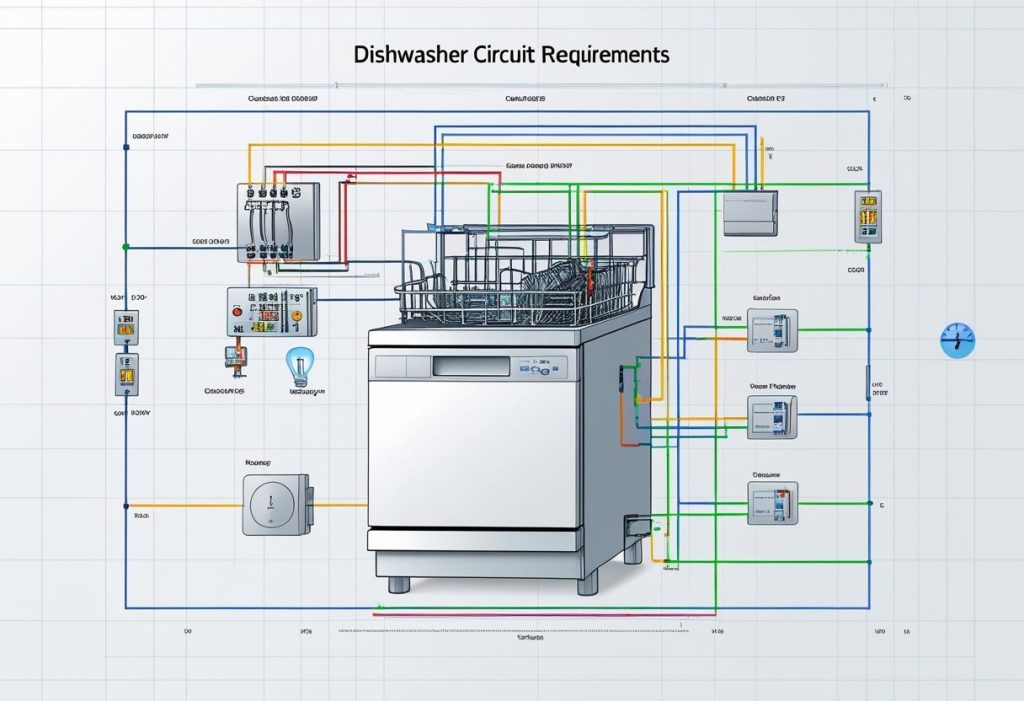
Choosing the right breaker size for your dishwasher might seem like a small detail, but it can make a huge difference in your home’s electrical safety and efficiency. Imagine the peace of mind knowing your appliance is running smoothly without the risk of tripping or overloading your circuit.
Understanding the correct breaker size isn’t just about following regulations; it’s about ensuring the longevity and performance of your dishwasher. As you read on, you’ll discover simple yet crucial insights that can save you from potential electrical mishaps. Are you ready to ensure your dishwasher is safe, efficient, and up to code?
Let’s dive in!

Credit: www.lowes.com
Dishwasher Power Needs
Understanding your dishwasher’s power needs is essential before choosing the right breaker size. Dishwashers require a specific amount of electricity to run safely and efficiently. Knowing the power requirements helps prevent electrical issues and protects your home’s wiring.
Typical Wattage And Voltage
Most dishwashers use between 1200 and 1500 watts of power. They usually run on a standard household voltage of 120 volts. Some models might need a slightly higher voltage, but 120 volts is common in many homes.
Wattage indicates how much energy the dishwasher uses. Voltage shows the electrical force supplied to the appliance. Both factors affect how much current the dishwasher draws from your home’s electrical system.
Current Draw Explained
Current draw is the amount of electric current the dishwasher needs to operate. It is measured in amperes (amps). You can calculate the current by dividing the wattage by the voltage.
For example, a dishwasher with 1500 watts running on 120 volts draws about 12.5 amps of current. This number helps determine the correct breaker size to handle the dishwasher safely.
Choosing a breaker with a rating higher than the dishwasher’s current draw keeps the circuit safe. It prevents frequent trips or electrical hazards.
Circuit Breaker Basics
Understanding circuit breakers is key to choosing the right size breaker for your dishwasher. These devices protect your home’s electrical system from damage caused by overloads or short circuits. Knowing how they work helps you make safer and smarter electrical decisions.
Purpose And Function
Circuit breakers act like safety guards for your electrical circuits. They automatically cut off power when the current flowing through exceeds a safe level. This prevents wires from overheating and reduces the risk of electrical fires.
Think about the last time a breaker tripped in your home. It might have been annoying, but it stopped a bigger problem. Your dishwasher, for example, needs a breaker that matches its power needs to avoid frequent trips.
Types Of Breakers
There are several types of circuit breakers, each designed for different uses. The most common for household appliances like dishwashers are:
- Standard Breakers:Basic protection for general circuits.
- GFCI Breakers:Protect against ground faults, ideal for kitchen and bathroom outlets.
- AFCI Breakers:Detect arc faults which can cause fires, often used in newer homes.
Choosing the right type matters. For dishwashers, a standard breaker usually works, but check if your local code or dishwasher manual recommends GFCI protection. Do you know what type your home uses?
Recommended Breaker Size
Choosing the right breaker size for your dishwasher is important. The breaker protects your home’s electrical system from damage. It stops too much current from flowing. Using a breaker that is too small or too large can cause problems. The recommended breaker size depends on the dishwasher’s power needs and safety rules.
Manufacturer Guidelines
Check the dishwasher’s manual for the recommended breaker size. Manufacturers provide clear instructions for safe installation. They list the breaker size that matches the appliance’s power draw. Following these guidelines ensures the dishwasher runs smoothly. Ignoring them may void the warranty or cause electrical issues.
Calculating Breaker Size
Calculate the breaker size by knowing the dishwasher’s wattage and voltage. Use this simple formula:
| Step | Explanation |
|---|---|
| 1 | Find the dishwasher’s wattage (W) on the label or manual. |
| 2 | Divide wattage by voltage (V) to get amps (A). A = W ÷ V |
| 3 | Multiply amps by 125% for safety margin. |
| 4 | Choose a breaker size equal to or just above this number. |
This calculation helps pick a breaker that handles normal use. It avoids tripping or electrical hazards. Most dishwashers require a 15 or 20-amp breaker. Confirm with the exact dishwasher specs before installing.
Wire Gauge And Breaker Compatibility
Choosing the right wire gauge and breaker size is essential for dishwasher safety and performance. The wire must handle the electrical load without overheating. The breaker protects the circuit by cutting off power in case of overload. Proper compatibility prevents electrical hazards and ensures smooth operation.
Matching Wire Size To Breaker
Each breaker size requires a specific wire gauge. Using a wire too thin can cause overheating and fire risks. Using a wire too thick is costly and hard to install. The most common dishwasher breaker is 15 or 20 amps.
- 15-amp breaker: use 14-gauge wire
- 20-amp breaker: use 12-gauge wire
Check the dishwasher’s manual for exact electrical requirements. Always match wire size to the breaker rating for safety and code compliance.
Safety Considerations
Proper wire and breaker pairing reduces fire hazards and electrical faults. Circuit breakers trip when current exceeds safe limits. This prevents wires from overheating and melting insulation.
Incorrect wire gauge or breaker size can cause:
- Electrical fires
- Damage to the dishwasher
- Frequent breaker trips
Hire a licensed electrician for installation or changes. Follow local electrical codes and standards to protect your home and family.
Installation Tips
Installing the correct breaker for your dishwasher is crucial for safety and performance. Proper installation prevents electrical issues and protects your appliance. Follow these tips to ensure the breaker works well with your dishwasher.
Proper Breaker Installation
Choose a breaker size that matches the dishwasher’s electrical needs. Most dishwashers require a 15 or 20-amp breaker. Check the manufacturer’s instructions for exact specifications.
Turn off the main power before starting any electrical work. Use a voltage tester to confirm power is off. Connect the breaker wires securely to avoid loose connections.
Ensure the breaker fits the panel correctly. Use a breaker designed for your panel brand and model. Tighten all screws without overdoing it to prevent damage.
Ground the circuit properly. Connect the ground wire to the panel’s grounding bar. This step ensures safety and reduces shock risk.
Common Mistakes To Avoid
- Using a breaker size that is too small or too large for the dishwasher.
- Ignoring the manufacturer’s guidelines for electrical requirements.
- Failing to turn off the main power before installation.
- Leaving wire connections loose or poorly secured.
- Using incompatible breakers that do not fit your panel.
- Skipping the grounding process or improper grounding.
- Not checking local electrical codes and regulations.
Troubleshooting Breaker Issues
Breaker issues can disrupt your dishwasher’s performance and cause frustration. Troubleshooting these problems is important for safety and efficiency. Understanding why a breaker trips and identifying electrical overload signs helps you fix issues quickly.
Breaker Trips Frequently
Frequent breaker trips often mean the circuit is overloaded or there is a short circuit. Your dishwasher may draw more current than the breaker allows. This can happen if the breaker size is too small for the dishwasher’s power needs.
Check the breaker size and dishwasher requirements. Look for damaged wiring or faulty components causing shorts. Reset the breaker after inspecting for problems. If trips continue, call an electrician to avoid hazards.
Signs Of Electrical Overload
Electrical overload happens when too many devices draw power on the same circuit. Signs include flickering lights, warm outlets, or a burning smell near the breaker panel. Your dishwasher might not run properly or could stop mid-cycle.
Reduce the load by unplugging other devices on the circuit. Ensure the breaker and wiring can handle the dishwasher’s amperage. Overloads can damage appliances and wiring if ignored. Always use the correct breaker size for your dishwasher.
Local Codes And Regulations
Understanding local codes and regulations is essential before installing a dishwasher. These rules ensure safety and proper functioning of electrical systems. Following them helps avoid fines and hazards.
Local codes vary by area. Always check the specific rules in your location. This guarantees your dishwasher breaker size meets legal and safety standards.
Electrical Code Requirements
The National Electrical Code (NEC) sets standards for electrical installations. Many local areas adopt NEC rules or have slight changes. For dishwashers, a dedicated 15- or 20-amp circuit is often required. The breaker size depends on the dishwasher’s power rating and local amendments. Proper wire gauge and breaker size prevent overloads and fire risks.
Local codes might require GFCI (Ground Fault Circuit Interrupter) protection. GFCI breakers protect against electric shock in wet areas like kitchens. Confirm if your code mandates GFCI for dishwasher circuits.
Permits And Inspections
Installing or upgrading a dishwasher circuit usually needs a permit. Permits ensure the work follows local electrical codes. They protect homeowners and future buyers by confirming safe installation.
After installation, an inspection by a licensed electrician or local authority is common. Inspectors verify correct breaker size and wiring. Passing inspection avoids problems with insurance or home sales.
Skipping permits or inspections can lead to fines or forced rewiring. Always follow local rules to keep your home safe and compliant.

Credit: www.lowes.com

Credit: www.lowes.com
Frequently Asked Questions
What Size Breaker Is Required For A Dishwasher?
A 15-amp breaker is typically required for most dishwashers. It ensures safe operation and prevents electrical overloads. Always check your dishwasher’s manual for specific requirements before installation.
Can I Use A 20-amp Breaker For My Dishwasher?
Yes, a 20-amp breaker can be used if the dishwasher’s electrical demand is higher. Confirm the appliance specifications to avoid safety issues or circuit damage.
Why Is Breaker Size Important For Dishwashers?
Proper breaker size protects your dishwasher from electrical faults and prevents tripping. It ensures efficient power flow and avoids potential fire hazards.
How Do I Know The Right Breaker Size For My Dishwasher?
Check the dishwasher’s electrical rating label or user manual. It provides the recommended breaker size and amperage needed for safe operation.
Conclusion
Choosing the right breaker size keeps your dishwasher safe and efficient. Most dishwashers need a 15-amp or 20-amp breaker. Check your dishwasher’s manual to be sure. Using the wrong breaker can cause trips or damage. A proper breaker protects your home’s electrical system.
Always follow local electrical codes for safety. Simple steps like these avoid costly repairs. Stay safe and enjoy your dishwasher’s performance. Remember, a good breaker makes all the difference.