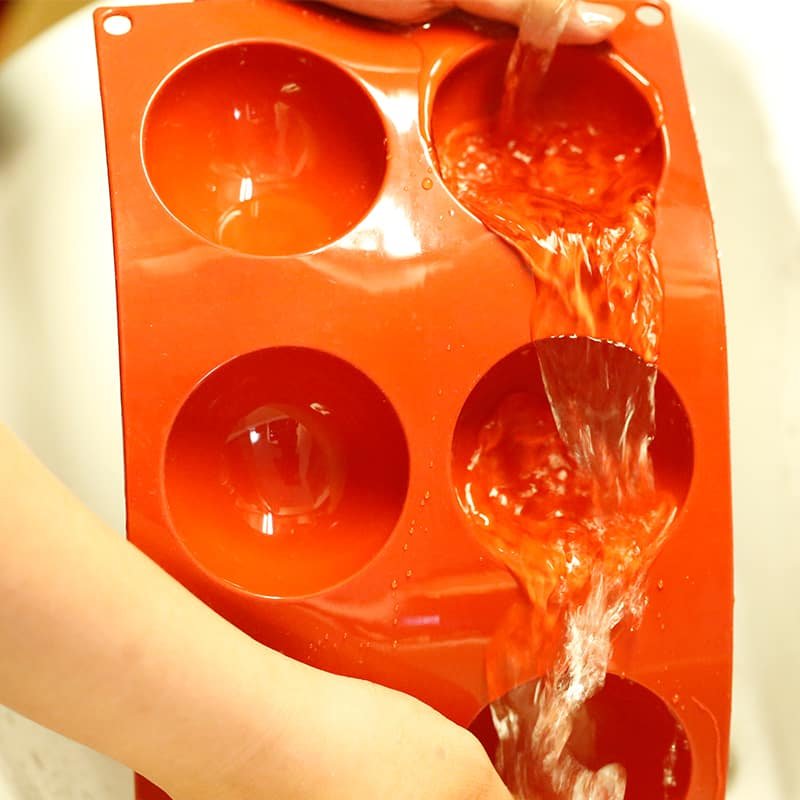
Are you curious about whether you can toss your silicone molds into the dishwasher without worry? If you’ve ever marveled at the convenience of silicone molds for baking, crafting, or even freezing, you’re not alone.
These versatile kitchen wonders have become staples in many homes, promising ease and creativity in one flexible package. But when it comes to cleaning, the question of whether they’re dishwasher safe often arises. Imagine the relief of knowing you can skip the hand washing, saving time and effort.
Dive into this article to discover the ins and outs of caring for your silicone molds, ensuring they stay in top shape for all your culinary and crafting adventures. Your peace of mind is just a few scrolls away!
Credit: bigcountryraw.ca
Silicone Mold Basics
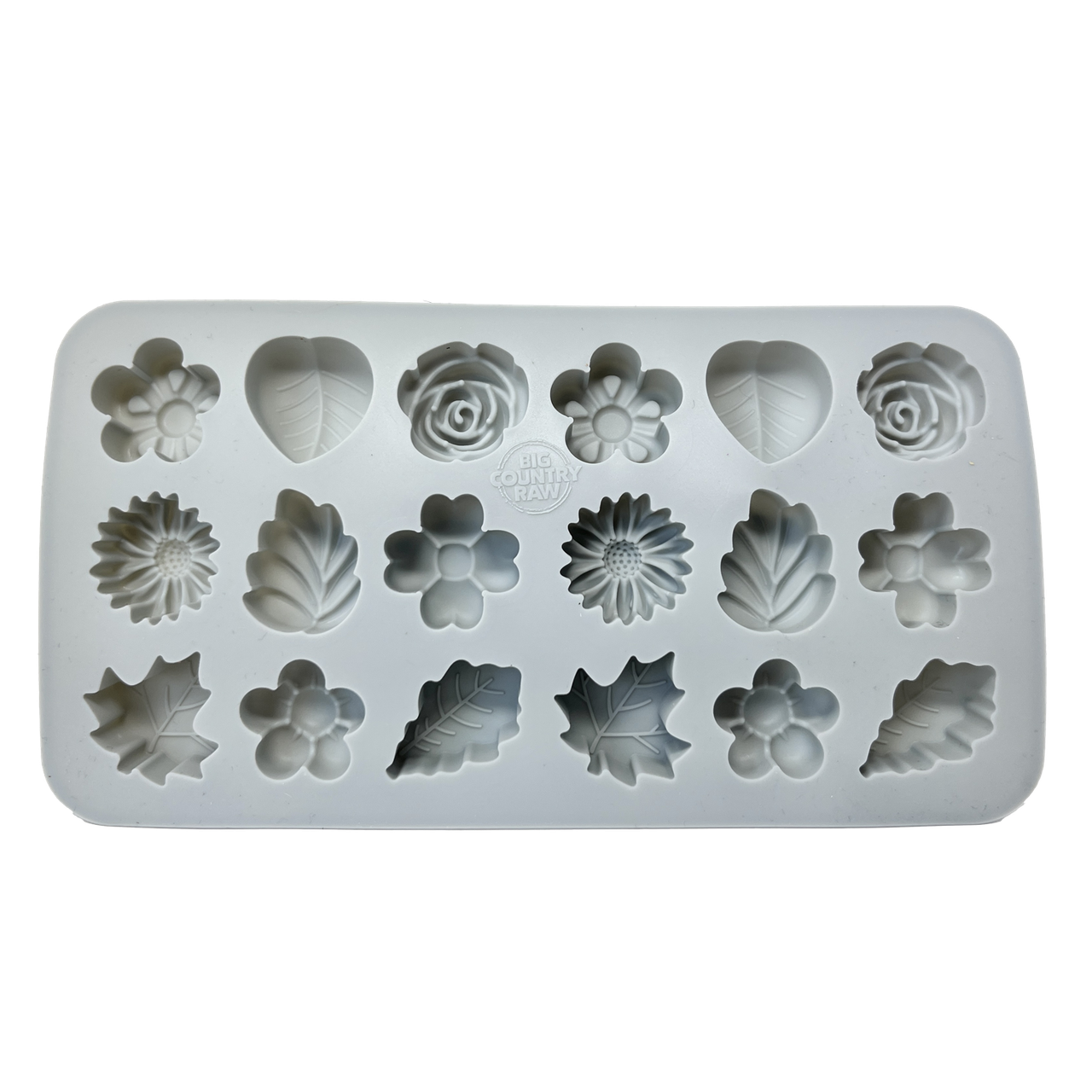
Understanding the basics of silicone molds is essential before you decide how to clean them or whether to use your dishwasher. These flexible tools have become popular for both cooking and crafting, but knowing what they really are and how they work can help you get the best results. Let’s break down what silicone molds are and where you might use them.
What Is Silicone Mold
Silicone molds are made from a rubber-like material that is heat resistant and flexible. This flexibility makes it easy to pop out baked goods or shaped items without breaking them. The material is non-stick, which means you usually don’t need to grease the mold before use.
They come in various shapes and sizes, from tiny candy molds to large baking pans. Silicone can handle a wide temperature range, typically from -40°F to 450°F, which means you can use it in the oven, freezer, or microwave safely. But have you ever wondered if this flexibility might affect how you clean them?
Common Uses In Cooking And Crafting
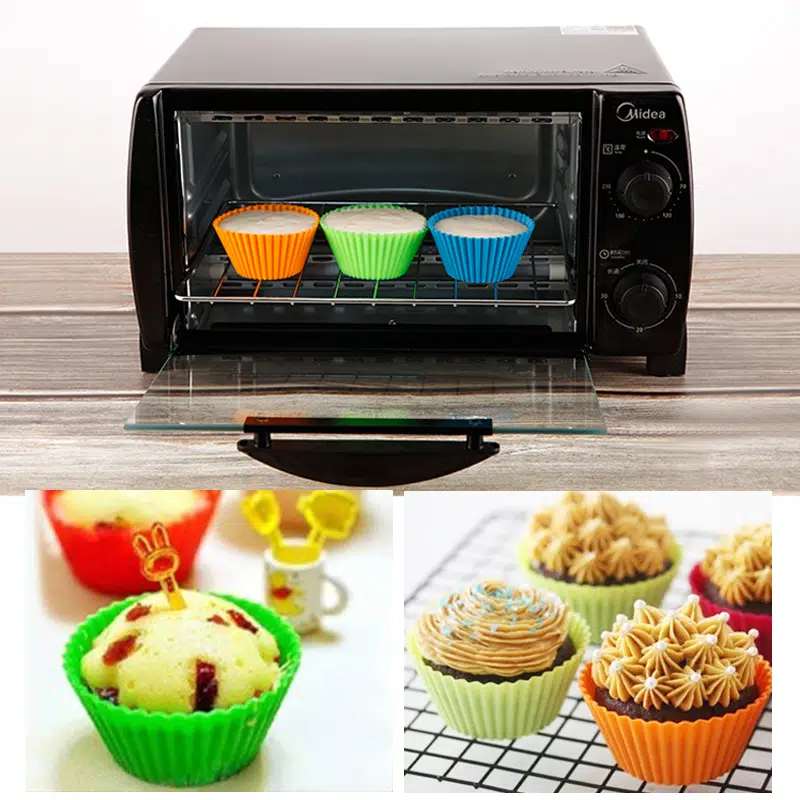
In the kitchen, silicone molds are perfect for baking cupcakes, muffins, or even making ice cubes and chocolates. Their non-stick nature helps you remove food easily without breaking the shape. Many people enjoy making homemade soap or candles using silicone molds because the shapes can be very detailed.
You can also use them for crafting with resin or clay. The molds hold intricate designs that would be hard to create by hand. If you’ve tried making a shaped chocolate or a resin keychain, you know how satisfying it is to get a perfect result straight from the mold.
Have you ever noticed how these molds save time and effort in both cooking and crafting? This convenience is why many people wonder if they can just toss them in the dishwasher for quick cleaning. But before you do that, it’s important to understand how silicone reacts to dishwasher heat and detergents.
Credit: consumersiliconeproducts.com
Dishwasher Safety For Silicone Molds
Understanding whether silicone molds are dishwasher safe can save you time and effort in the kitchen. Many people wonder if tossing these flexible tools into the dishwasher is safe or if it might damage them over time. Let’s look closely at how silicone molds handle dishwasher conditions and what risks might be involved.
Heat Resistance Of Silicone
Silicone molds are known for their impressive heat resistance. Most silicone can withstand temperatures ranging from -40°F to about 450°F (roughly -40°C to 232°C). This means they can generally handle the heat inside a dishwasher without melting or warping.
However, not all silicone molds are created equal. Some cheaper or thinner versions might not hold up as well under intense heat. Have you noticed any change in your molds after several dishwasher cycles? That could be a sign they are less heat resistant than advertised.
Potential Risks In Dishwashers
Even though silicone is heat resistant, dishwashers expose items to more than just heat. The strong water jets and harsh detergents can sometimes cause silicone molds to degrade or lose their shape over time.
- Detergents may cause discoloration or a sticky surface.
- Repeated exposure to high heat cycles might reduce flexibility.
- Small or lightweight molds may move around and get damaged.
To protect your silicone molds, place them securely on the top rack where heat is less intense. Also, avoid harsh dishwasher detergents and consider using a gentle cycle. Have you tried hand washing your molds and noticed they last longer? That might be a small effort worth considering.
Best Practices For Cleaning Silicone Molds
Keeping your silicone molds clean is key to maintaining their flexibility and ensuring your creations come out perfectly every time. Proper cleaning not only extends the life of your molds but also prevents unwanted flavors or residues from sticking around. Let’s dive into some practical tips that make cleaning silicone molds simple and effective.
Hand Washing Tips
Hand washing your silicone molds gives you more control over the cleaning process. Use warm, soapy water and a soft sponge to gently scrub away any leftover bits. Avoid abrasive scrubbers as they can damage the silicone surface.
If you notice stubborn stains or oily residue, soak the molds in hot water mixed with a little baking soda for 15 to 20 minutes. This helps break down grease without harsh chemicals. Rinse thoroughly to remove all soap and baking soda before drying completely.
Have you tried using a toothbrush for cleaning small crevices? It’s a handy trick that often gets into those hard-to-reach spots better than regular sponges.
Using Dishwasher Safely
Most silicone molds are dishwasher safe, but there are some important precautions. Place the molds on the top rack to avoid direct heat from the dishwasher’s heating element, which can warp or damage them.
Use a gentle cycle with mild detergent to preserve the mold’s integrity. Avoid using harsh dishwasher detergents that might degrade silicone over time.
Do you notice a lingering odor after dishwashing? Try air drying your molds outside the dishwasher to keep them fresh and odor-free.
Avoiding Damage To Silicone Molds
Silicone molds are popular for their flexibility and ease of use, but they require careful handling to stay in good condition. Avoiding damage is key to making your molds last longer and ensuring your baking or crafting projects turn out perfectly. Understanding what harms silicone molds helps you keep them safe, especially when cleaning or storing them.
Temperature Limits
Silicone molds can handle heat, but they have limits. Most are safe up to around 428°F (220°C), but exceeding this can cause warping or melting. Have you ever put a mold too close to a heating element and seen it lose shape? That’s why checking your mold’s heat rating before use is crucial.
Also, sudden temperature changes can damage silicone. For instance, moving a hot mold directly into cold water might cause cracking or distortion. To protect your mold, let it cool gradually before washing or storing.
Chemical Exposure
Certain chemicals can degrade silicone molds over time. Strong detergents, bleach, or abrasive cleaners may wear down the surface, making it sticky or brittle. You might notice your mold losing its smooth texture after frequent harsh cleaning.
Choose gentle dish soaps and avoid harsh scrubbing tools. If you use a dishwasher, place the mold on the top rack and avoid high-heat drying cycles. Have you ever tried cleaning a silicone mold with baking soda or vinegar? These milder options can keep your molds clean without damage.
Extending The Life Of Silicone Molds
Silicone molds are durable but need care to last long. Proper use and care keep them flexible and clean. Extending their life saves money and ensures better results in baking or crafting.
Proper Storage Methods
Store silicone molds in a cool, dry place. Avoid stacking heavy items on them to keep their shape. Use a drawer or cabinet with enough space. Keep molds away from direct sunlight to prevent damage.
Use a container or box to store multiple molds. This prevents dust and dirt from sticking. Lay molds flat or hang them if possible. Avoid folding or bending silicone molds as it may cause cracks.
Maintenance Routine
Clean silicone molds after each use with warm, soapy water. Use a soft sponge or cloth to avoid scratches. Rinse well to remove soap residue.
Dry molds completely before storing to prevent mold growth. Occasionally, wash molds in the dishwasher if the manufacturer allows it. Check for any damage before and after washing. Remove stubborn stains by soaking molds in warm water with baking soda.
Credit: consumersiliconeproducts.com
Frequently Asked Questions
Are Silicone Molds Safe To Clean In A Dishwasher?
Yes, most silicone molds are dishwasher safe. They can withstand high temperatures without damage. Always check the manufacturer’s instructions for confirmation.
Can Dishwasher Heat Damage Silicone Molds?
Generally, dishwasher heat does not damage silicone molds. Silicone is heat resistant up to 450°F (232°C). Avoid placing molds near heating elements for longer life.
How To Clean Silicone Molds In A Dishwasher Properly?
Place silicone molds on the top rack to avoid direct heat. Use a mild detergent and avoid harsh chemicals for best results.
Do Dishwasher Detergents Affect Silicone Mold Quality?
Most dishwasher detergents are safe for silicone molds. However, avoid abrasive or bleach-based detergents to prevent mold deterioration or discoloration.
Conclusion
Silicone molds usually handle dishwasher cleaning well. Most are made to resist heat and water. Still, check your mold’s label for care advice. Avoid harsh detergents or very hot cycles. Gentle washing keeps molds flexible and long-lasting. Hand washing can help if unsure.
Clean molds stay safe for baking and crafting. Keeping them clean is easy with simple steps. Use this info to care for your silicone molds properly.