
Are you planning to add a dishwasher to your kitchen but unsure who to call for the installation? This question often pops up: should you hire a plumber or an electrician?
It’s a common dilemma that many homeowners face, and getting it right is crucial. Choosing the wrong professional can lead to extra costs, delays, and even potential damage. Imagine the ease and convenience of having a dishwasher seamlessly integrated into your kitchen, working perfectly every time you need it.
You want to get it right the first time. We’ll break down exactly who you should call, ensuring your installation is smooth and stress-free. Stick around to discover the key factors that will guide your decision and save you from unnecessary headaches.
Dishwasher Installation Basics
Installing a dishwasher might seem straightforward, but there’s more to it than just sliding it under the counter. Understanding the basics helps you decide who’s best suited for the job—whether a plumber or an electrician. Knowing what’s involved can save you time, money, and headaches down the road.
Key Components Involved
A dishwasher installation requires several key components working together smoothly. First, there’s the water supply line, which connects to your home’s plumbing to feed the dishwasher with water. Then, the drain hose allows wastewater to exit properly, linking to your sink’s drainage system.
Power supply is another critical element. Dishwashers need a dedicated electrical connection, often a hardwired setup or a plug near the unit. You’ll also find mounting brackets and screws to secure the dishwasher firmly in place.
Have you checked if your kitchen setup already has these components ready? Missing even one can halt the installation process.
Typical Installation Requirements
To install a dishwasher correctly, certain conditions must be met. The unit should sit close to a water source, drainage, and electrical outlet—usually within 6 feet. Your plumbing must include a shut-off valve for easy water control.
Electrical requirements often mean a 120-volt, 15-20 amp circuit dedicated solely to the dishwasher. Ground-fault circuit interrupter (GFCI) protection might also be required depending on local codes.
Space matters too. The dishwasher needs enough room for ventilation and to open fully without obstruction. Have you measured your space to ensure a smooth fit?
Role Of A Plumber
The role of a plumber in installing a dishwasher is crucial. They handle all the water and drainage parts needed for the appliance to work properly. Plumbers make sure the dishwasher connects safely and functions without leaks or blockages. Their job involves more than just hooking up pipes. They ensure the entire water system is ready for daily use, preventing future problems.
Water Supply Connections
Plumbers connect the dishwasher to the home’s water supply. They attach a special hose that delivers water to the dishwasher. This connection must be tight to stop leaks. The plumber also checks the water pressure. Proper pressure ensures the dishwasher cleans dishes well. Without a good water supply, the dishwasher cannot work efficiently.
Drainage Setup
The dishwasher needs a way to remove dirty water. Plumbers install a drain line that carries wastewater to the home’s drain system. They connect this line so it does not clog or leak. The drain setup must follow local plumbing codes for safety. A good drainage system keeps the kitchen clean and free of water damage.
Common Plumbing Challenges
- Finding the right water line to connect the dishwasher
- Ensuring no leaks at the water and drain connections
- Dealing with tight spaces under the sink
- Making sure the drain line has the correct slope
- Working around existing pipes and fixtures
Plumbers must solve these issues quickly. Their experience helps avoid delays and extra costs. Proper plumbing work keeps the dishwasher running smoothly for years.
Role Of An Electrician
The role of an electrician in installing a dishwasher is crucial and often overlooked. While plumbers handle the water connections, electricians ensure that the appliance gets the right power supply safely and efficiently. Without proper electrical setup, your dishwasher might not function correctly or could even pose safety risks.
Electrical Wiring Needs
Dishwashers usually require a dedicated electrical circuit to operate smoothly. This means the electrician must install or verify a separate wiring line that can handle the dishwasher’s power load without tripping breakers. In some homes, existing wiring might not meet the appliance’s requirements, so upgrading or adding new wiring becomes necessary.
Have you checked if your kitchen’s wiring can support a new dishwasher before purchasing? It’s an easy step to avoid costly fixes later.
Power Source And Safety
Electricians connect the dishwasher to a proper power source, often a junction box or a dedicated outlet. They ensure the connections comply with local electrical codes, which protect your home from electrical hazards. Safety devices like circuit breakers or Ground Fault Circuit Interrupters (GFCIs) are essential to prevent shocks or fires.
Trusting a professional electrician here means you won’t have to worry about hidden dangers lurking behind your kitchen walls.
Typical Electrical Issues
Common electrical problems with dishwashers include faulty wiring, improper grounding, and insufficient power supply. These issues might cause the dishwasher to stop mid-cycle or fail to start. An electrician can quickly diagnose and fix these problems, saving you the hassle and expense of appliance damage.
Ever wondered why your dishwasher suddenly stopped working after a power surge? It could be a simple wiring fault that an electrician can fix in no time.
Who Handles What In Installation
Understanding who handles what during a dishwasher installation can save you time, money, and frustration. Both plumbers and electricians play crucial roles, but their tasks don’t overlap. Knowing their specific responsibilities helps you coordinate the job smoothly and avoid surprises.
Plumber’s Responsibilities
The plumber takes care of all water-related connections. They install the water supply line that feeds the dishwasher. They also handle the drain line, ensuring wastewater flows out correctly.
Plumbers check for leaks and make sure the water pressure is right. If your kitchen doesn’t have an existing dishwasher hookup, the plumber runs new water lines. They might also install valves to control water flow.
Electrician’s Responsibilities
The electrician deals with the dishwasher’s power supply. They install or connect the electrical wiring that powers the appliance. This includes attaching the dishwasher to a dedicated circuit if needed.
Electricians ensure that wiring meets local safety codes. They might install an outlet under the sink or hardwire the dishwasher directly. Their job is critical for your safety and the dishwasher’s performance.
When Both Are Required
Most dishwasher installations need both a plumber and an electrician. The plumber sets up water connections and drainage, while the electrician handles power. Coordinating their work is key to a smooth setup.
Have you ever faced delays because one professional finished before the other arrived? Scheduling both trades at the right time avoids such issues. Sometimes, one pro might handle minor tasks outside their typical role, but complex installations usually need both experts.
Diy Vs Professional Installation
Choosing between installing a dishwasher yourself or hiring a professional is a common dilemma. Both options have their points. Understanding risks, benefits, and costs helps make the best choice.
Risks Of Diy Installation
- Improper plumbing connections can cause leaks and water damage.
- Incorrect electrical wiring may lead to shorts or fire hazards.
- Wrong installation might void the dishwasher warranty.
- Tools and skills needed may be beyond beginner level.
- Time spent fixing errors can exceed professional service time.
Benefits Of Hiring Experts
- Plumbers and electricians ensure safe and correct installation.
- Professionals have experience handling different dishwasher models.
- Work often comes with a service guarantee for peace of mind.
- Experts can quickly identify and fix any hidden issues.
- Proper installation improves dishwasher efficiency and lifespan.
Cost Considerations
DIY installation may save initial money but risks costly mistakes. Hiring experts costs more upfront but avoids damage and repairs. Consider time, tools, and potential repair bills too. Sometimes, investing in professionals saves money in the long run.

Credit: www.reddit.com
Tips For Choosing The Right Installer
Choosing the right installer for your dishwasher can save you time, money, and a lot of hassle. Whether it’s a plumber or an electrician, finding a skilled professional who knows what they’re doing is key. Here are some practical tips to help you pick the best person for the job.
Checking Credentials
Always verify the installer’s credentials before you hire them. Check if they have the necessary licenses and certifications required in your area. A licensed plumber or electrician shows they’ve met industry standards and have proper training.
Look for insurance coverage too. This protects you if something goes wrong during installation. Don’t hesitate to ask for proof of insurance—it’s your safety net.
Questions To Ask
Prepare a list of questions before contacting installers. Ask about their experience with dishwasher installations specifically. You want someone familiar with both plumbing and electrical connections.
- How many dishwasher installations have you completed?
- Do you handle both plumbing and electrical work, or will I need two separate professionals?
- Can you provide references from recent clients?
- What is your estimated timeline and cost for the job?
Asking these questions helps you gauge their expertise and reliability. It also sets clear expectations upfront.
Red Flags To Avoid
Beware of installers who can’t provide clear answers or avoid showing licenses and insurance. If they pressure you for upfront payment beyond a reasonable deposit, that’s a warning sign. Also, watch out for vague quotes that change drastically once work begins.
Another red flag is poor communication—late responses or missed appointments often lead to bigger problems. Your installer should be professional and transparent throughout the process.
By focusing on these tips, you’ll increase your chances of a smooth dishwasher installation done right the first time.
Maintenance After Installation
Maintenance after dishwasher installation keeps the appliance running smoothly. Regular care prevents breakdowns and extends the machine’s life. Knowing what to check and when to call a pro helps avoid costly repairs.
Routine Checks
Check hoses and connections for leaks or cracks. Clean the filter to avoid clogs. Run the dishwasher empty with vinegar to remove buildup. Inspect the door seal for any damage. Ensure the dishwasher drains water completely after each cycle.
Troubleshooting Common Problems
Watch for unusual noises during operation. A dishwasher that doesn’t start may have electrical issues. Water not heating could signal a faulty heating element. If dishes come out dirty, the spray arms might be blocked. Check the drain for obstructions if water pools inside.
When To Call A Professional
Contact a plumber if there are water leaks or drainage problems. Call an electrician for power or wiring issues. Seek expert help if the dishwasher does not run at all. Avoid DIY fixes on electrical parts to stay safe. Regular professional checks can catch hidden faults early.
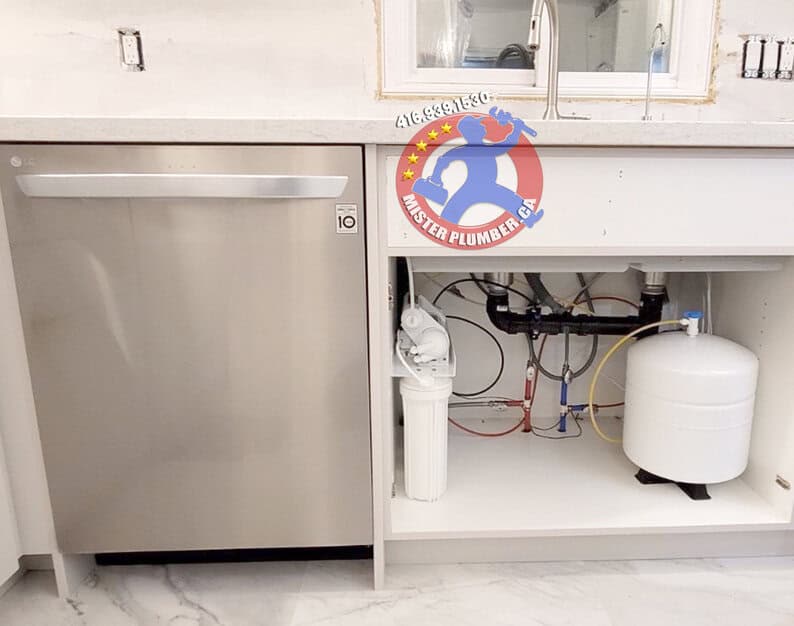
Credit: www.misterplumber.ca

Credit: divisiononeplumbing.com
Frequently Asked Questions
Who Is Responsible For Dishwasher Installation?
A plumber typically installs the dishwasher’s water supply and drainage. An electrician handles electrical connections, ensuring safe power supply. Both may collaborate depending on the installation complexity.
Can A Plumber Handle Dishwasher Electrical Work?
Usually, plumbers don’t do electrical wiring. Electricians are trained to manage electrical connections safely. Hiring an electrician for wiring ensures compliance with safety standards.
Do Electricians Install Dishwasher Water Lines?
No, electricians do not install water lines. Plumbers specialize in connecting water supply and drainage for dishwashers. Proper plumbing prevents leaks and ensures efficient operation.
Is Dishwasher Installation A Diy Task Or Professional Job?
Dishwasher installation requires plumbing and electrical expertise. Professionals ensure correct connections and safety compliance. DIY may risk damage or code violations, so hiring experts is recommended.
Conclusion
Both plumbers and electricians play key roles in dishwasher installation. Plumbers handle water connections and drainage. Electricians manage the power supply and wiring. Choosing the right expert depends on the job’s needs. Sometimes, both professionals work together to ensure safety and function.
Knowing who to call saves time and avoids problems. A proper installation helps your dishwasher work well for years. Keep these points in mind when planning your dishwasher setup.