
Are you puzzled by the electrical safety requirements in your kitchen? You might be wondering if your dishwasher needs a Ground Fault Circuit Interrupter (GFCI).
This concern is crucial, not just for compliance with electrical codes, but for the safety of your home and family. Imagine a kitchen where you can enjoy peace of mind, knowing that your appliances are as safe as they are efficient.
We’ll unravel the mysteries of GFCI protection for dishwashers. We’ll break down the facts you need to know, dispel common myths, and help you make an informed decision. Stick with us to discover how a simple electrical component can keep your kitchen safe and sound.
Credit: www.familyhandyman.com
Gfci Basics
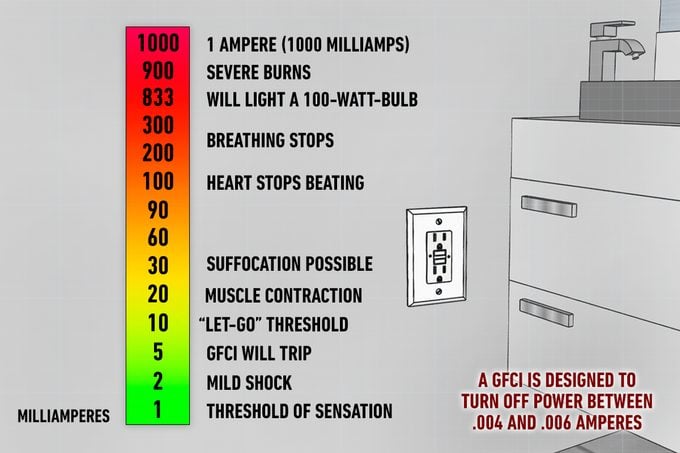
Understanding GFCI basics is essential for kitchen safety. GFCI stands for Ground Fault Circuit Interrupter. It protects people from electric shocks. This device senses any difference in electrical current. It quickly stops electricity flow if it detects a fault. GFCIs are common in places with water and electricity. Kitchens are prime spots for GFCI use. Knowing how GFCI works and its importance helps keep kitchens safe.
How Gfci Works
A GFCI monitors the electric current flowing through a circuit. It compares the current going out with the current returning. If the currents do not match, it means electricity is leaking. This leak can cause electric shocks. The GFCI shuts off the power in less than a fraction of a second. This quick action prevents serious injury or death. GFCIs reset easily after tripping, making them user-friendly.
Importance In Kitchens
Kitchens have many water sources near electrical outlets. Water and electricity together increase shock risk. GFCIs reduce this risk by cutting off power quickly. They protect users from shocks while using appliances like dishwashers. Installing GFCIs in kitchen outlets is often required by building codes. They provide peace of mind during everyday kitchen tasks. Safety improves significantly with GFCI protection in kitchens.
Dishwasher Electrical Needs
Understanding your dishwasher’s electrical needs is key to ensuring it runs safely and efficiently. Many homeowners overlook the importance of proper wiring and power setup, which can lead to appliance damage or even electrical hazards. Let’s break down what your dishwasher requires to function correctly and how you can meet those needs.
Power Requirements
Dishwashers typically need a dedicated 120-volt circuit to operate smoothly. This means your appliance should have its own power supply, separate from other kitchen devices. Most dishwashers draw between 10 to 15 amps, so the circuit breaker should match this demand to avoid overloads.
Some newer models may require a 240-volt connection, especially those with additional features like built-in water heaters. Always check your dishwasher’s manual for specific voltage and amperage requirements before installation. Overlooking this can cause frequent tripping of breakers or even permanent damage to your unit.
Common Wiring Practices
When wiring a dishwasher, many electricians use a hardwired connection or a cord-and-plug setup. Hardwiring connects the dishwasher directly to your home’s electrical system, often through a junction box under the sink. This method is permanent and offers a cleaner look but can be trickier to disconnect for repairs.
Alternatively, some dishwashers come with a power cord and plug, making installation simpler and allowing easy removal. However, local electrical codes may restrict this, so it’s important to verify what’s allowed in your area. Also, ensure the wiring uses a ground wire to prevent electrical shocks.
Have you checked if your dishwasher’s installation meets your local electrical code? Ignoring these details can lead to costly fixes later.
Gfci And Dishwashers
Understanding whether your dishwasher needs a Ground Fault Circuit Interrupter (GFCI) can save you from electrical hazards and costly repairs. GFCI devices protect against electrical shocks by cutting off power when they detect a fault. But how does this apply specifically to dishwashers?
Code Requirements
Electrical codes vary by location, but many now require GFCI protection for dishwashers, especially in newer homes or remodels. The National Electrical Code (NEC) has updated its guidelines to include dishwashers in areas near water sources.
These rules aim to reduce shock risks in kitchens, where moisture and water spills are common. You should check your local code or consult an electrician to see if your dishwasher circuit must have GFCI protection. Ignoring this can lead to violations or safety hazards.
Manufacturer Recommendations
Dishwasher manufacturers often provide specific instructions about electrical requirements. Some explicitly recommend installing GFCI outlets to ensure user safety and protect the appliance.
For example, brands like Bosch and Whirlpool suggest GFCI protection to prevent damage from power surges or leaks. Following these recommendations not only keeps you safe but may also keep your warranty valid.
Have you checked your dishwasher’s manual lately? It might hold the key to avoiding unexpected electrical issues.
Safety Benefits
Understanding the safety benefits of using a GFCI (Ground Fault Circuit Interrupter) for your dishwasher is crucial. These devices are designed to protect you and your home from electrical hazards that can happen in wet environments. Let’s look at how GFCIs help keep your kitchen safe and why they matter for your dishwasher.
Preventing Electrical Shocks
Electrical shocks in the kitchen can be dangerous, especially near water sources. A GFCI quickly detects any current leakage and cuts off the power before you even feel a shock. This fast action can prevent serious injury or even save your life.
Think about the last time you used your dishwasher. If there was a fault in the wiring or a water leak near the electrical components, you could be at risk without realizing it. A GFCI adds a layer of protection by constantly monitoring the circuit and shutting it down instantly if something goes wrong.
Avoiding Water-related Hazards
Water and electricity don’t mix well, especially in kitchens where spills and leaks are common. A dishwasher is connected to both water and electricity, increasing the risk of hazards like short circuits or electrical fires.
A GFCI helps prevent these dangers by sensing moisture-related faults early. This means you don’t have to worry as much about hidden leaks behind your dishwasher or accidental water splashes on outlets. Would you rather take a chance or have a safety device that acts immediately?
Installation Tips
Installing a dishwasher safely and correctly is crucial to avoid electrical hazards, especially when it comes to GFCI protection. Taking the time to understand the right outlet and installation method can save you from costly repairs and potential dangers. Let’s look at practical tips to ensure your dishwasher setup is both safe and efficient.
Choosing The Right Outlet
Not all outlets are created equal when it comes to dishwashers. You need an outlet that can handle the appliance’s power requirements without tripping frequently. A GFCI outlet is often recommended because it protects against electrical shocks by shutting off power during faults.
Consider the location of the outlet as well. It should be easily accessible for maintenance but out of the way to prevent water exposure. If your kitchen design limits outlet placement, a GFCI breaker on the circuit panel might be a better option.
- Check your dishwasher’s voltage and amperage needs.
- Use a GFCI outlet to prevent shock hazards.
- Ensure the outlet is rated for kitchen use and moisture resistance.
Professional Vs Diy
Deciding whether to hire a professional or handle the installation yourself depends on your comfort with electrical work. If you have experience and follow safety guidelines, DIY installation can save money. However, improper wiring or outlet selection can cause serious issues down the line.
I once tried installing a dishwasher outlet myself, only to realize I hadn’t grounded the circuit properly. Calling a professional saved me from future shocks and code violations. If you feel unsure at any point, getting an expert involved is the safest choice.
- DIY saves cost but requires knowledge of electrical codes.
- Professionals ensure compliance and safety.
- Consider local regulations which might require licensed electricians.
What steps will you take to ensure your dishwasher is installed with the right electrical protection? Thinking through these details now prevents headaches later.
Troubleshooting Gfci Issues
GFCI outlets protect against electrical shocks by cutting power during faults. Dishwashers often connect to GFCI outlets, but issues may arise. Troubleshooting these problems ensures safety and proper function. Understanding common faults and how to reset the GFCI can save time and prevent damage.
Common Problems
- GFCI trips frequently without clear cause
- Dishwasher stops mid-cycle unexpectedly
- No power to dishwasher despite outlet being active
- GFCI outlet feels warm or shows damage
- Moisture or water near the outlet causing trips
These problems often stem from electrical faults or moisture interference. Loose wiring or faulty dishwasher parts can trigger the GFCI. Identifying the root cause is key to fixing the issue safely.
Resetting And Testing
Locate the GFCI outlet near the dishwasher. Press the “Reset” button firmly to restore power. If it trips again immediately, unplug the dishwasher first.
Use a simple GFCI tester to check outlet function. Plug the tester in and press the test button. The GFCI should trip and cut power. Press the reset button to restore power after testing.
Repeat the test several times to ensure reliability. If the GFCI continues to trip, call a professional electrician. Avoid bypassing or ignoring GFCI faults for safety reasons.
Alternative Safety Measures
Alternative safety measures help protect your dishwasher and home from electrical hazards. They offer reliable protection without needing a GFCI outlet. These measures focus on preventing electrical faults and reducing risk.
Circuit Breakers
Circuit breakers stop electrical flow during a fault. They detect overloads and short circuits quickly. This prevents damage to your dishwasher and wiring. A properly rated breaker matches your dishwasher’s power needs. It keeps your home safe from electrical fires. Regular checks ensure the breaker works correctly.
Regular Maintenance
Routine maintenance keeps your dishwasher safe and efficient. Inspect power cords and plugs for wear or damage. Clean and dry connections to avoid moisture buildup. Check for loose wires or parts inside the unit. Schedule professional inspections to catch hidden electrical issues. Maintenance reduces the chance of shocks or shorts.

Credit: www.theelectriciansco.com

Credit: nassaunationalcable.com
Frequently Asked Questions
Do Dishwashers Require Gfci Protection By Code?
Most local codes do not require GFCI for dishwashers. However, some areas mandate it for safety, especially in wet locations. Always check your local electrical code to confirm if GFCI protection is necessary for your dishwasher installation.
Can A Dishwasher Be Plugged Into A Gfci Outlet?
Yes, dishwashers can be plugged into GFCI outlets. This adds extra protection against electrical shock. However, some dishwashers may cause nuisance tripping on GFCI outlets, so consult the manufacturer’s instructions before installation.
What Are The Benefits Of Using Gfci With Dishwashers?
GFCI outlets protect against electrical shocks by shutting off power during faults. They increase safety in kitchens where water exposure is common. Using GFCI with dishwashers reduces the risk of electrical accidents.
Is Gfci Protection Necessary For Dishwasher Repair Or Replacement?
GFCI is not always mandatory for repairs or replacements but recommended. Adding GFCI enhances safety and compliance with updated electrical codes. Always verify local requirements before starting any dishwasher electrical work.
Conclusion
Dishwashers usually do not need a GFCI outlet by code. Still, adding one can help protect against electric shock. Kitchens often have wet areas, so safety matters. Check local rules before installing or changing outlets. A licensed electrician can give the best advice.
Safety and proper installation keep your home secure and your dishwasher working well. Simple steps can prevent accidents and save money later. Always choose safety first with kitchen appliances.