
When you’re shopping for a new dishwasher, one question probably pops into your mind: “Are dishwashers standard size?” It’s an important question because the last thing you want is to bring home a new appliance only to discover it doesn’t fit in your kitchen.
Understanding the size of dishwashers can save you time, money, and a lot of frustration. You’ll discover everything you need to know about dishwasher dimensions, ensuring you make the right choice for your home. By the end, you’ll be equipped with the knowledge to confidently select a dishwasher that perfectly fits your space and meets your needs.
Stick with us, and let’s get the right fit for your kitchen!
Dishwasher Size Basics
Understanding the basics of dishwasher sizes is crucial before making a purchase or remodeling your kitchen. Dishwashers come in various dimensions, but knowing the typical measurements helps you choose one that fits seamlessly into your space. This knowledge prevents costly mistakes and ensures your kitchen looks and functions just right.
Common Widths And Heights
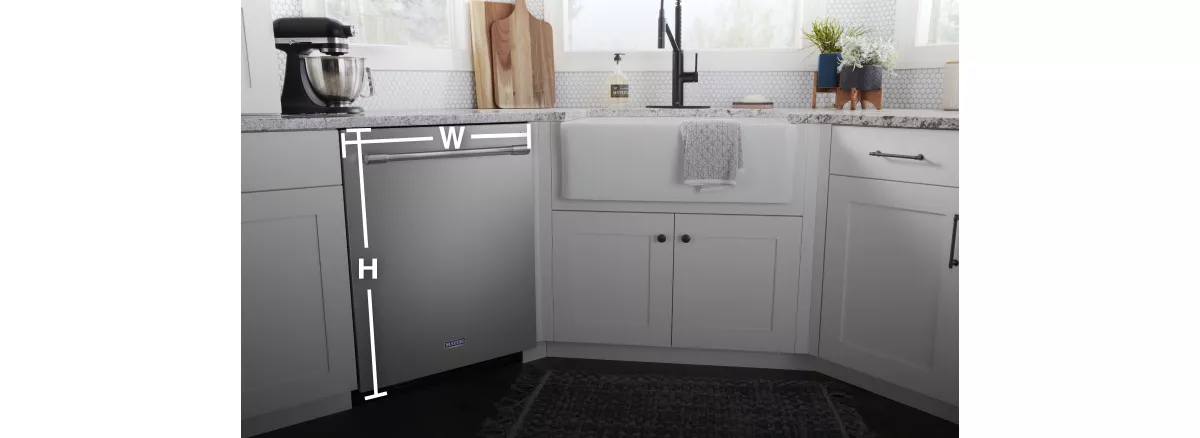
Most dishwashers have a standard width of 24 inches, which fits well under most kitchen counters. However, compact models are also available, usually around 18 inches wide, ideal for smaller kitchens or apartments.
Height is generally around 34 to 35 inches, designed to fit under standard countertops. But remember, some dishwashers offer adjustable legs that can help you customize the height for a perfect fit.
Have you measured your kitchen opening carefully? Even a half-inch difference can cause installation headaches.
Depth Considerations
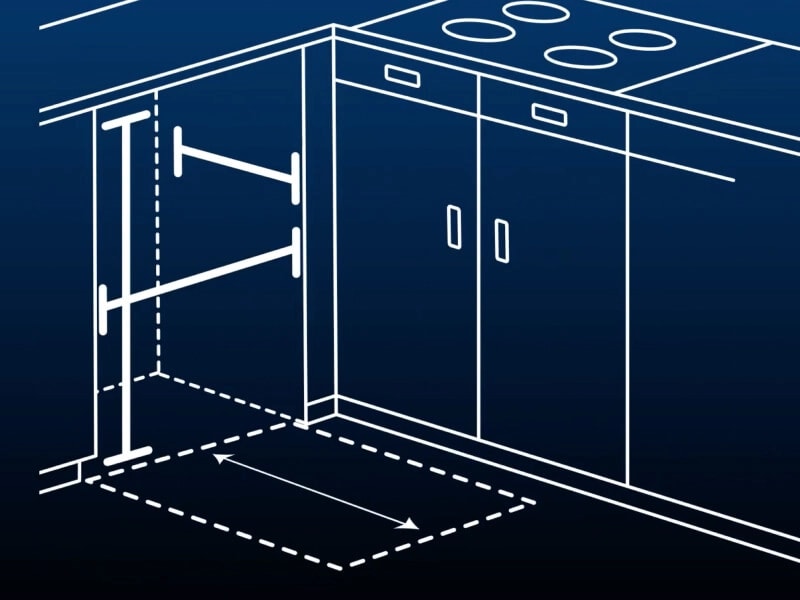
Depth is often overlooked but just as important. Standard dishwashers are about 24 inches deep to align with your cabinetry. However, some models extend beyond this, so check the exact depth to avoid protruding appliances.
Depth also affects how much load the dishwasher can handle. A deeper dishwasher may offer more interior space, but it can also take up more room in your kitchen layout.
Think about how much space you have in front of your dishwasher. Will the door open fully without hitting anything?
Credit: www.maytag.com
Standard Dishwasher Dimensions
Most dishwashers fit within a set range of sizes. Knowing standard dishwasher dimensions helps in choosing the right model for your kitchen. It ensures the appliance fits perfectly under your counter or in designated space.
Standard dishwashers usually measure around 24 inches wide. The height is about 35 inches, and the depth is near 24 inches. These sizes work well for most kitchens and cabinetry layouts.
Built-in Models
Built-in dishwashers are the most common type. They fit flush with kitchen cabinets for a seamless look. Their typical dimensions are:
- Width: 24 inches
- Height: 35 inches
- Depth: 24 inches
These models install under the countertop and connect to existing plumbing. They offer a full-size capacity, suitable for families or heavy use.
Compact And Slim Options
Compact dishwashers suit smaller kitchens or tight spaces. They usually measure:
- Width: 18 inches
- Height: 32 to 35 inches
- Depth: 22 to 24 inches
Slim models provide fewer racks and less capacity. They fit in apartments or kitchens with limited space. These options save room but still clean dishes efficiently.
Measuring For Your Space
Measuring for your dishwasher space is more than just grabbing a tape measure. It’s about ensuring a perfect fit that saves you from future headaches and costly adjustments. Taking precise measurements helps you avoid surprises during installation and makes sure your new dishwasher blends seamlessly with your kitchen layout.
Kitchen Cabinet Openings
Start by measuring the width, height, and depth of the cabinet opening where your dishwasher will go. Most standard dishwashers fit into a 24-inch wide space, but your kitchen might have some unique dimensions. Don’t forget to check the height from the floor to the bottom of the countertop—sometimes older cabinets can be shorter or taller than expected.
Measure the depth carefully, including the space behind the cabinet for plumbing and electrical connections. A dishwasher that’s too deep can prevent the door from closing properly. It’s smart to write down all three measurements and keep them handy when shopping.
Allowing For Clearance
Clearance is key for proper dishwasher operation and easy installation. You need to leave some extra room around the appliance for ventilation and to connect hoses and wires. Typically, a half-inch to one-inch gap on each side is recommended.
Think about the dishwasher door swing too. Make sure there’s enough space in front for the door to open fully without hitting cabinets or appliances. If your kitchen layout is tight, consider sliding or compact dishwasher models that require less clearance.
Have you checked how your current dishwasher fits? Sometimes, even if the dimensions seem standard, small differences in clearance can cause big problems. Taking the time to measure carefully now saves you from a frustrating installation later.
Credit: www.maytag.ca
Variations By Brand And Model
Dishwashers may appear similar at first glance, but their sizes and features can vary significantly depending on the brand and model you choose. These variations affect how well a dishwasher fits into your kitchen and meets your washing needs. Understanding these differences can help you pick the right appliance without surprises during installation or daily use.
Adjustable Features
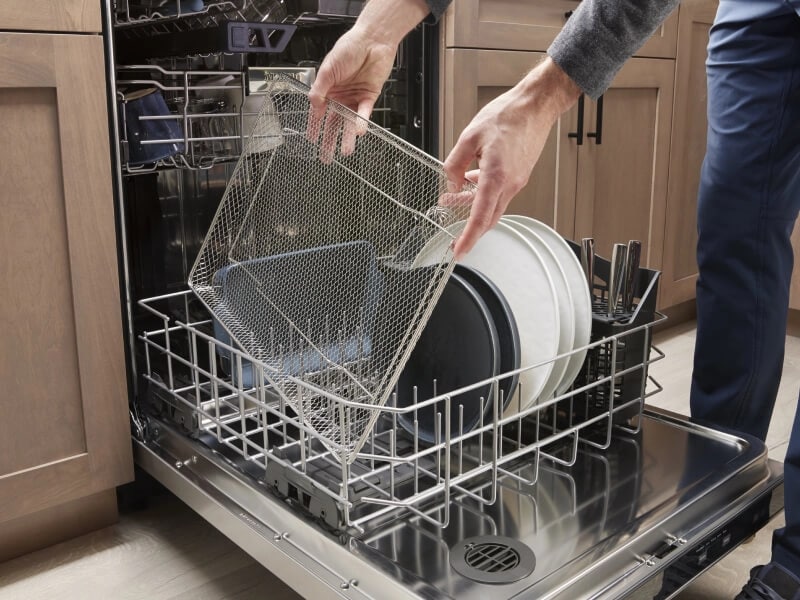
Many brands offer dishwashers with adjustable racks and tines to fit different types of dishes and cookware. Some models let you move or fold down upper racks, creating extra space for tall pots or large plates. This flexibility means you can load your dishwasher more efficiently, saving time and energy.
Have you ever struggled to fit a large baking tray or tall wine glasses into your dishwasher? Adjustable features can solve this common problem. Brands like Bosch and KitchenAid often include these options, making their dishwashers stand out for versatility.
Customization Options
Customization goes beyond just adjustable racks. Certain models allow you to choose specific wash cycles tailored to your needs, like quick wash, heavy-duty, or eco-friendly modes. Some brands even offer smart controls, letting you start or monitor cycles from your phone.
Think about how you use your dishwasher daily. Would having a dedicated cycle for delicate glassware or a sanitizing option for baby bottles make your life easier? Brands like Samsung and Miele provide these customizable settings, giving you control over the washing process.
Portable And Drawer Dishwashers
Portable and drawer dishwashers offer flexible alternatives to traditional built-in models. They are designed to fit various kitchen layouts and lifestyles, especially when space is limited or permanent installation isn’t an option. Understanding their size and when to choose them can help you make a smarter decision for your home.
Size Differences
Portable dishwashers are usually freestanding units on wheels, making them easy to move around. They tend to be about 24 inches wide, similar to standard dishwashers, but their height and depth can vary. This mobility means they can fit in tighter spaces but may require temporary connection to your kitchen faucet.
Drawer dishwashers, on the other hand, come in single or double drawers and are typically smaller in height. Each drawer acts like a mini dishwasher, ideal for washing smaller loads separately. Their compact design often fits under countertops or in lower cabinets, saving kitchen space without sacrificing convenience.
When To Choose Portable
If you live in a rental or a place where you can’t install a built-in dishwasher, a portable model is a great choice. You can roll it out only when needed, which keeps your kitchen looking spacious most of the time. It’s also perfect if your kitchen plumbing setup doesn’t support a fixed dishwasher.
Portable dishwashers make sense for smaller households or if you don’t need to run the dishwasher daily. However, consider whether you have a spot to store it when it’s not in use. Ask yourself: would the convenience of moving it around outweigh the extra space it occupies when idle?
Credit: www.maytag.com
Tips For Choosing The Right Size
Choosing the right dishwasher size can make a big difference in your kitchen’s efficiency and your daily routine. It’s not just about fitting the appliance into your space but also about matching it to how your household uses it. Let’s look at some practical tips that help you pick a dishwasher size that works well for you.
Assessing Household Needs
Start by thinking about the number of people in your home. Do you often host guests or have family dinners? Larger households typically need dishwashers with higher capacity to avoid frequent emptying.
Consider how often you cook and clean up. If you prepare meals mostly at home and use many dishes, a full-sized dishwasher is usually best. On the other hand, if you eat out frequently or have a smaller household, a compact model might save you both space and energy.
Balancing Capacity And Space
Measure your kitchen area carefully before choosing a dishwasher. Standard dishwashers are typically 24 inches wide, but smaller options can be as narrow as 18 inches. Don’t forget to check the height and depth to ensure it fits under your counter and doesn’t block cabinets or appliances.
Think about how much room you can realistically dedicate without making your kitchen feel cramped. Sometimes, a slightly smaller dishwasher is a better fit if it means keeping your kitchen open and functional. Would you rather have extra storage space or a larger dishwasher?
Installation And Remodeling Factors
Installing a dishwasher or remodeling your kitchen to fit one requires careful planning. You need to consider space, plumbing, and electrical connections to ensure a smooth fit. Let’s look at how standard sizes affect installation and what changes you might need to make in your cabinets.
Fitting Standard Sizes
Most dishwashers come in a standard size of about 24 inches wide, 24 inches deep, and 35 inches high. This size is designed to fit under most kitchen counters without much trouble.
If your kitchen follows this common layout, installation is usually straightforward. You just slide the dishwasher into the space, connect the water and power, and you’re done.
But what if your kitchen is older or custom-built? You might find that the space is slightly smaller or shaped differently. In that case, it’s worth measuring carefully before buying to avoid surprises.
Modifying Cabinets
Sometimes, fitting a standard dishwasher means changing your cabinets. You may need to remove a cabinet door or part of the cabinetry to make room.
Modifying cabinets can involve:
- Cutting down cabinet sides to widen the space
- Removing shelves inside the cabinet
- Adjusting trim or molding to fit the dishwasher height
Think about how much work you’re willing to do or pay for. Small adjustments might be easy, but major cabinet changes could increase your remodeling costs.
Have you checked if your kitchen layout allows for easy cabinet changes? Sometimes, small tweaks open up new possibilities for your dishwasher placement.
Frequently Asked Questions
What Is The Standard Size Of A Dishwasher?
The standard dishwasher size is typically 24 inches wide, 24 inches deep, and 35 inches high. This size fits most kitchen cabinets and under-counter spaces. It is designed to hold a full load of dishes efficiently, making it ideal for average households.
Are All Dishwashers The Same Size?
No, dishwashers come in various sizes including compact (18 inches), standard (24 inches), and oversized models. The size depends on kitchen space and user needs. Knowing your available space helps in selecting the right dishwasher size for your home.
Can I Replace My Dishwasher With A Different Size?
You can replace your dishwasher with a different size, but modifications may be needed. Ensure the new dishwasher fits the existing cabinet space and plumbing connections. Professional installation is recommended for proper fitting and optimal performance.
Why Choose A Standard Size Dishwasher?
Standard size dishwashers balance capacity and space efficiency well. They accommodate most kitchen layouts and can handle typical dishwashing needs. Choosing a standard size dishwasher ensures easy replacement and availability of models.
Conclusion
Most dishwashers come in a standard size, making them easy to fit. Knowing the size helps you choose the right model for your kitchen. Always measure your space before buying. Some dishwashers offer compact or larger options too. This way, you find a dishwasher that fits well and works efficiently.
Simple planning saves time and avoids problems later. A good fit keeps your kitchen neat and organized. Choose wisely, and enjoy the convenience a dishwasher brings every day.