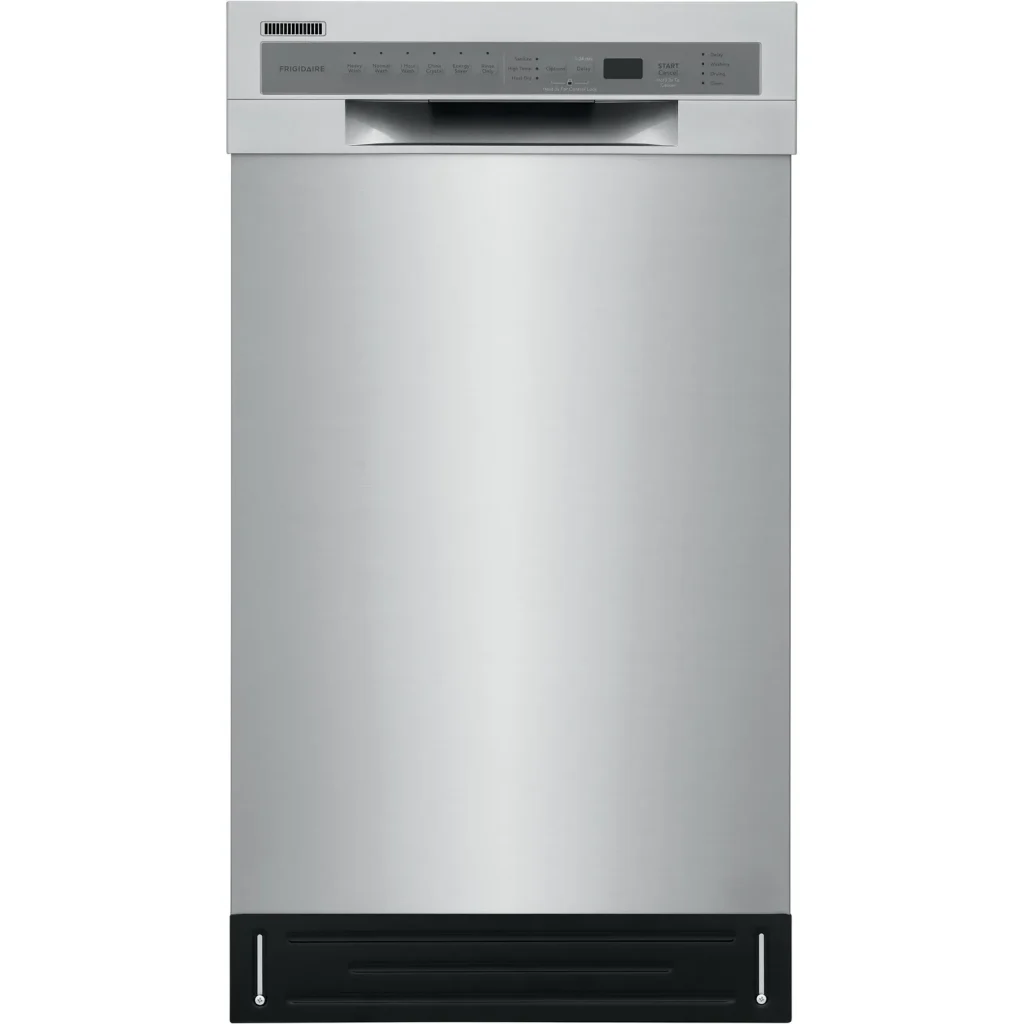
Ever tried moving a dishwasher and found yourself wondering just how heavy it really is? Whether you’re planning a kitchen renovation or simply curious, understanding the weight of a dishwasher can be surprisingly important.
It might even save you from an unexpected backache or help you better plan your kitchen layout. You’ll discover the typical weights of dishwashers, why it matters, and how it impacts your daily life. So, if you’re ready to lift the lid on this kitchen mystery, read on to uncover the facts that could change the way you think about this household essential.

Credit: www.taappliance.com
Average Dishwasher Weight
Understanding the average weight of dishwashers is crucial, especially if you plan to move one yourself or consider installation constraints. Dishwashers vary widely in weight depending on their size and purpose. Knowing what to expect can help you prepare better and avoid surprises during delivery or setup.
Standard Models
Standard dishwashers typically weigh between 60 to 120 pounds (27 to 54 kg). These are the full-sized units designed for most households and fit under a standard kitchen counter. Their weight depends on materials used and additional features like stainless steel tubs or advanced filters.
If you’ve ever tried lifting a standard dishwasher alone, you know it can be quite heavy and awkward to handle. This weight means you’ll likely need help moving it safely to prevent injury or damage.
Compact Dishwashers
Compact dishwashers are designed for small spaces and usually weigh between 45 to 70 pounds (20 to 32 kg). They are lighter and easier to move compared to standard models, but still require careful handling. Their smaller size means less capacity, but the lighter weight can be a big advantage in tight kitchen setups.
Have you noticed how much easier a compact dishwasher fits into apartments or tiny kitchens? Their weight makes them practical choices if you need portability or frequent relocation.
Commercial Units
Commercial dishwashers weigh significantly more, often ranging from 150 to over 300 pounds (68 to 136 kg). These machines are built for heavy-duty use in restaurants and large facilities. Their robust construction and larger size contribute to their substantial weight.
Handling a commercial dishwasher requires professional assistance and proper equipment. Considering their weight, you should plan the logistics carefully before purchasing one for your business or commercial kitchen.

Credit: www.parkaveappliance.com
Materials Impacting Weight
The weight of a dishwasher depends greatly on the materials used in its build. Different materials add different amounts of weight. Understanding these materials helps explain why dishwashers vary in heaviness.
Some parts add more weight, while others keep the dishwasher light. The main materials include stainless steel, plastic, and insulation. Each has a unique role in the dishwasher’s structure and weight.
Stainless Steel Components
Stainless steel is a common material in dishwashers. It is strong and resistant to rust. This metal is often used for the tub and racks.
Stainless steel parts add significant weight. They make the dishwasher sturdy and durable. Models with more stainless steel usually weigh more than those with plastic tubs.
Plastic Parts
Plastic parts keep some dishwashers lighter. Many internal components use plastic to reduce weight and cost. Plastic tubs and racks are common in budget models.
Plastic is less heavy than metal. It helps lower the overall weight of the dishwasher. However, plastic parts may not last as long as stainless steel.
Insulation Effects
Insulation inside the dishwasher adds weight too. It helps reduce noise and improve energy efficiency. The thicker the insulation, the heavier the dishwasher.
Insulation materials vary but often include foam or fiberglass. These add extra pounds but improve dishwasher performance. Good insulation keeps the dishwasher quiet and efficient.
Weight Variations By Brand
Dishwasher weight changes widely between different brands. The weight depends on materials, size, and features. Buyers should know these differences to choose the right model. Weight impacts installation and handling. Here is a look at how weight varies by brand type.
High-end Brands
High-end dishwashers often weigh more than basic models. They use heavy-duty metals and extra parts. Features like noise reduction and smart sensors add weight. These dishwashers usually weigh between 80 and 120 pounds.
- Stainless steel tubs increase weight but improve durability.
- Advanced insulation for quiet operation adds bulk.
- Extra racks and flexible layouts raise total weight.
This weight helps with stability and long-term use. Installation may need strong support because of the added heft.
Budget-friendly Options
Budget dishwashers weigh less due to simpler designs. They often use plastic parts and fewer features. Weight typically ranges from 50 to 80 pounds.
- Plastic tubs reduce overall dishwasher weight.
- Fewer racks and simpler motors lower mass.
- Lighter insulation means less soundproofing but saves weight.
These models are easier to move and install. The trade-off is less durability and fewer features.

Credit: www.jcperreault.com
Installation Considerations
Installing a dishwasher requires more than just placing it in the kitchen. Weight plays a key role during installation. Knowing how heavy the dishwasher is helps you plan the setup correctly. This ensures safety and prevents damage to your floor and appliance. Consider the support your floor needs and the best way to move the dishwasher.
Floor Support Requirements
Dishwashers can weigh between 50 to 150 pounds. Floors must hold this weight without bending or cracking. Check the floor material before installation. Wood floors may need extra reinforcement. Concrete and tile floors usually support dishwashers well.
Uneven or weak floors can cause problems. The dishwasher may tilt, affecting its function. Use a level to confirm the floor is flat. Strengthen weak spots with plywood or additional beams. This protects both your floor and dishwasher.
Transportation Tips
Moving a heavy dishwasher needs care. Use a dolly or hand truck to avoid injury. Lift with your legs, not your back. Keep the dishwasher upright to protect internal parts.
- Remove loose items inside the dishwasher before moving.
- Secure the dishwasher with straps to prevent shifting.
- Clear the path to avoid tripping hazards.
- Ask for help if the dishwasher feels too heavy.
Taking these steps makes installation smoother and safer.
Why Weight Matters
The weight of a dishwasher affects much more than just moving it around. It impacts how well the machine performs and lasts over time. Understanding why weight matters can help buyers make smarter choices. This section breaks down the key reasons why dishwasher weight plays a role.
Energy Efficiency
Heavier dishwashers often contain better insulation. This helps keep heat inside during washing cycles. Less heat escapes, so the machine uses less energy. A well-insulated dishwasher saves electricity and lowers utility bills. Weight can indicate the quality of materials used for insulation.
Durability And Stability
Weight adds to the dishwasher’s stability on the floor. Heavier models are less likely to vibrate or move during operation. This reduces noise and prevents damage to internal parts. Stronger materials that increase weight usually last longer. A sturdy dishwasher withstands daily use better, avoiding frequent repairs.
Frequently Asked Questions
How Much Does An Average Dishwasher Weigh?
An average dishwasher typically weighs between 50 to 100 pounds. Weight varies based on size, materials, and features. Compact models weigh less, while commercial or built-in units weigh more. Always check product specs for exact weight before purchase or installation.
What Factors Affect Dishwasher Weight?
Dishwasher weight depends on size, materials used, and build quality. Metal components add more weight than plastic parts. Additional features like sound insulation and motor size also increase weight. Larger dishwashers generally weigh more than compact ones.
Is Dishwasher Weight Important For Installation?
Yes, dishwasher weight matters for installation. Heavy dishwashers need sturdy flooring and proper support. Knowing the weight helps in planning transportation and placement. It also ensures safe handling to avoid damage or injury.
Can Dishwasher Weight Impact Energy Efficiency?
Dishwasher weight has minimal impact on energy efficiency. Energy use depends more on technology, water consumption, and cycle settings. However, heavier models may have better insulation, slightly improving energy savings.
Conclusion
Dishwashers come in various sizes and weights. Most models weigh between 50 to 150 pounds. Knowing the weight helps plan delivery and installation. It also ensures your floor can support the machine. Lighter dishwashers are easier to move but may have fewer features.
Heavier models often include more parts and sturdier materials. Choose a dishwasher that fits your space and strength needs. Weight matters for safety and convenience. Keep these points in mind when buying a dishwasher. It makes the process smoother and less stressful.