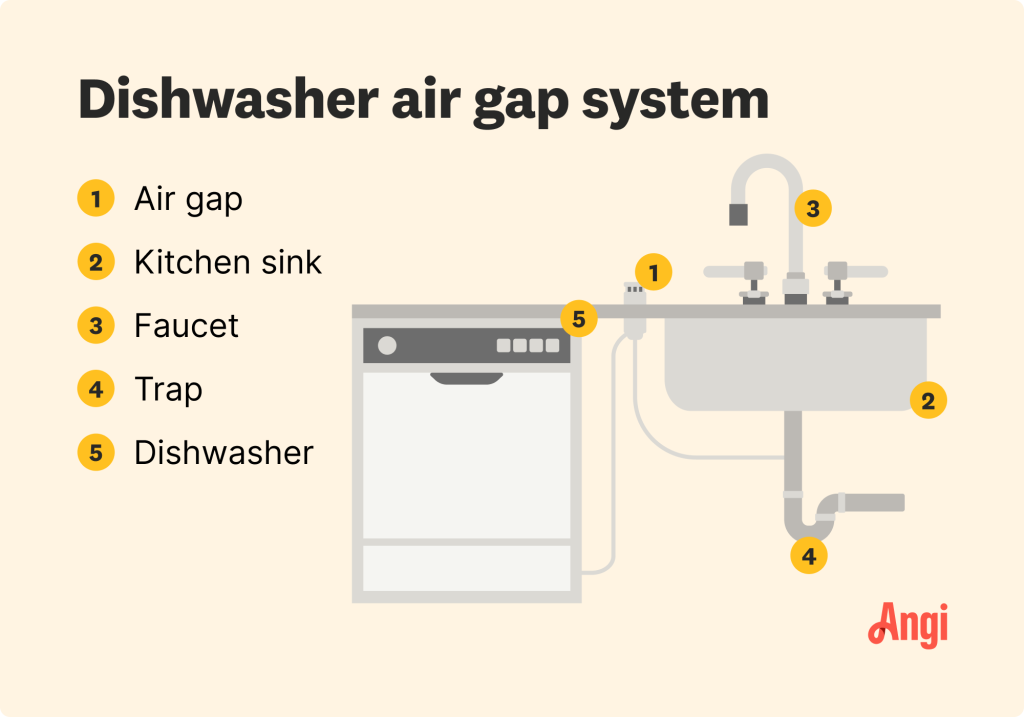
Imagine this: your dishwasher is running smoothly, and you’re free to enjoy more time doing what you love. But lurking in the background is a small component that you might not even know about—an air gap.
You might be wondering, “Does my dishwasher need an air gap? ” This seemingly simple question can have significant implications for your kitchen’s hygiene and safety. If you’ve ever faced that annoying backflow issue or worried about contaminated water, this topic is a must-read.
Dive into this article to uncover why this tiny component might be the unsung hero of your kitchen setup. Understanding the role of an air gap could save you from future headaches and ensure your dishwasher runs like a dream. Stay with us as we explore the ins and outs of dishwasher air gaps and why they might be more critical than you think.
What Is An Air Gap
An air gap is a small but crucial component often found in dishwasher installations. It acts as a safety device that prevents dirty water from flowing back into your dishwasher. Understanding what an air gap is can help you decide if your dishwasher setup truly needs one.
Purpose Of An Air Gap
The main purpose of an air gap is to stop wastewater from re-entering your dishwasher. This prevents contamination and keeps your dishes clean and safe. Without an air gap, dirty water could siphon back into your dishwasher, especially if your home’s plumbing experiences a blockage or backup.
Think about times when your sink drains slowly or backs up. Would you want that dirty water to mix with your clean dishes? An air gap creates a physical break between the dishwasher drain and the sink drain, ensuring this never happens.
How It Works
An air gap works by providing a space of open air between the dishwasher’s drain hose and the home’s plumbing system. Water flows from the dishwasher into the air gap, then down the drain hose to the garbage disposal or sink drain.
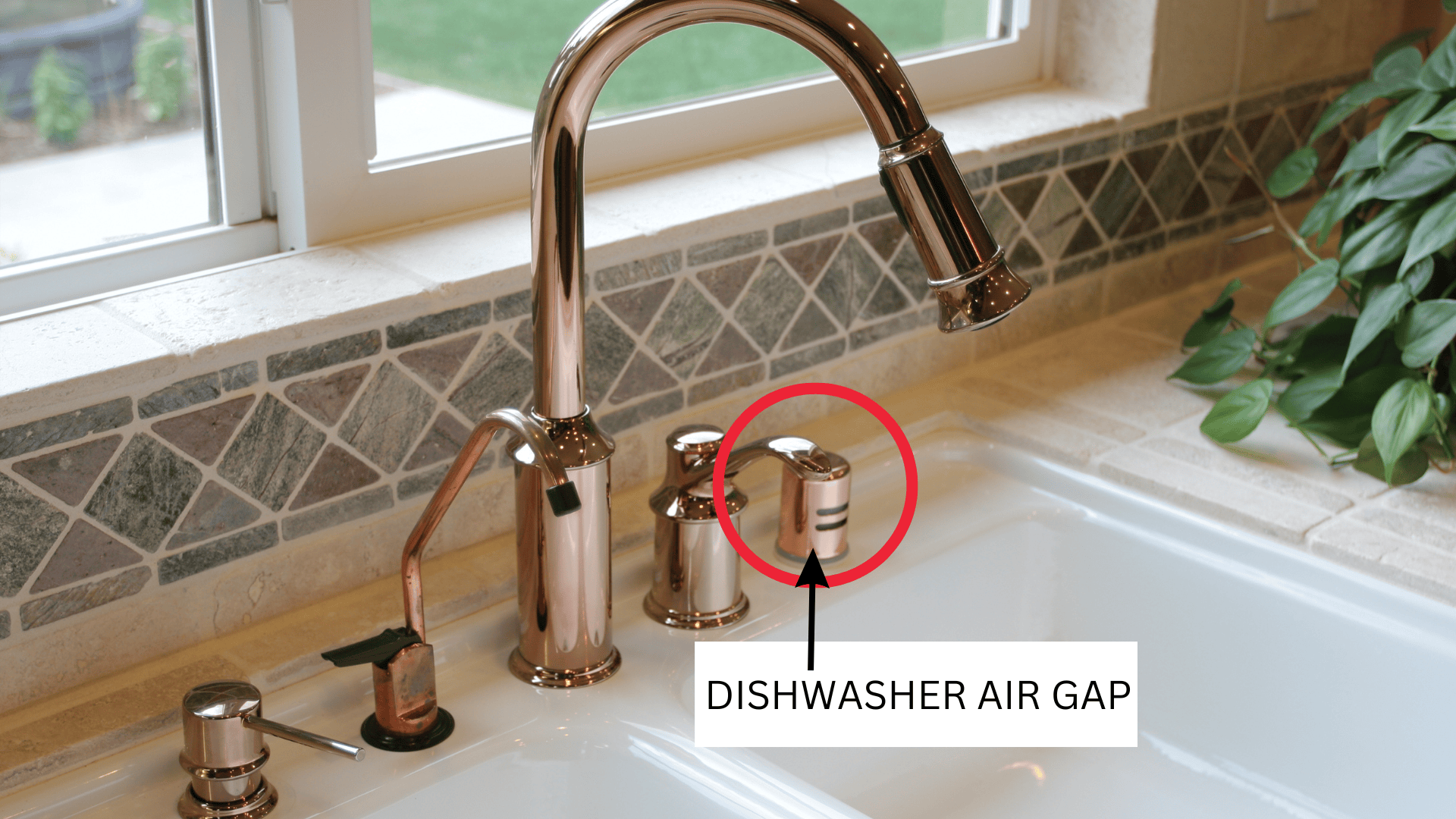
If any backflow occurs, it spills out through the air gap’s opening, usually mounted on your sink or countertop. This visible overflow alerts you to plumbing issues before dirty water can enter your dishwasher.
Installing an air gap is simple and doesn’t require electricity or moving parts. It’s a passive device relying solely on gravity and air pressure to keep your dishwasher safe.
Credit: callwhitney.com
When Is An Air Gap Required
Knowing when a dishwasher air gap is required helps prevent drain water from backing up into the appliance. It acts as a barrier to stop dirty water from flowing back into the dishwasher. This protects your dishes and keeps the kitchen sink area clean. Several factors influence the need for an air gap.
Local Plumbing Codes
Many areas require an air gap by law. Plumbing codes set rules to keep water safe and clean. These codes vary by city or state. Check local regulations before installing a dishwasher. Some places allow alternatives like high loops, but others demand an air gap. Following these codes avoids fines and ensures proper installation.
Dishwasher Types And Models
Different dishwashers have varying needs for air gaps. Built-in models often need an air gap to meet code. Portable or countertop units might not require one. Newer dishwashers sometimes include built-in backflow prevention. Always read the manufacturer’s instructions. They specify if an air gap is necessary for your model. Proper installation improves dishwasher performance and safety.
Benefits Of Installing An Air Gap
Installing an air gap in your dishwasher setup offers key benefits. It improves safety and ensures your dishwasher works properly. This small device keeps your kitchen’s water clean and free from contamination. It also helps your dishwasher drain without problems. Understanding these benefits explains why many homes include an air gap.
Preventing Contamination
An air gap stops dirty water from flowing back into the clean water supply. It creates a physical break between the dishwasher drain and the sink drain. This break prevents harmful bacteria and waste from entering your dishwasher. With an air gap, your dishes stay cleaner and safer to use. It protects your family from germs and health risks.
Avoiding Backflow Issues
Backflow happens when wastewater flows the wrong way into your dishwasher. An air gap blocks this problem by allowing air to enter the drain line. This air space prevents wastewater from moving backward. Without an air gap, backflow can cause clogs and damage your dishwasher. Installing one ensures smooth drainage and avoids costly repairs.
Alternatives To Air Gaps
Not everyone installs an air gap when setting up a dishwasher, but that doesn’t mean you should skip safeguards against backflow. There are practical alternatives that help keep your water supply clean and prevent dirty water from re-entering your dishwasher. These options can be easier to fit into your kitchen layout and still offer reliable protection.
High Loop Method
The high loop method involves routing the dishwasher drain hose so it rises above the sink’s flood level before dropping down to the drain. This height difference creates a natural barrier against wastewater flowing backward.
It’s a simple fix you can do yourself without special parts. Just secure the hose under the countertop or cabinet to form a loop as high as possible. Have you checked if your hose already forms a high loop? Sometimes it’s there but hidden behind cabinets.
Check Valve Use
A check valve allows water to flow only one way—out of your dishwasher—blocking any backflow. Installing one on the dishwasher drain line can add peace of mind, especially if your plumbing setup makes a high loop difficult.
These valves come in various sizes and are straightforward to install. Make sure to pick a valve compatible with your dishwasher model and plumbing size. Would you prefer a valve that’s easy to maintain or one that blends quietly into the system?
Step-by-step Installation Tips
Installing an air gap for your dishwasher ensures that dirty water does not flow back into the clean water supply. Proper installation prevents contamination and keeps your kitchen safe. Follow these simple steps to install an air gap correctly.
Tools And Materials Needed
- Air gap kit
- Screwdriver
- Drill with drill bits
- Adjustable wrench
- Hose clamps
- Dishwasher drain hose
- Sink drain fitting or garbage disposal connection
- Measuring tape
- Plumber’s putty or silicone sealant
Placement And Positioning
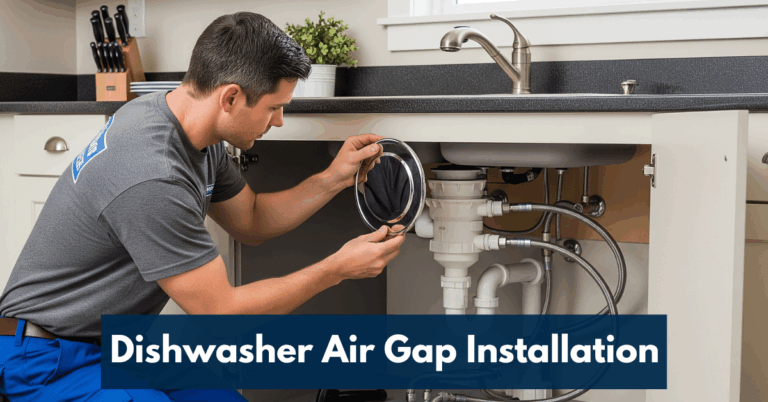
Choose a spot on your sink or countertop near the dishwasher. The air gap should be higher than the dishwasher drain hose connection. It must be visible and easy to access for cleaning. Avoid placing it under the sink or in enclosed spaces. Mark the hole location using the air gap base as a guide.
Drill a hole in the marked spot with the correct size drill bit. Clean the area around the hole. Insert the air gap and secure it tightly using the screws provided. Use plumber’s putty or silicone sealant to prevent leaks around the base.
Connecting The Drain Hose
Attach the dishwasher drain hose to the smaller inlet on the air gap. Secure it with a hose clamp to prevent leaks. Connect the larger outlet hose from the air gap to the sink drain or garbage disposal. Tighten the hose clamp firmly. Make sure the hoses are not kinked or bent sharply. Test the connection by running the dishwasher. Check for leaks or water backing up in the air gap.

Credit: www.youtube.com
Common Installation Mistakes
Installing a dishwasher with an air gap requires careful attention. Mistakes during installation can cause leaks, backups, and poor drainage. Knowing common errors helps avoid costly fixes and damage. Below are frequent installation mistakes and how they affect your dishwasher’s performance.
Improper Hose Routing
Incorrect hose routing is a major cause of dishwasher issues. The drain hose must loop high before reaching the sink drain or garbage disposal. This loop prevents dirty water from flowing back into the dishwasher. Without it, contaminated water may enter the appliance.
Many installers skip this step or route hoses too low. This mistake can cause water to pool inside the dishwasher or leak onto the floor. Always ensure the hose follows a high loop or connects to an air gap fitting. Proper routing keeps water flowing correctly and protects your dishwasher.
Ignoring Local Regulations
Local plumbing codes often require an air gap for dishwasher installation. These rules prevent contamination of the home’s water supply. Ignoring such regulations can lead to code violations and safety hazards.
Some areas allow alternatives like high loops, but many insist on air gaps. Check local laws before starting installation. Using the wrong setup may cause inspection failures or require costly corrections later. Following regulations ensures your dishwasher stays safe and compliant.
Troubleshooting Air Gap Problems
Troubleshooting air gap problems can save you from dishwasher drainage headaches. The air gap prevents dirty water from flowing back into your dishwasher, so any issues with it can cause backups or leaks. Understanding the common problems helps you fix them quickly and avoid bigger plumbing issues.
Clogs And Blockages
Clogs in the air gap are the most frequent cause of dishwasher drainage problems. Food particles, soap scum, or debris can get stuck inside the air gap or its connecting tubes.
If you notice water pooling around the air gap or your dishwasher isn’t draining properly, check for blockages first. Remove the cap of the air gap and inspect inside. You can use a small brush or a piece of wire to clear out any debris.
Sometimes, the blockage is further down the hose connecting the air gap to the drain. Detaching this hose and running water through it can help clear stubborn clogs. Have you ever discovered a surprising amount of gunk causing your dishwasher to back up? It’s more common than you think.
Leaks And Drips
Leaks around the air gap usually happen because of loose fittings or damaged parts. If you see water dripping from the air gap or pooling underneath your sink, check the connections carefully.
Make sure the hoses are tightly secured with clamps. Cracks in the plastic air gap body can also cause leaks and will require replacement. Replacing these parts is often straightforward and inexpensive.
Water leaks can also signal incorrect installation. Is your air gap mounted higher than the dishwasher drain hose? The air gap must be installed at the correct height to prevent backflow and leaks. Have you double-checked this during your last repair?
Credit: gps-plumbing.com
Frequently Asked Questions
What Is An Air Gap For A Dishwasher?
An air gap is a small device installed on the sink or countertop. It prevents dirty water from flowing back into the dishwasher. It ensures clean water circulation and keeps your dishwasher sanitary and functioning properly.
Is An Air Gap Mandatory For Dishwashers?
Air gap requirements vary by local plumbing codes. Some areas mandate an air gap for dishwashers to prevent contamination. Check your local regulations to ensure compliance and avoid plumbing issues or health risks.
Can A Dishwasher Work Without An Air Gap?
Yes, a dishwasher can work without an air gap if a high loop is installed. However, an air gap offers better protection against backflow and contamination. It is a safer and more reliable option.
How Does An Air Gap Prevent Backflow?
An air gap creates a physical break between the dishwasher drain and the sink drain. This prevents wastewater from siphoning back into the dishwasher. It effectively stops contaminated water from re-entering your clean dishes.
Conclusion
A dishwasher air gap helps keep dirty water from flowing back. It protects your home’s water supply. Many local rules may require it. Installing one is simple and adds safety. It prevents clogs and keeps things clean. Not all dishwashers need it, but it’s a good idea.
Check local codes and your dishwasher’s guide. A small part that makes a big difference. Keep your kitchen safe and your water clean.