Picture this: you’ve just unboxed your brand new dishwasher, anticipating the pristine sparkle it promises to bring to your dishes. But as you open the door, you notice something unexpected – it’s wet inside.
Confusion sets in, and you wonder, “Why is my brand new dishwasher wet inside? ” You’re not alone. Many new appliance owners face this puzzling scenario. The good news? There’s a logical explanation behind it. We’ll unravel the mystery and provide clarity, so you can rest easy knowing your dishwasher is working just as it should.
Keep reading to discover why this moisture is actually a good sign and what it means for your appliance’s performance.
Credit: www.housework.com
Common Causes Of A Wet Dishwasher
Noticing water inside your brand new dishwasher can be puzzling and frustrating. Understanding why this happens is key to fixing the issue quickly and preventing damage. Several common causes can lead to moisture buildup inside your dishwasher, and knowing what to look for helps you take the right action.
Residual Moisture After Cycles
It’s normal for some water to remain after a wash cycle. Dishwashers often use a rinse-and-dry process, but some moisture can linger on dishes and the interior surfaces. If you open the door right after the cycle, you might see condensation or wet spots. Waiting a bit before unloading lets the moisture evaporate naturally.
Blocked Drainage Issues
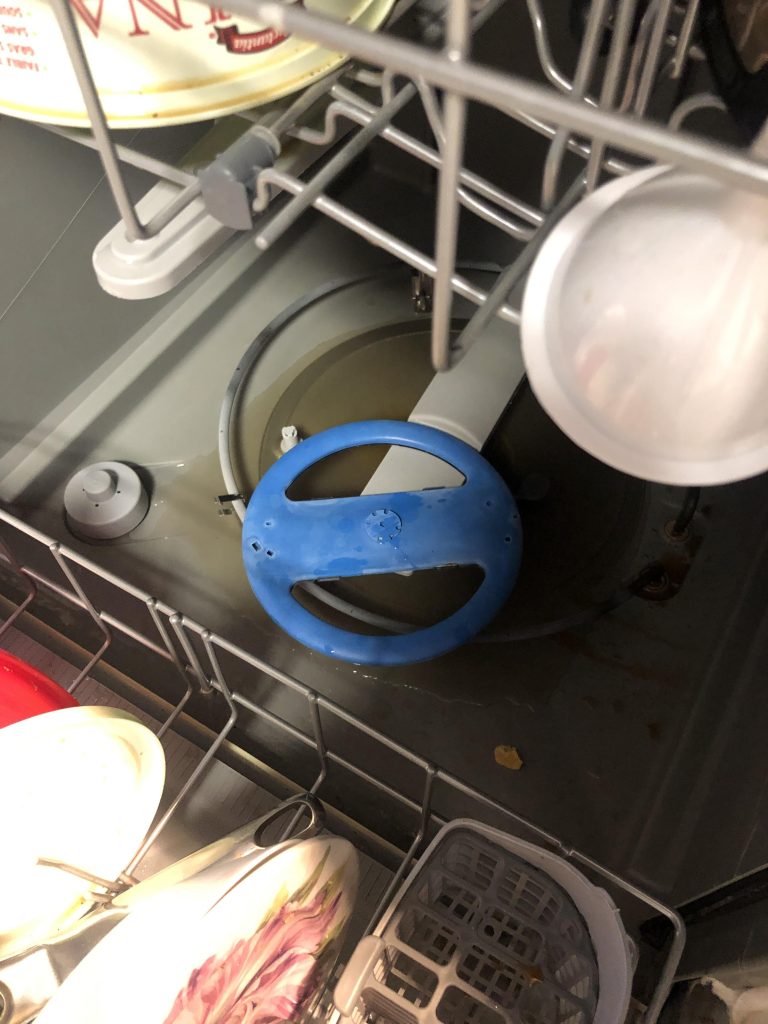
Water can stay inside if the drainage system is blocked. Food particles, grease, or small debris can clog the drain hose or pump. This stops water from draining properly and leaves a pool at the bottom. Check the drain for blockages and clear them regularly to keep water flowing freely.
Faulty Door Seal
The rubber seal around the dishwasher door keeps water inside during cycles. If this seal is damaged or misaligned, water can leak out or collect inside. Inspect the door gasket for cracks or wear. Replacing a faulty seal can solve persistent wetness issues.
Clogged Or Dirty Filters
Filters trap food scraps and prevent them from recirculating. When filters are clogged, water can’t drain well, causing it to pool inside. Cleaning filters regularly ensures your dishwasher drains correctly and runs efficiently.
Incorrect Loading Of Dishes
How you load your dishes affects water flow and drainage. Overcrowding or placing items incorrectly can block spray arms or drain paths. This causes water to get trapped, leaving your dishwasher wet. Pay attention to the manufacturer’s loading guidelines to avoid this problem.

Credit: www.searshomeservices.com
How Dishwasher Design Affects Moisture
Understanding why your brand new dishwasher feels wet inside often comes down to its design. The way a dishwasher handles moisture is heavily influenced by the drying system, ventilation, and heating elements built into it. Knowing how these parts work together can help you identify if the wetness is normal or a sign of a problem.
Types Of Drying Systems
Dishwashers use different drying methods, and each affects how much moisture remains inside after a cycle.
- Heat Drying:This system uses a heating element to evaporate water. It’s effective but can leave a bit of moisture if the cycle ends before everything fully dries.
- Condensation Drying:Instead of extra heat, this uses the heat from the wash cycle and cools the dishwasher walls to condense steam. It’s energy-efficient but may leave more water droplets inside.
- Fan-Assisted Drying:Some models add a fan to circulate air, speeding up drying. If your dishwasher doesn’t have this, expect more moisture to linger.
Think about your last wash—did you notice if the inside was steamy or just damp? That’s often your dishwasher’s drying system at work.
Ventilation And Airflow
Proper airflow is key to drying dishes and clearing moisture. Dishwashers designed with good ventilation let humid air escape and fresh air enter.
Many models have vents near the door or on the top. If these get blocked or if the dishwasher is tightly sealed to save energy, moisture can stay trapped inside.
Ask yourself: does your dishwasher’s door seal tightly and evenly? A strong seal is good for cleaning but might reduce airflow, making the inside wetter after a cycle.
Water Heating Mechanisms
The way your dishwasher heats water impacts how dry your dishes and interior get.
- Internal Heating Elements:These heat the water during the wash and can also boost drying by warming the air inside.
- Hot Water from Home Supply:Some dishwashers rely on your home’s hot water. If your water heater’s temperature is low, it might leave more moisture behind.
- Booster Heaters:Certain models include booster heaters to raise water temperature quickly. This helps reduce moisture but can increase energy use.
Next time you run a cycle, notice if your water is very hot or just warm. That temperature difference can change how much moisture stays inside.
Signs Of Potential Problems
Noticing moisture inside your brand new dishwasher can be confusing. While some dampness is normal after a cycle, certain signs hint at underlying problems. Recognizing these early can save you from costly repairs and keep your appliance running smoothly.
Persistent Water Pools
If you spot standing water at the bottom of your dishwasher after a cycle, it’s a red flag. This could mean the drain hose is clogged or the pump isn’t working properly. Have you checked if your dishwasher’s filter is clean? Sometimes food debris blocks water flow, causing it to pool.
Unpleasant Odors
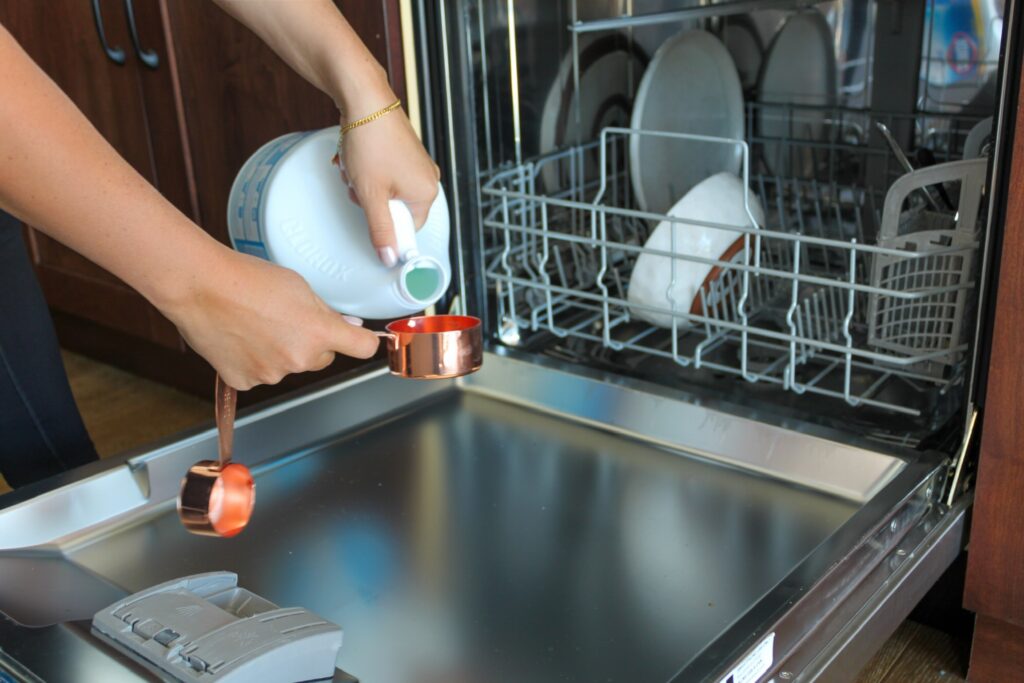
A new dishwasher shouldn’t smell bad, even if it’s wet inside. Lingering foul odors often come from trapped food particles or mold growth in damp areas. Smell something off? It’s worth running a cleaning cycle with vinegar or a dishwasher cleaner to tackle hidden grime.
Unusual Noises During Operation
Pay attention to strange sounds during your dishwasher’s cycle. Grinding, rattling, or gurgling noises might indicate mechanical issues or blockages. If your dishwasher sounds different than when you first used it, don’t ignore it—these noises can signal water isn’t draining properly or parts are loose.
Simple Fixes To Reduce Wetness
Dealing with a wet dishwasher interior can be frustrating, especially when it’s brand new. However, the good news is that often the issue comes down to simple fixes you can try yourself. These adjustments help your dishwasher dry better and keep your dishes spotless and ready to use.
Checking And Cleaning Filters
Your dishwasher’s filter plays a crucial role in draining water properly. If it’s clogged with food particles or debris, water won’t drain efficiently, leaving the inside wet. Take a few minutes to remove the filter and rinse it under running water.
Make sure to scrub gently with a soft brush if needed. A clean filter allows water to flow freely, improving drying performance and reducing leftover moisture.
Ensuring Proper Door Closure
Have you noticed how the door seals when you close it? If the door isn’t shutting completely, steam and water can escape, causing excess wetness inside. Check if anything is blocking the door, like utensils sticking out or misaligned racks.
Also, inspect the rubber gasket around the door for damage or dirt. Wiping it clean and making sure the door closes firmly can make a big difference in drying results.
Adjusting Loading Techniques
How you load your dishwasher affects how well it dries. Overcrowding can trap water between dishes, while blocking the spray arms limits water circulation. Try spacing out plates and cups to allow air and water to move freely.
Place larger items on the sides and back, not in the middle, to keep spray arms spinning smoothly. Small changes in loading can reduce wet spots and speed up drying time.
When To Contact A Professional
Sometimes, a brand new dishwasher stays wet inside even after a full cycle. Small moisture is normal, but constant wetness is not. Knowing when to call a professional saves time and prevents damage.
Persistent Moisture Issues
If water or dampness remains inside after several uses, it signals a problem. The dishwasher might not be drying properly or draining fully. A technician can check internal parts and fix issues causing moisture buildup.
Drainage System Repairs
Water trapped inside often points to drainage problems. Blocked or broken drain pumps and hoses stop water from exiting. Professionals have tools and knowledge to clean or replace these parts safely and effectively.
Warranty And Service Considerations
Brand new dishwashers usually come with a warranty. Contacting an authorized service provider protects this warranty. Attempting repairs yourself might void coverage. Professionals ensure repairs meet manufacturer standards.

Credit: www.reddit.com
Frequently Asked Questions
Why Is My New Dishwasher Wet Inside After Use?
New dishwashers often retain moisture due to condensation during drying. This is normal as the appliance cools down. It helps prevent dishes from overheating and ensures efficient drying.
Is Leftover Water Inside A New Dishwasher Normal?
Yes, small amounts of water inside are common. It usually collects in the drain or at the bottom after a cycle. Proper drainage and drying will remove most of it.
Can A Wet Dishwasher Cause Mold Or Odor?
Moisture can lead to mold if the dishwasher isn’t aired out. Leave the door slightly open after use to let it dry and prevent odors.
How To Reduce Wetness Inside A New Dishwasher?
Run the dishwasher on a high-heat drying cycle. Use rinse aid to improve drying efficiency. Open the door slightly after cycles to release steam.
Conclusion
A wet dishwasher inside is normal after use. Water helps clean your dishes well. Some moisture stays until the dishwasher dries completely. Check the door seal to avoid leaks. Keep the dishwasher open a little after washing. This helps air dry inside faster.
Regular cleaning keeps your dishwasher working right. Watch for unusual water or smells. Understanding these facts makes dishwasher care easy. Your new dishwasher will serve you well with simple steps.