
Have you ever wondered how to make liquid dishwashing detergent at home? Imagine the satisfaction of knowing exactly what’s in your cleaning products, and the joy of saving money in the process.
By crafting your own detergent, you gain control over the ingredients, ensuring a safe and effective formula for your dishes. Plus, it’s easier than you might think! You’ll discover a simple, step-by-step method to create your own liquid dishwashing detergent.
Get ready to revolutionize your kitchen cleaning routine with this empowering DIY project. Trust us, once you start, you won’t look back.

Credit: www.youtube.com
Ingredients Needed
Making liquid dishwashing detergent at home requires a few simple ingredients. These ingredients work together to clean dishes effectively. Most of them are easy to find in your kitchen or local store. Knowing the right ingredients helps you create a detergent that is gentle and powerful.
Common Household Items
- Liquid Castile Soap: A natural soap base that cleans well and is gentle on skin.
- Water: Used to dilute the soap and create the right consistency.
- Baking Soda: Helps to remove grease and acts as a mild abrasive.
- White Vinegar: Cuts through grease and adds shine to dishes.
- Salt: Acts as a thickener and helps with cleaning power.
Optional Additives
- Essential Oils: Add fragrance and have antibacterial properties. Examples include lemon or tea tree oil.
- Citric Acid: Helps to remove hard water spots and mineral buildup.
- Glycerin: Adds moisture and helps prevent the detergent from drying out.
- Preservatives: Extend shelf life if you plan to store the detergent for a long time.
Tools And Equipment
Having the right tools and equipment makes the process of making liquid dishwashing detergent smoother and more precise. You want to measure ingredients accurately and mix them safely to get the best results. Let’s look at the essentials you’ll need before you start your DIY detergent project.
Measuring Tools
Precise measurements are key to a successful detergent recipe. Using reliable measuring tools ensures you add the right amounts of each ingredient, which affects the detergent’s effectiveness and consistency.
- Measuring cups and spoons:Choose ones made of plastic or stainless steel for durability and ease of cleaning. Avoid glass if you’re handling hot ingredients.
- Digital scale:For recipes requiring exact weights, a digital kitchen scale is invaluable. It helps you avoid guesswork and keeps your detergent balanced.
- Graduated cylinders or beakers:These are great for measuring liquids precisely, especially when working with small volumes.
Have you ever tried mixing a recipe only to realize your measurements were off? Reliable tools can save you from that frustration.
Mixing Containers
The container you use to mix your detergent matters as much as the ingredients. It needs to be large enough to hold all components with space to stir without spilling.
- Heat-resistant plastic or glass bowls:These are perfect for combining ingredients, especially if you need to warm any components slightly.
- Wide-mouth containers:They make stirring easier and reduce the chance of splashes.
- Funnels:Useful for transferring your finished detergent into storage bottles without making a mess.
Think about your workspace setup—do you have enough room for these containers? Choosing the right size and type can make the mixing process clean and hassle-free.
Step-by-step Preparation
Preparing liquid dishwashing detergent at home is simple and rewarding. Follow clear steps to make a safe and effective cleaner. This section guides through the essential stages. Each step ensures the right texture and cleaning power.
Measuring Ingredients
Accurate measuring is key to a good detergent. Use a clean measuring cup or spoon. Gather these ingredients:
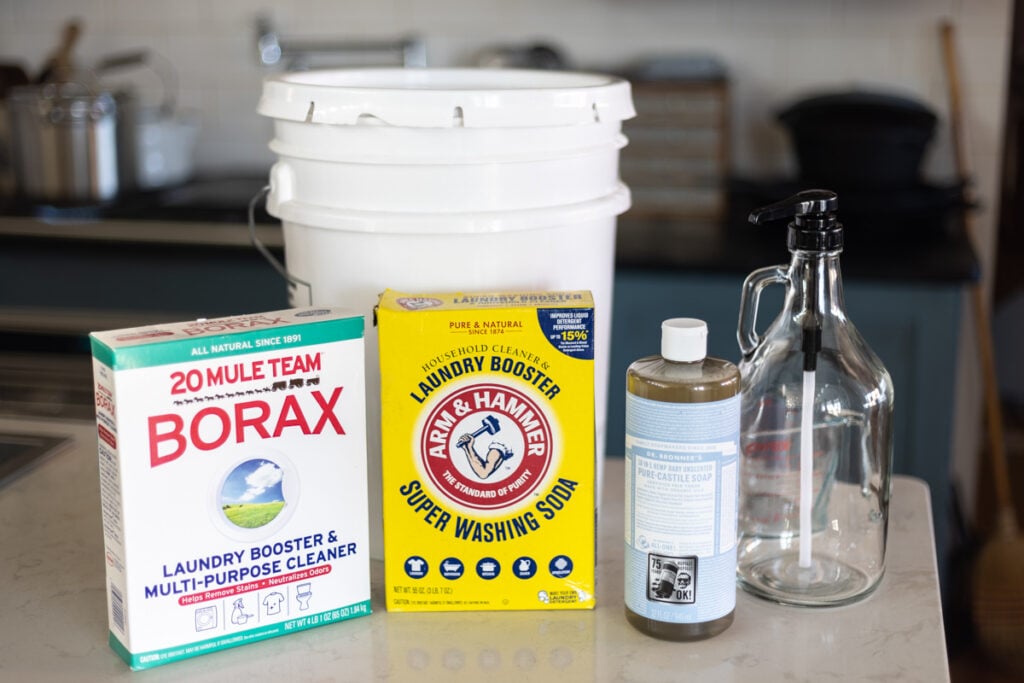
- 1 cup liquid castile soap
- 1/4 cup distilled water
- 1 tablespoon washing soda
- 10 drops essential oil (optional)
Measure each ingredient carefully. This keeps the detergent balanced and effective.
Mixing Process
Start by adding distilled water to a mixing bowl. Slowly stir in washing soda until fully dissolved. Add liquid castile soap gently. Stir the mixture with a whisk or spoon. Avoid creating too many bubbles. Add essential oil last, mixing lightly. This gives the detergent a fresh scent.
Adjusting Consistency
Check the thickness of the detergent. It should pour easily but not be too runny. Add more distilled water to thin it out. Add a small amount of washing soda to thicken it. Mix well after each change. Keep testing until the texture feels right for use.
Storage Tips
Proper storage of your homemade liquid dishwashing detergent is key to keeping it effective and safe to use. Storing it correctly helps preserve its cleaning power and prevents contamination. Let’s look at how you can store your detergent to get the best results every time.
Container Selection
Choosing the right container is crucial. Use a container made of durable plastic or glass that has a tight-fitting lid to prevent spills and contamination.
Clear containers let you see the detergent level, but opaque ones protect it from light, which can degrade some ingredients. Consider containers with a pump or squeeze top for easy dispensing. Have you ever struggled with messy pours? A well-designed container can save you from that hassle.
Shelf Life
Homemade liquid dishwashing detergent doesn’t last forever. Typically, it stays good for about one to two months when stored properly.
Keep your detergent in a cool, dry place away from direct sunlight to extend its shelf life. If you notice any changes in smell, texture, or color, it’s time to make a fresh batch. How often do you check your cleaning products for freshness?
Customizing Your Detergent
Customizing your liquid dishwashing detergent makes it unique and suited to your needs. You can change its scent and improve how well it cleans. Small additions create a better washing experience.
Adding Scents
Adding scents makes washing dishes more pleasant. Use essential oils like lemon, lavender, or eucalyptus. Add 10 to 15 drops to your detergent mix. These oils give a fresh, natural smell.
Choose scents that you enjoy and are safe for skin contact. Avoid strong perfumes that may irritate sensitive skin. Stir the detergent well after adding oils to spread the scent evenly.
Enhancing Cleaning Power
Boost cleaning power with natural boosters. Baking soda helps remove grease and stains. Add one tablespoon to your detergent for extra strength.
White vinegar cuts through tough grime and kills bacteria. Mix a small amount to improve effectiveness. Castile soap increases foam and cleaning ability. Use it as a base or add for extra suds.
Adjust ingredients carefully. Too much of any booster can reduce cleaning quality or cause skin irritation. Test your detergent on a small area first to check performance and safety.
Safety Precautions
Safety is a key part of making liquid dishwashing detergent. Handling chemicals needs care. Avoid accidents by following simple safety rules. These rules protect your skin, eyes, and lungs.
Wear gloves and goggles to stop skin and eye contact. Work in a clean, well-ventilated area. Keep children and pets away from the workspace. Store ingredients in labeled containers, out of reach.
Handling Ingredients
- Use gloves to protect your hands from irritation.
- Wear safety goggles to avoid splashes to your eyes.
- Measure ingredients carefully to prevent spills.
- Mix slowly to avoid splashing or creating fumes.
- Keep the area clean and free of clutter.
- Store chemicals in cool, dry places with labels.
Proper Usage
- Use the detergent in recommended amounts only.
- Keep detergent away from children and pets.
- Do not mix detergent with other cleaning products.
- Rinse hands well after use to remove residue.
- Store the finished product in a safe, sealed container.
- Dispose of unused detergent according to local rules.
Troubleshooting Common Issues
Troubleshooting common issues helps ensure your homemade liquid dishwashing detergent works well. Small problems can stop the detergent from cleaning properly or cause texture issues. Fixing these problems can save time and ingredients.
Detergent Too Thick Or Thin
Thick detergent can be hard to pour and use. Thin detergent may not clean well or feel watery. Check these points:
- If too thick, add small amounts of water and stir slowly.
- If too thin, add more soap base or a thickener like salt.
- Mix gently to avoid bubbles or foam forming during adjustment.
- Store detergent for a day; thickness may change as it settles.
Poor Cleaning Performance
Detergent that does not clean well needs adjustment. Possible causes include:
- Not enough soap base or active ingredients in the mix.
- Incorrect pH level affecting cleaning power.
- Water quality interfering with detergent action.
Improve cleaning by:
- Adding more soap or natural cleaning agents like vinegar.
- Testing pH and adjusting with baking soda or citric acid.
- Using filtered or soft water for better results.
Credit: hopewellheightsblog.com

Credit: www.youtube.com
Frequently Asked Questions
What Ingredients Are Needed For Liquid Dishwashing Detergent?
You need water, liquid castile soap, washing soda, and essential oils. These ingredients clean effectively and are eco-friendly. Optional additives include glycerin for moisture and vinegar for extra grease cutting.
How Long Does Homemade Liquid Dishwashing Detergent Last?
Homemade detergent typically lasts up to one month if stored properly. Keep it in a sealed container away from direct sunlight. Stir before each use to maintain consistency and effectiveness.
Can I Customize The Scent Of My Detergent?
Yes, add 10-20 drops of essential oils like lemon or lavender. This gives a pleasant fragrance and natural antibacterial properties. Customize based on your scent preference and cleaning needs.
Is Homemade Liquid Dishwashing Detergent Safe For Sensitive Skin?
Yes, it’s safer than many commercial detergents. Using natural ingredients reduces harsh chemicals and irritation. However, test a small amount on your skin to ensure no allergic reaction.
Conclusion
Making your own liquid dishwashing detergent is simple and cost-effective. You control the ingredients and avoid harsh chemicals. It helps reduce plastic waste by using reusable containers. Plus, homemade detergent cleans dishes well and saves money. Try it at home to see the results yourself.
Small changes like this can make a big difference. Start with the recipe and enjoy cleaner dishes every day.