Are you curious about how much water your dishwasher uses per cycle? Understanding this can help you make informed decisions about your water and energy consumption, ultimately saving you money and helping the environment.
You might think that hand-washing dishes is more efficient, but what if your dishwasher is the true water-saving hero in your kitchen? By the end of this article, you’ll discover surprising facts about dishwasher water usage that could change the way you view dishwashing forever.
Dive in and find out how your appliance measures up in terms of efficiency, and learn tips to optimize its performance. Your wallet and the planet will thank you!
Credit: www.sorted-state.com
Water Usage In Dishwashers
Understanding water usage in dishwashers helps manage household resources better. Dishwashers vary in water consumption, affecting utility bills and environmental impact. Knowing the details can guide choices for efficient appliance use.
Average Water Consumption Per Cycle
Most modern dishwashers use between 3 to 6 gallons of water per cycle. Older models may consume up to 10 gallons. Energy-efficient dishwashers use less water without sacrificing cleaning power. The exact amount depends on the cycle selected and the dishwasher’s design.
Factors Affecting Water Use
- Type of dishwasher: newer models usually use less water.
- Cycle type: heavy or intensive cycles use more water than eco or light cycles.
- Load size: fuller loads may use water more efficiently than partial loads.
- Water pressure and temperature can influence water usage too.
Comparison With Hand Washing
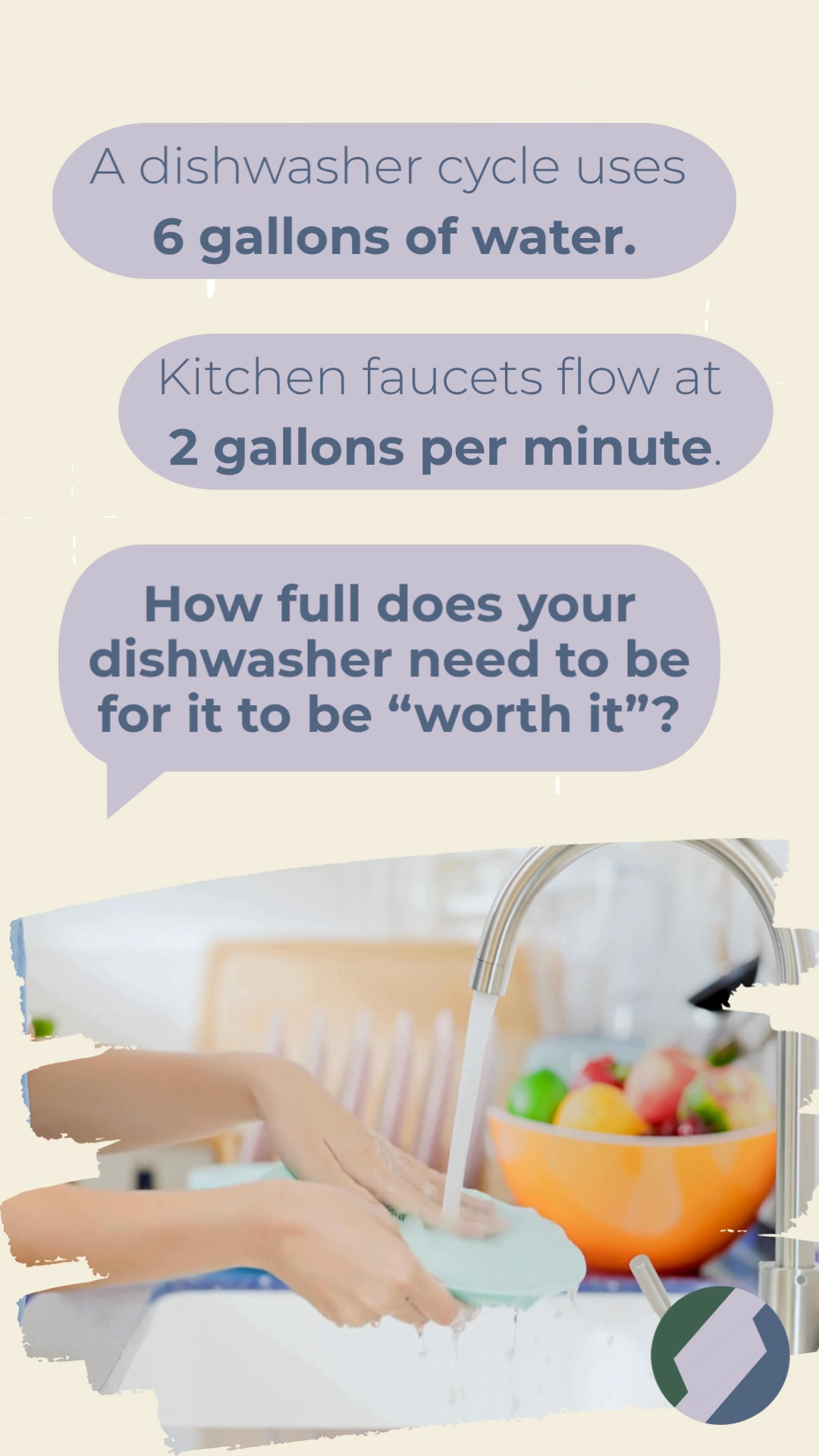
Hand washing dishes often uses more water than dishwashers. A typical hand wash can use 8 to 27 gallons of water. Dishwashers clean more dishes with less water per item. Efficient dishwashers can save hundreds of gallons monthly compared to hand washing.

Credit: smol.com
Types Of Dishwashers And Water Efficiency
Understanding the type of dishwasher you have can greatly affect your water usage per cycle. Different models use varying amounts of water, impacting both your utility bills and environmental footprint. Let’s look at how standard, Energy Star rated, and portable dishwashers compare in water efficiency.
Standard Dishwashers
Standard dishwashers typically use between 6 to 16 gallons of water per cycle. Older models tend to be on the higher end, consuming more water due to less efficient spray arms and wash cycles.
If your dishwasher is more than 10 years old, it might be using twice as much water as newer models. Replacing an old standard dishwasher can lead to significant water savings, sometimes cutting usage by half.
Energy Star Rated Models
Energy Star certified dishwashers are designed to use water more efficiently, often using as little as 3 to 5 gallons per cycle. These models optimize water use by adjusting the spray pressure and wash time based on load size.
Choosing an Energy Star dishwasher not only reduces water consumption but also lowers energy costs. Have you checked if your current dishwasher carries this certification? It might be time to upgrade.
Portable And Compact Dishwashers
Portable and compact dishwashers are ideal for small kitchens or renters, but their water usage varies widely. Many compact units use between 4 to 8 gallons per cycle, which is less than standard dishwashers but more than some high-efficiency models.
These dishwashers often have shorter cycles and smaller capacities, so they might require more frequent runs. Consider whether the convenience outweighs the potential increase in water use when choosing a portable model.
How Water Usage Impacts Utility Bills
Water usage in your dishwasher directly affects your utility bills, and understanding this impact can help you manage household expenses better. Every cycle draws a specific amount of water, which not only contributes to your water bill but also influences the energy required to heat that water. By paying attention to how much water your dishwasher uses, you can identify opportunities to save money without sacrificing cleanliness.
Water Costs Breakdown
Your water bill depends on the volume of water you consume and the rate charged by your local utility provider. Dishwashers typically use between 3 to 6 gallons of water per cycle, depending on the model and cycle type. If you run your dishwasher daily, this can add up quickly—using 5 gallons per cycle means about 150 gallons a month solely for dishwashing.
Think about your water rate; it might be $0.005 per gallon or higher. This could translate to around $0.75 per month on dishwasher water alone. While that seems small, combined with other water uses, it contributes to a noticeable part of your bill.
Energy Costs Related To Water Heating
Heating water accounts for a larger share of your dishwasher’s energy use than the appliance itself. The hotter the water, the more energy your water heater consumes. For example, heating one gallon of water from 50°F to 120°F uses about 0.18 kWh of energy.
If your dishwasher uses 5 gallons per cycle, that’s nearly 0.9 kWh just to heat water. At an electricity rate of $0.13 per kWh, you’re spending around $0.12 per cycle on heating water. These costs multiply quickly with frequent use.
Have you ever wondered if lowering your water heater temperature or choosing eco-friendly dishwasher cycles could cut these energy costs?
Savings Tips For Lower Bills
- Run full loads:Avoid running the dishwasher half-empty to maximize water and energy efficiency per dish.
- Choose eco or light cycles:These use less water and lower temperatures, saving on both water and energy bills.
- Check your dishwasher’s WaterSense rating:Newer models certified for efficiency often use less water per cycle.
- Lower your water heater temperature:Setting it to 120°F reduces energy use without impacting dishwashing results.
- Fix leaks promptly:A small leak can waste gallons daily, inflating your water bill unnoticed.
Simple changes in how and when you run your dishwasher can make a real difference in your utility bills. What small habits can you adjust today to start saving?
Innovations Reducing Water Consumption
Dishwashers use less water today than ever before. New technologies help save water with each wash cycle. These innovations make dishwashing cleaner and greener. They reduce water waste and cut energy use too.
Modern dishwashers adjust water based on the dirt on dishes. This smart use of water prevents unnecessary rinsing. Other features focus on recycling water inside the machine. Together, these advances help protect the environment and lower utility bills.
Soil Sensors And Smart Cycles
Soil sensors detect how dirty dishes are. The dishwasher uses this data to choose the right wash cycle. It adds water only as needed. Smart cycles avoid overusing water and energy. This means cleaner dishes with less waste.
Eco-friendly Wash Options
Eco-friendly wash settings use less water and power. They work well for lightly soiled dishes. These options run longer but save resources overall. Choosing eco cycles helps reduce your water footprint. It supports sustainable living without extra effort.
Water Recycling Technologies
Some dishwashers reuse rinse water during the wash. This recycling cuts down on fresh water use. Filters clean the water before it cycles again. Recycling reduces total water consumption per load. It is a smart way to save water daily.
Tips To Minimize Dishwasher Water Use
Reducing the amount of water your dishwasher uses not only saves resources but also lowers your utility bills. Small changes in how you operate your dishwasher can make a big difference. Let’s look at some practical tips you can apply today to cut down water use without sacrificing cleanliness.
Loading Strategies
Proper loading helps your dishwasher clean efficiently with less water. Avoid overcrowding dishes, as this forces the machine to use more water to reach every surface.
Place larger items at the edges and smaller ones in the center, allowing water to circulate freely. Make sure nothing blocks the spray arms, so every dish gets cleaned in one cycle.
Have you ever noticed that some plates still come out dirty? This might be due to poor loading rather than a water issue. Try adjusting your dish arrangement next time and observe the difference.
Choosing The Right Cycle
Not every load requires the heaviest wash cycle. Using shorter or eco-friendly cycles can save a significant amount of water while still getting your dishes clean.
Many modern dishwashers offer sensor-based cycles that adjust water use based on how dirty the dishes are. If your machine has this feature, use it to avoid unnecessary water consumption.
Think about the last time you ran a cycle with just a few lightly soiled dishes. Could a lighter cycle have done the job? Experiment with different settings to find what works best for your needs.
Regular Maintenance Benefits
Keeping your dishwasher in good condition ensures it runs efficiently and uses water wisely. Regularly clean the filters and spray arms to prevent clogs that can increase water use.
Check for leaks and fix them promptly; even small drips can waste a surprising amount of water over time. Scheduling routine maintenance helps your dishwasher perform optimally and reduces water waste.
Have you checked your dishwasher’s condition lately? A little upkeep goes a long way in saving water and extending the life of your appliance.
Credit: www.defy.co.za
Frequently Asked Questions
How Much Water Does A Dishwasher Use Per Cycle?
A typical dishwasher uses between 3 to 6 gallons of water per cycle. Newer, energy-efficient models use less water, around 3 gallons. Older models may use up to 10 gallons. Water usage depends on the dishwasher’s age, size, and cycle selected, impacting energy and water bills.
Does Dishwasher Water Usage Vary By Cycle Type?
Yes, water usage varies by cycle type. Heavy or intensive wash cycles use more water than light or eco-friendly cycles. Eco cycles use the least water, conserving resources while cleaning effectively. Choosing the right cycle helps save water and reduce utility costs.
How Can I Reduce Water Usage With My Dishwasher?
To reduce water usage, use eco-friendly or quick wash cycles. Only run full loads to maximize efficiency. Avoid pre-rinsing dishes under running water. Regular maintenance ensures optimal performance, lowering water consumption and saving money on bills.
Is A Dishwasher More Water-efficient Than Hand Washing?
Generally, dishwashers use less water than hand washing when fully loaded. Efficient dishwashers use about 3 to 6 gallons per cycle, while hand washing can use over 20 gallons. Using a dishwasher properly helps conserve water and energy, benefiting both environment and wallet.
Conclusion
Dishwashers use different amounts of water per cycle. Most use between 3 to 6 gallons. Newer models tend to save more water. Running full loads helps save water and energy. Choosing the right dishwasher can reduce your water bills. Small changes make a big difference over time.
Think about water use when buying or using a dishwasher. Simple habits protect the environment and your wallet. Water matters—use it wisely every day.