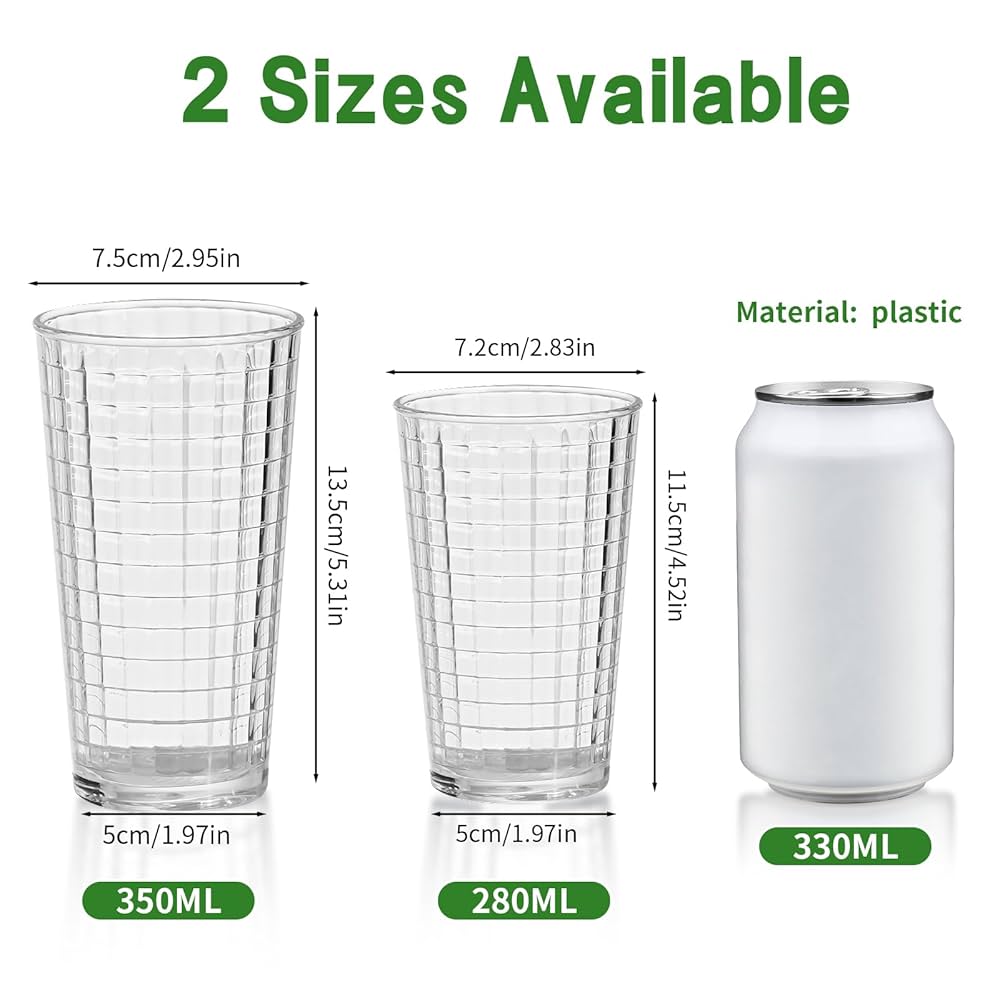
Ever pulled a bright, colorful acrylic dish from the cupboard and wondered if it could withstand the rigorous cycle of your dishwasher? You’re not alone.
With the convenience of dishwashers, it’s tempting to toss in every item, but ensuring the safety of your acrylic dishes is crucial. We’ll uncover the truth about whether acrylic is dishwasher safe and how it impacts the longevity of your favorite kitchenware.
You’ll discover tips that not only protect your dishes but also save you time and money. Ready to find out if your acrylic items can take the heat? Let’s dive in!
Acrylic Material Basics
Acrylic is a popular material that you might have in your kitchen or home without even realizing it. Knowing the basics of acrylic helps you decide how to care for it, especially when it comes to washing and maintenance. Let’s take a closer look at what acrylic is made of and why it’s used so often.
Properties Of Acrylic
Acrylic is a type of plastic known for its clarity and strength. It looks like glass but is much lighter and less likely to break. You’ll find acrylic is resistant to many chemicals and weather conditions, which makes it durable for everyday use.
One key property is its ability to withstand heat, but only up to a certain point. This is why knowing whether acrylic items are dishwasher safe matters—too much heat can cause warping or cloudiness.
- Lightweight and shatter-resistant
- Clear and glossy appearance
- Moderate heat resistance (usually safe up to around 140°F or 60°C)
- Resistant to UV light and many chemicals
Common Uses Of Acrylic
You probably use acrylic items daily without thinking twice. It’s common in drinkware, display cases, and even furniture. Acrylic’s versatility makes it a favorite for items that need to be both clear and durable.
Many outdoor signs and aquariums are made from acrylic because it holds up well against weather and sunlight. In the kitchen, you might have acrylic cutting boards or storage containers, but should you put them in the dishwasher?
- Glasses, cups, and pitchers
- Display cases and picture frames
- Furniture components like chair backs
- Outdoor signage and aquariums
- Kitchen tools and storage containers

Credit: www.amazon.ca
Dishwasher Safety Concerns
When deciding whether to put your acrylic items in the dishwasher, it’s important to understand the safety concerns involved. Acrylic is a versatile material, but it reacts differently under dishwasher conditions compared to glass or ceramic. Knowing these risks helps you protect your kitchenware and keeps your items looking good longer.
Heat And Acrylic Damage
Acrylic is sensitive to high temperatures commonly found in dishwashers. The heat can cause the material to soften, leading to cracks or permanent damage. Have you noticed your acrylic tumbler becoming brittle after a few dishwasher cycles? This often happens because the heat breaks down the plastic’s structure.
To avoid this, consider using the dishwasher’s gentle or low-heat setting if available. Hand washing with warm water is often safer to preserve your acrylic pieces.
Detergent Effects On Acrylic
Dishwasher detergents contain strong chemicals designed to clean tough stains, but they can be harsh on acrylic. These detergents may cause cloudiness or surface scratching over time.
Think about your favorite acrylic salad bowl turning dull after several washes. This happens because the detergent strips away the protective finish. Using mild dish soap with a soft sponge during hand washing can help maintain the clarity and shine of acrylic items.
Potential Warping And Discoloration
Repeated dishwasher cycles can lead to warping of acrylic items. The combination of heat, water pressure, and detergent can deform shapes, especially thinner pieces.
Discoloration is another common issue, where acrylic loses its original color or develops yellowish tints. This is particularly noticeable with clear or brightly colored acrylic products.
Have you ever been disappointed to see your acrylic cup slightly misshaped or discolored after dishwasher use? To keep your items in top condition, it’s best to avoid the dishwasher or limit the number of washes.
Manufacturer Recommendations
Manufacturer recommendations play a crucial role in determining whether acrylic items can safely go in your dishwasher. These guidelines come straight from the source and reflect the best practices for maintaining your acrylic’s appearance and durability.
Labels And Instructions
Always check the labels on your acrylic products before loading them into the dishwasher. Manufacturers often include clear icons or written instructions about dishwasher safety.
If you see a “dishwasher safe” label, it means the product has been tested to withstand typical dishwasher conditions. However, if the label advises hand washing only, it’s best to follow that advice to avoid damage.
Sometimes, the instructions specify a particular dishwasher rack or cycle to use. For example, placing acrylic items on the top rack reduces exposure to the dishwasher’s heating element, preventing warping or cracking.
When To Avoid Dishwashers
You should avoid the dishwasher if the acrylic piece has delicate paint, decals, or coatings that might peel or fade. Harsh detergents and high heat can ruin the finish.
Also, if the manufacturer warns against dishwasher use due to the item’s shape or thickness, listen carefully. Thin acrylic pieces may warp, and unusual shapes might trap water, leading to damage.
Have you ever noticed your acrylic cups becoming cloudy after a few dishwasher cycles? That’s often a sign the manufacturer’s recommendations weren’t followed. Paying close attention to these details helps you keep your acrylic items looking new longer.

Credit: www.aphw.com
Safe Cleaning Alternatives
Acrylic items require gentle care to keep their shine and shape intact. Using safe cleaning alternatives helps avoid cracks and cloudiness. Avoid harsh scrubbing and strong chemicals to protect the acrylic surface.
Simple cleaning steps can maintain acrylic’s look for years. Focus on mild techniques that clean without damage.
Hand Washing Techniques
Use warm water and mild dish soap to clean acrylic. Avoid abrasive scrubbers; use a soft sponge or cloth instead. Gently wipe the surface to remove dirt and stains. Rinse thoroughly with clean water to avoid soap residue. Pat dry with a soft towel to prevent water spots.
Best Cleaning Products For Acrylic
- Mild liquid dish soap without ammonia or bleach
- White vinegar diluted with water for light stains
- Special acrylic cleaners designed for plastic surfaces
- Isopropyl alcohol diluted with water for disinfecting
Test cleaners on a small area before full use. Avoid products with acetone, alcohol, or abrasive powders.
Drying And Storing Tips
Air dry acrylic items on a soft cloth to prevent scratches. Avoid using rough towels or paper towels. Store acrylic pieces in a cool, dry place away from direct sunlight. Keep items separated to avoid rubbing and scratching. Use protective covers or cloth bags for extra protection.
Prolonging Acrylic Lifespan
Extending the life of your acrylic items requires more than just knowing whether they are dishwasher safe. Taking care of acrylic involves a few simple habits that prevent damage and keep them looking new. Small changes in how you handle and maintain your acrylic can make a big difference over time.
Avoiding Scratches
Scratches can dull the surface of acrylic, making it look old and worn quickly. Use soft cloths or sponges when cleaning instead of abrasive scrubbers. Avoid stacking acrylic pieces tightly to prevent rubbing that causes scratches.
Have you ever noticed how tiny scratches can multiply when acrylic is washed with rough utensils? Being gentle during washing and storage helps preserve that smooth, clear finish you want.
Protecting From Sunlight
Direct sunlight can cause acrylic to fade or become brittle over time. Keep your acrylic items away from windowsills or outdoor areas with strong sun exposure. If you must place them near light sources, consider UV-protective covers or films.
Think about how many times you’ve left a plastic item in the sun and noticed it changing color or cracking. Acrylic is no different—it needs shade to stay vibrant and strong.
Handling And Maintenance
Handle acrylic with clean hands to avoid transferring oils or dirt that can stain the surface. Use mild soap and lukewarm water for cleaning rather than harsh chemicals or very hot water. Dry with a soft towel to avoid water spots and maintain clarity.
Regular maintenance doesn’t have to be complicated. Simple, consistent care routines keep your acrylic looking fresh and prevent unexpected damage that shortens its lifespan.

Credit: www.walmart.com
Troubleshooting Common Issues
Troubles with acrylic items after dishwasher use can be common. These problems include stains, cloudiness, and scratches. Understanding simple fixes can help keep your acrylic looking clear and bright.
Many people worry about acrylic damage after cleaning. Small issues often have easy solutions. Quick care can improve the look and extend the life of your acrylic products.
Removing Stains
Stains on acrylic often come from food or hard water. Use a gentle cleaner made for plastics. Avoid harsh chemicals that can damage the surface.
- Mix warm water with mild soap.
- Apply with a soft cloth or sponge.
- Rub gently in circular motions.
- Rinse with clean water and dry.
- For tough stains, try a small amount of baking soda paste.
Fixing Cloudiness
Cloudy acrylic happens from heat or detergent buildup. Use a plastic polish to restore shine. Another option is to buff the surface with a soft cloth.
- Clean the acrylic first to remove dirt.
- Apply a small amount of polish evenly.
- Buff gently until the cloudiness fades.
- Repeat if needed for better clarity.
Repairing Minor Scratches
Light scratches can dull the acrylic’s look. Use fine polishing compounds to reduce scratches. Avoid rough materials that can worsen the damage.
- Clean the area thoroughly.
- Apply the polish with a soft cloth.
- Rub in small circles over scratches.
- Wipe clean and check progress.
- Repeat carefully until scratches lessen.
Frequently Asked Questions
Is Acrylic Safe To Wash In A Dishwasher?
Acrylic can be dishwasher safe if labeled as such. Use the top rack and avoid high heat. High temperatures may cause warping or cloudiness. Always check the manufacturer’s instructions before placing acrylic items in the dishwasher.
Can Dishwashers Damage Acrylic Materials?
Yes, dishwashers can damage acrylic by causing cracks or cloudiness. Heat and harsh detergents degrade acrylic over time. Hand washing with mild soap is often safer for acrylic items to maintain clarity and durability.
How To Clean Acrylic Without A Dishwasher?
Clean acrylic with warm water, mild soap, and a soft cloth. Avoid abrasive scrubbers and harsh chemicals. Gently wipe to prevent scratches and keep the surface clear and shiny.
Why Does Acrylic Become Cloudy After Dishwashing?
Cloudiness occurs from heat and strong detergents in dishwashers. These elements cause micro-scratches and surface damage. To prevent this, hand wash acrylic or use a gentle dishwasher cycle on the top rack.
Conclusion
Acrylic items can usually go in the dishwasher safely. Choose the top rack to avoid heat damage. Avoid high heat settings to keep them clear and strong. Hand washing works well for delicate pieces. Following these tips helps your acrylic last longer.
Keep your kitchen routine easy and safe. Now you know how to care for acrylic dishes properly.