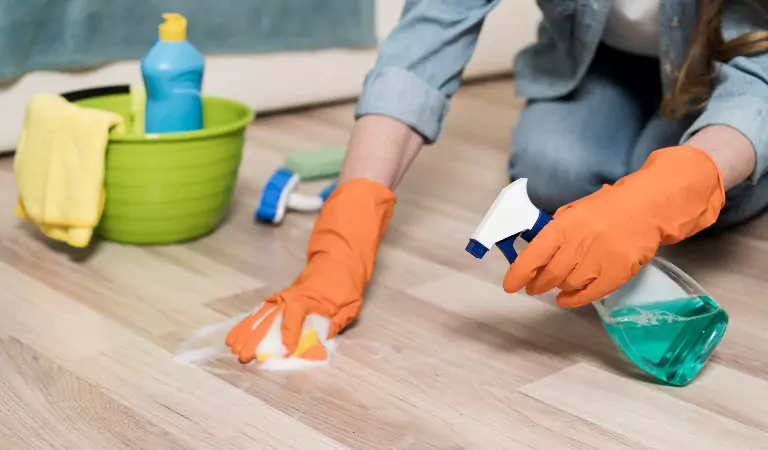
Are you tired of spending a fortune on store-bought floor cleaners that promise the world but deliver little? Do you worry about the harsh chemicals lurking in those brightly colored bottles?
You’re not alone. Many of us want a cleaner home without the toxic side effects or hefty price tag. Imagine having spotless floors that shine with health, not harmful residues. The good news is, you can achieve just that with a simple homemade solution.
This guide will take you step-by-step through creating an effective, natural floor cleaner using ingredients you probably already have in your kitchen. Say goodbye to chemical-laden products and hello to a cleaner, safer home. Keep reading, and discover how easy it is to take control of your cleaning routine while saving money and protecting your family’s well-being.
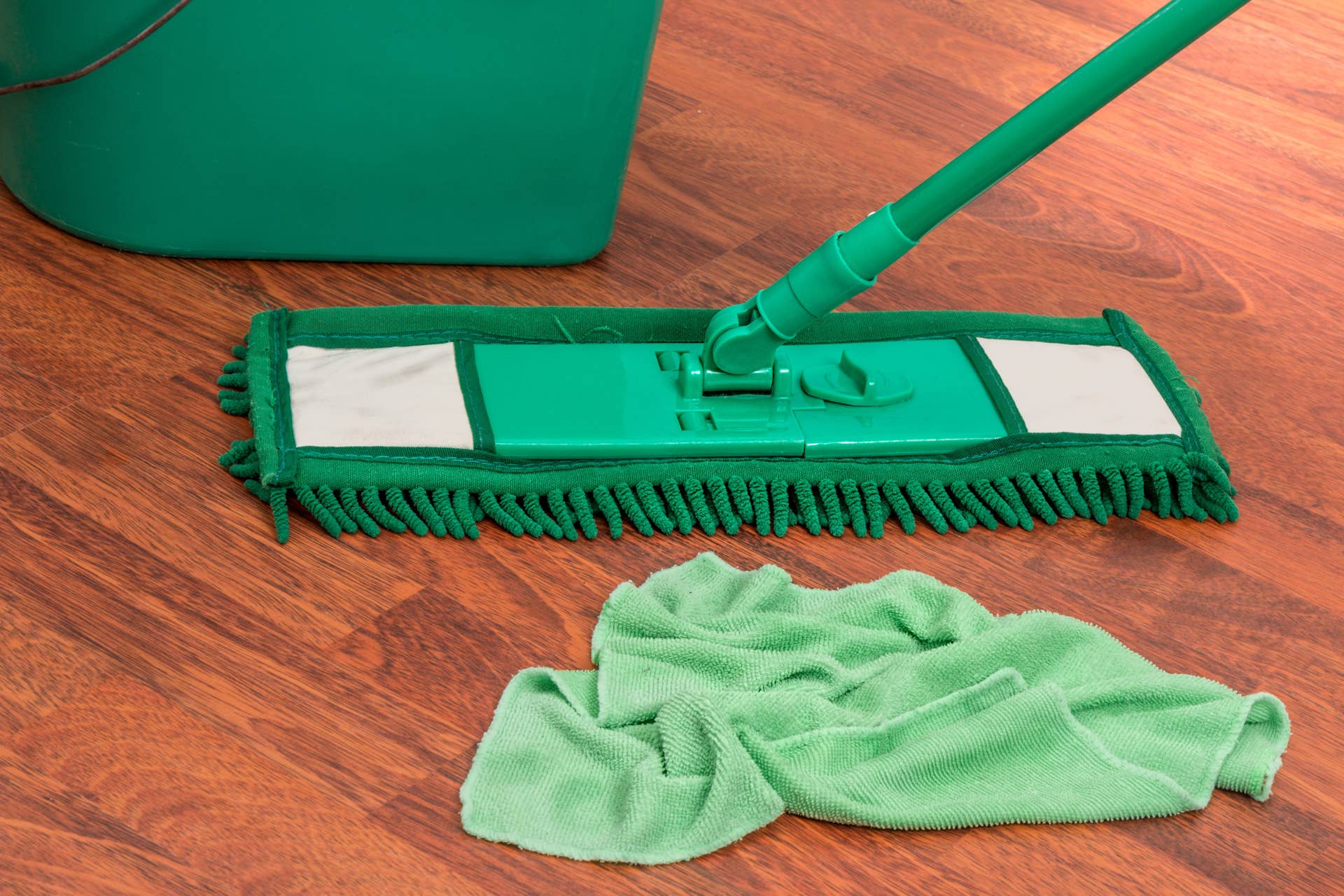
Credit: dengarden.com
Benefits Of Homemade Floor Cleaner
Making your own floor cleaner at home offers several benefits that go beyond just having a sparkling clean floor. It’s a simple change that can positively impact your budget, the environment, and your household’s health. Let’s dive into why switching to homemade floor cleaner is worth considering.
Cost Savings
Buying commercial floor cleaners can add up quickly, especially if you clean frequently. Homemade floor cleaners use common ingredients like vinegar, baking soda, and essential oils, which are inexpensive and often found in your kitchen already.
Mixing your own cleaner means you can make large batches at a fraction of the cost. Have you ever calculated how much you spend on cleaning products each year? Making your own could free up money for other things.
Eco-friendly Ingredients
Many store-bought cleaners contain harsh chemicals that can harm the environment. Homemade cleaners typically use natural ingredients that break down easily and don’t pollute waterways.
By choosing homemade, you reduce plastic waste since you can reuse containers and avoid over-packaged products. How often do you think about the impact of your cleaning products on the planet?
Safer For Family And Pets
Harsh chemicals in commercial cleaners can cause allergies, skin irritation, or respiratory issues, especially in children and pets. Homemade floor cleaners use gentle ingredients that are less likely to cause harm.
You can control exactly what goes into your cleaner, avoiding toxins and allergens. Isn’t it worth trying a safer alternative that protects your loved ones while keeping your floors spotless?
Essential Ingredients For Floor Cleaner
Creating your own floor cleaner at home is easier than you think, especially when you know the right ingredients to use. These essential ingredients not only clean effectively but also keep your floors safe and fresh without harsh chemicals. Let’s break down the must-have components that make homemade floor cleaning both simple and powerful.
Vinegar
Vinegar is a powerful natural cleaner known for cutting through grease and grime. It works well on tile, vinyl, and hardwood floors, leaving them spotless and streak-free. Just be cautious with stone floors like marble or granite, as vinegar’s acidity can damage their surface.
Baking Soda
Baking soda adds gentle scrubbing power to your floor cleaner, helping lift dirt without scratching. It also neutralizes odors, which is great if you have pets or kids. Sprinkle some on tough spots before mopping for extra cleaning strength.
Essential Oils
Adding essential oils gives your cleaner a fresh, natural scent and can boost its antibacterial properties. Oils like tea tree, lavender, or lemon are popular choices. Plus, they make the cleaning experience more enjoyable—who doesn’t want their home to smell amazing while cleaning?
Castile Soap
Castile soap is a plant-based liquid soap that gently cleans without leaving residue. It’s great for loosening dirt and grime and is safe for most floor types. A few drops mixed with water and other ingredients create a balanced cleaner that’s tough on dirt but kind to your floors.
Tools Needed For Preparation
Getting your homemade floor cleaner just right starts with having the right tools at hand. Without proper equipment, measuring ingredients accurately and mixing them thoroughly can become a hassle. The tools you choose will not only make the preparation easier but will also ensure your cleaner works effectively every time you use it.
Measuring Cups And Spoons
Precision matters when making your floor cleaner. Measuring cups and spoons help you add the exact amounts of ingredients needed. Using these tools prevents your mixture from being too strong or too weak, which can affect cleaning power and safety.
Have you ever guessed measurements and ended up with a cleaner that left residue? Proper measuring tools eliminate that guesswork and improve your results significantly.
Spray Bottles
Spray bottles are essential for applying your homemade cleaner evenly on the floor. Choose bottles with adjustable nozzles so you can control the spray pattern and amount. Transparent bottles are ideal because they let you see how much cleaner is left inside.
Think about how frustrating it is when your spray bottle clogs or leaks. Investing in a good-quality spray bottle prevents those issues and makes cleaning quicker and less stressful.
Mixing Bowls
A clean, sturdy mixing bowl provides the perfect space to combine your ingredients without spills. Glass or stainless steel bowls work best since they don’t react with cleaning agents. Avoid plastic bowls, as some cleaners may cause staining or odor retention.
Remember the last time you mixed something in a bowl that was too small? Having the right size bowl can save you from mess and frustration while preparing your cleaner.
Step-by-step Cleaning Solution Recipes
Creating your own homemade floor cleaner is easier than you might think. With simple ingredients and clear instructions, you can make effective solutions tailored for different floor types. Let’s look at easy recipes that keep your floors spotless without harsh chemicals.
All-purpose Floor Cleaner
This versatile cleaner works well on most sealed floors, including vinyl and laminate. You’ll need:
- 1 gallon of warm water
- 1/4 cup white vinegar
- 1 tablespoon liquid dish soap
- 10 drops of your favorite essential oil (optional for fragrance)
Mix all ingredients in a bucket. Use a mop or cloth to clean your floors as usual. The vinegar cuts grease and grime, while the soap lifts dirt without leaving residue.
Wood Floor Cleaner
Wood floors need gentle care to avoid damage. Try this simple recipe:
- 1/2 cup white vinegar
- 1 gallon of warm water
- 1 tablespoon olive oil or a few drops of lemon essential oil
Combine the ingredients and mop your wood floors with a damp mop. The olive oil helps maintain the wood’s natural shine, and vinegar cleans without stripping the finish. Have you noticed how commercial products sometimes leave wood floors dull? This homemade solution keeps them vibrant.
Tile And Grout Cleaner
Tiles and grout often trap dirt and stains. Here’s a recipe that tackles tough grime:
- 1/2 cup baking soda
- 1/4 cup hydrogen peroxide
- 1 teaspoon liquid dish soap
Mix the baking soda and dish soap into a paste, then add hydrogen peroxide slowly. Apply the paste to grout lines and let it sit for 10 minutes before scrubbing with a brush. This method brightens grout without harsh chemicals. Have you tried scrubbing grout with just water? You’ll find this recipe much more effective.
Tips For Using Homemade Cleaner Safely
Using homemade floor cleaner is simple and eco-friendly. Safety is important to protect your floors and health. Follow these tips to use your cleaner wisely. Small checks and smart habits keep your home safe and clean.
Test On Small Areas First
Try the cleaner on a hidden spot before full use. This helps find any damage or discoloration. Wait a few minutes to see how the floor reacts. If no changes appear, the cleaner is safe to use widely.
Avoid Over-wetting Floors
Too much liquid can harm wood and laminate floors. Use a damp mop, not a soaking one. Excess water can cause warping or stains. Wring out your mop well before cleaning to prevent damage.
Proper Storage
Keep your homemade cleaner in a labeled, sealed container. Store it away from children and pets. Avoid direct sunlight and heat to keep it fresh. Proper storage keeps the cleaner effective and safe for next use.

Credit: housewifehowtos.com
Troubleshooting Common Issues
Troubleshooting common issues with homemade floor cleaners can save you time and frustration. Simple tweaks often fix problems that seem tricky at first. Let’s look at some typical challenges and how you can solve them quickly.
Residue Build-up
If your floors feel sticky or look dull after cleaning, residue build-up might be the cause. This usually happens when too much cleaner is used or the solution isn’t diluted properly.
Try diluting your mixture with more water next time. Also, make sure to rinse the mop or cloth frequently while cleaning to avoid spreading excess cleaner. Have you noticed residue after using store-bought cleaners too? Homemade versions let you control this easily.
Unpleasant Odors
Sometimes, your homemade cleaner might leave an odd smell behind. This can happen if the ingredients aren’t fresh or if the solution sits unused for too long.
Use fresh ingredients like lemon juice or essential oils to keep your cleaner smelling fresh. Store the mixture in a sealed container and make small batches to avoid stale odors. What scents do you find most refreshing for your floors?
Streaks On Floors
Streaks can be frustrating, especially on shiny surfaces. This often occurs when the cleaner is too strong or when the floor isn’t dried properly.
Use a microfiber mop or cloth to reduce streaking. Also, wipe floors in sections and let them air dry completely. If streaks persist, try adjusting the cleaner’s concentration or using plain water for a final wipe.
Maintaining Clean Floors Naturally
Maintaining clean floors naturally keeps your home fresh and healthy. Using gentle methods protects floor surfaces and avoids harsh chemicals. Simple habits help keep dirt and stains away. These steps extend the life of your floors while keeping them spotless.
Regular Sweeping And Mopping
Sweeping daily removes dust, dirt, and debris before they scratch floors. Use a soft broom or vacuum with a floor attachment. Mopping with a homemade floor cleaner keeps floors shiny and clean. Use warm water and natural cleaning solutions for best results. Avoid soaking floors with too much water to prevent damage.
Using Rugs And Mats
Place rugs and mats at entrances to catch dirt early. They stop mud, sand, and dust from spreading inside. Use washable rugs for easy cleaning and reuse. Change or shake them out often to keep them effective. Mats protect high-traffic areas and reduce wear on floors.
Immediate Spill Cleanup
Clean spills right away to avoid stains and sticky spots. Use a soft cloth or paper towel to blot liquids gently. For sticky spills, use a mild natural cleaner and warm water. Quick action prevents damage and keeps floors looking their best. Regular attention saves time and effort later.
Credit: www.youtube.com
Frequently Asked Questions
What Ingredients Are Best For Homemade Floor Cleaner?
The best ingredients include vinegar, water, baking soda, and mild dish soap. These are safe, effective, and affordable for most floors.
How Do I Make A Natural Floor Cleaner At Home?
Mix equal parts water and white vinegar with a few drops of dish soap. This solution cleans dirt and disinfects floors gently.
Can Homemade Floor Cleaner Work On Hardwood Floors?
Yes, but use a diluted solution with less vinegar to avoid damage. Test on a small spot first to ensure safety.
How Often Should I Use Homemade Floor Cleaner?
Use it weekly or as needed for visible dirt. Frequent cleaning keeps floors fresh without harsh chemicals.
Conclusion
Making your own floor cleaner is easy and cost-effective. You control the ingredients and avoid harsh chemicals. This cleaner works well on many floor types. It helps keep your home fresh and safe. Try the recipe and see the difference today.
Clean floors, happy home. Simple, natural, and effective.