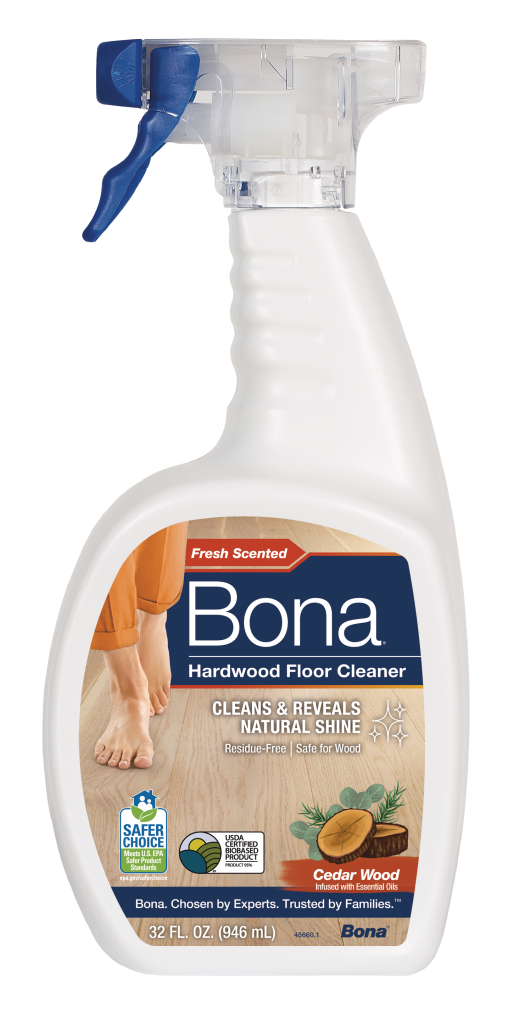
Are you wondering if you can use Bona Hardwood Floor Cleaner on your tile floors? It’s a common question because you want to keep your floors sparkling clean without causing damage.
Using the wrong cleaner can leave your tiles dull or even harm their surface. But what if one product could work for both hardwood and tile? Keep reading to discover whether Bona Hardwood Floor Cleaner is safe and effective for your tile floors—and how to get the best results every time.
Your floors deserve the right care, and you’re just one step away from knowing exactly how to give it.
Credit: www.bona.com
Bona Hardwood Floor Cleaner Basics
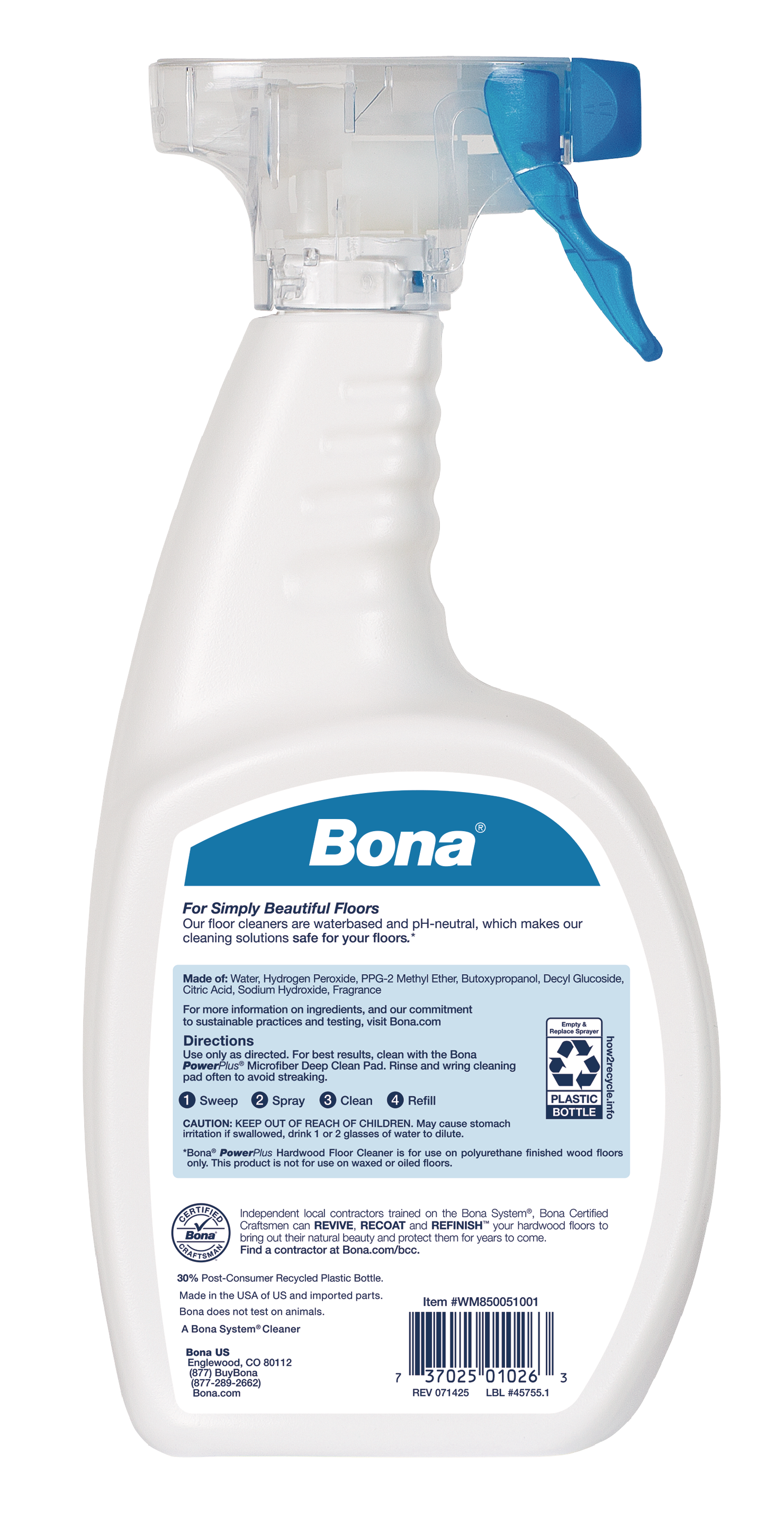
Bona Hardwood Floor Cleaner is a popular product for cleaning wood floors. It is known for its gentle yet effective formula. This cleaner removes dirt and grime without harming the wood surface. Many wonder if it works on other floor types like tile. Understanding its basics helps make the right choice.
Key Ingredients
- Water-based formula for safe cleaning
- Surfactants that lift dirt and oils
- pH-balanced to protect wood finishes
- No harsh chemicals or waxes included
- Leaves no residue or sticky film
Designed Surfaces
- Engineered hardwood floors
- Solid hardwood floors
- Wood laminate flooring
- Some bamboo floors
- Not formulated for tile, stone, or vinyl
Tile Surface Characteristics
Understanding the characteristics of tile surfaces is crucial before deciding which cleaner to use. Tiles come in various materials and finishes, each with unique properties that affect how they react to cleaning products. Using the wrong cleaner can damage the tile or grout, leaving you with costly repairs or dull surfaces.
Types Of Tile
Tiles can be made from ceramic, porcelain, natural stone, or even glass. Each type has different durability and porosity levels. For example, porcelain tiles are dense and less porous, making them more resistant to stains and moisture.
Natural stone tiles like marble or travertine are more delicate and require gentle cleaning solutions. Ceramic tiles often have a glazed surface that protects them but may be sensitive to acidic or abrasive cleaners. Knowing your tile type helps you pick a cleaner that protects rather than harms.
Surface Sensitivity
Some tile surfaces are highly sensitive to harsh chemicals and abrasive scrubbing. Acidic cleaners can etch natural stone, causing permanent dullness. Even grout lines can react poorly, leading to discoloration or weakening of the grout.
Have you ever noticed your tile losing its shine after using a strong cleaner? That’s often a sign the product was too harsh. Using a mild, pH-neutral cleaner designed for your specific tile type keeps your floors looking fresh without damage.
Compatibility Of Bona Cleaner With Tile
Wondering if Bona Hardwood Floor Cleaner is a safe choice for your tile floors? Understanding the compatibility of Bona Cleaner with tile surfaces is essential before you start cleaning. The formula designed for hardwood may behave differently on tile, which means knowing the details can save you from unexpected issues.
Manufacturer Recommendations
Bona’s official guidance primarily targets hardwood floors, emphasizing its gentle yet effective cleaning power on wood surfaces. The manufacturer does not explicitly recommend using Bona Hardwood Floor Cleaner on tile. Instead, they suggest using products formulated specifically for tile or stone to avoid any damage.
If you check Bona’s website or product label, you’ll notice the focus is on wood and not on ceramic, porcelain, or stone tiles. This is important because tile materials often need cleaners that can handle grout and resist streaking without harming the surface.
Potential Risks
Using Bona Hardwood Floor Cleaner on tile can lead to several risks. The cleaner might leave a residue or film on tile surfaces, especially if the tile is glossy or polished, which could dull its shine. Grout lines are another concern; Bona’s formula may not effectively clean or could even weaken grout over time.
There’s also the risk of slipperiness. Since Bona is designed to leave a subtle protective layer on wood, this layer might make tile floors slippery and unsafe. Have you ever noticed your tile floors feeling slick after using a cleaner not meant for them? That’s the kind of problem you want to avoid.
Ultimately, using a product designed for your specific floor type is safer and more effective. If you’re in a pinch, testing Bona Cleaner on a small, hidden tile area first can help you see how it reacts before applying it widely.
Credit: www.bona.com
Alternative Cleaners For Tile Floors
Tile floors need different care than hardwood. Using the right cleaner keeps tiles bright and damage-free. Some cleaners made for wood can harm tile surfaces. Here are some good alternatives for tile floor cleaning that work safely and effectively.
Safe Cleaning Products
Choose cleaners made specifically for tile floors. These products avoid harsh chemicals that can dull or crack tiles. Look for labels that say “safe for tile” or “pH balanced.”
- Neutral pH tile cleaners
- Non-abrasive liquid cleaners
- Soap-based floor cleaners designed for ceramics or stone
- Commercial grout cleaners for tough stains
These options clean well without harming grout or tile surfaces. They also help prevent buildup and keep floors shiny.
Diy Cleaning Solutions
Simple homemade cleaners work well on tile floors. They use common ingredients and cost less than store products.
- Mix warm water with a few drops of dish soap
- Use a solution of vinegar and water for disinfecting
- Baking soda paste gently scrubs grout and stains
- Lemon juice mixed with water brightens dull tiles
Test these solutions on a small area first. Avoid vinegar on natural stone tiles, as it can etch the surface.
Tips For Cleaning Tile Floors Effectively
Keeping tile floors clean can seem straightforward, but effective cleaning requires the right approach to maintain their shine and durability. You want to remove dirt and grime without causing damage or leaving residues. Understanding the best techniques makes a noticeable difference in how your tile floors look and feel.
Proper Cleaning Techniques
Start by sweeping or vacuuming your tile floor to remove loose dirt and debris. This prevents scratching during mopping. Use warm water mixed with a mild detergent or a cleaner specifically designed for tile surfaces.
Apply the cleaner with a microfiber mop or cloth to avoid streaks. Focus on grout lines, which often trap dirt, by scrubbing gently with a soft brush. Rinse the floor with clean water to remove any leftover cleaner and prevent buildup.
How often do you deep clean your tile floors beyond regular mopping? A thorough cleaning every few weeks helps maintain grout and tile condition over time.
Avoiding Damage
Never use harsh chemicals or abrasive tools on your tile floors, as these can erode grout and dull the tile surface. Avoid acidic cleaners like vinegar on natural stone tiles, as they can cause etching.
Be cautious with water temperature; very hot water might loosen grout or damage certain tile adhesives. Instead, stick to warm water that effectively cleans but preserves tile integrity.
Have you noticed that some cleaners leave a sticky residue? Always rinse well to avoid attracting more dirt. Your tile floor will stay cleaner longer with this extra step.

Credit: www.bona.com
Frequently Asked Questions
Can Bona Hardwood Floor Cleaner Be Used On Tile Floors?
Bona Hardwood Floor Cleaner is designed specifically for wood surfaces. It is not recommended for use on tile floors as it may not clean effectively or could leave residue.
Is Bona Safe For Sealed Tile Surfaces?
While Bona is safe for wood, it is not formulated for sealed tile. Using it on sealed tile may not damage the surface but won’t provide optimal cleaning.
What Cleaner Is Best For Tile Instead Of Bona?
For tile floors, use a cleaner made for tile and grout. Products labeled specifically for tile cleaning ensure safe, effective results without damaging surfaces.
Can Bona Hardwood Cleaner Damage Tile Grout?
Bona cleaner is mild but not intended for grout cleaning. It may not remove grout dirt or stains and could leave residue, so a grout-specific cleaner is better.
Conclusion
Deciding on the right cleaner is crucial for your tile floors. Bona Hardwood Floor Cleaner can clean tiles, but with caution. Its formulation suits hardwood but can work on tiles too. Test a small area first to ensure safety. Consider specific tile cleaners for the best results.
Using the right cleaner helps maintain your floor’s beauty and longevity. Always follow the instructions on the label. This ensures effective and safe cleaning. Happy cleaning and enjoy your sparkling floors!