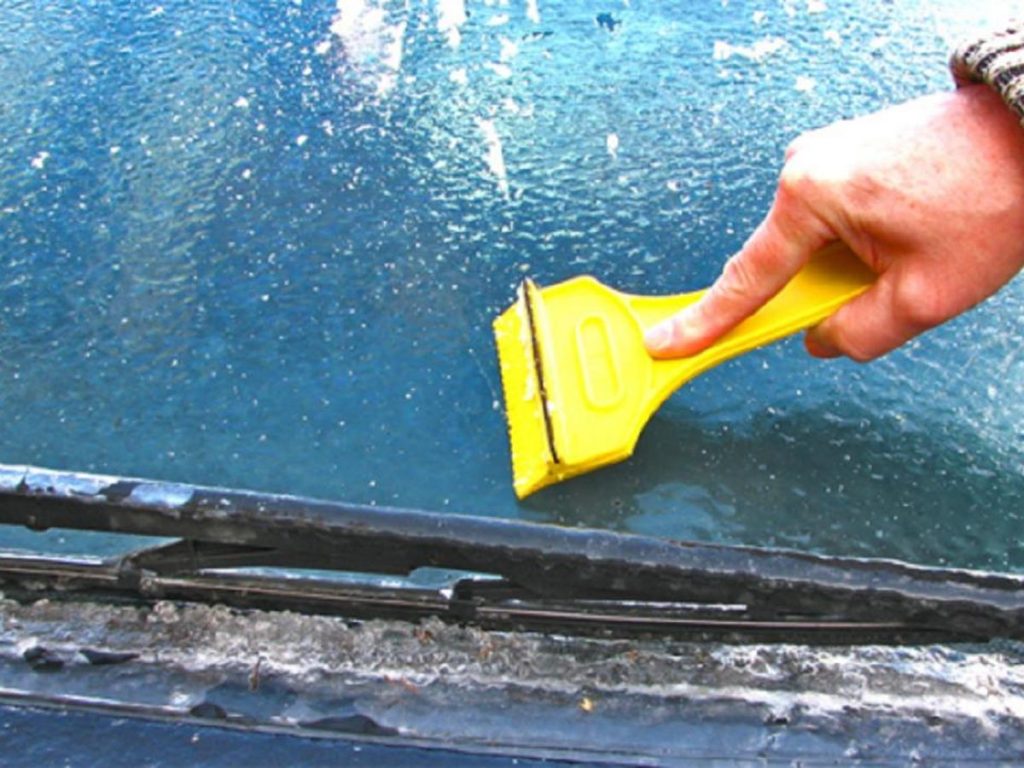
Have you ever left a bottle of Windex in your garage or car during the winter and wondered what might happen to it? The thought might not have crossed your mind until you reach for it and find it just doesn’t spray like it used to.
You’re not alone in this curiosity. The question, “Can Windex freeze? ” Is more common than you might think, and the answer might surprise you. Understanding whether your trusty glass cleaner can withstand freezing temperatures could save you time, hassle, and even money.
By the end of this article, you’ll know exactly what to do with your Windex when the temperature drops. Keep reading to ensure you’re not caught off guard by the winter chill and to protect your cleaning essentials from freezing over.
Windex Ingredients And Properties
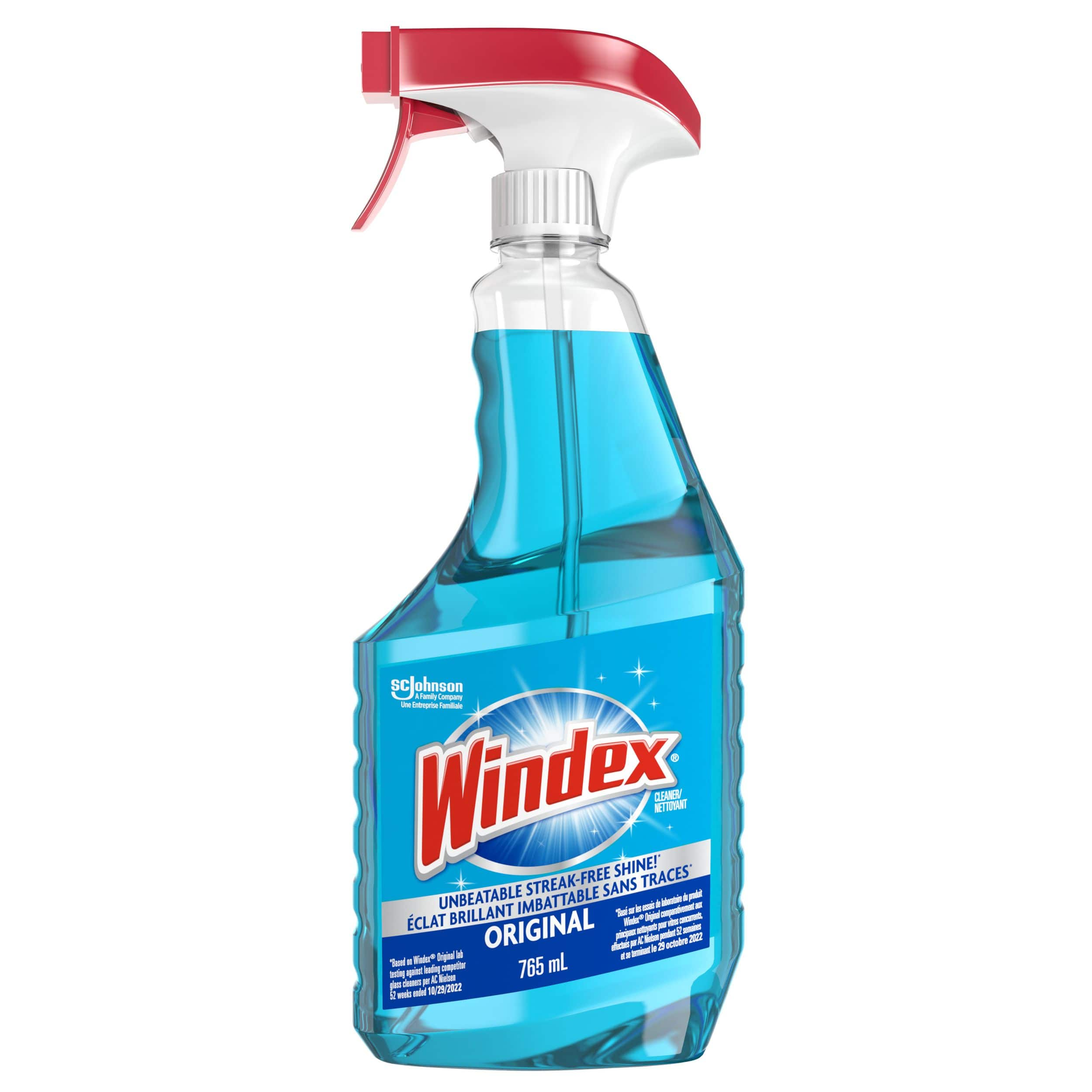
Understanding the ingredients and properties of Windex can help you answer an interesting question: can Windex freeze? Windex is more than just a blue liquid in a spray bottle. Its unique formula combines various chemicals that influence how it behaves in cold temperatures.
Common Chemicals In Windex
- Water:The main ingredient, making up the majority of the solution.
- Isopropanol (Isopropyl Alcohol):Helps dissolve grease and grime and acts as an antifreeze agent.
- Ammonia:Provides the streak-free shine many users expect.
- Surfactants:Lower surface tension to improve cleaning efficiency.
- Dyes and Fragrances:Add color and scent but don’t affect freezing properties.
Each of these plays a role in how Windex performs, especially when exposed to cold weather.
Freezing Points Of Key Components
| Component | Typical Freezing Point | Impact on Windex Freezing |
|---|---|---|
| Water | 0°C (32°F) | Pure water freezes easily, but Windex isn’t pure water. |
| Isopropanol | Approximately -89°C (-128°F) | Significantly lowers the freezing point of the mixture. |
| Ammonia Solution | Varies, but typically below -20°C (-4°F) | Also helps prevent freezing at moderate cold temperatures. |
Because of isopropanol and ammonia, Windex can resist freezing much better than plain water. Have you ever left a Windex bottle outside on a chilly day only to find it still liquid? That’s the chemistry at work.
Credit: www.canadiantire.ca
Does Windex Freeze In Cold Weather?
Windex is a popular glass cleaner used worldwide. Many wonder if Windex freezes in cold weather. Freezing can affect its use and storage. Understanding how cold affects Windex helps keep it effective during winter.
Temperature Thresholds For Freezing
Windex contains water and alcohol, which lower its freezing point. Typical Windex does not freeze until temperatures reach around -20°F (-29°C). Most home freezers set at 0°F (-18°C) may not freeze Windex solid. However, extreme cold weather below this range can cause it to freeze.
Some Windex formulas may have different freeze points. Check product labels for specific details. Alcohol content helps prevent freezing but only to a certain degree. Below the threshold, ice crystals can form inside the bottle.
Effects Of Freezing On Windex Performance
Freezing can change Windex’s texture and effectiveness. Ice crystals may separate the ingredients. Once thawed, Windex might appear cloudy or thicker. Its ability to clean glass and surfaces can weaken.
Repeated freezing and thawing can damage the container. The spray nozzle could clog or stop working well. For best results, store Windex in a place above freezing temperatures.
Real-life Freezing Incidents
Freezing incidents involving Windex are more common than you might think, especially when temperatures drop unexpectedly. These real-life stories highlight how everyday use and storage habits can lead to frozen spray bottles, leaving you frustrated and your cleaning routine disrupted. Understanding where and how Windex freezes can help you avoid these chilly setbacks.
Home And Vehicle Use Cases
Many people store Windex in places that seem convenient but are vulnerable to cold. A friend once left a bottle in the garage overnight during a sudden freeze. The next morning, the liquid inside had turned slushy, making it impossible to spray properly.
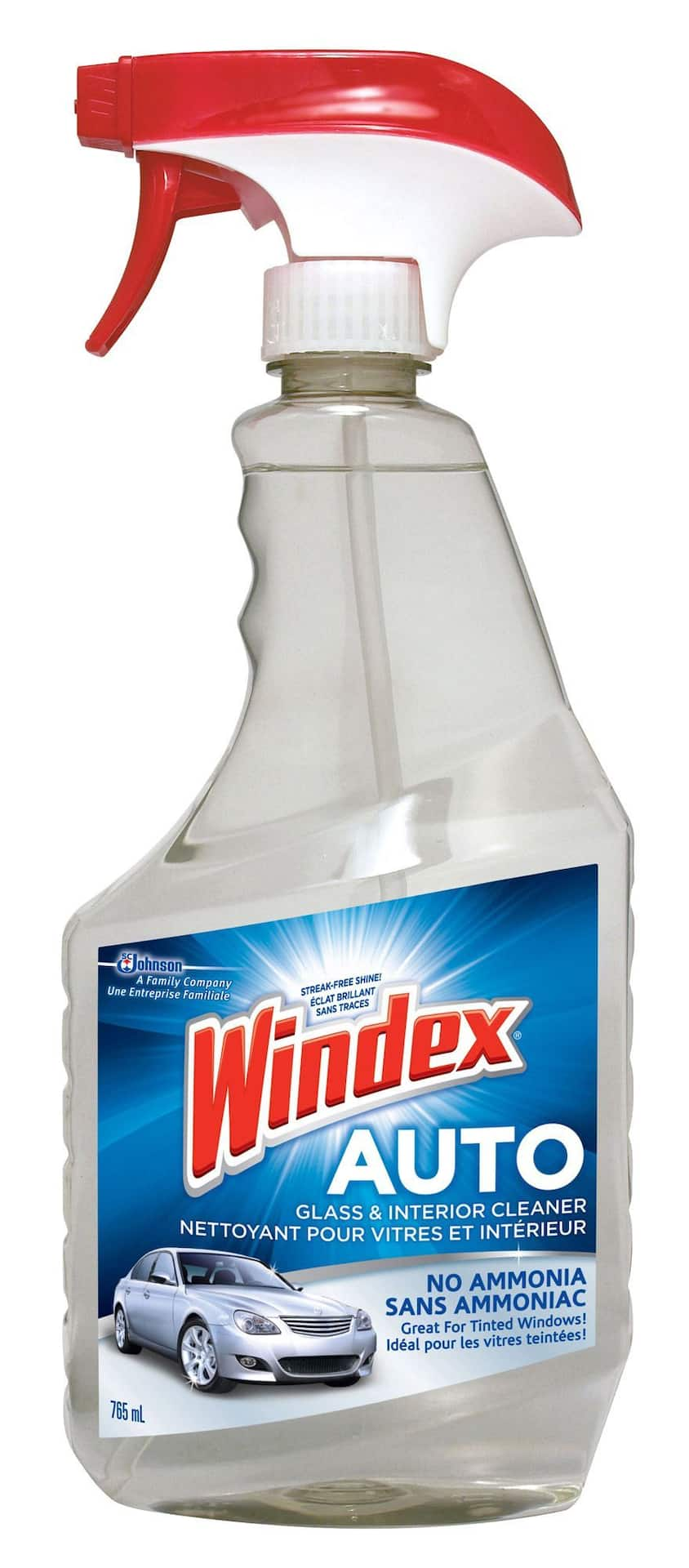
Inside vehicles, Windex is often kept for quick windshield cleaning. However, when temperatures dip below freezing, the solution can freeze in the spray nozzle or inside the bottle. This not only stops the spray but can also damage the bottle itself.
Have you ever tried to clean your car’s windshield on a frosty morning only to find your cleaner won’t spray? This is a common sign that Windex has frozen. To prevent this, consider storing your cleaning supplies in a warmer place or inside the passenger cabin instead of the trunk.
Outdoor Storage Challenges
Storing Windex outdoors, especially in unheated sheds or on porch shelves, increases the risk of freezing. Many people don’t realize that even temperatures slightly below 32°F (0°C) can cause the liquid to freeze or form ice crystals.
One homeowner shared how their Windex bottle froze solid during a winter storm while kept on the back porch. The frozen cleaner not only became useless but also burst the bottle, creating a mess that was harder to clean than the windows.
Think about where you keep your cleaning products during winter. Could a simple change, like bringing them inside or using antifreeze-safe alternatives, save you time and hassle? Taking small steps can prevent the frustration of dealing with frozen Windex and keep your surfaces sparkling all year round.
Preventing Windex From Freezing
Preventing Windex from freezing is important to keep it effective. Freezing can change its texture and reduce its cleaning power. Simple storage habits help maintain its quality through cold months. Protecting Windex from freezing also saves money and effort.
Storage Tips For Cold Climates
- Store Windex indoors away from windows and doors.
- Keep it in a heated room or closet during winter.
- Avoid leaving it in garages or unheated sheds.
- Use insulated containers if storing near cold areas.
- Check the temperature regularly to ensure it stays above freezing.
- Seal the bottle tightly to prevent moisture entry.
Alternative Cleaning Solutions
Some cleaning products resist freezing better than Windex. These can be useful in very cold places. Consider these alternatives for winter use:
- Isopropyl alcohol-based cleaners
- Vinegar and water mixtures
- Commercial cleaners labeled for cold weather use
These options maintain effectiveness even at low temperatures. Always check product labels for temperature guidelines before use.
Safety Concerns And Precautions
Windex freezing creates specific safety concerns. Understanding these helps prevent accidents and damage. Taking precautions keeps you and your surfaces safe.
Handling Frozen Windex
Frozen Windex becomes slippery and harder to use. Avoid shaking or dropping the bottle to prevent spills. Thaw frozen Windex at room temperature before use. Do not use hot water or heat sources to thaw it quickly. Store Windex away from extreme cold to reduce freezing risk.
Potential Risks To Surfaces And Users
Applying frozen Windex can harm glass and plastic surfaces. Cold liquid may cause cracking or discoloration. Skin contact with frozen cleaner can cause irritation or cold burns. Use gloves when handling frozen or thawing Windex. Keep frozen Windex away from children and pets to avoid accidents.
Credit: www.lawnsite.com
Credit: www.canadiantire.ca
Frequently Asked Questions
Does Windex Freeze In Cold Temperatures?
Windex can freeze if exposed to temperatures below its freezing point. Most Windex formulas contain water and alcohol, which lower freezing chances. However, in extreme cold, it may freeze and become less effective for cleaning.
What Happens If Windex Freezes?
If Windex freezes, its liquid components separate and may become cloudy. Freezing can reduce its cleaning power. Thawing it slowly at room temperature usually restores its usability without damage.
Can Frozen Windex Damage Surfaces?
Frozen Windex itself won’t damage surfaces but may be less effective. When thawed, it should clean normally. Avoid using it frozen, as it could leave streaks or residue on glass.
How To Prevent Windex From Freezing?
Store Windex indoors or in temperatures above freezing. Avoid leaving it in cars or unheated areas during winter. Use a formula with antifreeze agents for colder climates.
Conclusion
Windex can freeze in very cold temperatures. This changes how well it cleans. Frozen Windex might not spray or work right. Keep it in a warm place during winter. Using it frozen could damage your surfaces. Always check the label for storage advice.
Now you know to protect your cleaner from freezing. Simple steps help your Windex last longer and work better. Stay safe and keep your windows sparkling all year.