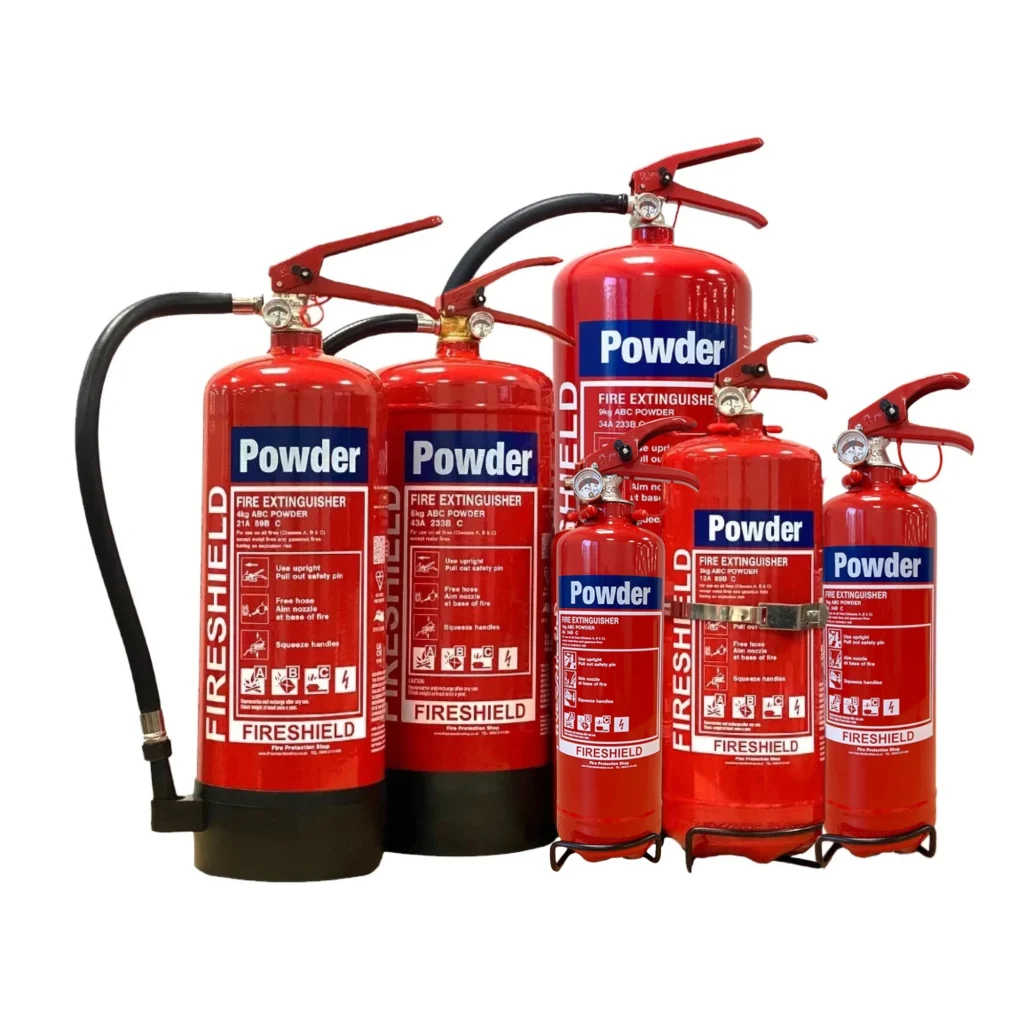
Have you ever wondered if your fire extinguisher could freeze? It’s a curious question, right?
Imagine needing it in an emergency, only to find it frozen and useless. You probably don’t think about your fire extinguisher much until you need it. But what if cold weather affects its performance? We will dive into whether fire extinguishers can freeze and what that means for you.
Stick around to discover how to ensure your extinguisher is always ready to protect you and your loved ones, even in the chilliest conditions. This knowledge could make all the difference in an emergency.

Credit: www.mobiakfire.com
How Fire Extinguishers Work
Understanding how fire extinguishers work helps you choose the right one and use it effectively during emergencies. Each extinguisher is designed for specific types of fires and operates through unique mechanisms. Knowing these details can save lives and property when seconds count.
Types Of Fire Extinguishers
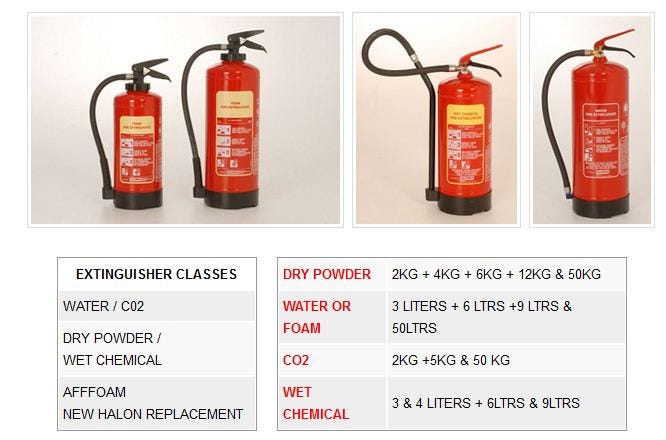
Fire extinguishers come in several types, each suited for different fire classes. These include:
- Water Extinguishers:Best for ordinary combustibles like wood and paper.
- Foam Extinguishers:Effective on flammable liquids like gasoline.
- Carbon Dioxide (CO2) Extinguishers:Ideal for electrical fires and flammable liquids.
- Dry Chemical Extinguishers:Versatile for multiple fire types including grease and electrical.
- Wet Chemical Extinguishers:Designed for kitchen fires involving cooking oils and fats.
Each type is clearly labeled with the class of fire it can handle. Have you checked which extinguisher your home or workplace has?
Mechanism Of Action
Fire extinguishers work by interrupting one or more elements of the fire triangle: heat, fuel, and oxygen. Depending on the type, they:
- Cool the flames:Water and foam lower the temperature below the ignition point.
- Remove oxygen:CO2displaces oxygen around the fire, suffocating it.
- Interrupt chemical reactions:Dry chemicals stop the combustion process.
- Form a barrier:Wet chemicals create a layer on hot oil to prevent re-ignition.
Knowing this helps you understand why using the wrong extinguisher can worsen a fire. Have you ever wondered why water is dangerous on grease fires? That’s because it can spread the flames instead of putting them out.
Freezing Points Of Extinguisher Contents
Fire extinguishers contain different materials to put out fires. Each type has its own freezing point. Knowing these points helps prevent damage in cold weather. Freezing can affect the extinguisher’s performance and safety. This section explains the freezing points of common extinguisher contents.
Water-based Extinguishers
Water-based extinguishers use plain water or water mixed with additives. Pure water freezes at 0°C (32°F). Some water extinguishers add antifreeze to lower the freezing point. Still, extreme cold can freeze the liquid inside. Frozen water stops the extinguisher from working properly. It can also cause the container to crack.
Foam And Powder Types
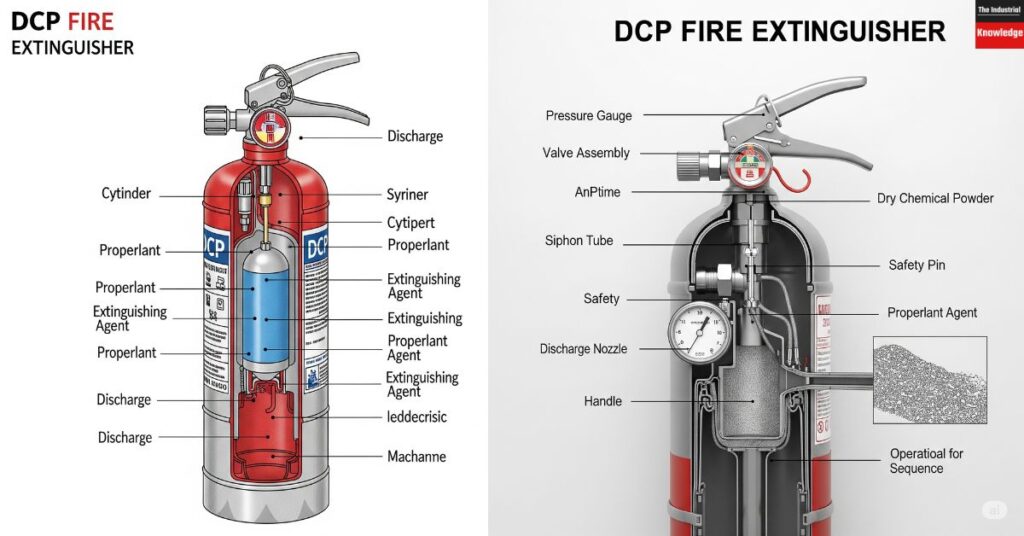
Foam extinguishers contain a water and foam solution. Their freezing point is similar to water but slightly lower due to foam agents. Powder extinguishers hold dry chemicals. These powders do not freeze. They stay effective even in very cold conditions. Foam types need care in freezing weather. Powder types are more reliable in cold places.
Co2 Extinguishers
Carbon dioxide (CO2) extinguishers store gas under high pressure. CO2 changes directly from gas to solid at very low temperatures. It does not freeze like liquids inside other extinguishers. These extinguishers work well in cold weather. However, the metal parts can get very cold. Handle CO2 extinguishers carefully to avoid frostbite risk.
Impact Of Freezing On Performance
Freezing temperatures can affect fire extinguishers in several ways. The cold can cause physical and mechanical changes that reduce their ability to work properly. Understanding these impacts helps ensure fire extinguishers are ready when needed.
Damage Risks
Freezing can cause the liquid inside to expand. This expansion may crack the cylinder or damage seals. Broken seals can lead to leaks and pressure loss. Metal parts may also become brittle in cold weather. These damages weaken the extinguisher and shorten its lifespan.
Functionality Issues
When frozen, the extinguisher may not spray correctly. The nozzle can get blocked by ice. Pressure inside may drop, stopping the discharge. Chemicals might separate or become less effective. These problems make the extinguisher unreliable during emergencies.
Preventing Freezing In Cold Climates
Preventing fire extinguishers from freezing in cold climates is essential to ensure they work when you need them most. Freezing can damage the extinguisher and render it useless during emergencies. Taking simple yet effective steps can protect your equipment and give you peace of mind.
Storage Tips
Store your fire extinguisher in a location that stays above freezing temperatures. Avoid placing it directly on concrete floors or outside walls where cold can easily reach. Instead, keep it in insulated cabinets or rooms with stable temperatures.
Check the temperature regularly if your extinguisher is in a garage or shed. You might be surprised how cold these spaces can get overnight. Would you trust your safety gear if you didn’t monitor its conditions?
Insulation Methods
Wrap your fire extinguisher with insulating materials like foam sleeves or thermal blankets designed for pipes. These materials help maintain a temperature above freezing without blocking access. It’s a simple fix that can prevent costly damage.
Another effective way is to place a heat source nearby, such as a small heater or heat tape, especially in unheated areas. Just ensure the heat source is safe and does not pose additional risks. Have you considered how a little warmth could extend the life of your safety tools?
Maintenance And Inspection
Maintenance and inspection are key to keeping your fire extinguisher reliable, especially in cold environments where freezing can be a real concern. Regular checks help you spot issues early, like freeze damage, which might not be obvious but can affect performance. Don’t wait for an emergency to find out if your extinguisher is compromised.
Checking For Freeze Damage
Freeze damage can cause cracks or leaks in the extinguisher’s cylinder or hose. Look closely at the body for dents, bulges, or corrosion that weren’t there before. Pay special attention if your extinguisher is stored in an unheated area or outside during winter.
You can also check the pressure gauge. If it reads low or fluctuates, freezing might have affected the internal pressure. Have you ever noticed your extinguisher feeling unusually cold or brittle? That’s a sign to inspect it immediately.
Regular Servicing
Fire extinguishers need professional servicing at least once a year. Technicians can disassemble the unit, test for internal damage, and recharge or replace chemicals as needed. This service often includes a thorough freeze damage assessment, ensuring your extinguisher works when you need it most.
Keep a clear record of all inspections and servicing dates. This helps you stay on top of maintenance and avoid surprises. Think about it—would you rather find out your extinguisher is faulty during a safety check or in the middle of an emergency?
Credit: medium.com
Emergency Use In Freezing Conditions
Fire extinguishers are vital tools during emergencies, even in freezing weather. Cold temperatures can affect their performance. Knowing how they work in low temperatures helps ensure safety. This section explains their effectiveness and precautions needed in freezing conditions.
Effectiveness During Cold Weather
Most fire extinguishers use chemicals or gases that resist freezing. Dry chemical and CO2 extinguishers generally work well in cold weather. Water-based extinguishers might freeze and become less effective. Low temperatures can slow the extinguisher’s discharge speed. Some models have temperature ratings to guide proper use. Checking the label before use is important.
Precautions To Take
- Store extinguishers indoors or in insulated areas.
- Keep them away from direct snow or ice buildup.
- Inspect regularly for signs of freezing or damage.
- Shake dry chemical extinguishers occasionally to prevent clumping.
- Replace extinguishers if freezing has compromised their function.
Proper care ensures extinguishers work when needed most. Preparation is key to handling fires safely in freezing conditions.
Credit: theindustrialknowledge.in
Frequently Asked Questions
Can Fire Extinguishers Freeze In Cold Weather?
Yes, some fire extinguishers can freeze if temperatures drop below their design limits. Water-based extinguishers are most vulnerable to freezing and damage.
What Happens If A Fire Extinguisher Freezes?
Freezing can cause the extinguisher’s contents to expand and damage the cylinder or nozzle. This may render it ineffective during emergencies.
How To Prevent Fire Extinguishers From Freezing?
Store extinguishers indoors or in heated locations during winter. Use antifreeze agents in water-based extinguishers to avoid freezing issues.
Do All Fire Extinguishers Freeze In Winter?
No, not all extinguishers freeze. Dry chemical and CO2 types are less likely to freeze due to their chemical composition.
Conclusion
Fire extinguishers can freeze in very cold weather. Freezing may damage their performance. Keep extinguishers in places above freezing temperature. Check them regularly to ensure they work well. Use models designed for cold climates if needed. Proper care helps keep fire safety reliable.
Remember, a working extinguisher can save lives and property. Stay safe and prepared all year round.