Have you ever found yourself with a bounty of fresh peppers and onions, wondering how you can preserve their vibrant flavors for future use? You’re not alone.
Many home cooks face the same dilemma, wanting to make the most out of their produce without wasting any. The good news is that you can freeze peppers and onions, and it’s easier than you might think! Imagine the convenience of reaching into your freezer to grab pre-prepared peppers and onions, ready to add a burst of flavor to your favorite dishes.
In this guide, we’ll explore the best methods to freeze these versatile vegetables, ensuring they retain their taste and texture. Stay with us, and discover how to make your culinary life easier while reducing food waste. Your future self will thank you!
Freezing Peppers
Freezing peppers is a smart way to keep their fresh flavor and vibrant color ready for your next meal. It saves you from waste and gives you quick access to a versatile ingredient. You might wonder if all peppers freeze well or if there are tricks to preserve their taste and texture.
Best Pepper Types For Freezing
Not all peppers handle freezing the same way. Bell peppers, with their thick walls and mild taste, freeze exceptionally well. Hot peppers like jalapeños and habaneros also hold up nicely and keep their heat after freezing.
Sweet mini peppers are another great option because they thaw quickly and add a pop of color to dishes. Avoid freezing watery or very thin-skinned varieties, as they tend to become mushy after thawing.
Preparation Steps
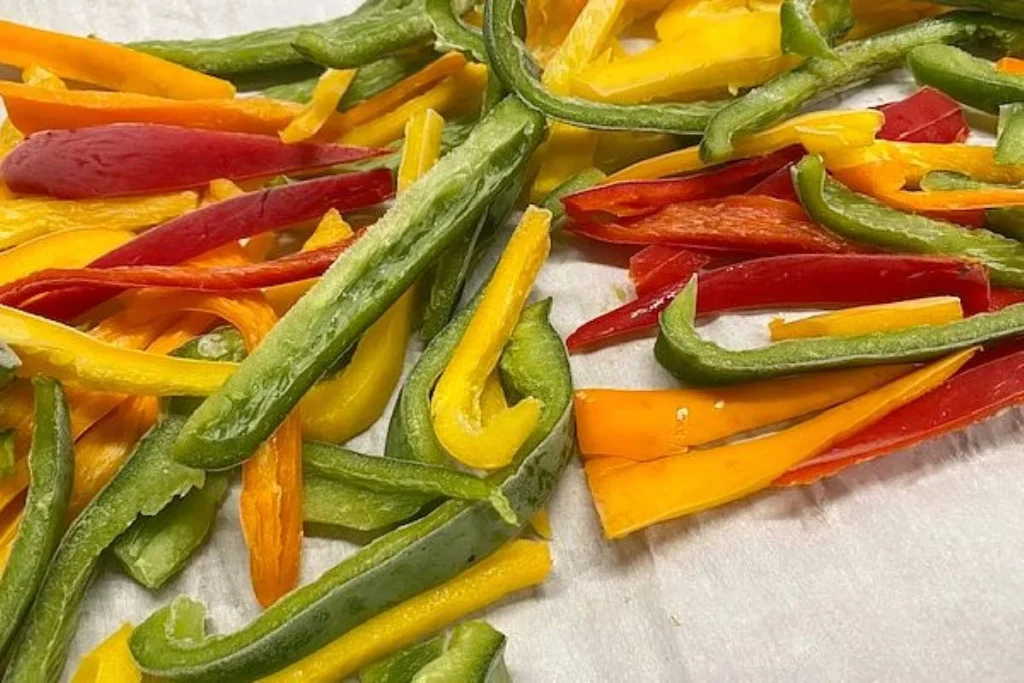
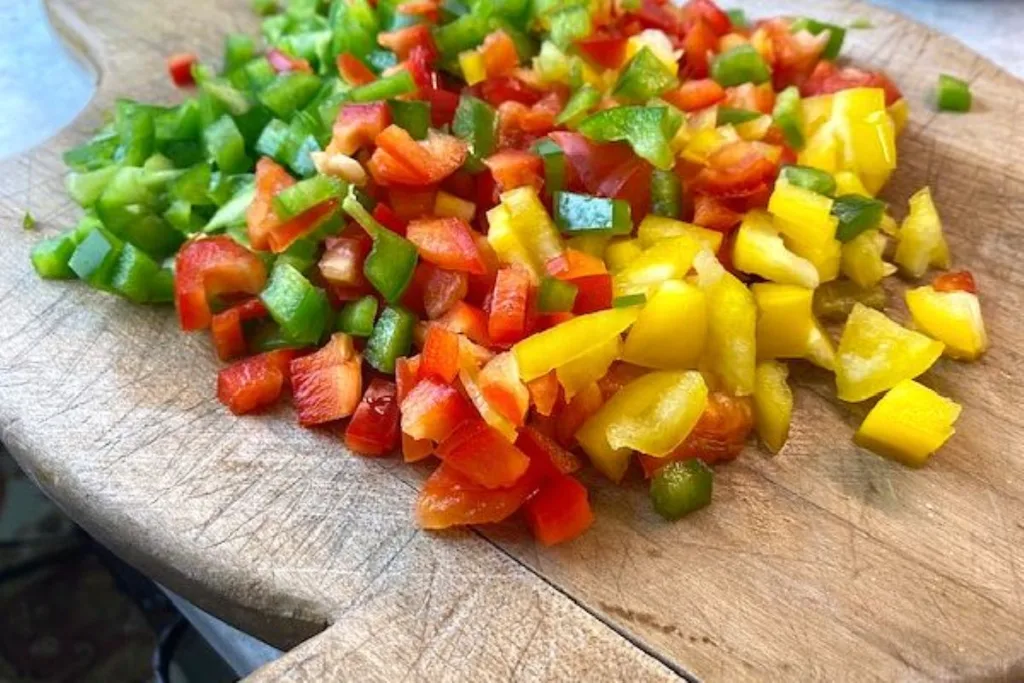
Start by washing your peppers thoroughly under cold water. Remove the stems, seeds, and membranes to make them easier to use later. Chop or slice the peppers into the size you usually cook with.
Blanching peppers isn’t necessary, but some people prefer it to maintain color and flavor. If you try blanching, boil the pieces for two minutes, then immediately cool them in ice water.
Storage Techniques
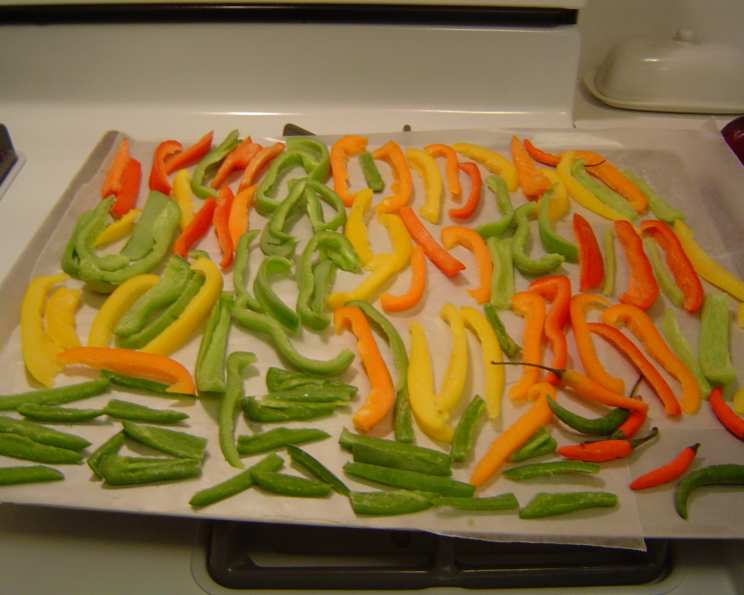
Use airtight freezer bags or containers to prevent freezer burn. Spread the pepper pieces in a single layer on a baking sheet first and freeze until solid—this stops them from sticking together.
Once frozen solid, transfer the pieces to your storage bag or container and label it with the date. Peppers can stay good in the freezer for up to 6 months, so you have plenty of time to enjoy them.

Credit: www.onehundreddollarsamonth.com
Freezing Onions
Freezing onions is a practical way to keep them fresh for longer. It saves time and reduces waste. Frozen onions work well in cooked dishes like soups, stews, and sauces. The texture changes slightly after freezing, so they are best used in recipes that involve cooking.
Choosing Onions For Freezing
Select firm, fresh onions with no soft spots. Yellow onions freeze well for most dishes. White onions are milder and suitable too. Avoid onions that show signs of sprouting or spoilage. Freshness ensures better flavor and texture after freezing.
Chopping And Blanching Tips
Peel the onions and chop them into your desired size. You can slice, dice, or chop into rings depending on your needs. Blanching is optional but helps preserve flavor and color. To blanch, boil chopped onions for 2 minutes, then cool quickly in ice water. Drain well to remove excess moisture before freezing.
Packaging And Storing
Use airtight freezer bags or containers for packaging. Remove as much air as possible to prevent freezer burn. Label the bags with the date of freezing for easy tracking. Store frozen onions at 0°F (-18°C) or lower. Use within 6 months for best quality and taste.
Maintaining Freshness
Maintaining the freshness of peppers and onions during freezing is key to preserving their flavor and texture. Proper preparation and storage help keep these vegetables tasty and ready for cooking later. Careful handling can prevent common freezer issues and ensure you enjoy them as if freshly cut.
Avoiding Freezer Burn
Freezer burn happens when air touches the food, causing dry spots and flavor loss. To stop this:
- Use airtight containers or freezer bags.
- Remove as much air as possible before sealing.
- Wrap peppers and onions tightly in plastic wrap if needed.
- Label packages with the freezing date.
Ideal Freezing Times
Peppers and onions keep best when frozen for the right length of time. Use them within these periods:
- Peppers: 6 to 8 months.
- Onions: 3 to 6 months.
Longer storage can reduce taste and texture. Rotate frozen items to use older ones first.
Using Frozen Peppers And Onions
Frozen peppers and onions work well in cooked dishes. They may lose crunch but keep flavor. Add them straight to soups, stews, or stir-fries without thawing. For salads or raw use, fresh is better. Cooking helps bring out their best taste after freezing.
Credit: www.food.com
Common Mistakes To Avoid
Freezing peppers and onions saves time and reduces food waste. Many people make mistakes that affect the taste and texture. Avoid these common errors to keep your frozen vegetables fresh and tasty.
Freezing Raw Vs Cooked
Freezing raw peppers and onions keeps them crunchy after thawing. Cooked vegetables freeze well but can become mushy if overcooked before freezing. Decide based on how you plan to use them later. Raw is best for salads and stir-fries. Cooked works well for soups and stews.
Overpacking Freezer Bags
Stuffing freezer bags too full stops cold air from circulating. This leads to uneven freezing and soggy spots. Leave some space in the bag to allow air flow. Flatten bags for faster freezing and easy storage.
Ignoring Proper Thawing Methods
Thawing peppers and onions at room temperature can make them slimy. Thaw them slowly in the refrigerator for best texture. For quick use, cook directly from frozen. Avoid microwaving, which can create hot spots and ruin flavor.
Credit: gbskitchen.com
Frequently Asked Questions
Can You Freeze Raw Peppers And Onions Together?
Yes, you can freeze raw peppers and onions together. Slice or chop them first. Spread on a tray to freeze individually. Then transfer to airtight bags. This method prevents clumping and preserves flavor for up to 6 months.
How Do Frozen Peppers And Onions Affect Recipes?
Frozen peppers and onions soften after thawing. They work well in cooked dishes like soups, stews, and stir-fries. Avoid using frozen ones raw, as texture changes. Cooking enhances their flavor and texture after freezing.
Should You Blanch Peppers And Onions Before Freezing?
Blanching peppers and onions is optional but recommended. It helps preserve color, texture, and nutrients. Blanch for 2-3 minutes in boiling water. Cool quickly in ice water before freezing. This step extends freezer life and maintains quality.
How Long Can You Store Frozen Peppers And Onions?
Frozen peppers and onions last 8-12 months in the freezer. Keep them in airtight, moisture-proof containers or bags. Label with the date to track freshness. For best taste and texture, use within 6 months.
Conclusion
Freezing peppers and onions saves time and reduces waste. Cut them into pieces before freezing for best results. Use airtight bags to keep freshness and flavor. Frozen peppers and onions work well in cooked dishes. Thaw them quickly or add frozen straight to your pan.
Keep track of storage time to enjoy good taste. This simple method helps you enjoy these veggies all year. Try freezing your peppers and onions to make cooking easier.